Cardiology
Choose Ascension St. John to be your first choice – from heart and vascular screenings to surgery. Schedule with a cardiologist.


Cardiovascular care in Oklahoma
Choose Ascension St. John to be your first choice – from heart and vascular screenings to surgery. Schedule with a cardiologist.

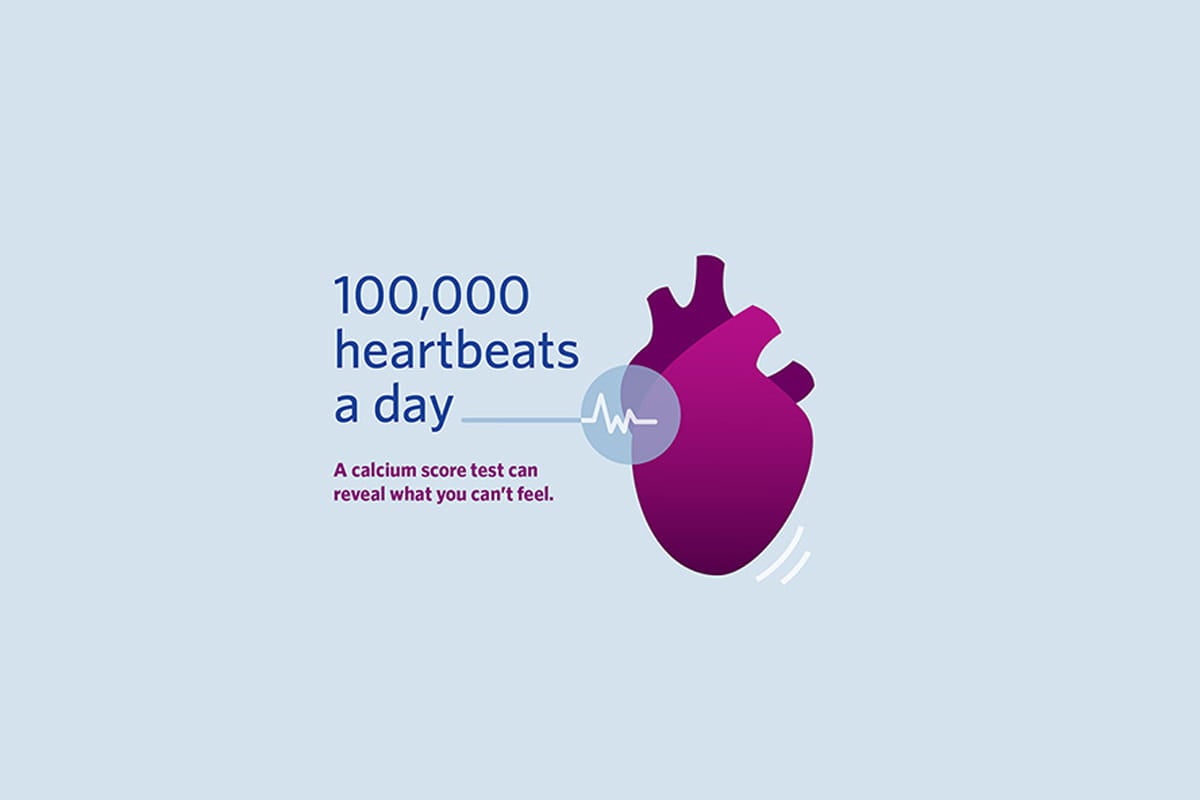
A heart scan could save your life
A heart scan is a quick, painless way to detect early signs of heart disease before symptoms appear. If you have risk factors like high blood pressure, high cholesterol, or a family history, this simple test could prevent a heart attack.
If you are using insurance, a doctor’s referral is needed to schedule a heart scan. Find a Specialist.
Already have a referral or are planning to pay out-of-pocket?
Call to schedule your heart scan:
- Bartlesville: 918-331-1598
- Broken Arrow: 918-994-9280
- Claremore: 918-748-7650
- Coffeyville, KS: 888-323-0336
- Jenks: 918-748-7650
- Owasso: 918-274-5560
- Sapulpa: 918-994-9280
- Tulsa: 918-744-3511
Leading the way in heart care in Oklahoma
When you choose Ascension St. John, you get an experienced cardiovascular specialist and care team who are part of a national team, sharing best practices and the latest research and nationally recognized treatments and certified programs. Our heart program is recognized by U.S. News & World Report’s High Performing Hospitals for giving “high performing” treatment to patients experiencing heart attacks and for patients who need pacemaker implantation. If you need heart valve treatment, we have the only certified Transcatheter Valve Center in Oklahoma.
Heart disease can strike without warning
Early detection can save lives. Take our free, 3-minute heart risk assessment today. It could make all the difference.
Know the symptoms of a cardiac emergency
The symptoms of an aneurysm may look like other health conditions or problems. Some aneurysms can cause pain in the abdomen, chest, lower back, or groin area. The pain may be severe pain in the back of the abdomen may mean the aneurysm is about to burst. You may also experience a pulsing feeling, like a heartbeat, in the abdomen. Other symptoms may include severe headache, nausea, vomiting, visual disturbance and loss of consciousness.
If you're feeling the symptoms of a heart attack, such as chest discomfort, shortness of breath, lightheadedness, nausea, or pain in the neck, jaw or arms, call 911 or go to the nearest emergency room immediately.
A pulmonary embolism (PE) is a blood clot that develops in a blood vessel in the body (often in the leg). It then travels to a lung artery, where it suddenly blocks blood flow.
Common symptoms include:
- Chest pain
- Coughing or coughing up blood
- Dizziness, lightheadedness, or fainting
- Fast heart rate or irregular heartbeat
- Low blood pressure
- Rapid breathing
- Shortness of breath
- Sweating
A stroke can result if the narrowing of the carotid arteries is severe enough that blood flow is blocked. It can block blood flow to the brain if a piece of plaque breaks off.
It’s important to remember the signs of a stroke with the acronym “B.E. F.A.S.T.”
- Balance changes or loss of balance
- Eyes and vision changes
- Face drooping or numbness
- Arm weakness
- Speech that is slurred
- Time, get help immediately
If you are experiencing a life-threatening emergency, go directly to the ER or call 911.
Conditions, tests and treatments
- Aortic aneurysm
- Aortic dissection
- Arrhythmias
- Atherosclerosis
- Cardiomyopathy
- Carotid artery disease
- Chronic total occlusion (CTO)
- Chronic venous insufficiency (CVI)
- Congenital heart disease
- Congestive heart failure
- Coronary artery disease (CAD)
- Deep vein thrombosis (DVT)
- Heart failure
- Heart murmurs
- Heart valve and structural heart disease
- High Blood Pressure
- High cholesterol
- Pericarditis
- Peripheral arterial disease (PAD)
- Pulmonary embolism (PE)
- Blood pressure monitoring
- Blood tests
- Cardiac catheterization
- Cardiac CT scan
- Cardiac MRI
- Coronary angiogram
- Coronary calcium scan
- Coronary CT angiography (CTA)
- Echocardiogram (heart ultrasound)
- Electrocardiogram (ECG)
- Electrophysiology study
- Event recorder
- Holter monitor
- Positron emission tomography (PET) scan
- Transesophageal echocardiogram (TEE)
- Angioplasty and stenting
- Cardiac catheterization
- Cardiac rehabilitation
- Cardiac resynchronization therapy (CRT)
- Catheter ablation
- Coronary artery bypass grafting (CABG)
- Extracorporeal membrane oxygenation
- Heart transplant
- Implantable cardioverter defibrillator (ICD)
- Left atrial appendage closure (Watchman procedure)
- Medication management
- Pacemaker
- Percutaneous coronary intervention (PCI)
- Transcatheter aortic valve replacement (TAVR)
- Valve repair and replacement
- Ventricular assist device (VAD)
Conditions, tests and treatments
- Aortic aneurysm
- Aortic dissection
- Arrhythmias
- Atherosclerosis
- Cardiomyopathy
- Carotid artery disease
- Chronic total occlusion (CTO)
- Chronic venous insufficiency (CVI)
- Congenital heart disease
- Congestive heart failure
- Coronary artery disease (CAD)
- Deep vein thrombosis (DVT)
- Heart failure
- Heart murmurs
- Heart valve and structural heart disease
- High Blood Pressure
- High cholesterol
- Pericarditis
- Peripheral arterial disease (PAD)
- Pulmonary embolism (PE)
- Blood pressure monitoring
- Blood tests
- Cardiac catheterization
- Cardiac CT scan
- Cardiac MRI
- Coronary angiogram
- Coronary calcium scan
- Coronary CT angiography (CTA)
- Echocardiogram (heart ultrasound)
- Electrocardiogram (ECG)
- Electrophysiology study
- Event recorder
- Holter monitor
- Positron emission tomography (PET) scan
- Transesophageal echocardiogram (TEE)
- Angioplasty and stenting
- Cardiac catheterization
- Cardiac rehabilitation
- Cardiac resynchronization therapy (CRT)
- Catheter ablation
- Coronary artery bypass grafting (CABG)
- Extracorporeal membrane oxygenation
- Heart transplant
- Implantable cardioverter defibrillator (ICD)
- Left atrial appendage closure (Watchman procedure)
- Medication management
- Pacemaker
- Percutaneous coronary intervention (PCI)
- Transcatheter aortic valve replacement (TAVR)
- Valve repair and replacement
- Ventricular assist device (VAD)
Advanced heart care close to home
If you are looking for a cardiologist or a second opinion on a diagnosis or your care plan, we can help. You’ll find that managing long-term and chronic heart care needs is easier with a team ready to support you.
Refer your patient to Ascension
When you are facing a new diagnosis or are deciding on a surgical or therapeutic treatment plan, there’s a lot to think about. If you are looking for a second opinion for advanced heart care, our cardiologists can also connect you with the right specialists for minimally invasive surgery, including TAVR. Our heart and vascular specialists can provide a second opinion, based on our experience and as part of a national care team.
Before your appointment, check with your insurance company to find out if a second opinion is covered. We can request your medical records on your behalf, so that they can be shared with your care team before your arrival.
If you are experiencing a life-threatening emergency, go directly to the ER or call 911.
All registered marks are property of their respective owners. All rights reserved.