
Triple-negative breast cancer at 22
July 29, 2026
In February 2025, 22-year-old Shelby Bennoit became cancer-free after treatment for stage 2B triple-negative breast cancer at Ascension Saint Agnes in Baltimore.
Urologists at Ascension Saint Agnes in Baltimore, Maryland, provide advanced care for kidney, prostate and bladder cancer
Urology care teams at Ascension Saint Agnes deliver advanced care for prostate cancer, bladder cancer and other urologic cancers. At regular meetings, your care team, which may include urologists, will review your care plan and monitor your progress. We focus on care to help improve your pelvic health. As part of our multispecialty team approach to cancer care, we also provide other supportive care services, such as pelvic physical therapy. If you are interested in participating in cancer care clinical trials, ask your oncologist to discuss your options. We can work to help connect you to ongoing clinical trials that may be right for you.
When you choose Ascension Saint Agnes cancer care, you’re never alone. You’ll have face-to-face visits with your doctor, and you’ll have an entire care team, dedicated to your care — connecting the dots for you. Your doctor and care team will take the time to answer all your questions – big and small. By getting to know you and working together, you get a care plan that’s customized to your needs. And with a plan, comes hope. Our goal is to help you recover faster so you can get back to your daily life.
Along the way, your care may require imaging, lab tests, pharmacy support, respiratory therapy, physical therapy or other specialists — you do not have to navigate your care alone. Upon your cancer diagnosis, or when you come to us during your cancer care, you’re paired with a cancer care team.
We offer an extended care team for emotional support — chaplain, palliative care specialist and oncology-certified social worker. Our healing garden and chapel are always open for you and your loved ones. Other services include:
Your doctors and care team deliver a customized care plan for your cancer. Our goal is to identify the tumor and deliver comprehensive care for your type of cancer, including:
Symptoms of prostate cancer, bladder cancer and other urologic cancer can vary. Some symptoms may be similar to other conditions that may affect your urologic health, including:
Genetic testing and counseling for gene mutations that may increase your risk for urologic cancer. Telehealth genetic testing and counseling is also available. Our genetic nurse coordinator schedules your genetic tests and coordinates a consultation with a telehealth genetic consultant from the convenience of your home.
An ultrasound is often the first test done if you have a lump on or near your testicle. This test uses sound waves to make images of the inside of your body. It can show if the lump is filled with fluid or is a solid mass. Solid lumps are more likely to cause cancer.
When you are facing a new urologic cancer diagnosis or are deciding on a surgical or therapeutic treatment plan, there’s a lot to think about. Our urologic cancer specialists can provide a second opinion, based on our experience and as part of a national team.
Before your appointment, check with your insurance company to find out if a second opinion is covered. We can request your medical records on your behalf, so they can be shared with your care team before your arrival.
Our cancer center is on the campus of Ascension Saint Agnes Hospital in southwest Baltimore. And our network of cancer specialists extends throughout Baltimore County, Catonsville, Columbia and Laurel.
Your doctor and care team get to know you well, and you’ll receive care for the whole person – from physical health and well-being to mental and emotional health to support for your family and caregivers. At Ascension Saint Agnes, we provide innovative medication treatments, the latest surgical technologies and techniques, high-tech radiation facilities and support services. Our urologic cancer surgeons are part of a national team of cancer specialists sharing the latest in cancer care knowledge and research.
Urologists at our cancer center are trained urologic surgeons. They use minimally invasive surgery techniques when possible to remove a tumor, which may help shorten your recovery after surgery.
Our care team provides genetic tests associated with prostate cancer. Telehealth genetic testing and counseling is now available. Our genetic nurse coordinator schedules your genetic tests and coordinates a consultation with a telehealth genetic consultant from the convenience of your home.
At Ascension Saint Agnes, we provide many primary and advanced treatments for urologic cancer, including:
Please call us at 667-234-2910 for information on how to obtain a referral. If you are a provider referring a patient, call 667-234-2910.
If you are experiencing a life-threatening emergency, go directly to the ER or call 911.
All registered marks are property of their respective owners. All rights reserved.
July 29, 2026
In February 2025, 22-year-old Shelby Bennoit became cancer-free after treatment for stage 2B triple-negative breast cancer at Ascension Saint Agnes in Baltimore.
July 24, 2026
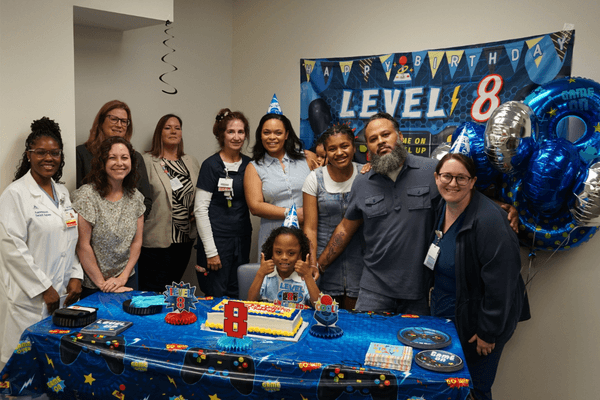
A former 24-week preemie returned to Ascension Saint Agnes Hospital in Baltimore to celebrate his eighth birthday and reunite with the NICU team that saved his life.

A Maryland couple decides to make a new commitment in their marriage by getting bariatric surgery at Ascension Saint Agnes Weight-Loss Program in Baltimore, Maryland.

If incidents occur this Fourth of July, knowing where and when to get immediate and emergency care is important.

June 23, 2025
Ascension urgent care and orthopedic teams are here to help you manage your summer injury.