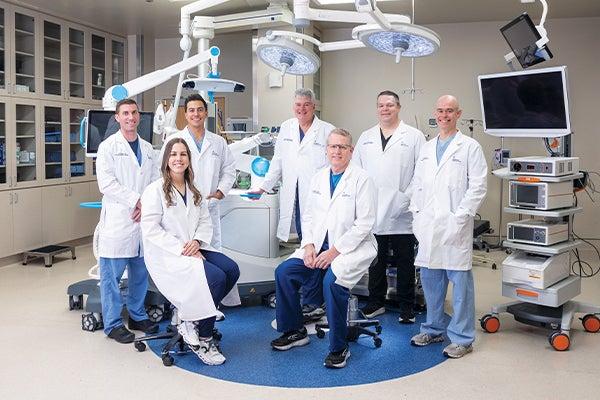
Comprehensive joint care in Waco
August 28, 2026
Ascension Providence in Waco, Texas offers personalized joint replacement care with fellowship-trained orthopedic surgeons, advanced techniques and nationally recognized quality outcomes.
Choose Ascension Providence in Waco, Texas to be your first choice – from heart and vascular screenings to surgery.

Choose Ascension Providence in Waco, Texas to be your first choice – from heart and vascular screenings to surgery.
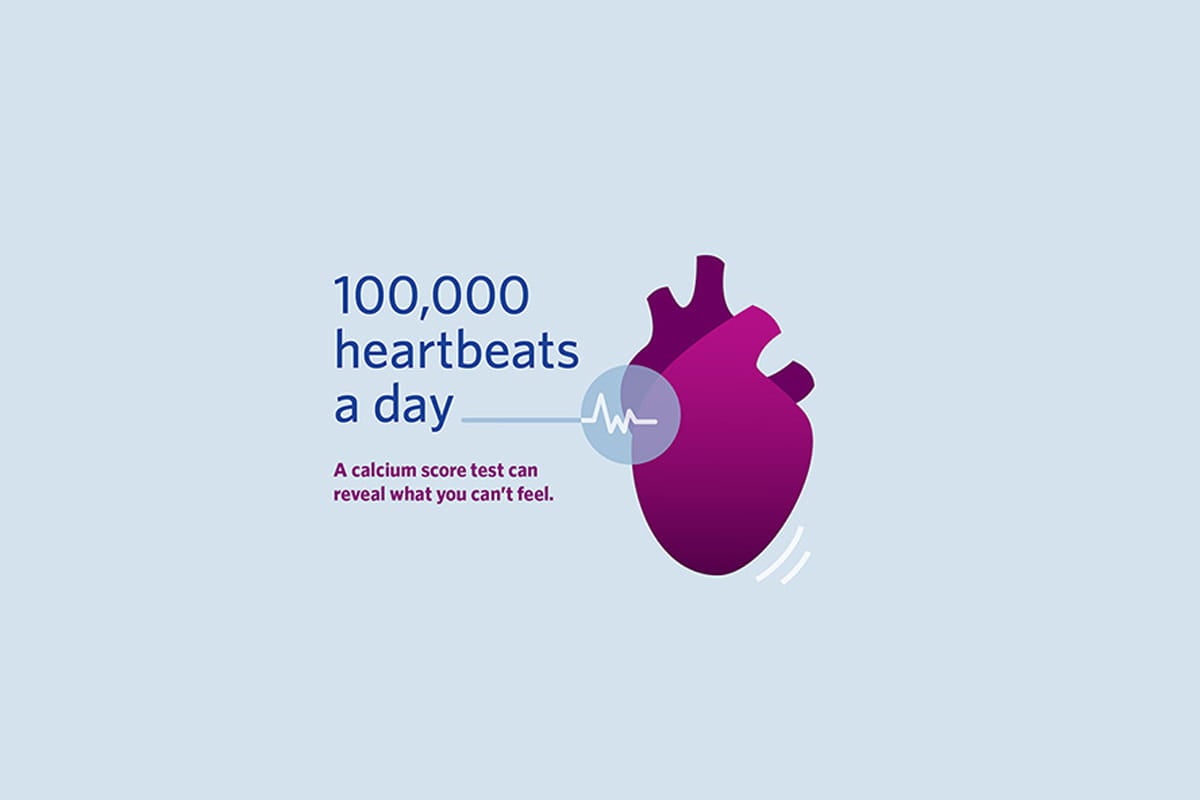
A heart scan is a quick, painless way to detect early signs of heart disease before symptoms appear. If you have risk factors like high blood pressure, high cholesterol, or a family history, this simple test could prevent a heart attack. Take control of your heart health today.
To schedule a calcium score, please call 254-751-4624.
A referral is needed for more advanced heart scans. Find a specialist.
Ascension Providence is leading the way in heart care in Waco, providing advanced care for a full range of heart conditions. From preventative screenings to life-saving treatments, our specialists use the latest technology and personalized care plans to help you achieve better heart health.
Every appointment starts with a conversation. Your care team takes the time to listen and answer all your questions — so you get a personalized care plan.
The symptoms of an aneurysm may look like other health conditions or problems. Some aneurysms can cause pain in the abdomen, chest, lower back, or groin area. The pain may be severe pain in the back of the abdomen may mean the aneurysm is about to burst. You may also experience a pulsing feeling, like a heartbeat, in the abdomen. Other symptoms may include severe headache, nausea, vomiting, visual disturbance and loss of consciousness.
If you're feeling the symptoms of a heart attack, such as chest discomfort, shortness of breath, lightheadedness, nausea, or pain in the neck, jaw or arms, call 911 or go to the nearest emergency room immediately.
A pulmonary embolism (PE) is a blood clot that develops in a blood vessel in the body (often in the leg). It then travels to a lung artery, where it suddenly blocks blood flow.
Common symptoms include:
A stroke can result if the narrowing of the carotid arteries is severe enough that blood flow is blocked. It can block blood flow to the brain if a piece of plaque breaks off.
It’s important to remember the signs of a stroke with the acronym “B.E. F.A.S.T.”
If you are experiencing a life-threatening emergency, go directly to the ER or call 911.
If you are looking for a cardiologist or a second opinion on a diagnosis or your care plan, we can help. You’ll find that managing long-term and chronic heart care needs is easier with a team ready to support you.
Your patients can expect compassionate, personalized care from the moment our specialists connect with them. Our doctors start by listening to fully understand your patient’s needs and to develop an individualized care plan.
If you are experiencing chest pain, especially in combination with jaw or arm pain, lightheadedness, nausea, vomiting or difficulty breathing, you might be having a heart attack. Call 911 or go to the nearest emergency room right away.
All registered marks are property of their respective owners. All rights reserved.
© 2021 Boston Scientific Corporation or its affiliates. All rights reserved.
Copyright © 2020 Abbott. Abbott Park, Illinois, U.S.A.
August 28, 2026
Ascension Providence in Waco, Texas offers personalized joint replacement care with fellowship-trained orthopedic surgeons, advanced techniques and nationally recognized quality outcomes.
July 20, 2026
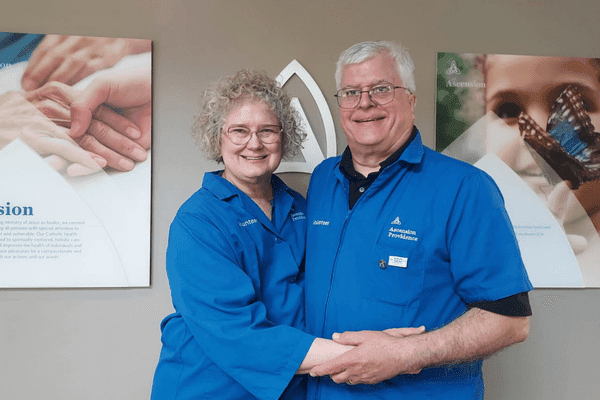
After years of serving patients and families as volunteers at Ascension Providence in Waco, Texas, Richard and Carolyn Skurla experienced the same compassionate care firsthand.
July 1, 2026
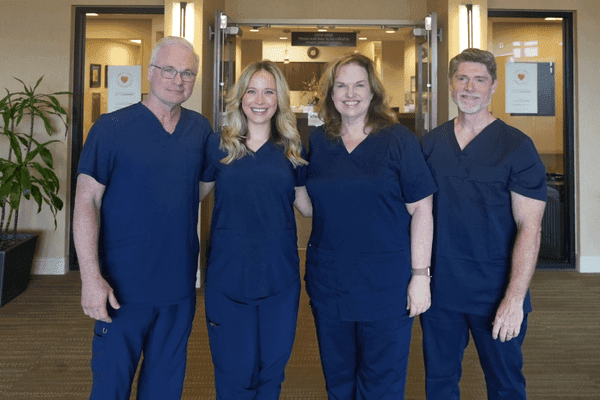
At Ascension Providence in Waco, Texas, four family members are caring for patients together, bringing more than 100 years of combined healthcare experience to the community.
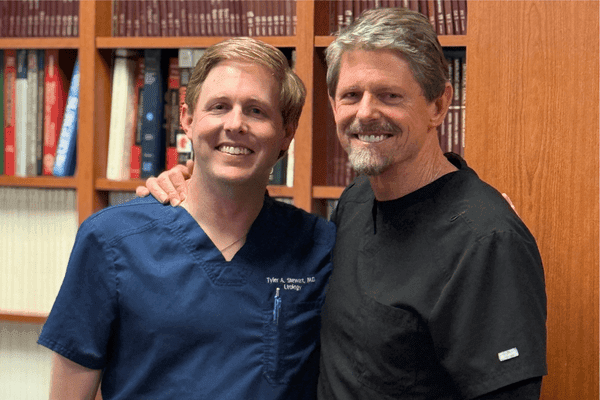
June 30, 2026
Learn when to start prostate cancer screening, recognize common urologic warning signs and take charge of your health with guidance from Ascension Medical Group Providence urology specialists.
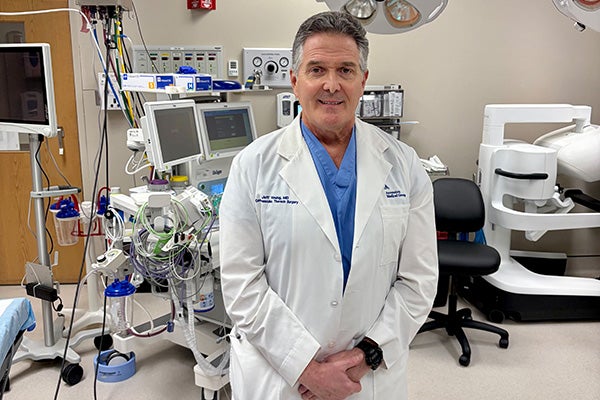
February 3, 2026
Since returning home in 1996, Donald “Jeff” Young, MD, cardiothoracic surgeon at Ascension Providence in Waco, Texas, has provided decades of advanced cardiovascular care to the community.
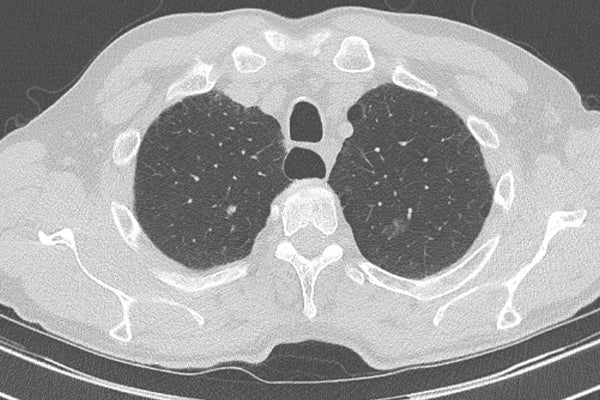
January 12, 2026
Ascension Seton and Ascension Providence offer a range of lung cancer care services focused on early detection and screening in Central Texas.
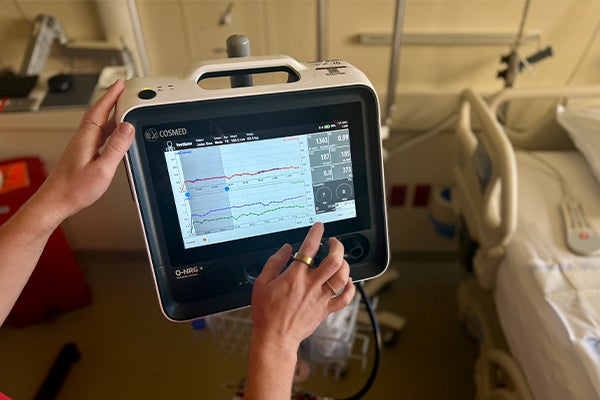
December 11, 2025
Ascension Seton Medical Center Austin is the first to use an advanced metabolic monitor that helps care teams understand the energy needs of ICU patients in Central Texas.

November 11, 2025
This Veterans Day, Ascension Seton and Ascension Providence honor the veterans who are part of the Central Texas communities we serve.

October 28, 2025
To make sure your family enjoys a happy and healthy celebration, the team at Dell Children’s has gathered tips for staying safe on Halloween.

If incidents occur this Fourth of July, knowing where and when to get immediate and emergency care is important.

June 23, 2025
Ascension urgent care and orthopedic teams are here to help you manage your summer injury.

November 15, 2023
A prayer for peace to help guide your daily reflections.

Comprehensive Fetal Care Center at Dell Children's Medical Center provides advanced surgery options for complex in-utero conditions in Central Texas.

Families find support and emotional health care for conditions like anxiety in children at Dell Children’s Medical Center.

Austin family finds comfort from Dell Children’s Medical Center fetal cardiac program that repaired their son’s heart with three surgeries.