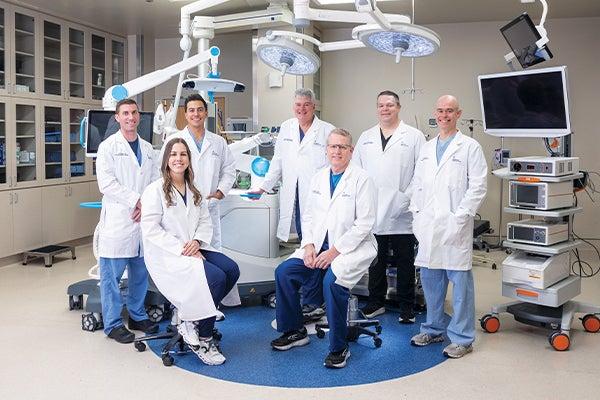
Comprehensive joint care in Waco
August 28, 2026
Ascension Providence in Waco, Texas offers personalized joint replacement care with fellowship-trained orthopedic surgeons, advanced techniques and nationally recognized quality outcomes.
Get care from a leader in heart valve and structural heart disorders at Ascension Providence in Waco and Central Texas.

Get care from a leader in heart valve and structural heart disorders at Ascension Providence in Waco and Central Texas.
When you need advanced care for heart and valve disease, a team of experienced specialists at Ascension Providence deliver advanced diagnostics and valve disease imaging, personalized therapeutic and surgical treatment and rehabilitation support.
This heart condition affects one or more of the heart's valves. If blood doesn't flow properly when the heart valves open, the reasons can be leaky valves (regurgitation), too narrow (stenosis), or not opening properly (atresia). Heart and valve conditions can lead to a heart attack or progressive heart failure.
When you need advanced, specialized care for heart valve and structural heart conditions, Ascension Providence delivers advanced diagnostics and imaging, minimally invasive therapies, surgical care, and rehabilitation support. From treatment through recovery, we provide personalized, compassionate heart care that’s right for you.
Heart valve diseases we treat include:
Common symptoms of heart valve disease include:
Some people with heart valve disease experience no symptoms. If you are an older adult or have had other health conditions such as rheumatic fever, heart attack and arrhythmia, talk to your doctor about your risk for heart valve disease.
An accurate diagnosis helps your doctor personalize your care. To diagnose a structural heart valve problem, your doctor may recommend testing, such as:
This is also known as a cardiac or heart cath. For this test, your doctor guides a small catheter (hollow tube) through the large artery in your upper leg, or sometimes your wrist or arm, into your heart. This procedure lets your doctor take a close look at the heart to identify concerns and to perform other tests or procedures.
This imaging procedure uses an X-ray machine and a computer to create 3-D pictures of the heart. Sometimes a dye is injected into a vein so that your heart arteries can also be seen. Sometimes medicine is given to lower your heart rate so it captures a better image. It can also be used to find out how much calcium is in your heart arteries. Calcium is a marker for coronary artery disease.
This procedure uses a combination of large magnets, radio waves, and a computer to make detailed images of organs and structures in your body. Your doctor may order an MRI of the heart to look at the heart valves and major vessels. It can also detect coronary artery disease and how much damage it has caused. It can also assess heart problems that have been present since birth. It can find tumors and other conditions. Your doctor may order this test before other procedures such as angioplasty or stenting of the coronary arteries and heart or vascular surgery.
This test is done during a cardiac catheterization. For this test, your doctor guides a small catheter (hollow tube) through the large artery in your upper leg, or sometimes your wrist or arm, into your heart. Dye is given through the catheter, and moving X-ray pictures are taken as the dye travels through your heart arteries and heart chambers. This comprehensive test shows narrowing in the arteries, heart chamber size, how well your heart pumps, and how well the valves open and close. It also measures the pressures within the heart chambers, arteries, and veins.
It's used to check the heart's function and structures. During the procedure, a transducer (like a microphone) sends out sound waves at a frequency too high to be heard. When the transducer is placed on the chest at certain locations and angles, the sound waves move through the skin and other body tissues to the heart tissues. The waves bounce or "echo" off the heart structures. These sound waves are sent to a computer that can create moving images on the screen of the heart walls and valves.
This test records the electrical activity of the heart, shows abnormal rhythms (arrhythmias), and can sometimes detect heart muscle damage.
This is also called a treadmill or exercise ECG. This test is done to monitor the heart while you walk on a treadmill or pedal a stationary bike. Your doctor also monitors your breathing and blood pressure. A stress test may be used to detect coronary artery disease, or to determine safe levels of exercise after a heart attack or heart surgery. This test can also be done using special medicines that stress the heart in a similar manner as exercise does. Sometimes a stress test will collect ECG information along with heart ultrasound pictures. This is called an exercise or stress echocardiogram (echo). It's more sensitive and specific than ECG stress testing alone.
Treatment for heart valve disease may include medication, therapy or surgery.
For this nonsurgical procedure, a special hollow tube (catheter) is put into a blood vessel in the groin and guided into the heart. At the tip of the catheter is a deflated balloon that is inserted into the narrowed heart valve. Once in place, the balloon is inflated to stretch the valve open, and then removed. This procedure is only used to treat stenotic (narrowed) valves.
A device may be used to close off the left atrial appendage in some cases. This can prevent stroke without having to use lifelong blood thinners. The left atrial appendage is the area within the heart where most blood clots form. By closing this area off, any clots that form there cannot get out to travel to the brain to cause a stroke. The device is implanted without heart surgery. This device is not right for everyone. It is generally considered in those who are at high risk for stroke, as well as high risk for bleeding. Even with the device, you may need to take blood thinners in the short-term.
Transcatheter aortic valve replacement (TAVR) is a procedure that replaces a diseased aortic valve with a man-made valve. The TAVR procedure may be recommended as an alternative to open heart surgery. The old heart valve is not removed but acts like an anchor for the new heart valve. This procedure is done through small cuts (incisions) using a long, thin tube (catheter), X-rays, and ultrasound.
Cardiac surgeons treat complex heart valve disease to repair damaged heart valves through open heart surgery and minimally invasive procedures, including TAVR and MitraClip™. When one or both of your valves do not open or close correctly, it can lead to reduced blood flow, cause the heart to work harder, and result in symptoms such as fatigue, shortness of breath, chest pain, fainting, or even heart failure.
Our heart and vascular specialists performed Waco’s first heart catheterization and open-heart surgery in 1973 and the first transcatheter aortic valve replacement (TAVR) in 2018. We’re also the first hospital in Texas to be recognized through the Edwards benchmark program for the treatment of aortic stenosis.
Heart and valve problems can lead to heart attack or progressive heart failure, so it’s important to talk to your doctor about early treatment options. For some heart valve conditions, surgery may be recommended. Whenever possible, our national care team of heart specialists perform cardiac surgeries using minimally invasive techniques, which may help shorten your recovery time and lower your risk of complications. Find a heart specialist near you.
When you are facing a new diagnosis or are deciding on a surgical or therapeutic treatment plan, there’s a lot to think about. If you are looking for a second opinion for advanced heart care, your heart care team can also connect you with the right specialists for minimally invasive surgery, including TAVR, WATCHMAN™ and ablation. Our heart and vascular specialists can provide a second opinion, based on our experience and as part of a national care team.
Before your appointment, check with your insurance company to find out if a second opinion is covered. We can request your medical records on your behalf, so that they can be shared with your care team before your arrival.
If you are experiencing a life-threatening emergency, go directly to the ER or call 911.
All registered marks are property of their respective owners. All rights reserved.
August 28, 2026
Ascension Providence in Waco, Texas offers personalized joint replacement care with fellowship-trained orthopedic surgeons, advanced techniques and nationally recognized quality outcomes.
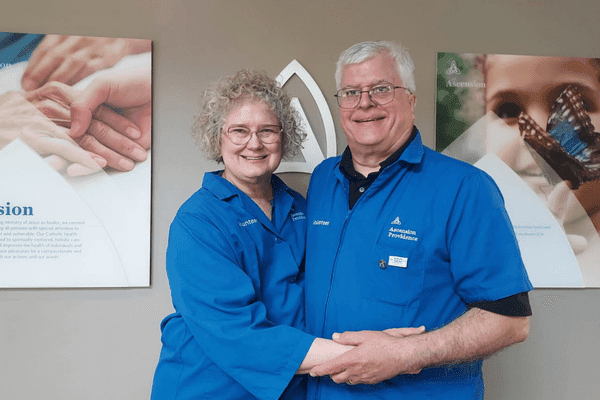
July 20, 2026
After years of serving patients and families as volunteers at Ascension Providence in Waco, Texas, Richard and Carolyn Skurla experienced the same compassionate care firsthand.
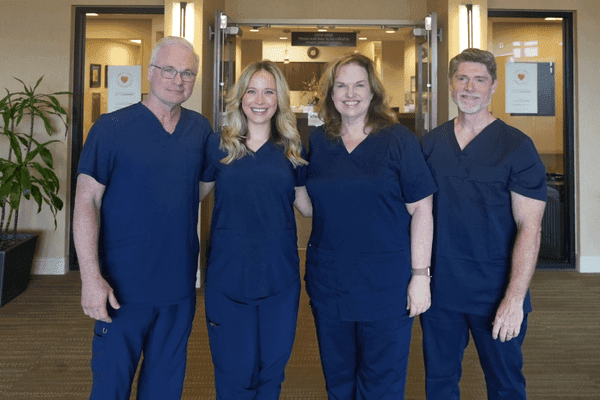
July 1, 2026
At Ascension Providence in Waco, Texas, four family members are caring for patients together, bringing more than 100 years of combined healthcare experience to the community.
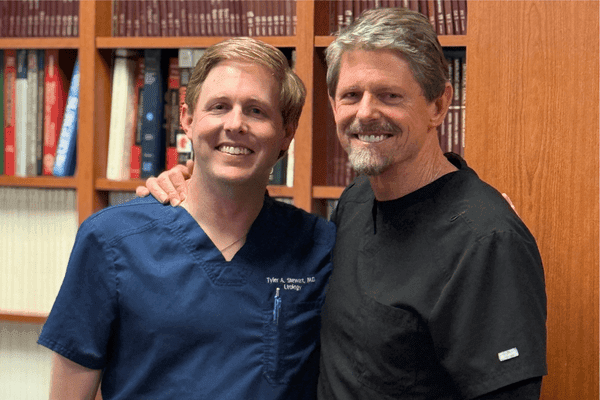
June 30, 2026
Learn when to start prostate cancer screening, recognize common urologic warning signs and take charge of your health with guidance from Ascension Medical Group Providence urology specialists.
February 3, 2026
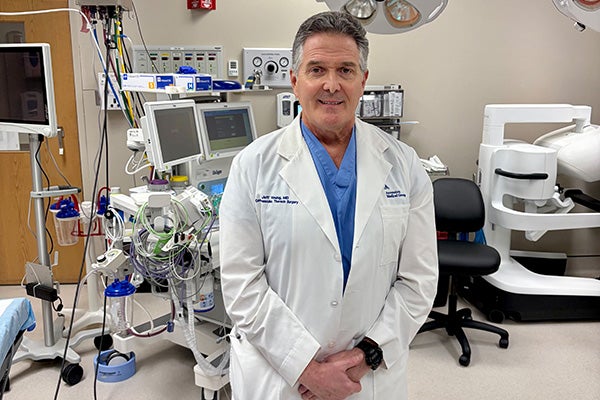
Since returning home in 1996, Donald “Jeff” Young, MD, cardiothoracic surgeon at Ascension Providence in Waco, Texas, has provided decades of advanced cardiovascular care to the community.
January 12, 2026
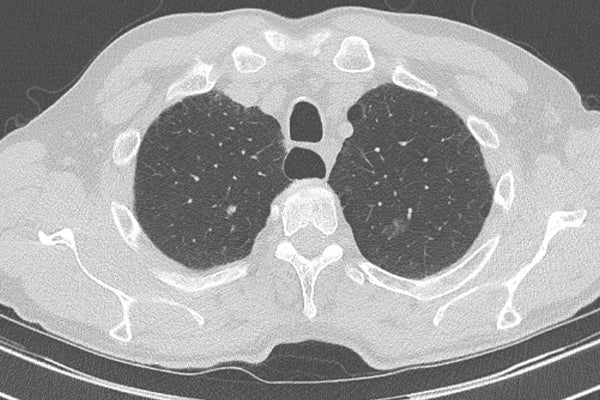
Ascension Seton and Ascension Providence offer a range of lung cancer care services focused on early detection and screening in Central Texas.
December 11, 2025
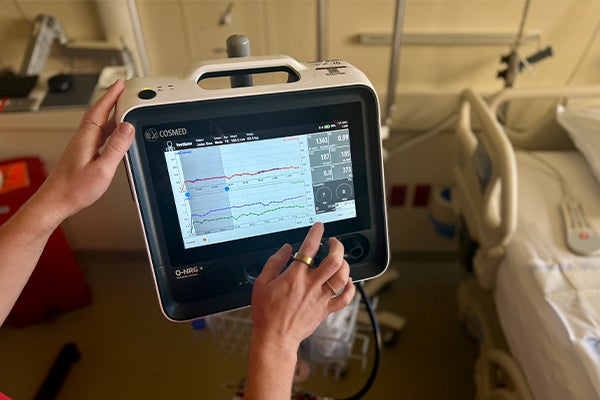
Ascension Seton Medical Center Austin is the first to use an advanced metabolic monitor that helps care teams understand the energy needs of ICU patients in Central Texas.

November 11, 2025
This Veterans Day, Ascension Seton and Ascension Providence honor the veterans who are part of the Central Texas communities we serve.

October 28, 2025
To make sure your family enjoys a happy and healthy celebration, the team at Dell Children’s has gathered tips for staying safe on Halloween.

If incidents occur this Fourth of July, knowing where and when to get immediate and emergency care is important.

June 23, 2025
Ascension urgent care and orthopedic teams are here to help you manage your summer injury.

November 15, 2023
A prayer for peace to help guide your daily reflections.

Comprehensive Fetal Care Center at Dell Children's Medical Center provides advanced surgery options for complex in-utero conditions in Central Texas.

Families find support and emotional health care for conditions like anxiety in children at Dell Children’s Medical Center.

Austin family finds comfort from Dell Children’s Medical Center fetal cardiac program that repaired their son’s heart with three surgeries.