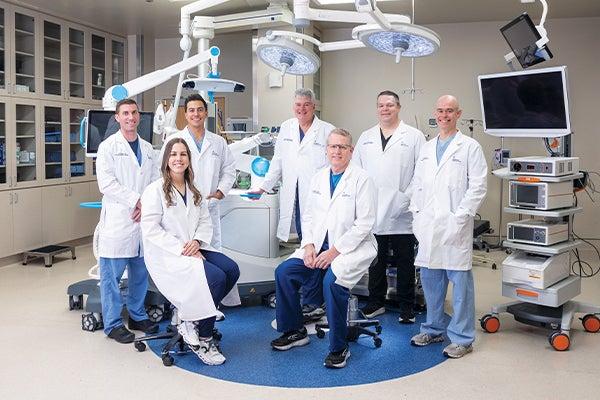
Comprehensive joint care in Waco
August 28, 2026
Ascension Providence in Waco, Texas offers personalized joint replacement care with fellowship-trained orthopedic surgeons, advanced techniques and nationally recognized quality outcomes.
Give your heart the attention it deserves. Appointments are available with leading AFib specialists at Ascension Providence in Waco and Central Texas.

Give your heart the attention it deserves. Appointments are available with leading AFib specialists at Ascension Providence in Waco and Central Texas.
When you choose Ascension Providence, your heart care team collaborates, working together with you and for you. Your doctor understands your healthcare needs and goals. And all your caregivers are communicating and collaborating as a team. At Ascension Providence, our care team supports you before, during and after your surgery, to help you return to the regular daily activities and those you love. We monitor your health and provide cardiac rehab and medication management.
Electrophysiologists specialize in arrhythmias, such as atrial fibrillation (AFib), a type of arrhythmia where your heart beat is irregular, either too fast or too slow. It is a heart rhythm disorder that can be a sign of a more serious condition. Other symptoms of AFib may include chest pain, sweating, fatigue, shortness of breath, and weakness. AFib may come and go and affect how your heart pumps blood through your body, increasing your risk for stroke and congestive heart failure.
Common symptoms heart arrhythmias include:
Your doctor may recommend a series of tests as part of your care plan. EKGs, stress tests and blood tests are used to help detect an irregular heartbeat. You and your doctor will work together to choose a treatment option that is right for you.
Our heart care teams use ambulatory heart monitoring to help detect and evaluate irregular heart rhythms that may not appear during an office visit. These simple tests record your heart’s activity while you go about your daily routine, giving your cardiologist a better understanding of your heart health.
Ambulatory monitors are small, wearable devices that record your heart’s electrical activity over a period of time to identify irregular heart rhythms (arrhythmias). This diagnostic tool helps guide treatment decisions, and monitor how well your current heart care plan is working.
A blood test is a lab analysis of things that may be found in your blood. You may have blood tests to keep track of how well you are managing a condition, such as diabetes or high cholesterol. You may also have them for routine checkups or when you are ill.
A chest X-ray is a quick, noninvasive imaging test that provides a detailed picture of the inside of your chest, helping your care team detect signs of a heart condition.
Our cardiology team uses advanced diagnostic tools and expertise to accurately identify a wide range of cardiac issues, ensuring you receive the right care as early as possible.
Our cardiology team uses advanced diagnostic tools and expertise to accurately identify a wide range of cardiac issues, ensuring you receive the right care as early as possible.
Our electrophysiology (EP) team performs advanced EP studies to diagnose the source and type of arrhythmias accurately. Using specialized catheters and real-time mapping, we evaluate your heart's electrical activity to guide the best treatment plan for your heart condition.
Your electrophysiologist may recommend a loop recorder implantation to help diagnose irregular heart rhythms that may be difficult to detect with standard monitoring. This small device is placed just under the skin to record your heart's activity over time continuously. If the monitoring shows that you have a heart condition, your doctor will work with you to create a treatment plan that is right for you.
This is also called a treadmill or exercise ECG. This test is done to monitor the heart while you walk on a treadmill or pedal a stationary bike. Your doctor also monitors your breathing and blood pressure. A stress test may be used to detect coronary artery disease, or to determine safe levels of exercise after a heart attack or heart surgery. This test can also be done using special medicines that stress the heart in a similar manner as exercise does. Sometimes a stress test will collect ECG information along with heart ultrasound pictures. This is called an exercise or stress echocardiogram (echo). It's more sensitive and specific than ECG stress testing alone.
Treatment for AFib and other heart arrhythmias may include medication, therapy or surgery.
Cardiac resynchronization therapy (CRT) is treatment to help restore the normal rhythm (timing pattern) of the heartbeat. A CRT pacemaker is a specific type of pacemaker with an additional wire that goes to the left side of the heart. This allows it to coordinate the timing between the left and right sides of the heart.
Cardioversion is a procedure that uses controlled electrical energy or medication to restore the heart to a normal rhythm. It may be recommended for people experiencing certain irregular heartbeats, including atrial fibrillation.
Left atrial appendage (LAA) closure procedures help reduce stroke risk in patients with non-valvular AFib who are unable to take long-term blood thinners. Using minimally invasive procedures such as the WATCHMAN™ device, heart specialists close off the LAA to prevent blood clots from entering the bloodstream and causing a stroke.
Your cardiologist might recommend a pacemaker if you have irregular heartbeats, a slow heart rate or are experiencing heart block. A pacemaker helps keep your heart regulated by sending electric signals to your heart if it senses trouble. The device is implanted under the skin and helps improve symptoms such as fatigue, dizziness and fainting.
We offer radiofrequency or catheter ablation to treat certain types of arrhythmias, including AFib and supraventricular tachycardia (SVT). During this minimally invasive procedure, a catheter is guided through a blood vessel to the heart, where targeted heat energy is used to interrupt abnormal electrical signals and restore a normal heart rhythm.
There are four types of catheter ablation:
A VAD also known as a heart pump is a mechanical device used to help the pumping function for one or both of the heart's pumping chambers (ventricles). It may be needed when heart failure gets to the point that medicines and other treatments no longer work. A VAD can help someone's heart work when they are waiting for a heart transplant. Or when someone is waiting to see if they are a candidate for a transplant. A VAD can also be a permanent treatment. And it can help a person's heart recover after surgery.
Find a doctor by calling or scheduling an appointment online. Ask if a virtual visit is an option for your care. Need a second opinion appointment? Our team can help. Schedule a consultation today.
It's easy to get a second opinion at Ascension Providence. We can review your medical records and healthcare history to answer your questions and discuss options for restoring or correcting your heart’s rhythm. Talk with one of our doctors about a personalized heart care plan.
When you are facing a new diagnosis or are deciding on a surgical or therapeutic treatment plan, there’s a lot to think about. If you are looking for a second opinion for advanced heart care, your heart care team can also connect you with the right specialists for minimally invasive surgery, including WATCHMAN™, MitraClip and ablation. Our heart and vascular specialists can provide a second opinion, based on our experience and as part of a national care team.
Before your appointment, check with your insurance company to find out if a second opinion is covered. We can request your medical records on your behalf, so that they can be shared with your care team before your arrival.
If you are experiencing a life-threatening emergency, go directly to the ER or call 911.
All registered marks are property of their respective owners. All rights reserved.
August 28, 2026
Ascension Providence in Waco, Texas offers personalized joint replacement care with fellowship-trained orthopedic surgeons, advanced techniques and nationally recognized quality outcomes.
July 20, 2026
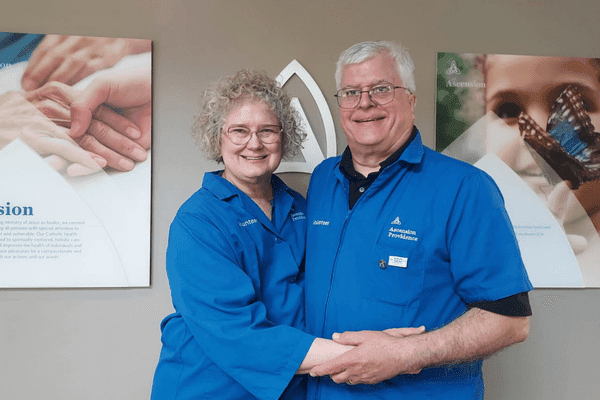
After years of serving patients and families as volunteers at Ascension Providence in Waco, Texas, Richard and Carolyn Skurla experienced the same compassionate care firsthand.
July 1, 2026
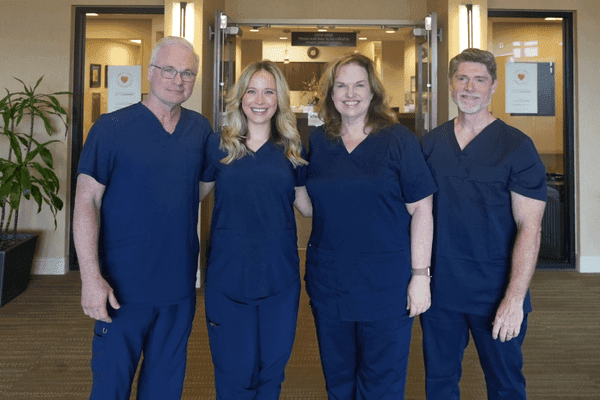
At Ascension Providence in Waco, Texas, four family members are caring for patients together, bringing more than 100 years of combined healthcare experience to the community.
June 30, 2026
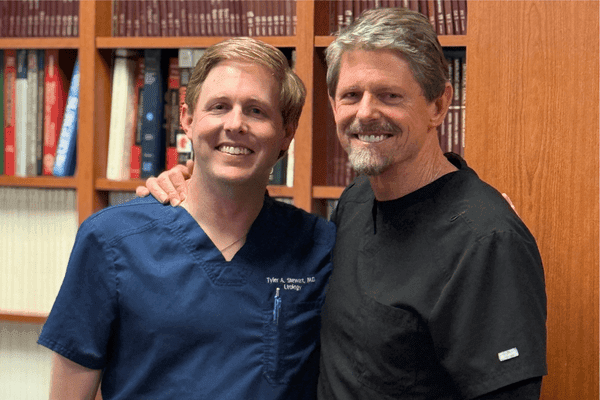
Learn when to start prostate cancer screening, recognize common urologic warning signs and take charge of your health with guidance from Ascension Medical Group Providence urology specialists.
February 3, 2026
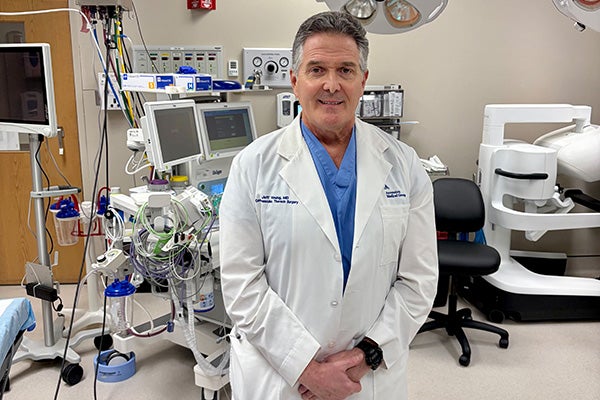
Since returning home in 1996, Donald “Jeff” Young, MD, cardiothoracic surgeon at Ascension Providence in Waco, Texas, has provided decades of advanced cardiovascular care to the community.
January 12, 2026
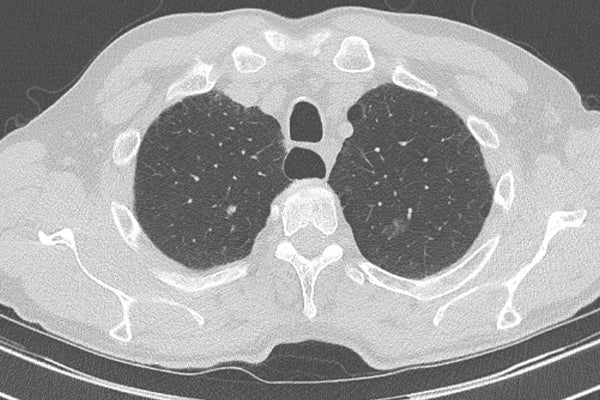
Ascension Seton and Ascension Providence offer a range of lung cancer care services focused on early detection and screening in Central Texas.
December 11, 2025
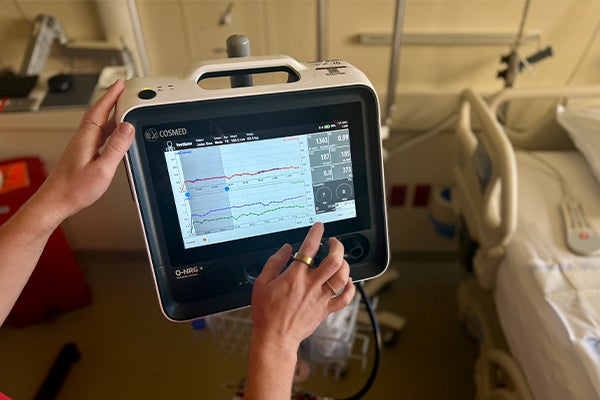
Ascension Seton Medical Center Austin is the first to use an advanced metabolic monitor that helps care teams understand the energy needs of ICU patients in Central Texas.

November 11, 2025
This Veterans Day, Ascension Seton and Ascension Providence honor the veterans who are part of the Central Texas communities we serve.

October 28, 2025
To make sure your family enjoys a happy and healthy celebration, the team at Dell Children’s has gathered tips for staying safe on Halloween.

If incidents occur this Fourth of July, knowing where and when to get immediate and emergency care is important.

June 23, 2025
Ascension urgent care and orthopedic teams are here to help you manage your summer injury.

November 15, 2023
A prayer for peace to help guide your daily reflections.
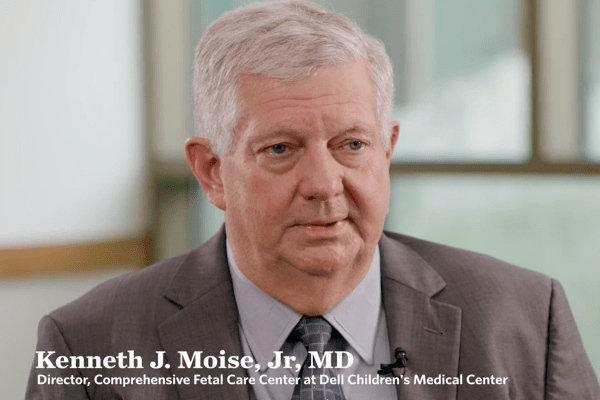
Comprehensive Fetal Care Center at Dell Children's Medical Center provides advanced surgery options for complex in-utero conditions in Central Texas.

Families find support and emotional health care for conditions like anxiety in children at Dell Children’s Medical Center.

Austin family finds comfort from Dell Children’s Medical Center fetal cardiac program that repaired their son’s heart with three surgeries.