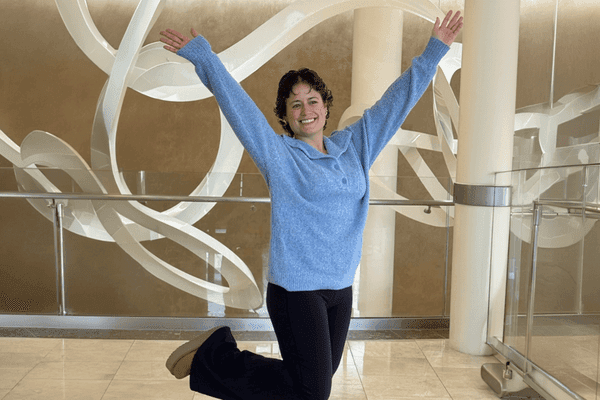
Triple-negative breast cancer at 22
July 29, 2026
In February 2025, 22-year-old Shelby Bennoit became cancer-free after treatment for stage 2B triple-negative breast cancer at Ascension Saint Agnes in Baltimore.

Oncologists and care teams at Ascension Saint Agnes Hospital Cancer Institute deliver compassionate, personalized breast cancer care focused on you
At the Ascension Saint Agnes Breast Center and Ascension Saint Agnes Hospital Cancer Institute in Baltimore our experienced breast cancer specialists are part of a national team of doctors, sharing best practices and advanced treatment options for breast cancer — bringing the best of oncology care close to home. When you choose Ascension Saint Agnes, you get a multidisciplinary team of doctors that prioritize early and personalized treatment, including board-certified, fellowship-trained breast surgeons, breast radiologists, medical oncologists and radiation oncologists, along with a care navigator and a dedicated team of oncology nurses, dietitians and cancer specialists.
The Ascension Saint Agnes Breast Center is recognized by the National Accreditation Program for Breast Centers (NAPBC), delivering advanced diagnostic tests, high-quality treatments and follow-up care.
Your doctors and care team at Ascension Saint Agnes deliver a customized care plan for your cancer. We treat many types of breast cancer, including:
The latest imaging supports mammogram screening and diagnostic tests for advanced care, including 3D mammograms, breast ultrasound, abbreviated breast MRI and magnetic seed and needle (wire) localization biopsy.
At Ascension Saint Agnes Breast Center, we offer a comprehensive approach to identifying and monitoring your risk for developing breast cancer.
Breast reconstruction is surgery to create a new breast shape in place of a breast that has been removed (mastectomy). It can be done with implants or with tissue from another part of your body. Sometimes both are used to rebuild a breast shape. The breast mound created comes as close as possible to the shape and look of a natural breast.
Surgery may be done to reconstruct either one breast (unilateral) or both breasts (bilateral). The goal of the unilateral reconstruction is to create a breast mound that matches the other breast. If both breasts have been removed, the goal of the surgery is to create both breast mounds about the size of your natural breasts.
Hormones are chemicals made by glands, like the thyroid, pancreas, adrenal glands, ovaries and testicles. Hormones help some types of cancer cells grow. Some cancers that might be sensitive to hormones and be treated with hormone therapy include breast, prostate, thyroid, endometrial, and adrenal cancers. Hormone therapy can make the cancer cells grow more slowly or stop them from growing.
As a cancer treatment, hormone therapy may mean taking medicines that block the activity of the hormone, prevent the body from producing the hormone or alter the hormone. Sometimes hormone therapy involves surgically removing the gland that's making the hormones.
During a mastectomy, your surgeon removes all or part of your breast or breasts to treat breast cancer. There are several types of mastectomy, including total mastectomy and partial mastectomy. Your breast surgeon will discuss your options with you.
Specially trained physical therapists deliver therapy to help manage lymphedema symptoms, such as swelling and pain.
Advanced radiation therapy is used to target and destroy cancer cells while preserving the surrounding healthy tissue.
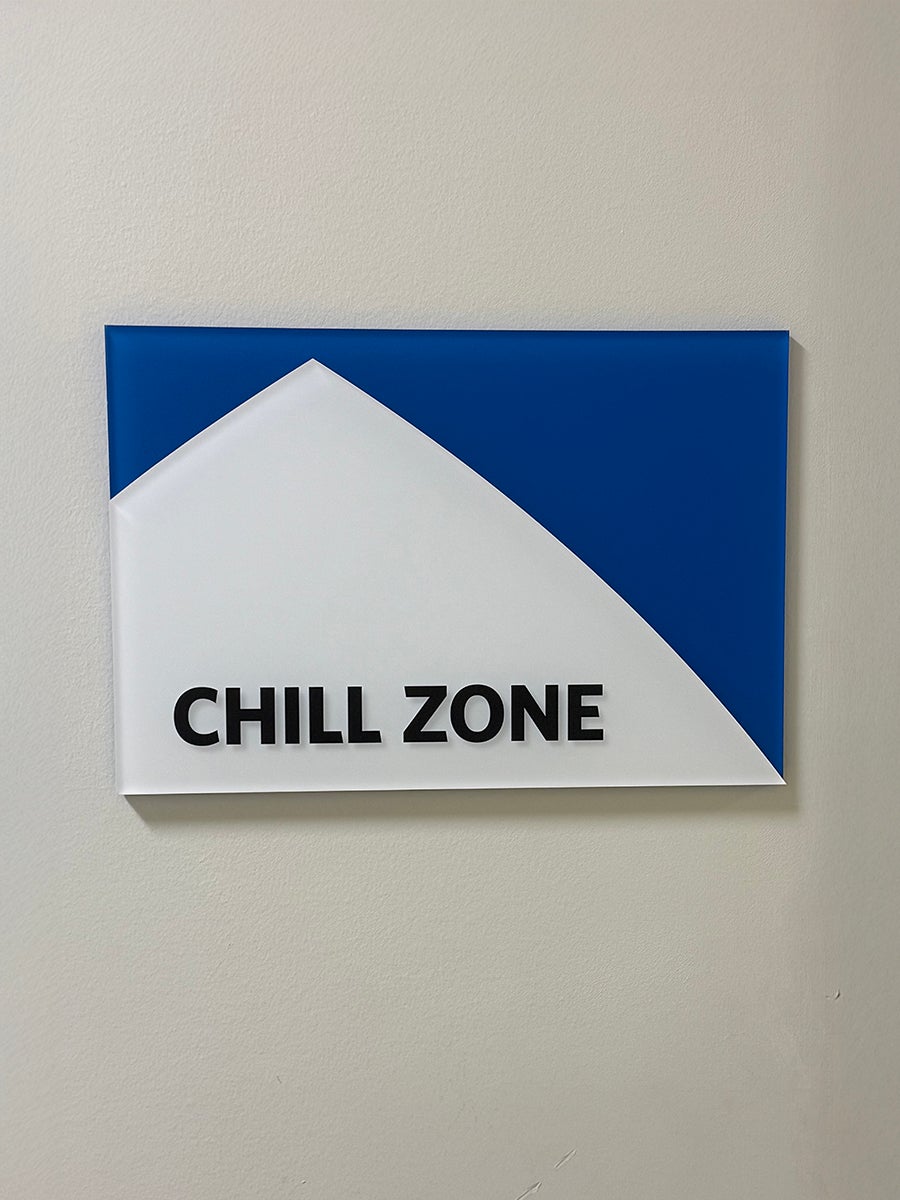
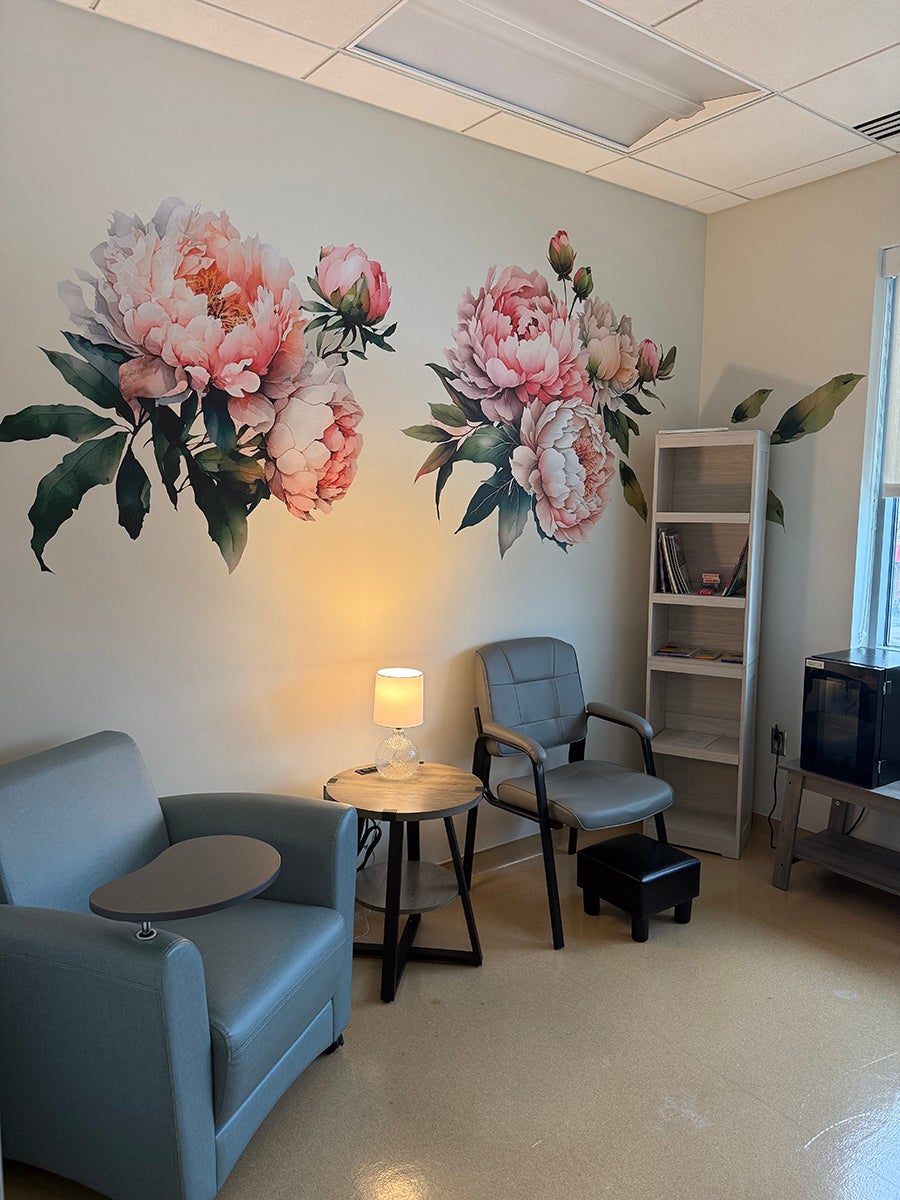
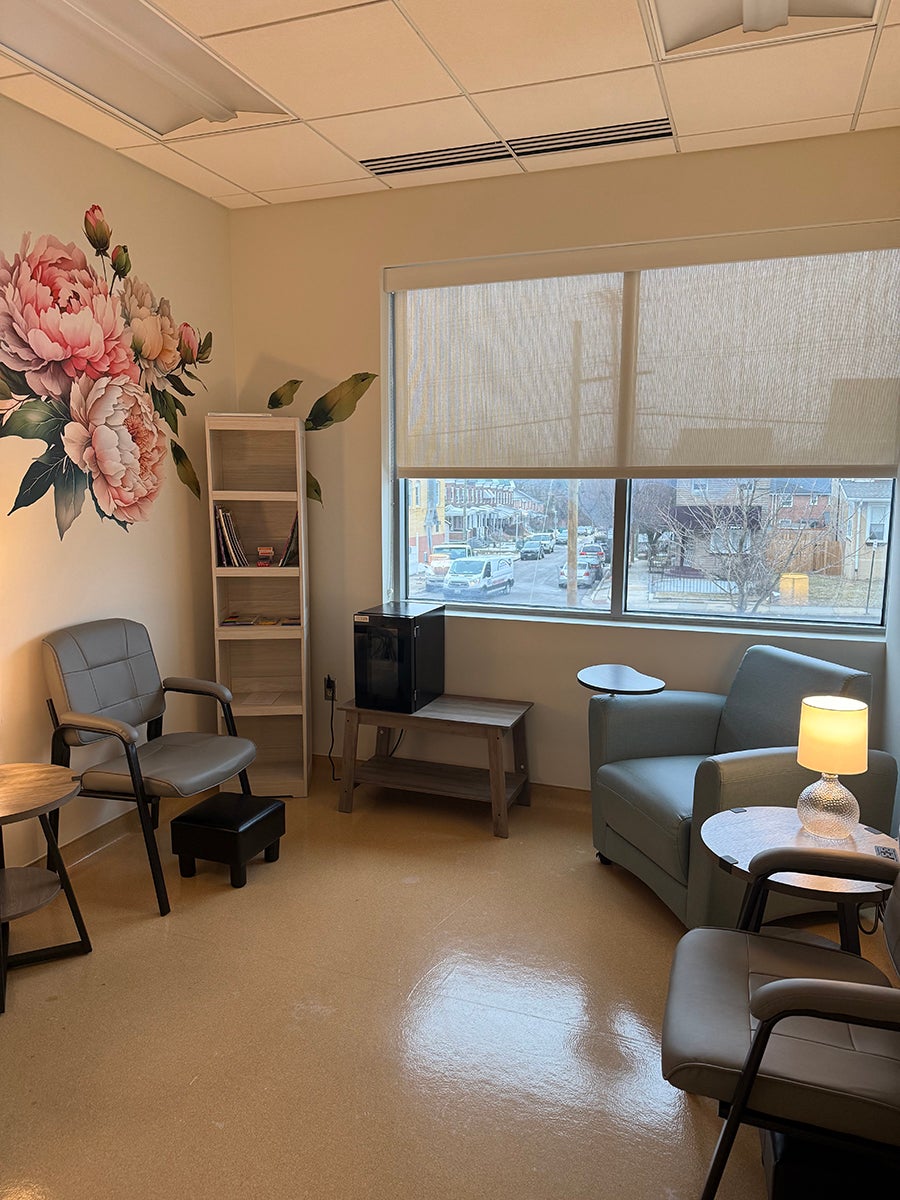
Ascension Saint Agnes offers the Cooler Heads Amma™ Scalp Cooling System to help eligible patients reduce chemotherapy-related hair loss during select treatments, supporting comfort and confidence throughout their cancer journey. Patients enrolled in the program receive treatment in our dedicated “Chill Zone,” a private, welcoming space designed to promote relaxation during scalp cooling sessions. Our care team provides guidance and support throughout the process to provide a comfortable experience.
Your cancer care team provides support from nutrition education and counseling to breast cancer support groups and spiritual care. At Ascension Saint Agnes Hospital Cancer Institute, our healing gardens and chapels are always open to patients and their loved ones. We offer supportive care and activities for the whole you.
Get the confidence and peace of mind that your doctor and care plan are right for you. It's easy to get a second opinion at Ascension Saint Agnes Hospital Cancer Institute. Our breast cancer specialists in Maryland can review your medical records and healthcare history to answer your questions and discuss options.
Before your appointment, check with your insurance company to find out if a second opinion is covered. We can request your medical records on your behalf, so they can be shared with your care team before your arrival.
At Ascension Saint Agnes Hospital Cancer Institute, your doctor and care team get to know you well, and you’ll receive care for the whole person — from physical health and well-being to mental and emotional health to support for your family and caregivers. AWe provide innovative medication treatments, the latest surgical technologies and techniques, high-tech radiation facilities and support services. Our breast surgeons are part of a national team of cancer specialists sharing the latest in cancer care knowledge and research.
Our Baltimore breast cancer specialists we provide many advanced treatments, including:
Please call us at 667-234-2918 for information on how to obtain a referral. If you are a provider referring a patient, call 667-234-2918.
If you are experiencing a life-threatening emergency, go directly to the ER or call 911.
All registered marks are property of their respective owners. All rights reserved.
July 29, 2026
In February 2025, 22-year-old Shelby Bennoit became cancer-free after treatment for stage 2B triple-negative breast cancer at Ascension Saint Agnes in Baltimore.
July 24, 2026
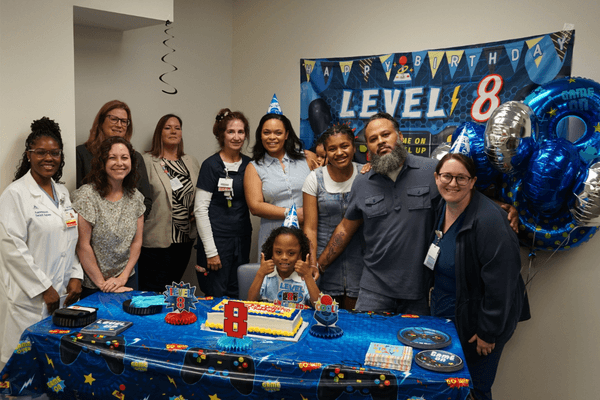
A former 24-week preemie returned to Ascension Saint Agnes Hospital in Baltimore to celebrate his eighth birthday and reunite with the NICU team that saved his life.
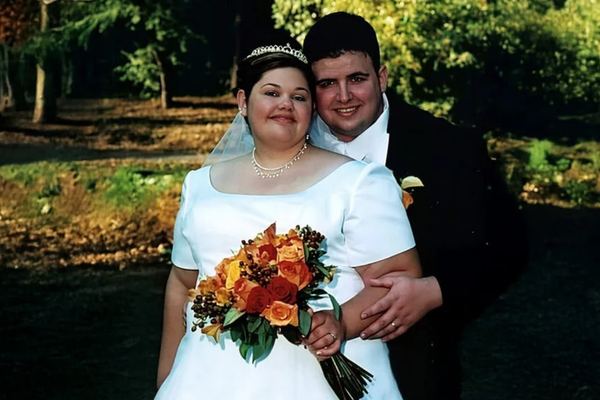
A Maryland couple decides to make a new commitment in their marriage by getting bariatric surgery at Ascension Saint Agnes Weight-Loss Program in Baltimore, Maryland.

If incidents occur this Fourth of July, knowing where and when to get immediate and emergency care is important.

June 23, 2025
Ascension urgent care and orthopedic teams are here to help you manage your summer injury.