Pancreatic liver and biliary cancer care in Jacksonville

Oncologists and care teams at Ascension St. Vincent Cancer Center deliver compassionate, personalized lung cancer care

Pancreatic liver and biliary cancer care in Jacksonville

Cancer specialists at Ascension St. Vincent’s Cancer Care in Jacksonville deliver advanced care for pancreatic, liver and biliary cancer

About pancreatic, liver and biliary cancer care

Being diagnosed with cancer can leave you with a lot of questions and concerns. We’re here to listen to you. Ask us your questions — big and small. By getting to know you and your health, we deliver the cancer care that’s right for you. Ascension St. Vincent’s Cancer Care in Jacksonville specializes in diagnosing and treating pancreatic cancer, liver cancer and other bile duct cancers.

Whether you’ve recently received a cancer diagnosis, or are looking for a second opinion, we’re here for you.

Why choose Ascension St. Vincent’s for cancer care cancer care

When you choose Ascension St. Vincent’s for cancer care, you get a multidisciplinary team dedicated to your care. Our team of surgical and medical oncologists, radiation oncologists, gastroenterologists, general and interventional radiologists, pathologists, genetic counselors, palliative care specialists and dietitians work together to deliver highly specialized care. If you have complex cancer, we have a team of specialists that meet regularly to review and discuss your imaging and diagnosis. Together, we create a personalized care plan that’s right for you.

We offer:

  • Advanced, noninvasive treatment options
  • Coordinated care through a dedicated navigator
  • Multidisciplinary tumor board care
  • Rapid access to specialists

Types of pancreatic, liver and biliary cancer

Your doctors and care team deliver a customized care plan for you. We specialize in diagnosing and treating many types of pancreatic, liver and biliary cancers, including:

  • Bile duct cancer (cholangiocarcinoma)
  • Chronic liver diseases (NASH, Hepatitis A,B and C)
  • Colorectal cancer
  • Cystic lesions of the pancreas
  • Gallbladder cancer
  • Klatskin tumors
  • Liver cancer
  • Liver cysts
  • Metastatic tumors (breast, melanoma)
  • Pancreatic adenocarcinoma
  • Pancreatic cancer
  • Pancreatic neuroendocrine tumors
  • Pancreatitis
How we diagnose pancreatic, liver and biliary cancer

Your care team at Ascension St. Vincent’s focuses on identifying if the tumor is noninvasive or invasive, understanding where the tumor began and whether or not the cancer has spread. We use advanced molecular studies to recognize pancreatic cancer subtypes to create a care plan for your type of cancer.

To diagnose pancreatic, liver and biliary cancer, your doctor may recommend testing, such as:

A biopsy evaluates tissue or cells to help diagnose cancer and determine its stage.

Blood tests measure substances found in your blood and can help detect or monitor certain conditions, including cancer.

CT scans use X-rays and a computer to make 3-D images of your body. A CT scan can show any part of your body, including bones, muscles, fat, blood vessels, and organs. CT scans are more detailed than X-rays.

MRIs use a strong magnet, radio waves and a computer to make detailed images of organs and other structures inside your body. An MRI is often used to look at the heart, brain, liver, pancreas, male and female reproductive organs and other soft tissues. MRIs can show even small changes in tissues. They can assess blood flow, find tumors and diagnose many forms of cancer, evaluate infections and assess injuries to bones and joints.

Ultrasounds use high-energy sound waves to create images of blood vessels, tissues and organs.

How we treat pancreatic, liver and biliary cancer

Cancer is personal — and so is how we care for you. Your doctor will recommend a treatment plan based on your diagnosis, health and other factors. Our multidisciplinary team offers many different treatment options, including:

An Aspira drain (often called an Aspira drainage catheter) is a medical device used to remove excess fluid from the body, usually in people with cancer or chronic conditions.

Chemotherapy (or chemo) uses medications that travel through the bloodstream to destroy cancer cells

Often shortened to “SpyGlass,” this minimally invasive endoscopic procedure allows your doctor to see directly inside the bile ducts and perform targeted diagnosis or treatment.

ERCP is a procedure used to diagnose and treat problems in the liver, gallbladder, bile ducts and pancreas. During the procedure, your care team gently guides a thin, flexible tube with a light and camera through your mouth into your stomach and small intestine to look for any concerns. They may then inject a special dye into the bile and pancreatic ducts so these areas show clearly on X-ray images, helping identify blockages or other issues. Your team will support you throughout and focus on keeping you as comfortable as possible.

An EUS is a procedure which allows doctors to capture precise images of the digestive tract and nearby organs, including the pancreas, liver and bile ducts. It uses a thin, flexible tube with both a camera and an ultrasound probe on the tip, which is gently guided through the mouth into the stomach and small intestine. From this close position, the ultrasound can create clear images of structures that are hard to see from outside the body. If needed, the doctor can also take small tissue samples (biopsies) during the procedure to help make a diagnosis.

A gastrointestinal (GI) endoscopy is a procedure that lets doctors look inside the digestive tract using a thin, flexible tube with a camera. It can be passed through the mouth or rectum to examine areas like the esophagus, stomach or colon, and can also be used to take biopsies or treat certain conditions while keeping you as comfortable as possible.

Uses imaging guidance to perform minimally invasive procedures by opening blocked blood vessels to deliver targeted medication therapies for diagnosis and treatment.

Irreversible electroporation is a minimally invasive treatment that uses short pulses of electrical energy to destroy cancer cells. Thin needles are placed around the tumor, and the electrical pulses create tiny openings in the cancer cells, causing them to die while helping preserve nearby important structures like blood vessels and ducts. IRE is sometimes used for tumors in areas that are difficult to treat with surgery, such as the pancreas or liver.

Liver ablation therapy is a treatment that destroys tumors in the liver without surgery. A doctor uses imaging to guide a thin needle into the tumor and applies heat, cold or other energy to kill the cancer cells, while protecting as much healthy liver tissue as possible.

Percutaneous biliary drainage (PBD) is a procedure used to relieve a blockage in the bile ducts and help bile flow properly again.

A percutaneous biopsy is a procedure used to take a small sample of tissue from inside the body using a needle inserted through the skin.

Port placement is a simple procedure to place a small device, called a port, under the skin, usually in the chest. The port gives your care team easy, reliable access to your bloodstream for chemotherapy, immunotherapy, IV medications, fluids, blood transfusions and blood draws. Having a port can make treatment more comfortable by reducing the number of needle sticks needed in your arm.

Radiation therapy kills cancer cells with beams of high-energy X-rays (called photons) or charged particles (called electrons or protons). It can be used in many ways. It depends on the type of cancer you have and where it is in your body.

Surgery is a procedure to remove cancer from the body. Surgery may help treat the cancer, relieve symptoms or help you feel better.

TIPS is a procedure used to improve blood flow through the liver when there is high pressure in the liver’s blood vessels (called portal hypertension).

Transarterial liver-directed therapy is a group of minimally invasive treatments that deliver medication or radiation directly to tumors in the liver through the blood vessels..

Histotripsy: A noninvasive treatment for liver tumors

Histotripsy is a noninvasive interventional radiology treatment that uses high-intensity ultrasound waves to treat liver tumors without incisions, needles or radiation. Guided by real-time ultrasound, your care team can precisely target and destroy tumor tissue while protecting the surrounding healthy tissue.

During histotripsy, a treatment device placed inside a soft, water-filled membrane is placed against your abdomen. The device sends focused sound waves to the tumor, creating tiny bubbles that rapidly expand and collapse, breaking apart the tumor.

Most tumors can be treated in a single session, though some patients may need additional treatments based on their individual care plan.Because histotripsy does not require an incision, it may reduce the risk of infection and bleeding and support a shorter recovery time.

For more information or to speak with a patient navigator, call 904-308-6859.

Get a second opinion from a cancer specialist

There’s a lot to think about when you’re facing a cancer diagnosis and deciding on a treatment plan. Getting a second opinion not only provides more information about your condition, but it may also increase your confidence in your care plan.

If you’re looking for help with a second opinion, we help match you with the right specialist. Our caring staff will work with you to secure an appointment and collect your medical records. Ask if a virtual care (e.g, telehealth or online) visit is an option for your second opinion consultation.

TALK TO A CANCER NAVIGATOR – 904-308-6859

Providers: Refer a patient

Your patients can expect compassionate, personalized care from the moment our specialists connect with them. Our specialists start by listening to fully understand their needs and to develop an individualized care plan.

To make a referral, please call 317-338-7070

Featured locations

Ascension St. Vincent's Riverside Mary Virginia Terry Cancer Center
2 Shircliff Way #O
Jacksonville, FL 32204
904-388-2619

If you are experiencing a life-threatening emergency, go directly to the ER or call 911.

All registered marks are property of their respective owners. All rights reserved.

Stories you'll love

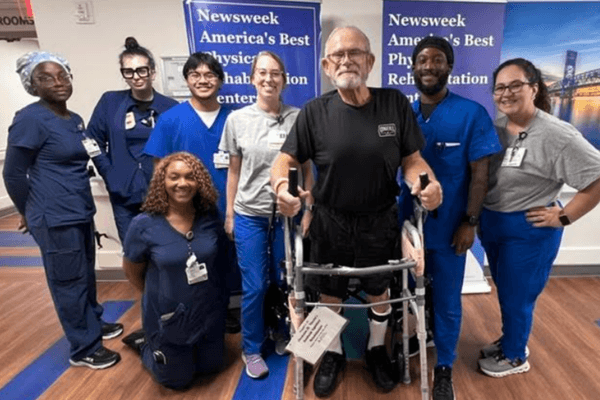
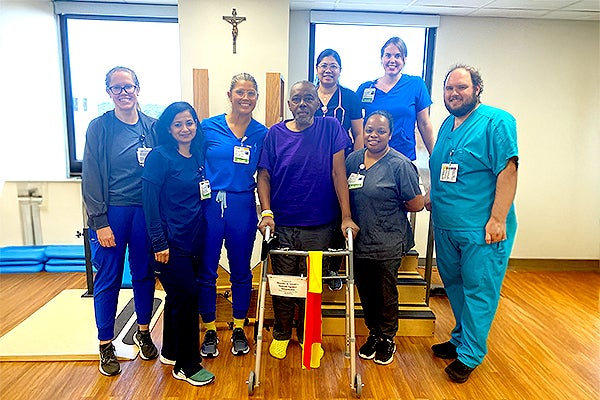
Mark stands with a walker surrounded by members of his rehabilitation care team.

Walking toward independence at Southside

September 2, 2026

At Ascension St. Vincent's Southside in Jacksonville, one patient's journey toward independence began with expert spine care from Dr. Stephen Parker.

Dr. Martino standing outdoors beside a smiling woman in front of a medical building.

After a routine gynecology visit revealed stage three cervical cancer, Kristina began treatment with Martin Martino, MD, gynecologic oncologist at Ascension St. Vincent’s Riverside in Jacksonville, Florida.

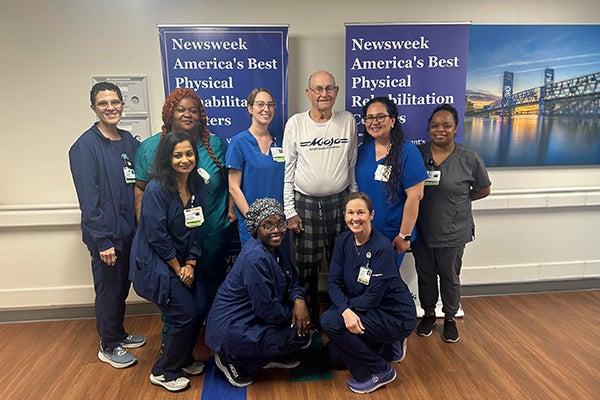
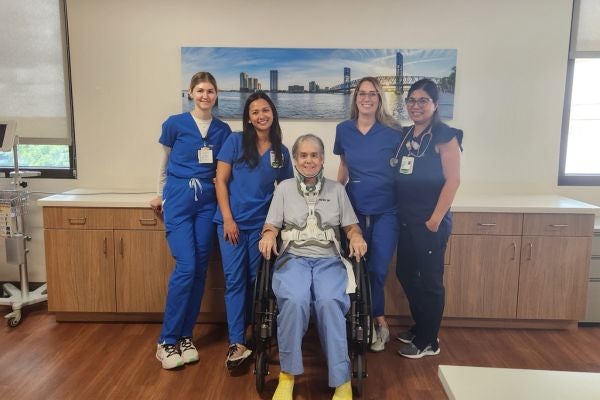
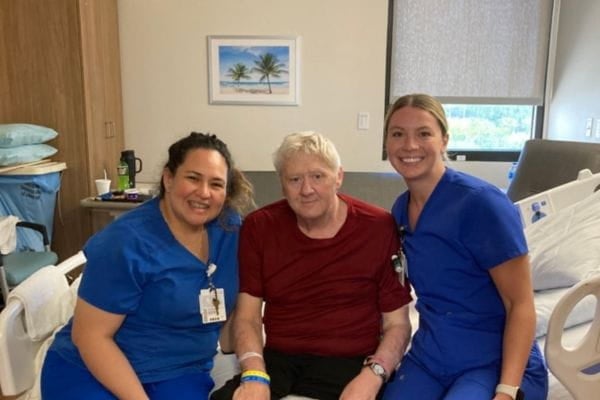
Mr. Santorelli sits with his rehabilitation care team

After a spine cancer diagnosis, Mr. Santorelli turned to Dr. Stephen Parker, neurosurgeon, and the care team at Ascension St. Vincent’s in Jacksonville, Florida, for spinal surgery and rehabilitation to find relief from pain and regain strength and independence.

READ MORE STORIES