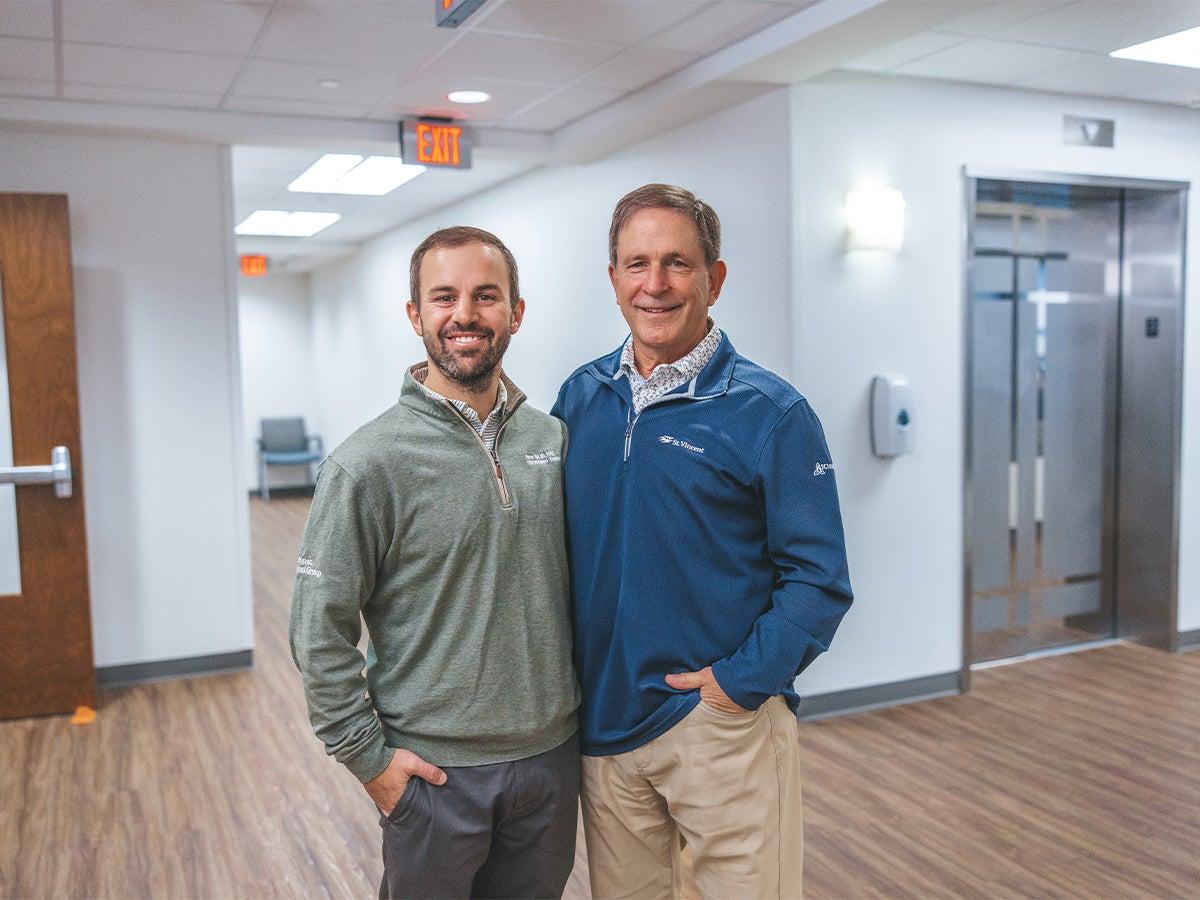
At Ascension St. Vincent Heart Center, father-son interventional cardiologists Michael and Kevin Ball share a calling, a specialty and a commitment to caring for patients.

Cancer specialists at Ascension St. Vincent in Indianapolis deliver personalized care for brain and spine cancer
At Ascension St. Vincent in Indianapolis, our experienced brain and spine cancer specialists are part of a national network of physicians, sharing best practices and advanced treatment options for central nervous system cancers, including brain and spinal tumor care — bringing the best of oncology care close to home.
When you choose Ascension St. Vincent, you get a multidisciplinary team that prioritizes early and personalized treatment delivered by board-certified, fellowship-trained neurosurgeons, neurologists, neuroradiologists, medical oncologists and radiation oncologists, along with a care navigator and a dedicated team of oncology nurses, dietitians and other cancer specialists. Your doctors and care team will develop a customized care plan from diagnosis through survivorship.
Along the way, your care may include imaging, lab tests, pharmacy support, physical therapy or other speciality services. You do not have to navigate your care alone.
Upon your cancer diagnosis or when you come to us during your cancer care, you’re paired with a cancer care navigator to help coordinate appointments and connect you with the services you need.
Your doctors and care team at Ascension St. Vincent deliver a customized care plan for you. We treat many types of brain and spine cancers, including:
Our brain and spine specialists also provide care for meningioma and other rare conditions affecting the brain and spinal cord.
Cancer specialists who know you and your condition review your treatment and progress. Your care team focuses on identifying whether the tumor is noninvasive or invasive, determining where the tumor began and whether the cancer has spread. We use advanced molecular and genetic testing to help guide treatment planning.
To diagnose brain and spine cancer, your doctor may recommend testing, such as
Cancer research and clinical trials can give you access to new treatments, often before they become widely available. Talk to your doctor to learn whether cancer clinical trials are the right option for you.
Cancer is personal, and so is the way we care for you. At Ascension St. Vincent, you’re never alone. You’ll have face-to-face visits with your doctor and an entire care team dedicated to your care — connecting the dots for you. Your doctor and care navigator will take the time to answer all your questions — big and small.
By getting to know you and working together, your care team develops a plan based on your goals and needs. And with a plan, comes hope. Our goal is to help you recover faster so you can get back to your daily life.
Get the confidence and peace of mind that your doctor and care plan are right for you. It's easy to get a second opinion at Ascension St. Vincent. We can review your medical records and healthcare history to answer your questions and discuss options.
When you’ve received a new brain cancer diagnosis or are deciding on a surgical or therapeutic treatment plan, there’s a lot to think about. Our cancer specialists in Evansville and Indianapolis can provide a second opinion, based on our experience and as part of a national team.
Before your appointment, check with your insurance company to find out if a second opinion is covered. We can request your medical records on your behalf, so they can be shared with your care team before your arrival.
To make an appointment with a spine or brain cancer specialist, you’ll need a referral from your primary care doctor or another specialist. Once we receive and review your referral, we’ll contact you to schedule an appointment with a neurologist.
Your doctor and care team get to know you well, and you’ll receive care for the whole person — your physical and mental health. We also provide compassionate, personalized support for your family and caregivers. At Ascension St. Vincent, we provide innovative medication treatments, the latest surgical technologies and techniques, high-tech radiation facilities and support services. Our brain cancer specialists are part of a national team of cancer specialists sharing the latest in cancer care knowledge and research.
At Ascension St. Vincent, you get an entire team dedicated to your care. You may have many concerns and questions. Your doctor and care team are ready to listen and answer your questions. Working together, we offer services that help support your treatment plan, including managing headaches, vision changes, problems with balance, medications, appetite changes, sleeplessness, fatigue and mood changes. Your care team stays connected throughout your care to discuss your treatment and progress.
We can connect you with resources and programs that may be able to help you and your family with options for financial assistance. Our financial counseling team is here to listen to your concerns and work with you to help find options that meet your needs. Your cancer care navigator can connect you to a financial counselor.
At Ascension St. Vincent cancer center and clinics, we offer convenient parking. Talk to your care team if you have transportation needs.
Surgical oncologists and anesthesiologists provide enhanced recovery pathways as part of your surgical care plan. They are an important part of our cancer treatment programs. Each pathway is personalized for different types of cancer treatment, to help speed up your recovery after surgery. Your care team uses these protocols to help you prepare for what to expect before, during and after surgery.
Ascension St. Vincent Indianapolis - Cancer Care
8301 Harcourt Rd #100
Indianapolis, IN 46260
Ascension St. Vincent Hospital - Indianapolis
2001 West 86th St
Indianapolis, IN 46260
If you are experiencing a life-threatening emergency, go directly to the ER or call 911.
All registered marks are property of their respective owners. All rights reserved.
At Ascension St. Vincent Heart Center, father-son interventional cardiologists Michael and Kevin Ball share a calling, a specialty and a commitment to caring for patients.
August 4, 2026
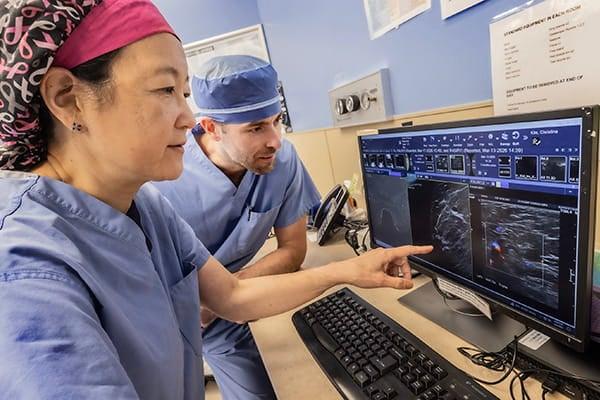
Learn how robotic single-port mastectomy and coordinated breast reconstruction give select patients a new minimally invasive surgical option through multidisciplinary care at Ascension St. Vincent Fishers.

June 11, 2026
Visit the ER for serious illness or injuries when you need emergency care. Visit urgent care for minor injuries or illnesses that need same-day care.
May 15, 2026
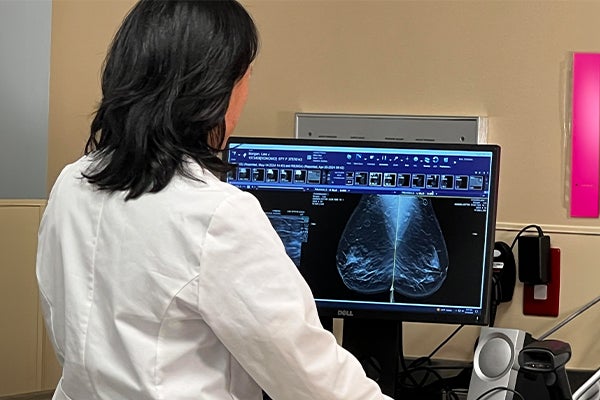
Christina J. Kim, MD, breast surgical oncologist at Ascension St. Vincent in Fishers, Indiana, shares why even after age 50, you should still follow breast screening guidelines.

Ann Andersen has spent her 60 years caring for patients and building lasting connections across generations of nurses at Ascension St. Vincent Evansville.
February 16, 2026
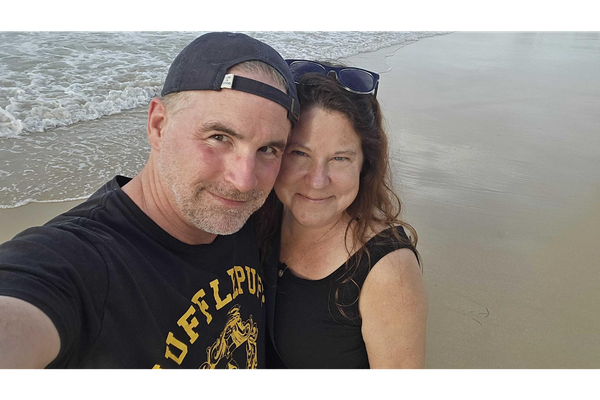
An Indianapolis mother of three shares a message of hope while undergoing cervical cancer treatment at Ascension St. Vincent.

January 2, 2026
Susan Benson, MD, gynecologist at Ascension St. Vincent Women’s Health, shares why women don’t have to suffer through menopause with a personalized treatment plan.
October 2, 2025
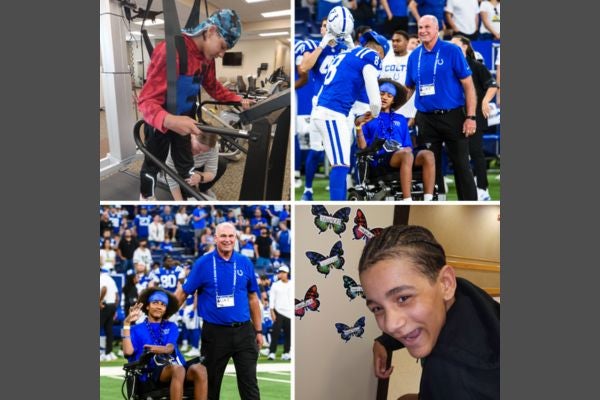
Peyton Manning Children's Hospital patient served as the "Coin Toss Kid" at Lucas Oil Stadium during the Colts game in Indianapolis.
October 2, 2025
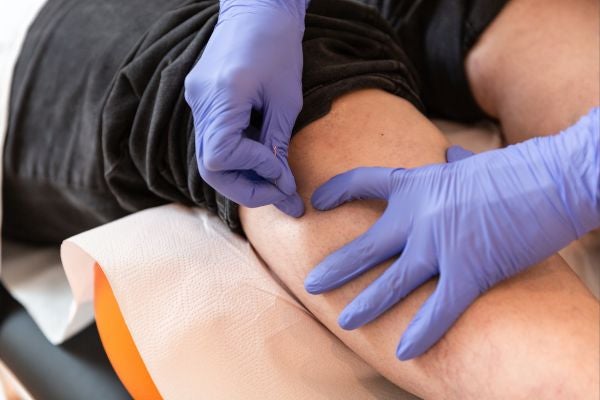
Physical therapists at Ascension St. Vincent across Indiana use dry needling to help with muscle injuries by easing pain and helping you move better.
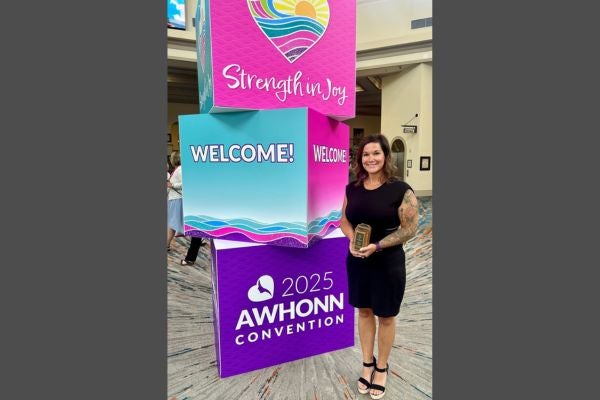
Miranda Wahnsiedler, MSN, BS, AGCNS-BC, RNC-OB, C-ONQS, was recognized by the Association of Women’s Health, Obstetric and Neonatal Nurses for her dedication to the improvement of women’s health.

The new Lucas Family Brain and Spine Hospital at Ascension St. Vincent in Indianapolis, IN, was thoughtfully designed to promote healing and reduce anxiety through intentional choices, while honoring heritage and community.
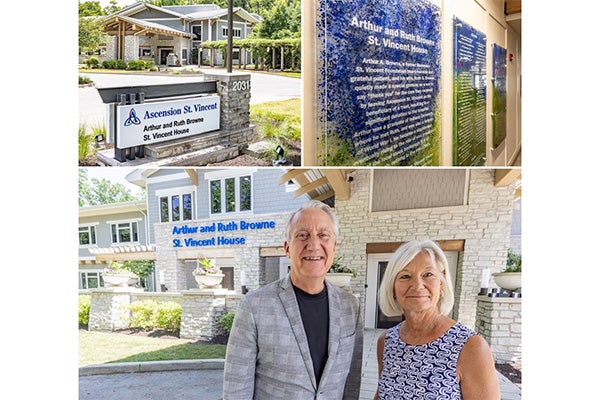
Ascension St. Vincent renamed its hospitality house in recognition of a legacy gift from a couple whose gratitude for the care they received inspired a remarkable act of giving.
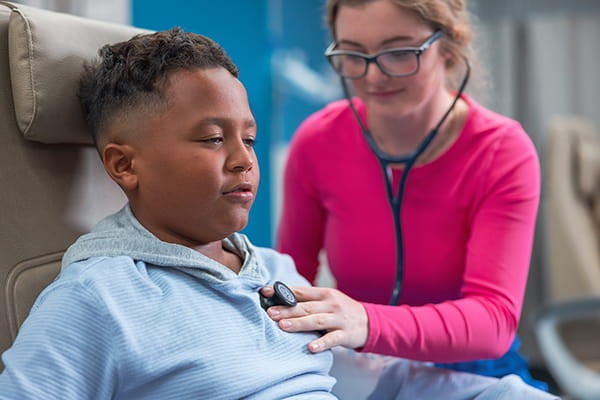
The newly expanded Hilbert Pediatric Emergency Department at Peyton Manning Children’s Hospital provides Central Indiana families with greater access to high-quality, specialized emergency care.

If incidents occur this Fourth of July, knowing where and when to get immediate and emergency care is important.

June 23, 2025
Ascension urgent care and orthopedic teams are here to help you manage your summer injury.

Ascension St. Vincent announces its new brain and spine hospital will be named Lucas Family Brain and Spine Hospital at Ascension St. Vincent. The name honors the donation from an Indianapolis family for their generosity and partnership.

Heather Wiselogle, academic liaison at Peyton Manning Children’s Hospital helped to make her late patient’s dream come true.

The new Ascension St. Vincent Brain and Spine Hospital will be the premier destination for cranial and spine care, ensuring that Indiana families have access to the best care close to home.
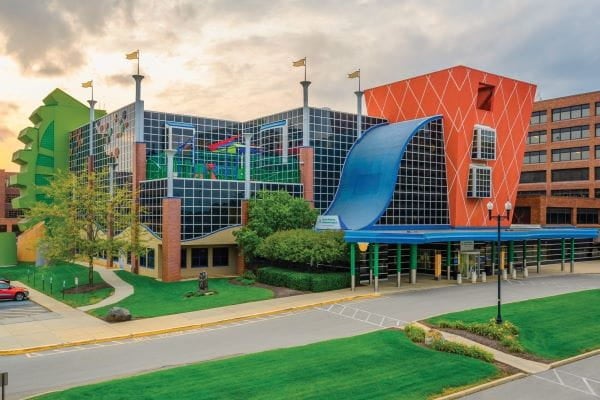
October 23, 2024
Ohio and Indiana health systems focus on providing complex heart surgery, cardiology services closer to home

Advanced care for women and infants now open in Indianapolis with the Women and Infants Hospital on the Ascension St. Vincent Hospital campus.
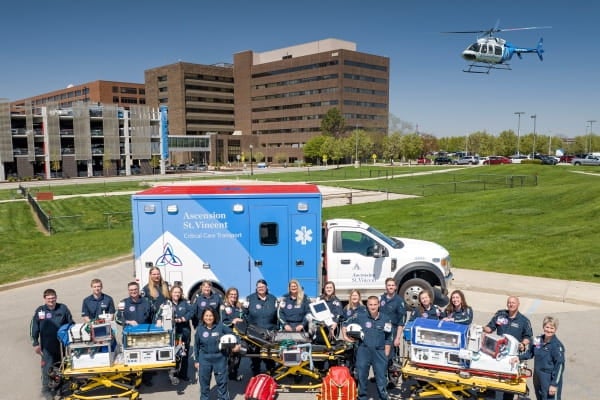
Peyton Manning Children’s Hospital is a verified Level I Pediatric Trauma Center in Indianapolis treating children with life-threatening injuries.
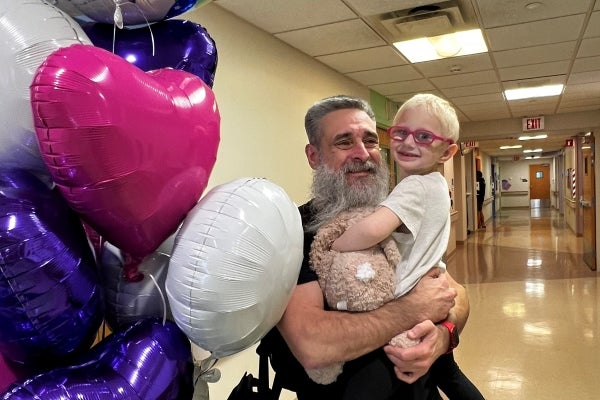
Emergency care team at Peyton Manning Children’s Hospital in Indianapolis, Indiana, tell parents that CPR helped save their daughter’s life.

Peyton Manning Children’s Hospital kidney transplant team plans a Big Ten championship watch party for a longtime kidney patient in Indianapolis.
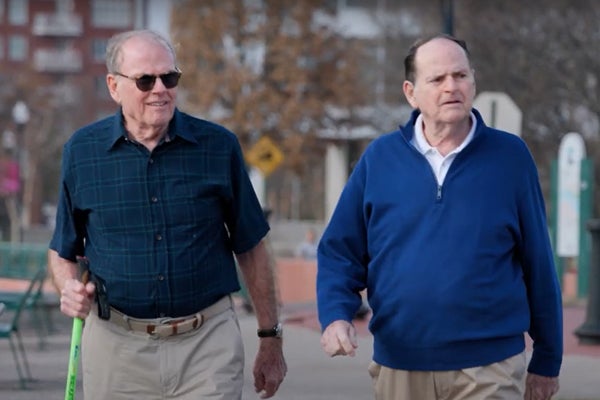
February 14, 2024
Brothers Mike and Steve Vandeveer undergo a minimally invasive heart surgery known as TAVR which helps shorten recovery time and reduce the risk of infection.
August 4, 2026
Learn how robotic single-port mastectomy and coordinated breast reconstruction give select patients a new minimally invasive surgical option through multidisciplinary care at Ascension St. Vincent Fishers.
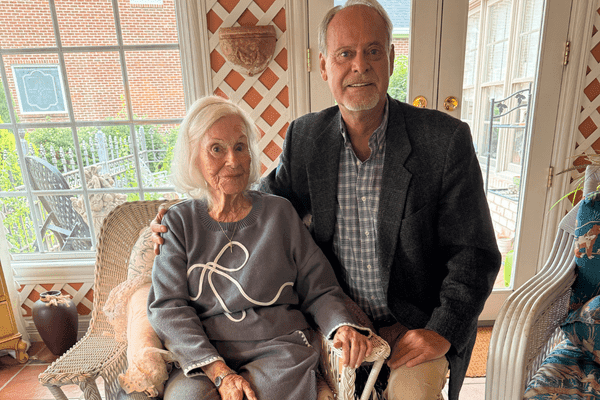
June 19, 2026
Learn the story behind Evansville's Kempf Bipolar Wellness Center Support Group and how it supports people living with bipolar disorder through connection, hope and community.
June 11, 2026
Visit the ER for serious illness or injuries when you need emergency care. Visit urgent care for minor injuries or illnesses that need same-day care.
May 15, 2026
Christina J. Kim, MD, breast surgical oncologist at Ascension St. Vincent in Fishers, Indiana, shares why even after age 50, you should still follow breast screening guidelines.
October 2, 2025
Peyton Manning Children's Hospital patient served as the "Coin Toss Kid" at Lucas Oil Stadium during the Colts game in Indianapolis.
October 2, 2025
Physical therapists at Ascension St. Vincent across Indiana use dry needling to help with muscle injuries by easing pain and helping you move better.
Miranda Wahnsiedler, MSN, BS, AGCNS-BC, RNC-OB, C-ONQS, was recognized by the Association of Women’s Health, Obstetric and Neonatal Nurses for her dedication to the improvement of women’s health.
The new Lucas Family Brain and Spine Hospital at Ascension St. Vincent in Indianapolis, IN, was thoughtfully designed to promote healing and reduce anxiety through intentional choices, while honoring heritage and community.
The newly expanded Hilbert Pediatric Emergency Department at Peyton Manning Children’s Hospital provides Central Indiana families with greater access to high-quality, specialized emergency care.
If incidents occur this Fourth of July, knowing where and when to get immediate and emergency care is important.
June 23, 2025
Ascension urgent care and orthopedic teams are here to help you manage your summer injury.
Ascension St. Vincent announces its new brain and spine hospital will be named Lucas Family Brain and Spine Hospital at Ascension St. Vincent. The name honors the donation from an Indianapolis family for their generosity and partnership.
The new Ascension St. Vincent Brain and Spine Hospital will be the premier destination for cranial and spine care, ensuring that Indiana families have access to the best care close to home.
Advanced care for women and infants now open in Indianapolis with the Women and Infants Hospital on the Ascension St. Vincent Hospital campus.
Peyton Manning Children’s Hospital is a verified Level I Pediatric Trauma Center in Indianapolis treating children with life-threatening injuries.
Emergency care team at Peyton Manning Children’s Hospital in Indianapolis, Indiana, tell parents that CPR helped save their daughter’s life.
Peyton Manning Children’s Hospital kidney transplant team plans a Big Ten championship watch party for a longtime kidney patient in Indianapolis.
February 14, 2024
Brothers Mike and Steve Vandeveer undergo a minimally invasive heart surgery known as TAVR which helps shorten recovery time and reduce the risk of infection.