
Ascension Clinical Research Institute
We are committed to patients and the communities we serve through discovery, continuous improvement, and care transformation.
-
About ACRI
Ascension has more than 2,600 sites of care in 19 states and the District of Columbia. With this size and scope, ACRI has nearly 3,000 active and/or approved studies at any given time. We provide clinical research support and oversight to all sites engaged in research, including:
- A multi-site clinical trials coordination center
- A single, Ascension-wide Institutional Review Board
- Longitudinal clinical database research support
- A centralized research business office
- Therapeutic-area clinical research forums
-
Our leadership

Frederick Masoudi, MD, MSPH, MACC, FAHA
Vice President and Chief Academic Officer
Dr. Masoudi joined Ascension in 2021 and previously served as professor with tenure in the Department of Medicine at the University of Colorado Anschutz Medical Campus and Chief Scientific Advisor of the American College of Cardiology’s NCDR, a suite of national quality assessment and improvement platforms for cardiovascular conditions and procedures. He is an internationally recognized clinical scientist who has spent his career dedicated to cardiovascular care in practice, research, and education. He has co-authored over 325 peer-reviewed articles and contributed to numerous national practice guidelines, scientific statements and policy documents.

Ryan Leslie, PhD
Associate Vice President, Research
Dr. Leslie is Associate Vice President of Research for Ascension and is the business and administrative leader for the Ascension Clinical Research Institute. Prior to his national research leadership role, Ryan was a member of the executive leadership team of Ascension Texas, where his responsibilities included analytics, research, graduate medical education (GME), and the development and support of collaborative data, research, and analytics capabilities for Ascension’s partnership with The Dell Medical School at the University of Texas at Austin. Ryan holds three degrees from UT-Austin, including a BBA in management information systems and an MS and PhD in health economics and outcomes research.
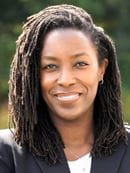
Lee Bowen, DHA, MPA, CIP
Senior Director of Human Research Protections
Dr. Lee Andre'a Bowen is the Senior Director of Human Research Protection for Ascension, bringing over 25 years of extensive experience in research compliance and oversight to her role. Throughout her distinguished career, she has held key leadership positions, including Corporate IRB Director for ProMedica Ohio and significant Institutional Review Board (IRB) leadership roles at the University of Michigan and Trinity Health. As the senior HRPP director, Dr. Bowen focuses on implementing efficient and effective workflows to serve the research community while accomplishing the number one goal: protecting human participants in research. She remains actively involved in research oversight as a member of multiple IRBs, reviewing a diverse spectrum of studies, from survey-based projects and translational research to complex clinical trials. Dr. Bowen's professional interests are centered on the intersection of communication, technology, and ethics, specifically focusing on social constructivism in health care communication and the evolving impact of Artificial Intelligence (AI) on health care systems and research protection.
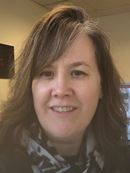
Barb Moskalenko
Senior Director Research Administration
Ms. Moskalenko joined Ascension in October 2021 and previously served as the Research Operations Director at Dartmouth-Hitchcock Medical Center. As Senior Director of Research Administration, Ms. Moskalenko oversees research operations across Ascension specifically looking at standardizing processes related to research billing compliance, Medicare Coverage Analysis, budget and contract negotiations and research bill review along with oversight of the Clinical Trials Management System, Clinical Conductor.
-
Research in our ministries
-
Who can participate in clinical trials?All clinical trials define a specific population that is studied, and participation is always optional. Factors that can be considered include age, gender, the type and stage of a disease, previous treatment history and other medical conditions. To determine if you can be in a clinical trial, researchers may have to review your medical record, ask you additional questions, or obtain tests to determine if you are a good candidate.
-
How can I decide if a trial is right for me?Many clinical trials and research studies may include unproven treatments that have not been proven to be effective or safe in treating your disease or condition. Volunteering is a personal choice and may not be right for everyone. The results of research can help advance medical science by helping researchers better understand possible treatments and their safety and effectiveness. Often, there is no cost to participate in trials and financial support may be provided for participants, but each trial is different.
-
What is a clinical trial?
There are many kinds of research studies. Research that includes humans is clinical research. Clinical research helps researchers understand how best to treat patients or helps them learn more about a particular condition or disease. There are also different kinds of clinical research.
A clinical trial tests new drugs, medical devices or treatments. Clinical trials might be testing new experimental drugs, or ways to use currently approved drugs in different ways. Clinical trials are also done to test new surgical techniques, medical devices or biological products. New treatments like these must be tested before they are approved for use by the U.S. Food and Drug Administration (FDA) and made available for commercial use. The FDA gives investigators permission to test a new drug, biologic or device under strict regulatory rules.
-
What is informed consent?
Informed consent is the process of learning the key facts about a clinical trial before deciding whether or not to participate. It is also a continuing process throughout the study to provide information for participants. Details in this consent process include the purpose of the study, its duration, the required procedures, all safety monitoring and potential risks and potential benefits.
A member of the research team reviews an informed consent document that includes details about the study, such as its purpose, duration, required procedures and names of key contact personnel. The participant then decides whether or not to sign the document. Informed consent is not a contract, and the participant may withdraw from the trial at any time.
-
Is it safe for me to participate in a clinical trial?
Clinical trials are strictly reviewed to make sure they are as safe as possible. In some cases, the U.S. Food and Drug Administration (FDA) must approve the trial plan before it is started. In every case, an Institutional Review Board (IRB), which is a group of people who reviews studies to make sure that human rights are protected, must approve the trial before it is started. The IRB also reviews the study throughout its course to protect the volunteers.
There may be risks for taking part in a clinical trial. The research team will explain the study to you and help you understand the risks before you decide to participate. We encourage you to talk with the study doctor and ask your questions — big and small. We’re here to answer your questions and help you make an informed decision.
Before you participate, you will be asked to sign an informed consent form. This form gives you information about the potential risks and benefits of participating in the study. Your participation in any clinical trial is completely voluntary. If it becomes unsafe for you to stay in the study for any reason or if you have changed your mind for whatever reason, you can stop your participation at any time. Your health and wellness is our priority.
-
What questions should I ask before I volunteer for a clinical trial?
Learning more about the clinical trial you are considering can help you figure out if the study is right for you. Some questions to ask before you volunteer are:
- What is the reason for the study?
- What are the eligibility requirements for the trial?
- How long is this trial? And how often will I have to come for visits?
- How will this affect my daily life?
- Does everyone in the study get the active treatment? Or do some people get a placebo (a control substance with no active product included) or usual care?
- Who is the doctor that will take care of me during the trial or research? Can I see my own doctor during that time?
- What are the risks, benefits and possible side effects?
- What kinds of tests and procedures will I have during this research?
- What happens if I get sick during the research study?
- Do I get to have my personal results from the study?
-
What happens to the information from the study?Your personal and health information from the study is private and kept confidential. Researchers must follow strict federal regulations, codes of ethics, and other standards throughout the entire research process. The data collected about you will be shared with the sponsor of the study in order to answer the questions the study asks. You will need to ask the research team what results can be shared with you and what information you can share about your participation for each clinical trial.