Cancer tests and imaging in central Texas

Oncologists at Ascension Seton use advanced tests and imaging to diagnose and treat cancer

Cancer tests and imaging in Austin

Tests and imaging help your doctor understand where cancer began and whether it has spread.

At Ascension Seton, we use leading-edge diagnostic tools, including molecular and genetic testing, to identify cancer types and support personalized treatment planning.

Whether you're experiencing symptoms, undergoing preventive screening or managing a cancer diagnosis, our oncologists work with your primary care doctor to support early detection and coordinated care.

A mammogram could save your life

If you’re age 40 or older, a breast screening should be part of your annual wellness visit. Women with a family history or increased risk of breast cancer may be recommended to begin screening earlier.

Ascension Seton offers comprehensive, dedicated high-risk breast cancer clinics and genetic counseling services to help you have your best breast health.

FIND A MAMMOGRAM LOCATION

Know your cancer risk

Even if you don’t have a family history of cancer or aren’t having symptoms, talk with your doctor about your risk factors.

Our doctors at Ascension Seton provide tests and screenings for breast cancer, cervical cancer, colon cancer, lung cancer, prostate cancer, thyroid cancer, throat cancer and other cancers.

Cancer tests and imaging in central Texas

Our oncology team uses the most advanced diagnostic tools to evaluate symptoms, detect cancer and create a treatment plan that's right for you.

A biopsy evaluates tissue or cells to help diagnose cancer and determine its stage.

Blood tests measure substances found in your blood and can help detect or monitor certain conditions, including cancer.

A colonoscopy uses a flexible tube with a small camera to examine the inside of the colon and detect abnormalities.

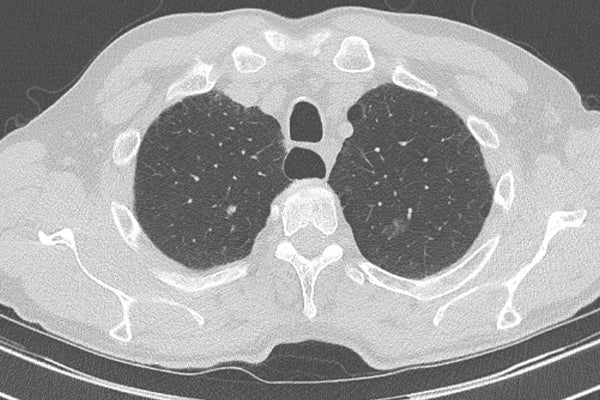
A CT scan uses X-rays and computer technology to create detailed images of the body.

An endoscopy uses a thin, flexible tube with a camera to view the digestive tract and collect tissue samples if needed.

Helps you and your doctor better understand your risk for certain types of cancer and guide screening or treatment decisions.

This test checks for human papillomavirus (HPV), which is linked to certain cancers, including cervical, throat and anal cancers.

A low-dose CT scan uses less radiation than a standard CT scan and is often used for lung cancer screening.

A mammogram is an X-ray of the breast used to detect cancer and other changes in breast tissue.

An MRI uses magnets and radio waves to create detailed images of organs and tissues.

A Pap test checks cervical cells for changes that may lead to cancer.

A positron emission tomography (PET) scan helps evaluate how tissues and organs are functioning and may be used to detect cancer or monitor treatment.

A prostate-specific antigen (PSA) test measures levels of prostate-specific antigen in the blood and may be used for prostate cancer screening or monitoring.

Stool tests check for signs of disease in the digestive tract and may be used for colorectal cancer screening.

X-rays use low doses of radiation to create images of your tissues, bones and organs.

If you are experiencing a life-threatening emergency, go directly to the ER or call 911.

All registered marks are property of their respective owners. All rights reserved.

Stories you'll love

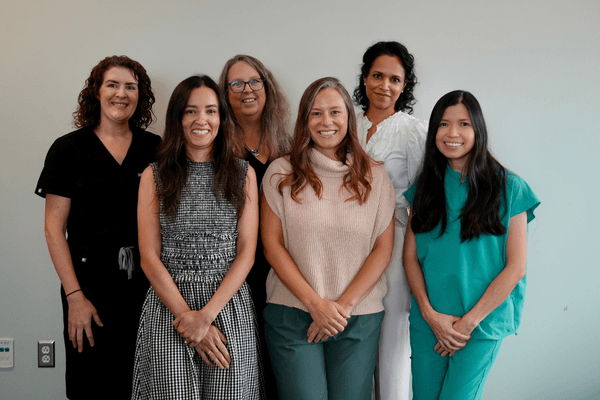
All six urology providers standing together.

Meet the Moms of Dell Children’s Pediatric Urology

September 23, 2026

Dell Children’s nationally ranked pediatric urology team in Austin, Texas, includes six physician-moms who bring specialized expertise and personal perspective to caring for children
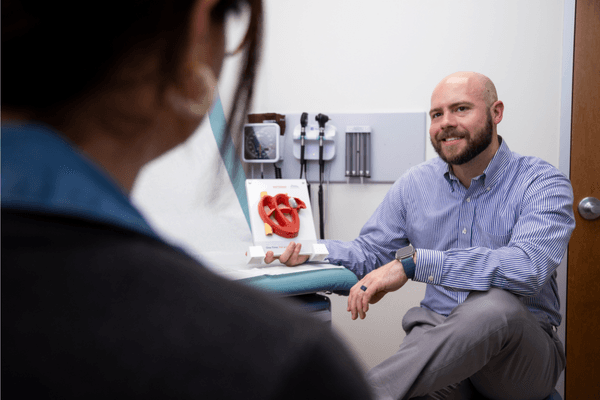

Burton Dunlap, MD, is a fellowship-trained orthopedic surgeon specializing in shoulder injuries and advanced shoulder repair.

Orthopedic surgeon Burton Dunlap, MD, at Ascension Seton Orthopedics and Sports Medicine in Austin shares common shoulder injuries, symptoms to watch for, treatment options and when to seek specialized orthopedic care.

A child enjoying the pool.

As families across Central Texas head to pools, lakes and splash pads this summer, the team at Dell Children’s Medical Center in Austin, TX, is sharing life-saving water safety tips to help prevent childhood drowning.

READ MORE STORIES