Types of cancer we diagnose and treat

No matter what kind of cancer you have, Ascension Seton specialists are among the most experienced and highly trained — here to support you throughout your journey.

Cancer conditions our specialists in Austin treat

Ascension Seton in Austin provides care for a wide range of cancer conditions. Understanding the type of cancer you have is an important step in developing your cancer treatment plan.

Blood cancers affect the production and function of blood cells. Leukemia begins in blood-forming tissues, lymphoma affects the lymphatic system and myeloma develops in plasma cells.

Brain tumors can affect how the nervous system works. They may also affect nearby areas of the brain depending on their size and location.

Some tumors are cancerous (malignant), while others are noncancerous (benign). Both types can affect how the brain and spinal cord function.

Breast cancer is the most common type of cancer for women in the United States after skin cancers, with 1 in 8 women developing breast cancer during their lifetime.

Breast cancer develops when the healthy cells in the breast begin to change by growing and functioning in a different way. These cancerous cells can begin to build up and form a mass called a tumor, which exists as a lump inside your breast.

Colorectal cancer starts in the colon or rectum, which are part of the digestive system. Colon cancer often has no symptoms in its early stages, which is why prevention and detection are so important.

Gynecological cancer affects women’s reproductive organs, including the cervix, fallopian tubes, ovaries, uterus, vagina and vulva. All women are at risk for gynecologic cancer, but there are ways to lower that risk. Advances in screening and treatment have improved outcomes, especially when these cancers are treated early.

Head and neck cancers develop in the head and neck region and can affect your voice box (or larynx), nasal cavity, oral cavity (mouth, lips, gums, tongue, tonsils and roof of the mouth), sinuses, throat (or pharynx), thyroid gland or esophagus.

Kidney cancer develops when cells in the kidney grow out of control. Most kidney cancers begin in the small tubes that filter the blood and make urine.

Liver cancer develops when cells in the liver grow out of control. Because the liver helps digest food, remove toxins and store energy, cancer can affect many important functions.

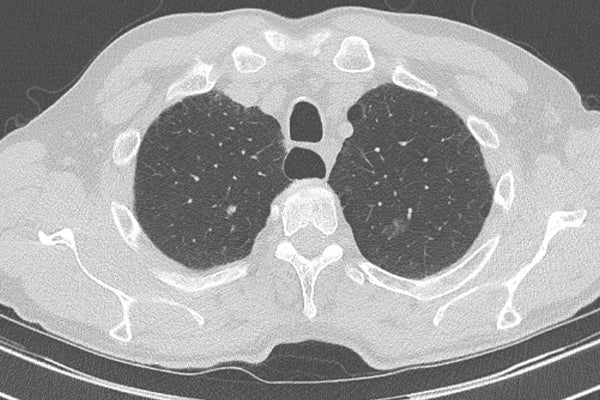
Lung cancer develops in the lungs. Your lungs are two sponge-like organs located on each side of your chest, responsible for supplying oxygen to your body. There are two main types of lung cancer:

  • Non-small cell lung cancer, the most common type of lung cancer, which is less aggressive and spreads more slowly. This type of lung cancer has three main groups: squamous cell carcinoma, large cell carcinoma and adenocarcinoma.
  • Small cell carcinoma, which is found in 10 to 15% of all lung cancer cases.

Pancreatic cancer develops in the pancreas, an organ that helps with digestion and blood sugar control. Because it may not cause symptoms in its early stages, pancreatic cancer can be difficult to detect. 

Prostate cancer develops in the prostate gland and is the second most common cancer in men in the United States after skin cancers. Because early-stage prostate cancer may not show symptoms, some men may not realize there is an issue — possibly for years.

Skin cancer develops when abnormal skin cells grow out of control, often in areas exposed to the sun. Common types include basal cell carcinoma, squamous cell carcinoma and melanoma.

If you are experiencing a life-threatening emergency, go directly to the ER or call 911.

All registered marks are property of their respective owners. All rights reserved.

Stories you'll love

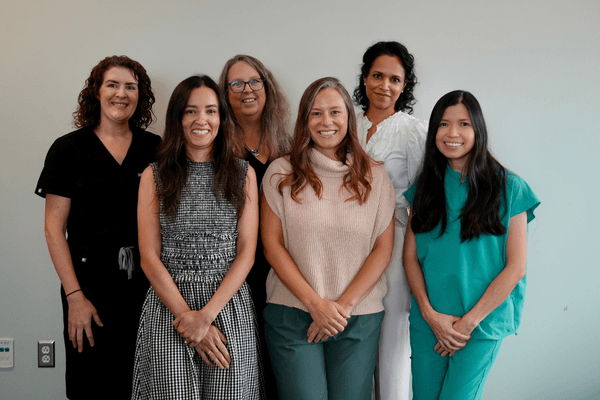
All six urology providers standing together.

Meet the Moms of Dell Children’s Pediatric Urology

September 23, 2026

Dell Children’s nationally ranked pediatric urology team in Austin, Texas, includes six physician-moms who bring specialized expertise and personal perspective to caring for children


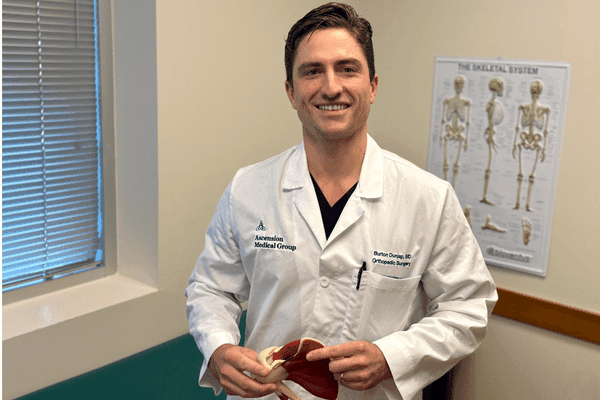
Burton Dunlap, MD, is a fellowship-trained orthopedic surgeon specializing in shoulder injuries and advanced shoulder repair.

Orthopedic surgeon Burton Dunlap, MD, at Ascension Seton Orthopedics and Sports Medicine in Austin shares common shoulder injuries, symptoms to watch for, treatment options and when to seek specialized orthopedic care.

A child enjoying the pool.

As families across Central Texas head to pools, lakes and splash pads this summer, the team at Dell Children’s Medical Center in Austin, TX, is sharing life-saving water safety tips to help prevent childhood drowning.

READ MORE STORIES