Cardiomyopathy

Cardiologists at Ascension Saint Thomas Heart provide advanced care for hypertrophic cardiomyopathy and cardiac amyloidosis in Nashville.

Comprehensive cardiomyopathy program in Nashville

Cardiologists at Ascension Saint Thomas Heart provide advanced care for hypertrophic cardiomyopathy and cardiac amyloidosis in Nashville.

Why choose us

For advanced care of complex heart failure conditions, including hypertrophic cardiomyopathy (HCM) and cardiac amyloidosis, choose Ascension Saint Thomas Heart in Middle Tennessee.

Cardiologists at Ascension Saint Thomas Heart are part of a national team of doctors sharing best practices and advanced treatment options for complex heart care. Your heart care team specializes in the diagnosis and treatment of HCM and cardiac amyloidosis.

Excellence in HCM and amyloidosis care

Ascension Saint Thomas Heart is recognized as a Center of Excellence (COE) by the Hypertrophic Cardiomyopathy Association of America (HCMA) and is also recognized by the Amyloidosis Research Consortium (ARC).

Understand your HCM

HCM is a heart condition where the walls of your heart thicken over time. Thicker walls can make it difficult for your heart to pump blood throughout your body.

Specialists in heart care

Symptoms of HCM

Some people with HCM don’t have any symptoms, but others may experience:

  • Chest pain
  • Dizziness
  • Fatigue
  • Irregular heartbeat
  • Shortness of breath
  • Swelling in the ankles, abdomen, feet and legs

Understand you cardiac amyloidosis

Cardiac amyloidosis is a serious cardiovascular condition caused by the buildup of an abnormal protein, called amyloid, in the heart muscle. Normally, the heart is a flexible muscle, but as the amyloid deposits build up, the heart wall becomes thick and stiff. This makes it difficult for the heart to pump blood effectively, which can lead to heart failure and abnormal heart rhythms. As with hypertrophic cardiomyopathy, some people have more signs and symptoms than others.

Symptoms of cardiac amyloidosis

The symptoms can often be non-specific and are similar to those of general heart failure, which is why the condition can be underdiagnosed.

Common symptoms include:

  • Shortness of breath
  • Fatigue
  • Swelling (Edema)
  • Heart rhythm issues or palpitations
  • Light-headedness

Non-cardiac symptoms include:

  • Carpal tunnel syndrome (in one or both wrists)
  • Lumbar spinal stenosis (a back condition)
  • Peripheral neuropathy (numbness or tingling in the hands or feet)
  • Dizziness upon standing
  • Spontaneous tear of the biceps muscle

How we diagnose cardiac amyloidosis

An accurate diagnosis helps your doctor personalize your care. To diagnose cardiac amyloidosis, your doctor may recommend a review of the patient’s and family’s medical history, genetic testing and other diagnostic testing, such as:

A blood test is a lab analysis of things that may be found in your blood. You may have blood tests to check for heart biomarkers and to keep track of how well you are managing your condition. You may also have them for routine checkups or when you are ill.

This procedure uses a combination of large magnets, radio waves, and a computer to make detailed images of organs and structures in your body. Your doctor may order an MRI of the heart to look at the heart valves and major vessels. It can also detect coronary artery disease and how much damage it has caused. It can also assess heart problems that have been present since birth. It can find tumors and other conditions. Your doctor may order this test before other procedures such as angioplasty or stenting of the coronary arteries and heart or vascular surgery.

It's used to check the heart's function and structures. During the procedure, a transducer (like a microphone) sends out sound waves at a frequency too high to be heard. When the transducer is placed on the chest at certain locations and angles, the sound waves move through the skin and other body tissues to the heart tissues. The waves bounce or "echo" off the heart structures. These sound waves are sent to a computer that can create moving images on the screen of the heart walls and valves.

Sometimes a tissue or bone marrow biopsy is needed for a definitive diagnosis. This diagnostic procedure is used to collect a small sample of tissue or bone marrow to evaluate for conditions such as cardiac amyloidosis, blood disorders, or other underlying diseases affecting heart health. This test provides precise information that helps our specialists confirm a diagnosis and guide personalized treatment planning.

How we treat HCM

If you are diagnosed with HCM, your doctor may recommend periodic monitoring, medication or surgery based on your symptoms. Your care team may include cardiologists, cardiac surgeons, heart specialists and technicians working together to create a personalized care plan that’s right for you.

  • An alcohol septal ablation is used to make the walls of the heart muscle thinner so your heart can pump better
  • A mitral valve repair or replacement for damaged or diseased mitral valve to help improve blood flow
  • Implantation of a cardioverter-defibrillator (ICD) to help maintain a normal heart rate and support bloodflow
  • Medications, including advanced therapies such as Camzyos® (mavacamten) and  Myqorzo™ (aficamten), to help relieve chest pain, shortness of breath, and regulate irregular heartbeat
  • Surgery to remove parts of the heart muscle if medications are not effective

How we treat cardiac amyloidosis

Treatment depends on the type of amyloid identified. Goals are to manage heart failure symptoms, prevent complications from abnormal heart rhythms, and slow down or stop the progression of the amyloid deposits.

  • For ATTR-CM: Treatments aim to stabilize the TTR protein or reduce the liver's production of the protein
  • For AL Amyloidosis: Treatment focuses on suppressing the production of the light chain protein, often through chemotherapy or immunotherapy.
  • In advanced cases, or for certain types of hereditary ATTR, a heart or liver transplant may be considered.

We also have clinical research trials available for ATTR to hopefully further improve the treatment options.

Clinical trials

Our doctors are committed to being leaders in cardiovascular research, working to help improve how we diagnose and treat heart and vascular diseases. You can talk to your cardiologist if you are interested in participating in clinical trials.

ACACIA
Phase 3 trial to evaluate the efficacy and safety of Aficamten compared to placebo in adults with symptomatic HCM

Discover HCM
A prospective registry study to assess real-world patient characteristics, treatment patterns, and longitudinal outcomes in patients receiving Mavacamten and other treatments for symptomatic obstructive hypertrophic cardiomyopathy

MAPLE
Phase 3 trial to evaluate the efficacy and safety of Aficamten compared to Metoprolol succinate in adults with symptomatic HCM
How to get care

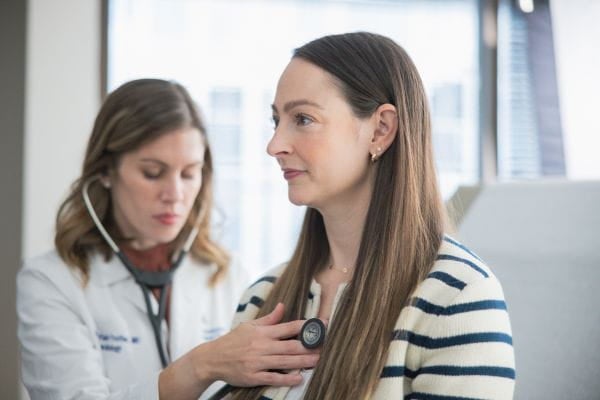
stethoscope

The first step in getting the care you need is to start a conversation with your doctor. When you schedule an appointment, your care team will ask about your family medical history, including heart disease and heart attack. Bring copies or have your referring physician share copies of medical records and test results from any heart testing such as MRIs, cardiac catheterizations or genetic testing.

For more information, or to schedule an appointment with one of our heart specialists, call 615-222-HCM5 (4265).

Get a second opinion

Decisions about your heart care are important. Getting a second opinion not only provides more information about your condition, but it can help you feel more confident in the doctor and the care plan you choose. If you’re looking for a second opinion, specialists at Ascension Saint Thomas Heart are here to listen and recommend options that are right for you. Consider getting a second opinion if:

  • Your diagnosis or prognosis is unclear
  • You’ve been told you have a rare or life-threatening condition
  • You would like to explore other treatment options
  • Your treatment options are costly or risky
  • You want to hear an opinion from another specialist
  • Your insurance requires a second opinion

If you are experiencing a life-threatening emergency, go directly to the ER or call 911.

All registered marks are property of their respective owners. All rights reserved.

Stories you'll love

Mom hugging her baby.

Young mother experiences AFib during pregnancy

January 28, 2026

At just 26 years old, a Nashville mother receives specialty heart care for women at Ascension Saint Thomas Heart Women’s Center during her second pregnancy.

Read more stories