
How a new procedure helps women with heavy periods
October 24, 2025
Ascension Wisconsin is the first in the state to offer the new minimally invasive cryoablation treatment to help women who experience heavy menstrual bleeding.
Ascension Wisconsin Cancer Care takes a compassionate, personalized approach to women’s health and gynecologic cancer care.

Ascension Wisconsin Cancer Care takes a compassionate, personalized approach to women’s health and gynecologic cancer care
Gynecologic cancer is personal, and so is the way we care for you. At Ascension Wisconsin Cancer Care, you’re never alone. From your first appointment, you’ll have visits with specialists who understand cancers affecting women, including ovarian, cervical, uterine, vulvar and other gynecologic cancers. You’ll also have an entire care team dedicated to your care — connecting the dots for you every step of the way.
At Ascension Wisconsin, our experienced gynecologic oncologists are part of a national team of doctors, sharing best practices and advanced treatment options for gynecologic cancer care – bringing the best of oncology to you, close to home. The types of gynecologic cancers we treat include:
At Ascension Wisconsin, we provide comprehensive pelvic exams, and advanced diagnostic tests and treatments. Your care team focuses on identifying if the tumor is noninvasive or invasive, understanding where the tumor began and whether it has spread.
Diagnostic blood testing, imaging, physical exam, biopsy or diagnostic surgery help your doctor diagnose your condition and determine the stage of any cancer. Our gynecology oncologists use advanced molecular studies to recognize cancer subtypes and genetic mutations, to create a personalized care plan.
Getting regular pelvic exams may help find cervical cancer and other gynecologic cancers early, when they’re most treatable. Talk with your doctor about the screenings that are right for you, based on your age, family history and risk factors.
For cervical cancer screening, women in their 20s should begin getting a regular Pap test, also called a Pap smear. In your 30s and as you age, women should continue getting the Pap test and add the HPV test, as recommended by your doctor. When you choose a women’s health specialist at Ascension Wisconsin for your care, you are connected to all the care you need — from routine screenings to advanced care.
At Ascension Wisconsin, we provide comprehensive tests, pelvic exams and treatments for gynecologic cancers, including:
Gynecologic cancer specialists on your care team review your treatment and progress. They work together to customize your overall care plan to support your physical well-being and mental and emotional health. Ascension Wisconsin Cancer Care offers comprehensive gynecologic oncology cancer care, including:
If your care may impact your ability to have children, you and your doctor will discuss all of your options and what they mean for you. Together we’ll develop a care plan that’s right for you.
Talk with your doctor about pelvic reconstruction options after a gynecologic surgery. Your doctor and care team will connect you with a surgeon to learn about procedures to help rebuild pelvic organs, such as the bladder, vagina or pelvic floor.
If you want to learn more about other possible cancer care options, talk to your doctor. You may want to ask whether cancer clinical trials are the right option for you. You can talk to your oncologist if you are interested in participating in clinical trials.
Ascension Wisconsin sites of care in Southeast Wisconsin and the Fox Valley provide screenings to support cancer prevention and your overall wellness. Being at a higher risk for developing cancer can leave you with a lot of questions and uncertainty. Your Ascension Wisconsin doctor and care team are here to listen, support you and answer your questions.
Understanding your risk and getting the recommended screenings can help detect cancer early, when it’s most treatable. If you have risk factors for developing cancer, speak with your doctor to determine if the Ascension Wisconsin Cancer Prevention and Wellness Program is right for you.Your care team provides:
To schedule an appointment, call 262-785-2273.
You do not have to navigate your care alone. Upon your cancer diagnosis, or when you come to us during your cancer care, you’re paired with a cancer care navigator. Your care team will help you schedule appointments and connect with other services you need. When you have a concern or feel unsure, don’t hesitate to talk with your care team.
At Ascension Wisconsin, we offer convenient parking. Talk to your care navigator if you have transportation needs.
Ascension Columbia St. Mary’s Milwaukee - Water Medical Commons
When you are facing a new gynecologic cancer diagnosis or are deciding on a surgical or therapeutic treatment plan, there’s a lot to think about. Our gynecologic oncologists in Wisconsin can provide a second opinion, based on our experience and as part of a national team.
Before your appointment, check with your insurance company to find out if a second opinion is covered. We can request your medical records on your behalf, so they can be shared with your care team before your arrival.
We can connect you with resources and programs that may be able to help you and your family with options for financial assistance. Our financial counseling team is here to listen to your concerns and work with you to help find options that meet your needs. Your cancer care navigator can connect you to a financial counselor.
If you are experiencing a life-threatening emergency, go directly to the ER or call 911.
All registered marks are property of their respective owners. All rights reserved.
October 24, 2025
Ascension Wisconsin is the first in the state to offer the new minimally invasive cryoablation treatment to help women who experience heavy menstrual bleeding.

Jessica Burke, a labor and delivery nurse at Ascension St. Joseph Hospital in Milwaukee, shares what essentials to pack for your baby's birth.

Enjoy your summer safely with tips from Ascension Wisconsin to help you and your family stay injury-free while making the most of lakes, parks and roadways.

If incidents occur this Fourth of July, knowing where and when to get immediate and emergency care is important.

June 23, 2025
Ascension urgent care and orthopedic teams are here to help you manage your summer injury.

After being diagnosed with hydrocephalus and undergoing neurosurgery at Ascension Elmbrook in Brookfield, Wisconsin, this grandmother is now enjoying freedom from the symptoms that once limited her.
January 23, 2025
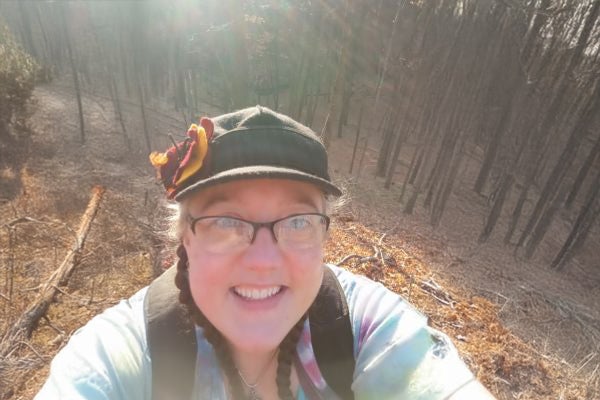
This military wife celebrates 14 years in remission after receiving personalized care for stage 3B cervical cancer at Ascension Columbia St. Mary’s Hospital - Ozaukee Campus
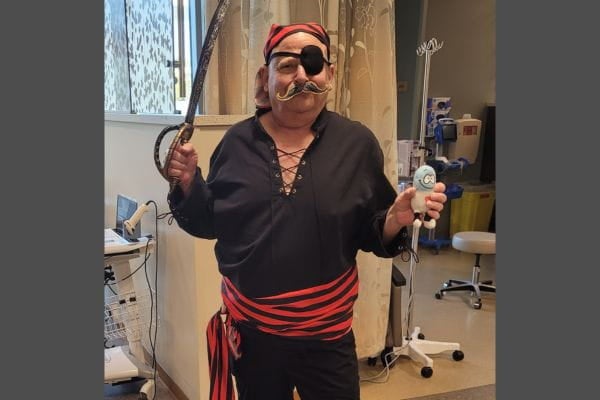
An Ascension Wisconsin lung cancer patient finds joy during his treatment by brightening the lives of those around him with costumes and toys.
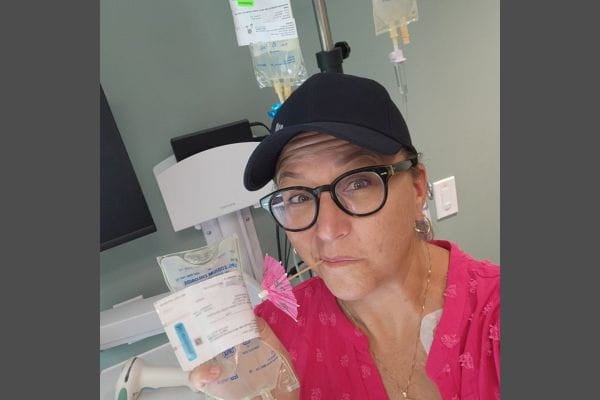
An Ascension Wisconsin patient faced a 12% chance of surviving stage 4 triple-negative breast cancer, but with the help of her cancer care team, she overcame the odds.

Two moms from the same family who share the same birthday give birth to their daughters at Ascension St. Joseph Hospital in Milwaukee, WI, on the same day.
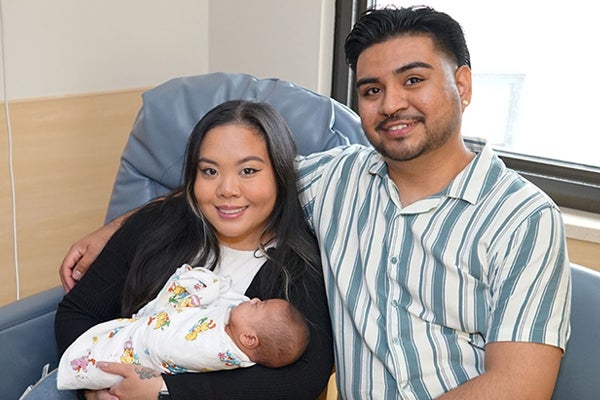
Malakai, who entered the world at only 22 weeks, is cared for by the Level III NICU team at Ascension Columbia St. Mary’s Hospital - Milwaukee Campus.

Thomas D. Ilic, MD, Psychiatrist at Ascension Medical Group Wisconsin, treats Milwaukee man’s depression through transcranial magnetic stimulation.

Christopher Weber, MD, bariatric medicine, motivates Milwaukee mother to lose weight and live a healthy lifestyle.

Megan Thistle, OD, Optometry at Ascension Medical Group Wisconsin, answers three questions about glaucoma and shares how scheduling your annual eye exam can help with early detection.

Tamara A. Adducci, MD, an OB-GYN at, Ascension Medical Group Wisconsin, shares common symptoms of peripartum and postpartum depression as well as potential treatment options.

Michael Papp, DO, Cardiology, Ascension Medical Group Wisconsin, and Jay Balachandran, MD, Sleep Medicine, Madison Medical Affiliates, share how sleep disorders impact heart health and how you can improve your sleep.

Ascension Wisconsin’s weight management and bariatric surgery team shares three tips to promote healthy eating and weight loss in the new year and nutritional recipes to add to your routine.

Riann Collar, PA, Cancer Prevention, Wellness and Survivorship, and Kelley Boster, MS, CGC, Genetic Counseling, Ascension Wisconsin share the importance of knowing your family health history.

Ascension Wisconsin cardiologists help a Brookfield man prioritize his heart care and return to life as a father, grandfather and part-time caregiver to his wife.

Nouraddin N. Nouraddin, MD, FACP, a sleep medicine specialist with Ascension Medical Group Wisconsin provides four insights into how lack of sleep can affect your health.

Krishna Upadhyaya, MD, a cardiologist with Ascension Wisconsin, explains hypertension and how lifestyle changes can help you manage your high blood pressure.

September 22, 2023
Margaret M. Hennessy, MD, a pediatrician with Ascension Medical Group Wisconsin, shares how you can help your child live a healthier lifestyle.
September 12, 2023
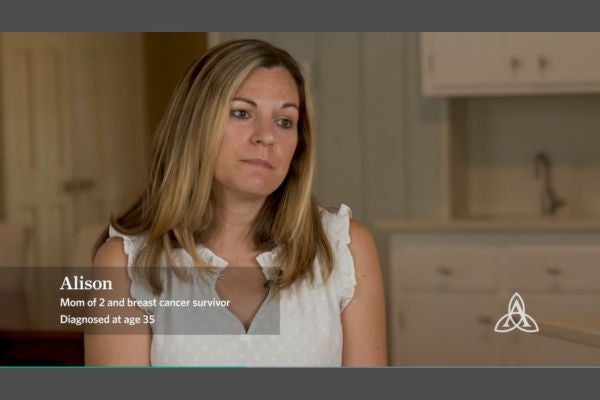
Ascension Wisconsin helps a woman have a healthy pregnancy during a breast cancer diagnosis.

August 23, 2023
Yasmine S. Sido, PA-C at Ascension Medical Group in Franklin, Wisconsin, shares tips on early skin cancer detection and prevention.

August 15, 2023
Bobby Wu, MD, a bariatric surgeon at Ascension Medical Group Wisconsin – Bariatric Institute of Wisconsin helps a Wisconsin married couple lose weight and get active again.

Alexander M. Cook, MD a family medicine doctor with Ascension Wisconsin in Grafton, WI share five ways to avoid stress.

July 31, 2023
David Galbis-Reig, MD, Addiction Medicine at Ascension Wisconsin Medical Group in Racine, Wisconsin shares signs to look for in alcohol use disorder.
May 9, 2023
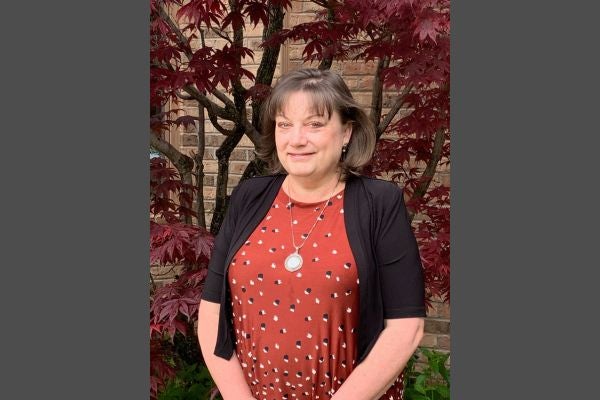
As a physician, Beth was no stranger to annual checkups. And as a woman in her mid-fifties, with a family history of breast cancer, she was used to receiving screenings, but she never expected one of her appointments would quickly turn into a breast cancer diagnosis.
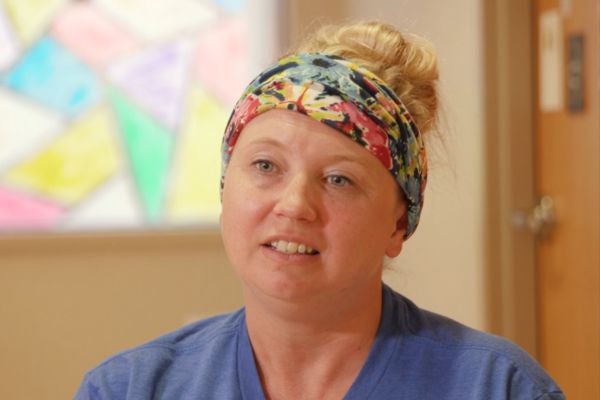
Kara was living a busy life as a wife and mother of two young children, with another baby on the way, when her world was turned upside down by a cancer diagnosis.

April 20, 2023
Obesity has been recognized as a disease by the American Medical Association for almost a decade, yet many people often struggle alone with their weight and health concerns long before they talk to a doctor.

April 20, 2023
Compassionate doctors and care teams at Ascension Wisconsin support you at every step — addressing the whole you, including your emotional health.

March 24, 2023
Ascension Medical Group Wisconsin cardiologists share five tips to help prevent heart disease and manage your heart health.

March 24, 2023
Primary care doctor, James Censky, MD, Ascension Medical Group Wisconsin - Sussex in Racine shares five tips to living a heart healthy life.

March 23, 2023
Most people take a regular heartbeat for granted but according to the American Heart Association, at least 2.7 million Americans can not.

February 10, 2023
Regular pelvic exams and Pap smear screenings may help find cervical cancer early when it is most treatable.
October 24, 2025
Ascension Wisconsin is the first in the state to offer the new minimally invasive cryoablation treatment to help women who experience heavy menstrual bleeding.
Jessica Burke, a labor and delivery nurse at Ascension St. Joseph Hospital in Milwaukee, shares what essentials to pack for your baby's birth.
Enjoy your summer safely with tips from Ascension Wisconsin to help you and your family stay injury-free while making the most of lakes, parks and roadways.
If incidents occur this Fourth of July, knowing where and when to get immediate and emergency care is important.
June 23, 2025
Ascension urgent care and orthopedic teams are here to help you manage your summer injury.
After being diagnosed with hydrocephalus and undergoing neurosurgery at Ascension Elmbrook in Brookfield, Wisconsin, this grandmother is now enjoying freedom from the symptoms that once limited her.
January 23, 2025
This military wife celebrates 14 years in remission after receiving personalized care for stage 3B cervical cancer at Ascension Columbia St. Mary’s Hospital - Ozaukee Campus
An Ascension Wisconsin lung cancer patient finds joy during his treatment by brightening the lives of those around him with costumes and toys.
An Ascension Wisconsin patient faced a 12% chance of surviving stage 4 triple-negative breast cancer, but with the help of her cancer care team, she overcame the odds.
Two moms from the same family who share the same birthday give birth to their daughters at Ascension St. Joseph Hospital in Milwaukee, WI, on the same day.
Malakai, who entered the world at only 22 weeks, is cared for by the Level III NICU team at Ascension Columbia St. Mary’s Hospital - Milwaukee Campus.
Thomas D. Ilic, MD, Psychiatrist at Ascension Medical Group Wisconsin, treats Milwaukee man’s depression through transcranial magnetic stimulation.
Christopher Weber, MD, bariatric medicine, motivates Milwaukee mother to lose weight and live a healthy lifestyle.
Megan Thistle, OD, Optometry at Ascension Medical Group Wisconsin, answers three questions about glaucoma and shares how scheduling your annual eye exam can help with early detection.
Tamara A. Adducci, MD, an OB-GYN at, Ascension Medical Group Wisconsin, shares common symptoms of peripartum and postpartum depression as well as potential treatment options.
Michael Papp, DO, Cardiology, Ascension Medical Group Wisconsin, and Jay Balachandran, MD, Sleep Medicine, Madison Medical Affiliates, share how sleep disorders impact heart health and how you can improve your sleep.
Ascension Wisconsin’s weight management and bariatric surgery team shares three tips to promote healthy eating and weight loss in the new year and nutritional recipes to add to your routine.
Riann Collar, PA, Cancer Prevention, Wellness and Survivorship, and Kelley Boster, MS, CGC, Genetic Counseling, Ascension Wisconsin share the importance of knowing your family health history.
Ascension Wisconsin cardiologists help a Brookfield man prioritize his heart care and return to life as a father, grandfather and part-time caregiver to his wife.
Nouraddin N. Nouraddin, MD, FACP, a sleep medicine specialist with Ascension Medical Group Wisconsin provides four insights into how lack of sleep can affect your health.
Krishna Upadhyaya, MD, a cardiologist with Ascension Wisconsin, explains hypertension and how lifestyle changes can help you manage your high blood pressure.
September 22, 2023
Margaret M. Hennessy, MD, a pediatrician with Ascension Medical Group Wisconsin, shares how you can help your child live a healthier lifestyle.
September 12, 2023
Ascension Wisconsin helps a woman have a healthy pregnancy during a breast cancer diagnosis.
August 23, 2023
Yasmine S. Sido, PA-C at Ascension Medical Group in Franklin, Wisconsin, shares tips on early skin cancer detection and prevention.
August 15, 2023
Bobby Wu, MD, a bariatric surgeon at Ascension Medical Group Wisconsin – Bariatric Institute of Wisconsin helps a Wisconsin married couple lose weight and get active again.
Alexander M. Cook, MD a family medicine doctor with Ascension Wisconsin in Grafton, WI share five ways to avoid stress.
July 31, 2023
David Galbis-Reig, MD, Addiction Medicine at Ascension Wisconsin Medical Group in Racine, Wisconsin shares signs to look for in alcohol use disorder.
May 9, 2023
As a physician, Beth was no stranger to annual checkups. And as a woman in her mid-fifties, with a family history of breast cancer, she was used to receiving screenings, but she never expected one of her appointments would quickly turn into a breast cancer diagnosis.
Kara was living a busy life as a wife and mother of two young children, with another baby on the way, when her world was turned upside down by a cancer diagnosis.
April 20, 2023
Obesity has been recognized as a disease by the American Medical Association for almost a decade, yet many people often struggle alone with their weight and health concerns long before they talk to a doctor.
April 20, 2023
Compassionate doctors and care teams at Ascension Wisconsin support you at every step — addressing the whole you, including your emotional health.
March 24, 2023
Ascension Medical Group Wisconsin cardiologists share five tips to help prevent heart disease and manage your heart health.
March 24, 2023
Primary care doctor, James Censky, MD, Ascension Medical Group Wisconsin - Sussex in Racine shares five tips to living a heart healthy life.
March 23, 2023
Most people take a regular heartbeat for granted but according to the American Heart Association, at least 2.7 million Americans can not.
February 10, 2023
Regular pelvic exams and Pap smear screenings may help find cervical cancer early when it is most treatable.

October 12, 2026
For Breast Cancer Awareness Month, Pewaukee man Jim Kruswicki shares his story of early breast cancer detection and expert treatment following an unexpected diagnosis.

September 22, 2026
During Fall Prevention Awareness Week (September 21-25), Leah Blakeman, APRN, of Ascension Medical Group Wisconsin, shares practical guidance to help patients practice fall prevention.

August 24, 2026
This August, Ascension Wisconsin nurses are sharing how families can recognize heat illness, dehydration, sunburns and when to seek emergency care.

July 15, 2026
Ascension Wisconsin pediatrician Dr. Todd McKenzie shares five essential summer safety tips for parents to protect children from seasonal health risks during the summer months.

December 1, 2025
Severe burns led this Michigan woman to Ascension Columbia St. Mary’s Regional Burn Center in Milwaukee to receive advanced care at the only verified burn center in the region.
October 24, 2025
Ascension Wisconsin is the first in the state to offer the new minimally invasive cryoablation treatment to help women who experience heavy menstrual bleeding.
September 30, 2025
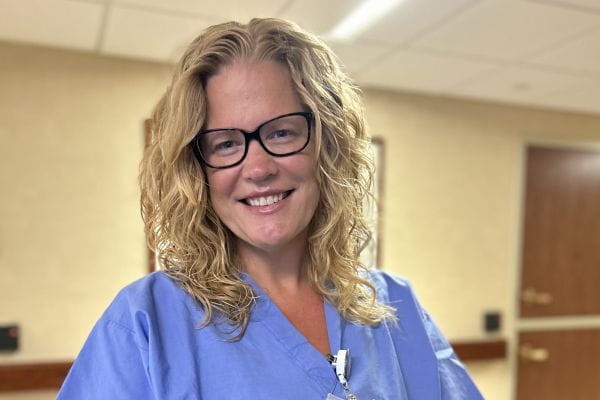
Angela, a nurse at Ascension St. Elizabeth Hospital, is proof of how early detection and routine screenings can catch breast changes early and prevent cancer.

September 9, 2025
At 95, Al Unger was treated for lymphoma at Ascension All Saints, using humor and positivity to show that a good mindset can carry you through any journey.
Jessica Burke, a labor and delivery nurse at Ascension St. Joseph Hospital in Milwaukee, shares what essentials to pack for your baby's birth.
Enjoy your summer safely with tips from Ascension Wisconsin to help you and your family stay injury-free while making the most of lakes, parks and roadways.
If incidents occur this Fourth of July, knowing where and when to get immediate and emergency care is important.
June 23, 2025
Ascension urgent care and orthopedic teams are here to help you manage your summer injury.

June 17, 2025
Dr. Michelle Braun, neuropsychologist and brain health expert with Ascension Wisconsin, explains how the choices we make each day may delay Alzheimer’s disease and boost overall health.

April 9, 2025
Ascension Wisconsin maternity care teams have created programs to improve care and advocate for patients to address Black maternal health disparities.
After being diagnosed with hydrocephalus and undergoing neurosurgery at Ascension Elmbrook in Brookfield, Wisconsin, this grandmother is now enjoying freedom from the symptoms that once limited her.
January 23, 2025
This military wife celebrates 14 years in remission after receiving personalized care for stage 3B cervical cancer at Ascension Columbia St. Mary’s Hospital - Ozaukee Campus

January 21, 2025
Care teams at Ascension Columbia St. Mary’s Hospital Level III NICU in Milwaukee, Wisconsin celebrated the graduation of a baby boy who spent 137 days in their care.
An Ascension Wisconsin lung cancer patient finds joy during his treatment by brightening the lives of those around him with costumes and toys.
October 24, 2025
Ascension Wisconsin is the first in the state to offer the new minimally invasive cryoablation treatment to help women who experience heavy menstrual bleeding.
Jessica Burke, a labor and delivery nurse at Ascension St. Joseph Hospital in Milwaukee, shares what essentials to pack for your baby's birth.
Enjoy your summer safely with tips from Ascension Wisconsin to help you and your family stay injury-free while making the most of lakes, parks and roadways.
If incidents occur this Fourth of July, knowing where and when to get immediate and emergency care is important.
June 23, 2025
Ascension urgent care and orthopedic teams are here to help you manage your summer injury.
After being diagnosed with hydrocephalus and undergoing neurosurgery at Ascension Elmbrook in Brookfield, Wisconsin, this grandmother is now enjoying freedom from the symptoms that once limited her.