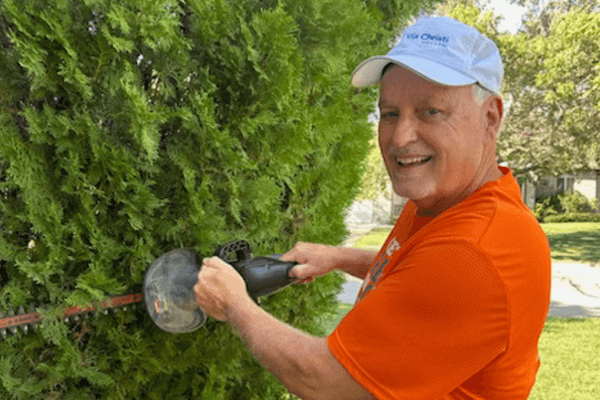
Radiation therapy relieved hand osteoarthritis
September 15, 2026
At Ascension Via Christi Cancer Center in Wichita, Kansas, low-dose radiation therapy provided lasting pain relief for hand osteoarthritis three years after treatment.
Doctors at Ascension Via Christi in Wichita, Kansas, provide a wide range of tests and screenings for children and adults. Your primary care team offers screenings for cancer and chronic conditions, and diagnostic testing for minor illnesses and injuries. Primary care doctors also provide ongoing monitoring if you have a chronic condition.
Your blood pressure helps your doctor understand your overall health. High or low blood pressure can be a sign of a health condition. Your doctor can check your blood pressure during doctor visits, and they can help you keep track of your blood pressure at home using at-home monitoring.
A blood test is a lab analysis of things that may be found in your blood. You may have blood tests to help your doctor make a diagnosis, or to keep track of how well you are managing a condition, such as diabetes or high cholesterol. You may also have them for routine checkups or when you are sick.
A good way to know how much body fat you have is the body mass index (BMI). The most accurate way to find your BMI is to have an exam by your doctor. Your doctor can also talk with you about your risks for health problems. They can give you advice for diet and exercise to get to a healthy BMI.
For women, your routine physical exam might include a breast exam. Your doctor can examine your breasts for lumps, which can be a sign of breast cancer. Your primary care doctor can refer you for additional imaging, such as a mammogram or breast ultrasound.
This test checks the cells from inside a woman's cervix for any changes that could lead to cancer. The cervix is the lower part of a woman's uterus that opens into the vagina.You may need this test as a screening test to look for cervical cancer or changes in cervical cells that might eventually lead to cancer.
Two screening tests can be used to check for prostate cancer:
Chlamydia, herpes, and gonorrhea are sexually transmitted infections (STIs). STIs are also commonly called sexually transmitted diseases. Many STIs cause no symptoms at first. Even symptomless STIs can be contagious. They can later cause long-term (chronic) or serious health problems. Once diagnosed, many STIs can be successfully treated. Some STIs, such as herpes, can't be completely cured and may happen again. But each recurrence can be prevented or treated.
September 15, 2026
At Ascension Via Christi Cancer Center in Wichita, Kansas, low-dose radiation therapy provided lasting pain relief for hand osteoarthritis three years after treatment.
August 14, 2026
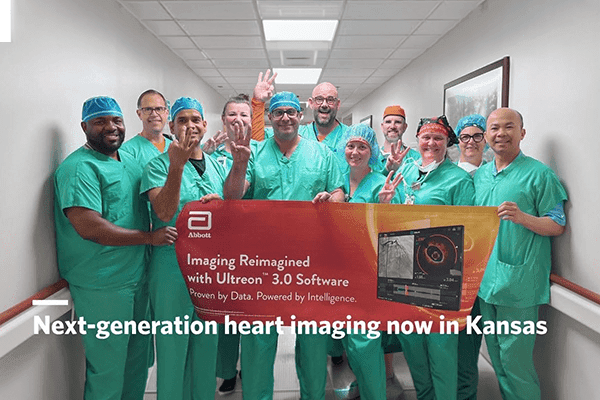
Ascension Via Christi is advancing heart care with Ultreon™ 3.0 imaging technology, helping cardiologists deliver more precise, personalized treatment for coronary artery disease close to home.

Angela’s breast cancer journey at Ascension Via Christi highlights the importance of annual mammograms, early detection and compassionate breast care in Wichita, Kansas.

July 2, 2026
Expecting her second baby this August, a Kansas mom returned to Via Christi St. Joseph's childbirth classes in Wichita for education, breastfeeding support and birth preparation.

April 10, 2026
Learn more about the most used pediatric inpatient care services at Via Christi St. Francis in Wichita, Kansas.
February 18, 2026
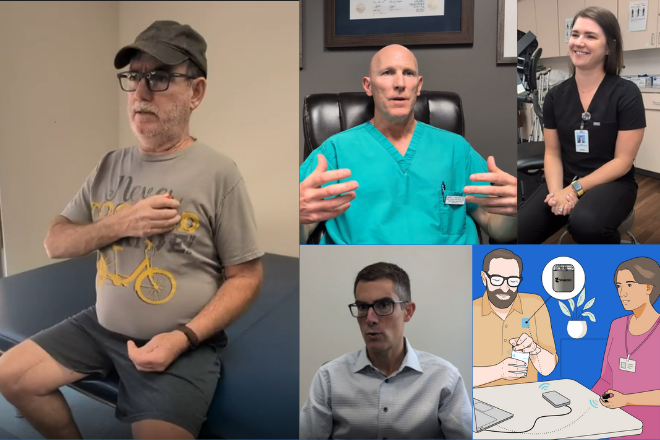
Ascension Via Christi St. Francis in Wichita, Kansas is the first hospital in the region that offers a new therapy for stroke survivors.
February 13, 2026
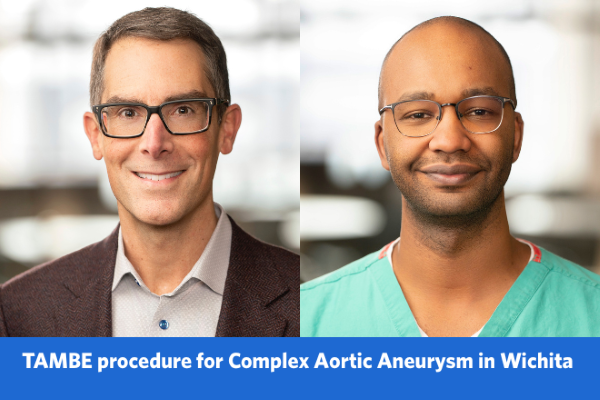
Via Christi St. Francis recently reached an important milestone in vascular care by becoming the first hospital in Wichita to perform a new minimally invasive procedure for complex aortic aneurysms.

January 28, 2026
Grace Gearhart, DO, family medicine and women’s care physician with Via Christi in Wichita, Kansas, discusses five risk factors for stroke in women.

January 21, 2026
Via Christi Weight Management surgical weight-loss team in Wichita, KS, helps patients treat obesity as a chronic disease with proven, life-changing bariatric surgery and lasting support.

January 13, 2026
Via Christi Weight Management’s surgical weight loss program in Wichita, KS, combined with weight-loss medications offers powerful results.

October 6, 2025
Andrew Hunt, MD, radiation oncologist at Ascension Via Christi in Wichita, Kansas shares what men should know about prostate cancer and how to treat it.

A third-time mom shares her positive labor and delivery experience at Via Christi Hospital in Manhattan Birth and Women’s Center in Manhattan, Kansas.

This new mom is grateful for Ascension Via Christi Birth and Women's Center in Manhattan, Kansas, for compassionate care for first delivery.

Via Christi Weight Management program in Wichita, Kansas, offers a comprehensive bariatric surgery program for people who struggle with weight loss.

If incidents occur this Fourth of July, knowing where and when to get immediate and emergency care is important.

June 23, 2025
Ascension urgent care and orthopedic teams are here to help you manage your summer injury.
From endometriosis, pregnancy loss and healing, Via Christi integrated OB-GYN, physical therapy and pediatrics helped a Wichita woman realize her dreams of motherhood with personalized care.
The Via Christi St. Joseph NICU in Wichita, KS, provides traveling doctors with trusted, specialized care after the delivery of both of their babies.

An affiliation between Via Christi in Wichita and Children’s Mercy Kansas City helps families receive advanced care for newborns with the most complicated conditions.
Via Christi Hospital Birth and Women’s Center in Manhattan, Kansas, helped provide a smooth delivery, compassionate nursing care and lactation support for this first-time mom.
Via Christi Valve and Cardiac Rehab clinics helped a Wichita native recover after having open-heart surgery and a TAVR procedure.

Dr. Hugh Wong, sleep specialist at Ascension Medical Group Via Christi in Wichita, explains how poor sleep increases the risk of high blood pressure, heart disease and stress.
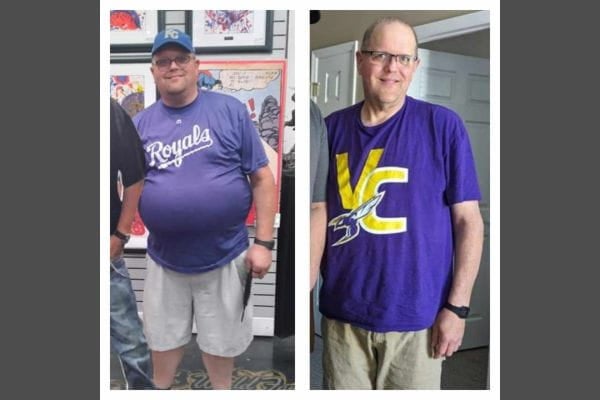
Ascension Via Christi Weight Management in Wichita, KS, helped a patient transform his health with a 90 pound weight loss and a new outlook on life.
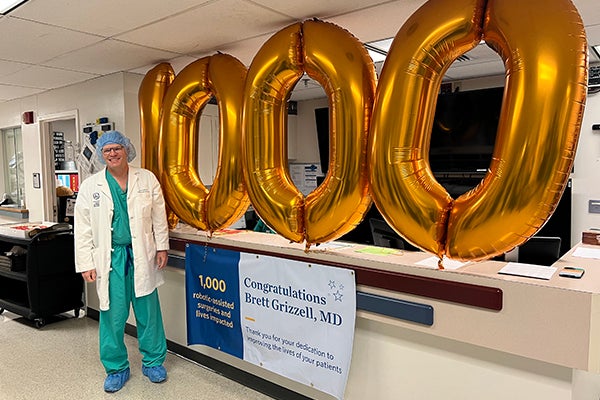
November 5, 2024
Brett Grizzell, MD, FACS, medical co-director of Via Christi’s Lung Nodule Clinic, has completed his 1,000th robotic-assisted surgery for the treatment of lung cancer in Wichita, Kansas.

This woman puts herself first and loses 238 pounds with Via Christi Weight Management’s surgical weight loss program in Wichita, KS.

Via Christi’s Weight Management program in Wichita, Kansas helps grieving mother lose 70 lbs in 23 weeks.
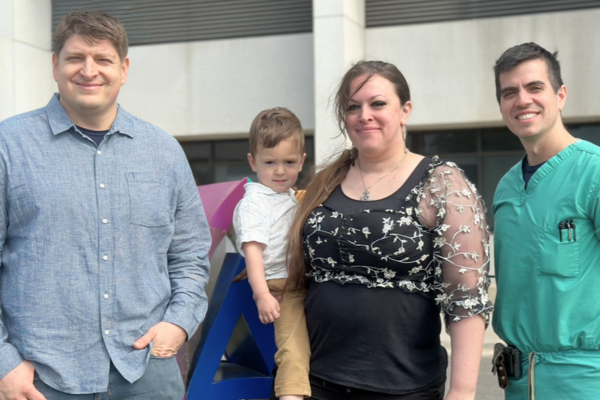
Dr. Johnathan Scrafford, and the Via Christi OB-GYN team safely deliver a baby during a high-risk cesarean scar ectopic pregnancy.
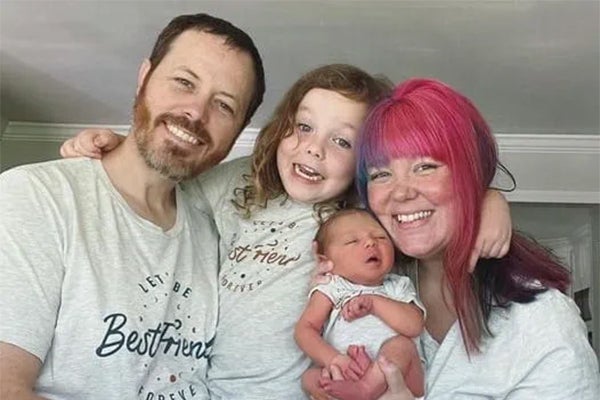
December 4, 2023
A Wichita mom who used Ascension Via Christi childbirth education classes for her first child enrolls again to prepare for her second baby.
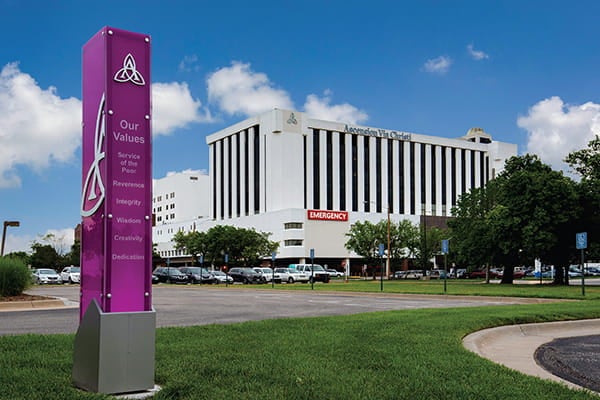
Ascension Via Christi in Wichita, KS, celebrates a decade of its hybrid operating room, which is used for structural heart procedures.
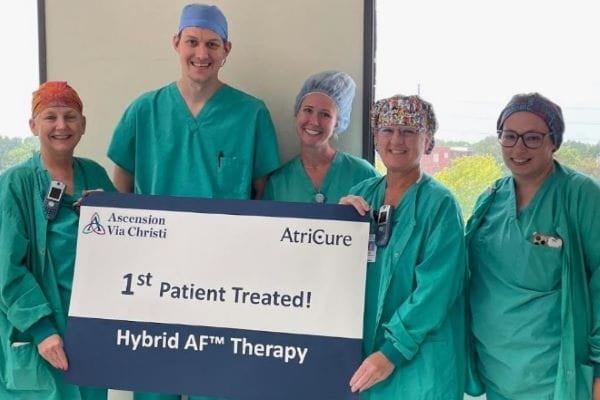
Ascension Via Christi in Wichita, Kansas now offers a new minimally invasive AFib therapy for persistent abnormal heart rhythms.
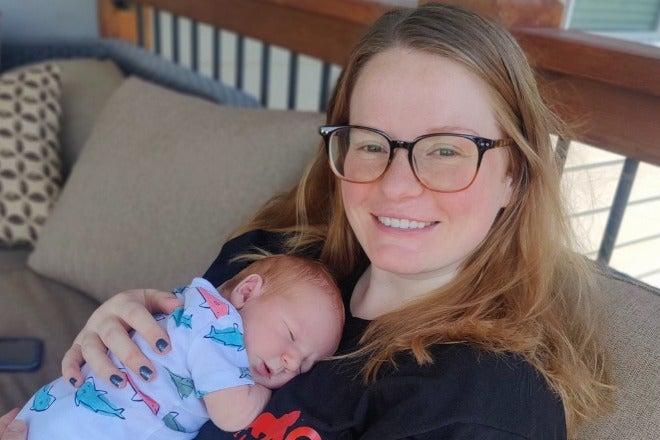
Ascension Via Christi stroke nurse took on the role as patient during her birthing experience and appreciated the care she received from her coworkers.
September 27, 2023
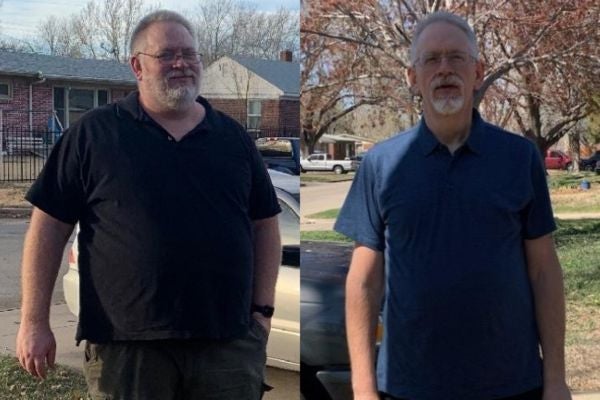
Ascension Via Christi Weight Management helps Wichita man lose weight without surgery through diet and exercise.
July 24, 2023
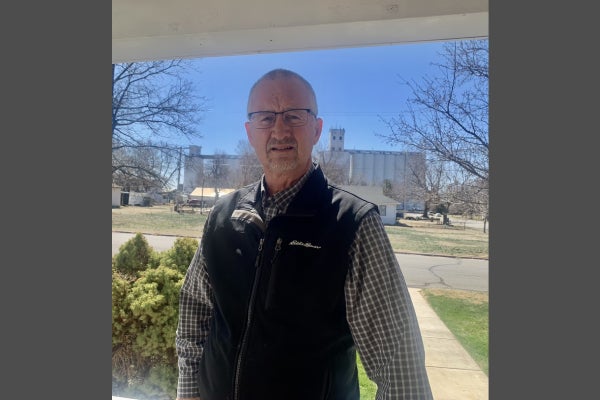
Ascension Via Christi heart care teams discover a farmer's rare heart condition that required emergency surgery to repair.
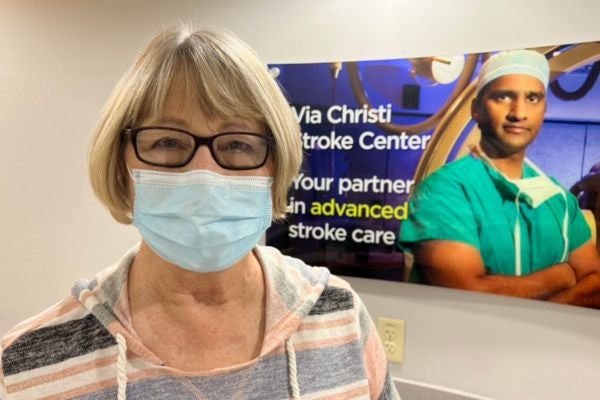
Quick, life-saving care from Ascension Via Christi Comprehensive Stroke Center helped a Wichita woman get back to work within a week.
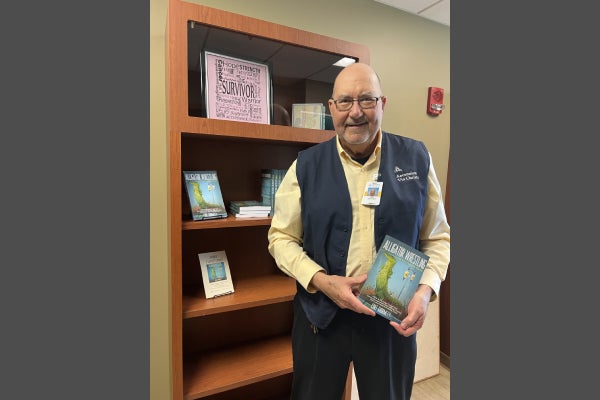
Curt Ghormley spent 83 days at Ascension Via Christi St. Francis for an aggressive bone marrow cancer. He wrote a book after entering into remission.

Ascension Via Christi Structural Heart adds 4D intracardiac echo device to better view patients' hearts and perform interventional procedures.
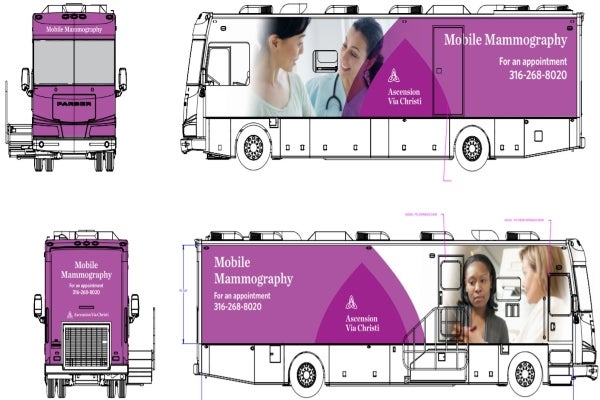
Ascension Via Christi has purchased a customized mobile mammography vehicle, which once received and operational this summer, will make 3D breast imaging screening exams available at worksites and other Wichita, Manhattan and Pittsburg, Kansas, area community sites.
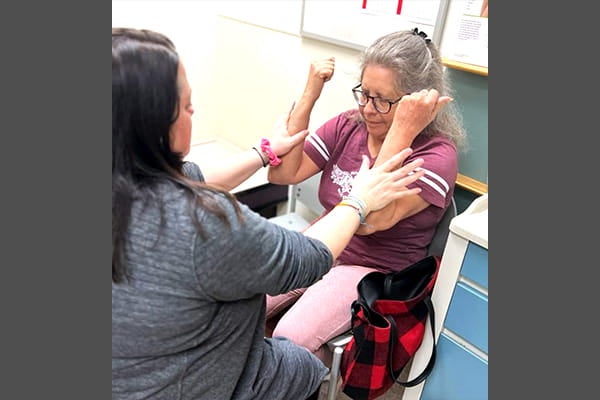
Susan Keeton suffered a stroke and was treated with quality care at Ascension Via Christi St. Francis in Wichita, resulting in Ascension becoming her chosen provider.
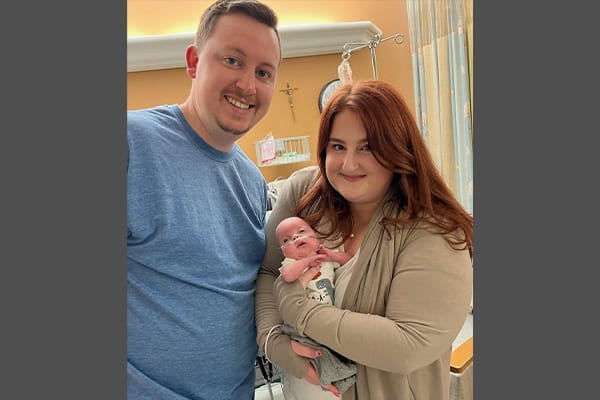
Courtney and Billy Walston had planned to celebrate their two-year wedding anniversary dining out and discussing the next major milestone in their lives: The arrival of their first baby, due Feb. 15, 2023.
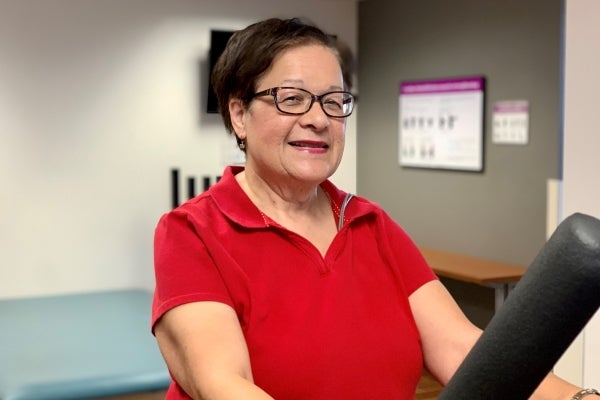
April 20, 2023
Jacque Gordon loves being a nurse and for 44 years has found joy in helping patients get back to their lives.
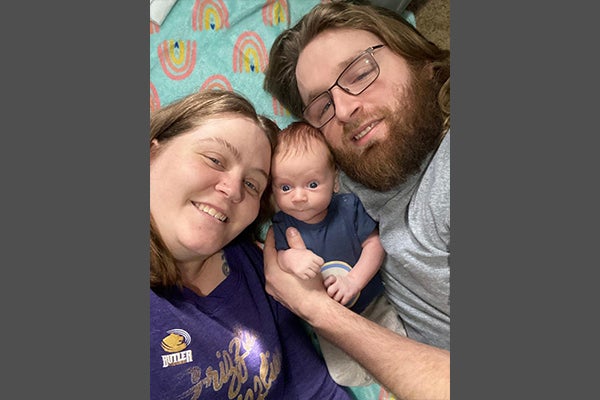
While an emergency Cesarean section hadn’t been a part of Jonnie and A.J. VanKleek's birth plan, they were thrilled with the five-star care they received at Ascension Via Christi St. Joseph.
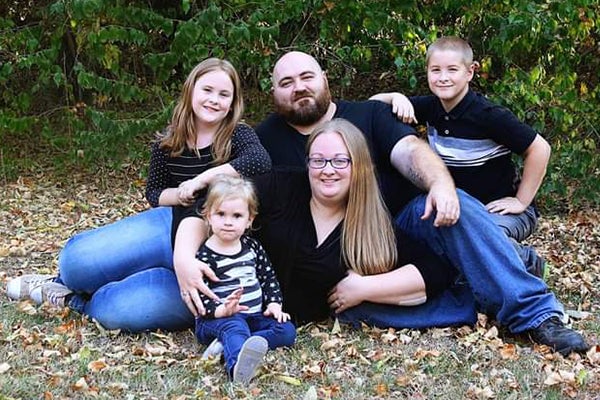
Elaina Johnson was approximately six weeks pregnant with her fourth child when she had a feeling that "something wasn't right."

The Ascension Via Christi Palliative Care team often witnesses and engages in acts of kindness to bring a measure of comfort to end-of-life patients and their families.
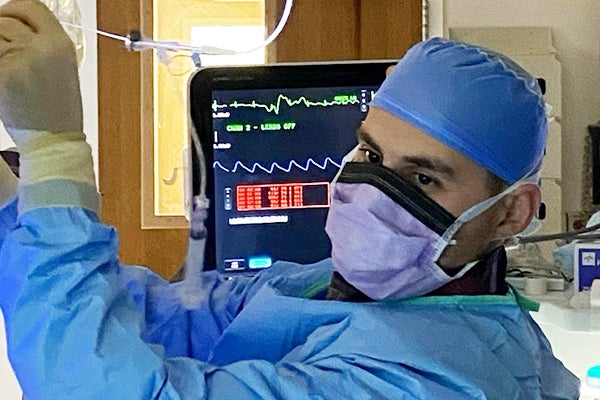
April 19, 2023
Because lung cancers can be curable when discovered while still small and localized, Ascension Via Christi invested in a robotic-assisted platform that can locate and reach nodules as small as 8 millimeters.
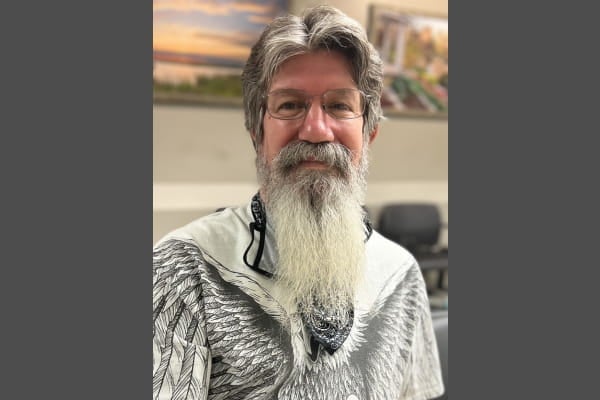
Doctors at the Ascension Via Christi Lung Nodule Clinic in Wichita, KS, helped find and treat lung cancer quickly because of a lung cancer screening.

Ascension Via Christi associate was diagnosed with breast cancer after a self examination, and found care and support from her colleagues in Wichita, KS.
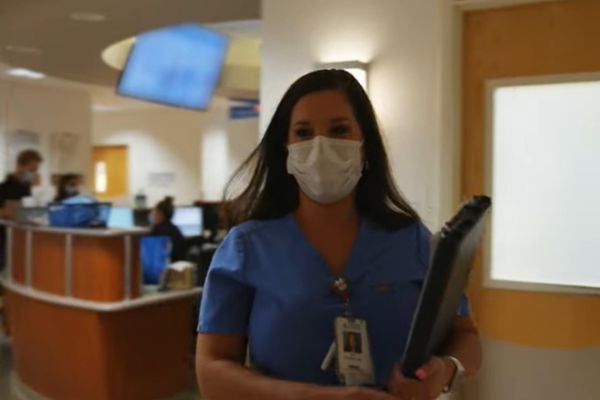
Annie Simmons didn't initially plan to make nursing her life's work.
January 4, 2023
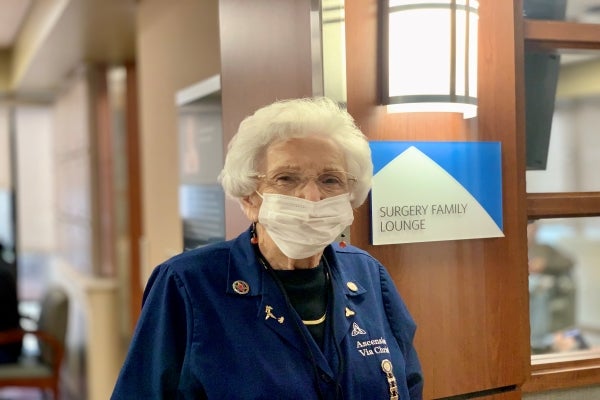
On Nov. 10, Betty McCutcheon finished her last day of 25 years as an Ascension Via Christi Volunteer. On Nov. 16, she celebrated her 90th birthday.