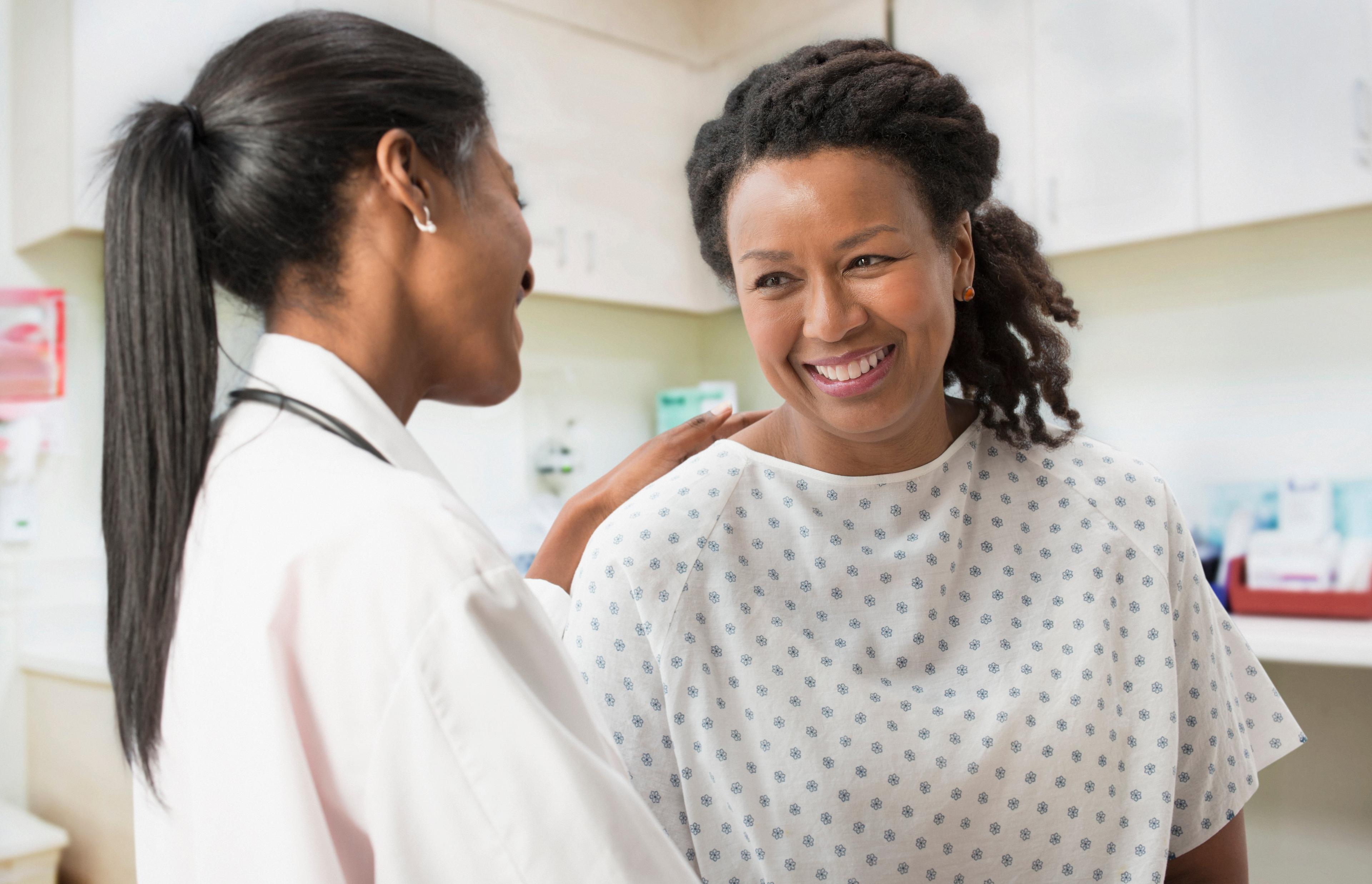
Annual mammograms: Why screening matters
October 5, 2026
During Breast Cancer Awareness Month, doctors at Ascension Florida are highlighting the importance of regular breast cancer screening and early detection.
Angioplasty and stenting is a procedure to improve the blood flow in an artery or vein. The carotid artery is a large artery running along each side of your neck. During the procedure, a thin flexible tube (catheter) is put into an artery in your groin. It's gently threaded up into the problem area in the carotid artery. The catheter has a tiny, deflated balloon at the tip. When it reaches the narrowed part of your carotid, the balloon is inflated. This opens up the narrowed area. This is called angioplasty.
A tiny mesh tube (stent) may be put into this area. It's left in place to help keep the artery open.
A thin tube (catheter) is placed into the heart through a blood vessel in the leg or arm. The pressures of the heart are measured A contrast agent can also be injected into the heart arteries or heart chambers while X-ray images are taken. This can identify structural problems of the heart as well as narrowing in the heart arteries.
Cardiac rehabilitation is a medically supervised program to help people who have heart disease. It's designed to improve heart recovery and your ability to function, and prepare you for future daily activities. It may be recommended if you have had a heart attack or heart surgery. Cardiac rehab can often help you get better at your daily tasks. It may ease your symptoms and give you a sense of well-being.
Cardiac resynchronization therapy (CRT) is treatment to help restore the normal rhythm (timing pattern) of the heartbeat. A CRT pacemaker is a specific type of pacemaker with an additional wire that goes to the left side of the heart. This allows it to coordinate the timing between the left and right sides of the heart.
This procedure uses radio frequency energy or freezing to get rid of problem areas in the heart that cause abnormal heart rhythm. The abnormal area is found during an electrophysiology study. This study maps the electrical activity that controls the heart rhythm. This procedure can diagnose and potentially cure abnormal heart rhythms.
Your cardiologist might suggest CABG to treat blocked or narrowed coronary arteries. CABG is a surgical technique used to restore healthy blood flow to the heart, improve heart function and reduce symptoms. Our experienced cardiac surgeons perform both on-pump CABG and off-pump CABG. The procedure is chosen based on the severity of the blockage in the coronary arteries.
If you are eligible for transplant listing, you will be placed on the waitlist. Wait times can vary from a few months to several years, depending on your size, blood type, tissue type and organ availability. A heart surgeon will replace your damaged heart with a healthy donor heart once one becomes available for you.
A heart transplant replaces a severely diseased or failing heart with a healthy donor heart, restoring the heart's ability to pump blood effectively. Your cardiologist will work with our dedicated transplant team and provide personalized care every step of the heart transplant journey, from evaluation and donor matching to surgery and lifelong follow-up.
A defibrillator wire is inserted into the heart and connected to an implanted device in the chest. It can send out electricity to either pace or shock the heart back into normal rhythm. This can be lifesaving when life-threatening rhythms are found.
A device may be used to close off the left atrial appendage in some cases. This can prevent stroke without having to use lifelong blood thinners. The left atrial appendage is the area within the heart where most blood clots form. By closing this area off, any clots that form there cannot get out to travel to the brain to cause a stroke. The device is implanted without heart surgery. This device is not right for everyone. It is generally considered in those who are at high risk for stroke, as well as high risk for bleeding. Even with the device, you may need to take blood thinners in the short-term.
Your cardiologist may recommend medications to help manage your heart condition. Mediation may be used to lower blood pressure, prevent blood clots, lower cholesterol and more.
Your cardiologist might recommend a pacemaker if you have irregular heartbeats, a slow heart rate or are experiencing heart block. A pacemaker helps keep your heart regulated by sending electric signals to your heart if it senses trouble. The device is implanted under the skin and helps improve symptoms such as fatigue, dizziness and fainting.
This procedure encompasses several types of procedures that are designed to improve blood flow through the coronary arteries, including:
Transcatheter aortic valve replacement (TAVR) is a procedure that replaces a diseased aortic valve with a man-made valve. The TAVR procedure may be recommended as an alternative to open heart surgery. The old heart valve is not removed but acts like an anchor for the new heart valve. This procedure is done through small cuts (incisions) using a long, thin tube (catheter), X-rays, and ultrasound.
Cardiac surgeons treat complex heart valve disease to repair damaged heart valves through open heart surgery and minimally invasive procedures, including TAVR and MitraClip™. When one or both of your valves do not open or close correctly, it can lead to reduced blood flow, cause the heart to work harder, and result in symptoms such as fatigue, shortness of breath, chest pain, fainting, or even heart failure.
A VAD also known as a heart pump is a mechanical device used to help the pumping function for one or both of the heart's pumping chambers (ventricles). It may be needed when heart failure gets to the point that medicines and other treatments no longer work. A VAD can help someone's heart work when they are waiting for a heart transplant. Or when someone is waiting to see if they are a candidate for a transplant. A VAD can also be a permanent treatment. And it can help a person's heart recover after surgery.
If you are experiencing chest pain, especially in combination with jaw or arm pain, lightheadedness, nausea, vomiting or difficulty breathing, you might be having a heart attack.
Call 911 or go to the nearest emergency room right away.
October 5, 2026
During Breast Cancer Awareness Month, doctors at Ascension Florida are highlighting the importance of regular breast cancer screening and early detection.
September 17, 2026
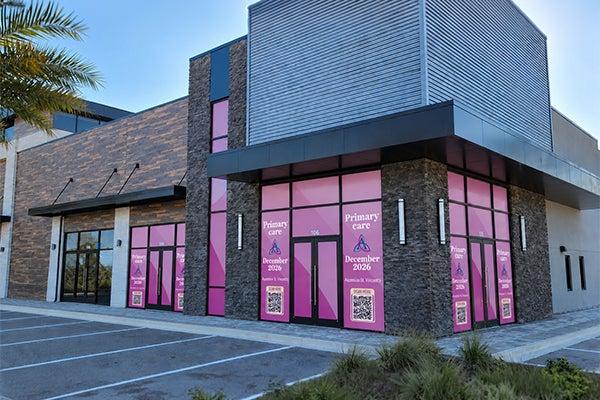
Ascension St. Vincent’s will open a new primary care clinic in Aberdeen on Dec. 4, 2026, expanding convenient care in St. Johns County.
September 2, 2026
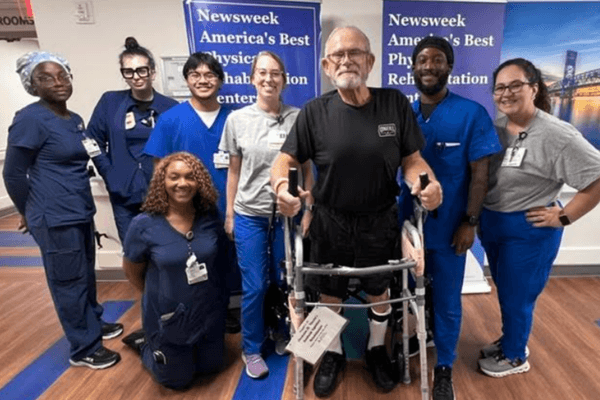
At Ascension St. Vincent's Southside in Jacksonville, one patient's journey toward independence began with expert spine care from Dr. Stephen Parker.
August 6, 2026
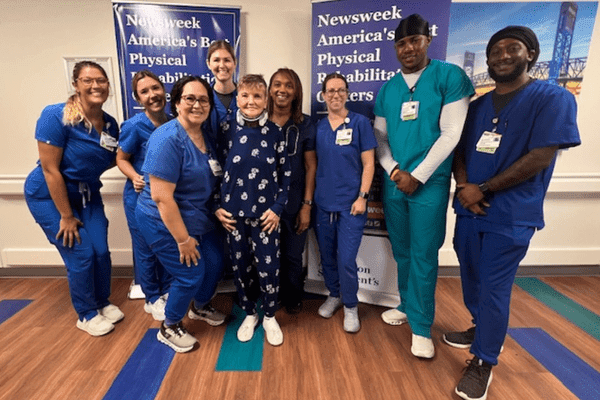
Following neurosurgery, Lillian regained strength, mobility and independence through an inpatient rehabilitation at Ascension St. Vincent’s in Jacksonville, celebrating a life-changing recovery.
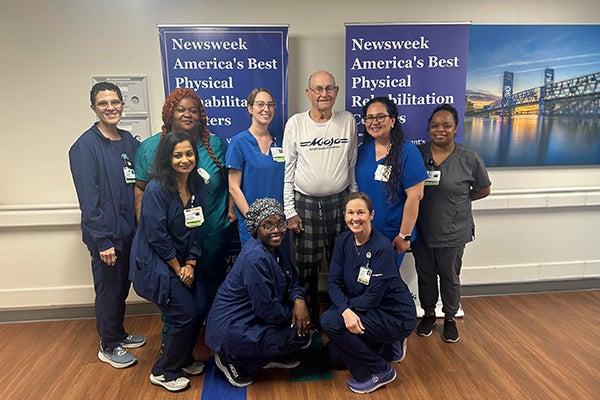
At Ascension St. Vincent’s Southside in Jacksonville, Florida, a local resident regained independence after spine surgery and rehabilitation with care from neurosurgeon Dr. Ali Chahlavi.
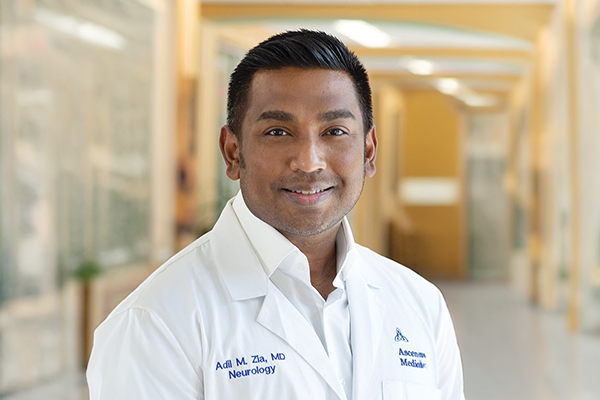
Adil Zia, MD, neurologist and stroke director at Ascension St. Vincent’s hospitals in Jacksonville, Florida, answers questions about stroke signs and symptoms.

Ascension St. Vincent’s has opened another freestanding emergency department on Jacksonville’s Southside to serve its growing community.
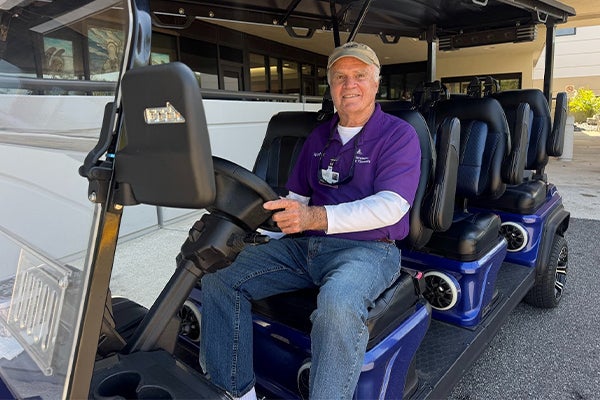
At Ascension St. Vincent’s Southside, a dedicated volunteer golf cart driver transforms parking lot arrivals into compassionate, accessible care, even securing new transportation through a grant.
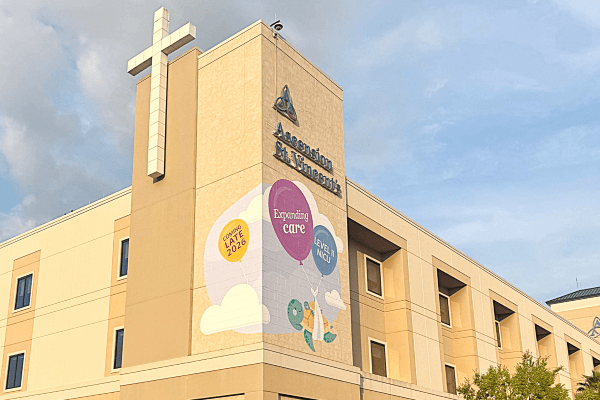
Ascension St. Vincent’s Clay County Level II NICU expansion is a step toward bringing specialized newborn care closer to home for families in Northwest Florida.
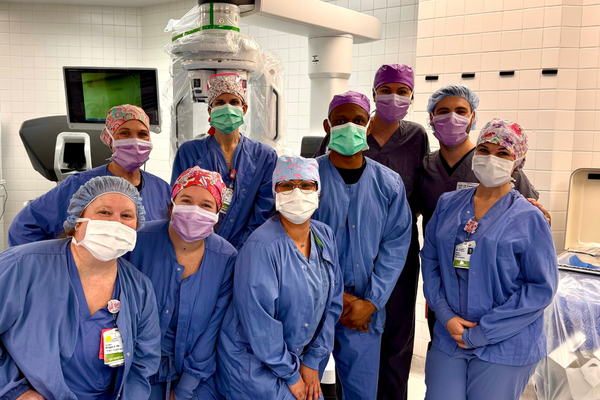
Ascension St. Vincent’s Riverside in Jacksonville, Florida, added a new surgical system that expands surgical care options for patients across several specialties.
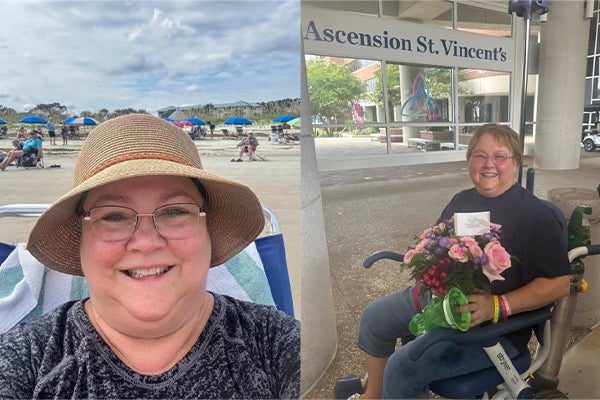
During a July family wedding trip, a mother of the bride received lifesaving neurosurgical care for a brain tumor from Dr. Aristotelis Filippidis at Ascension St. Vincent’s Riverside.
February 27, 2026
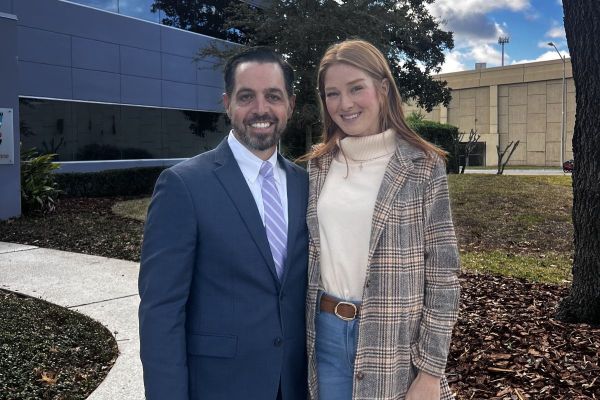
After a routine gynecology visit revealed stage three cervical cancer, Kristina began treatment with Martin Martino, MD, gynecologic oncologist at Ascension St. Vincent’s Riverside in Jacksonville, Florida.

February 24, 2026
Ascension Rx Southside Pharmacy is an accredited specialty pharmacy in Jacksonville, Florida that provides advanced medication support and personalized care to local residents.
February 23, 2026
At Ascension St. Vincent’s Southside Inpatient Rehabilitation specialists help you get back to doing what you love.
February 19, 2026
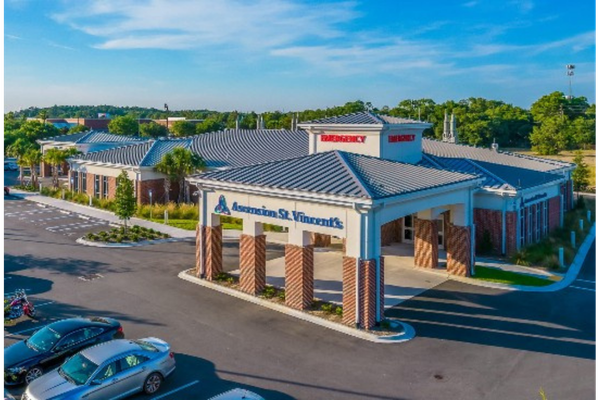
When a Jacksonville man chose a freestanding ER like Ascension St. Vincent’s Emergency Care - Arlington, for emergency care he had access to life-saving care close to home.
February 5, 2026
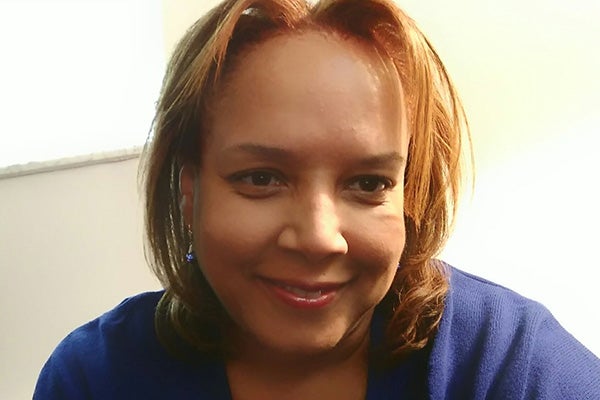
In September 2025, Sherri received lifesaving cardiac care from Dr. Lucien Abboud at Ascension St. Vincent’s Cardiology – St. Johns after testing revealed a serious heart blockage.

February 4, 2026
When illness or injury happens, understanding when to visit an Ascension St. Vincent’s ER or urgent care can potentially save your life.

January 29, 2026
Ascension St. Vincent’s bariatric program in Jacksonville, Florida, shares some truths about weight-loss options.
January 12, 2026
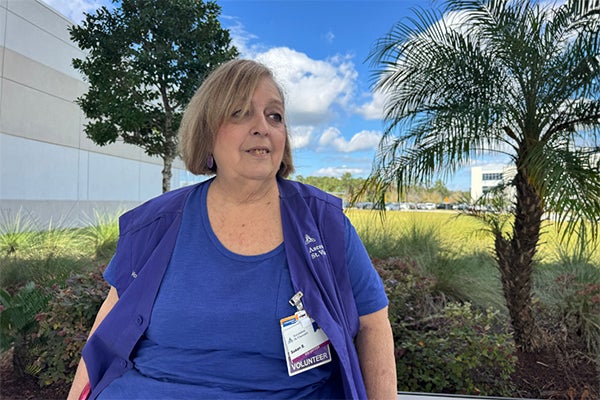
An Ascension St. Vincent’s St. Johns County hospital volunteer transformed her grief from losing her husband into a mission of kindness and compassion, inspired by the care her late husband received.
December 8, 2025
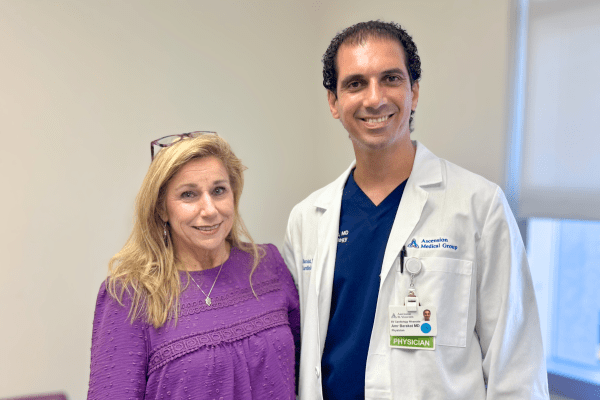
After surviving a lightning strike in 2025, Georgia teacher Angela received AFib care from Dr. Amr Barakat at Ascension St. Vincent’s Riverside in Jacksonville, Fl.

December 1, 2025
Bariatric Medical Director Miroslav Uchal, MD at Ascension St. Vincent’s shares the new non-surgical weight-loss options for Jacksonville, Florida residents.
November 21, 2025
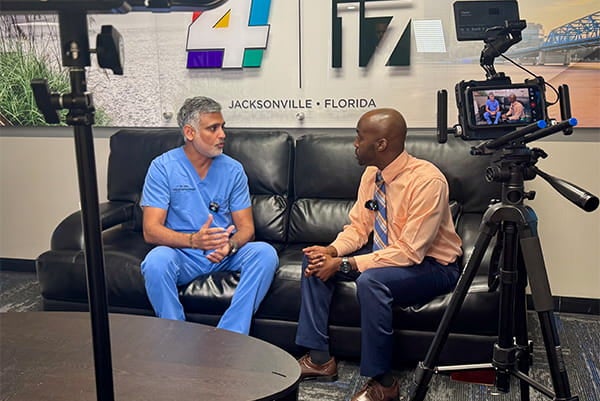
Dr. Saumil Oza, cardiologist at Ascension St. Vincent’s Riverside in Jacksonville uses a combined procedure to treat patients with AFib to help with faster recovery and reduce their risk for stroke.
October 28, 2025
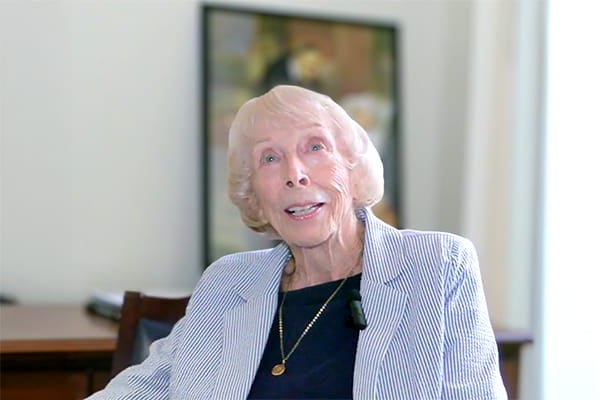
At Ascension St. Vincent’s in Jacksonville, Dr. Martin Martino helped an 88-year-old woman from Orange Park overcome uterine cancer through compassionate, personalized care and advanced treatment.
October 28, 2025
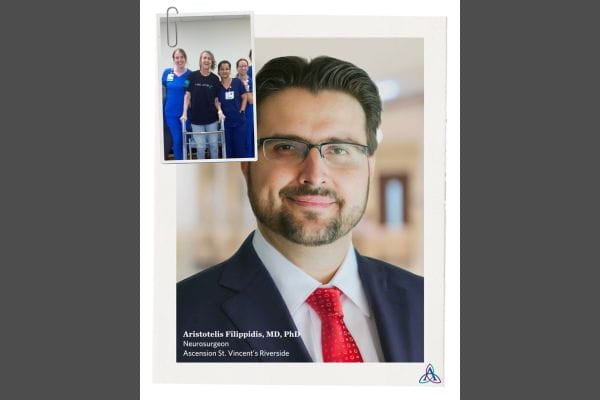
At Ascension St. Vincent’s Riverside in Jacksonville, Florida, neurosurgeon Dr. Aristotelis Filippidis performed brain tumor surgery that saved a patient’s life.
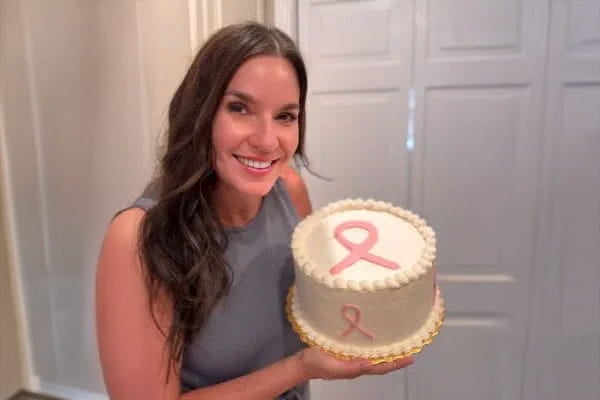
Patient thanks doctor at Ascension Sacred Heart Surgical Breast Oncology Bay in Panama City for her guidance and care during her breast cancer journey.
October 20, 2025
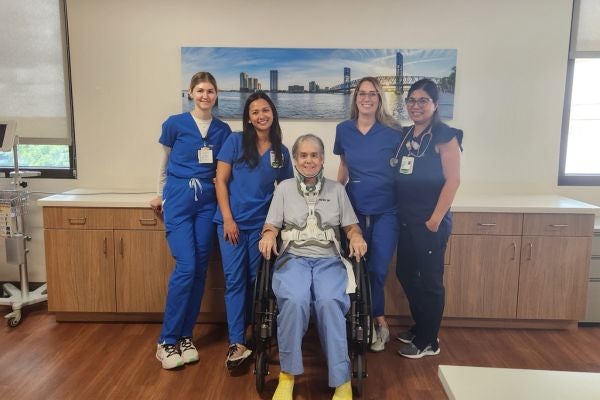
After a spine cancer diagnosis, Mr. Santorelli turned to Dr. Stephen Parker, neurosurgeon, and the care team at Ascension St. Vincent’s in Jacksonville, Florida, for spinal surgery and rehabilitation to find relief from pain and regain strength and independence.
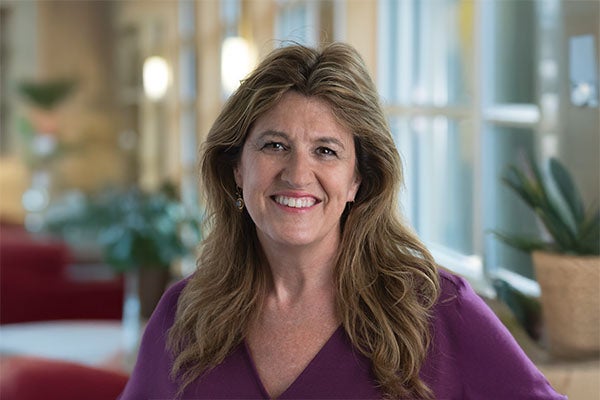
Deborah A. Weyer, MD, pediatrician at Ascension St. Vincent’s in Jacksonville, Florida, is helping children and families prevent and manage obesity through early screenings, healthy lifestyle guidance, and personalized pediatric care.
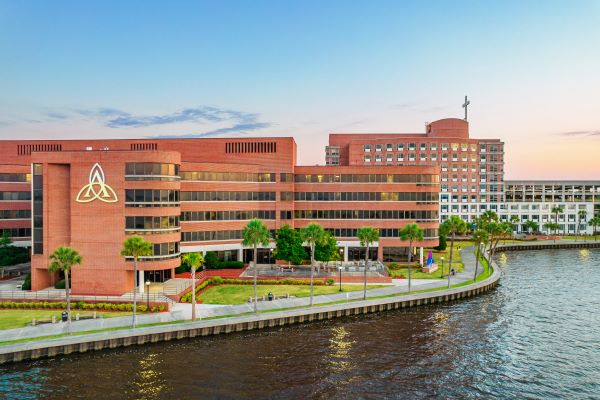
Neurosurgeon at Ascension St. Vincent’s Riverside in Jacksonville, FL, is using new technologies to care for patients with brain and spine tumors.
July 9, 2025
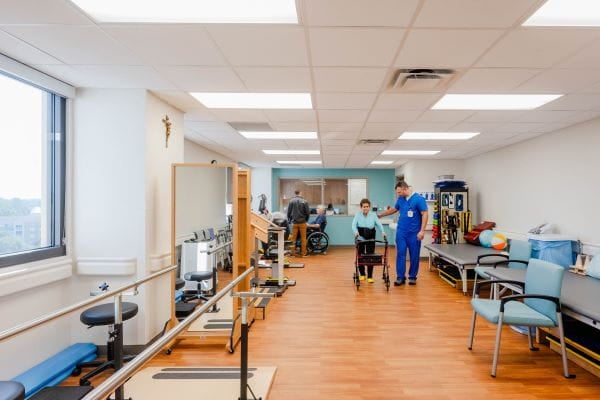
Ascension St. Vincent’s Southside Inpatient Rehabilitation Facility in Jacksonville, Florida, helps stroke patients recover and regain their strength after a hospitalization.

If incidents occur this Fourth of July, knowing where and when to get immediate and emergency care is important.
June 23, 2025
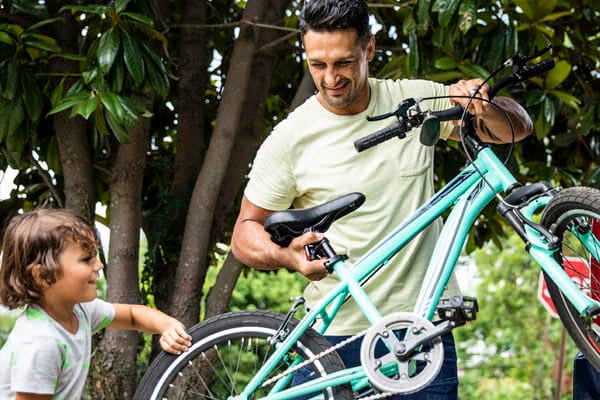
Ascension urgent care and orthopedic teams are here to help you manage your summer injury.
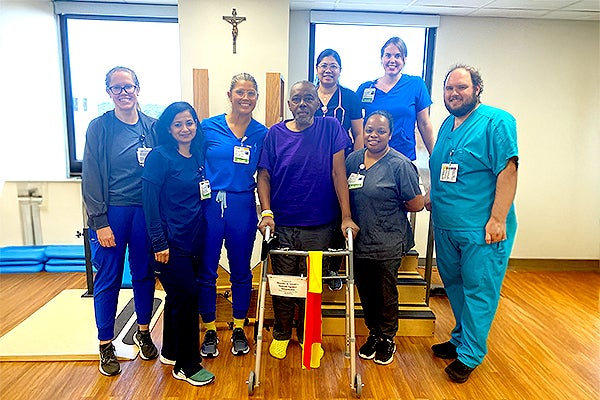
Ascension St. Vincent’s Southside Inpatient Rehabilitation Facility in Jacksonville, Florida, helps stroke patients recover and regain their strength after a hospitalization.

Mobile health nurse Peggy Kennon shares the importance of giving care to communities with limited access to health care through her work at Ascension St. Vincent’s in Jacksonville, Florida.
April 30, 2025
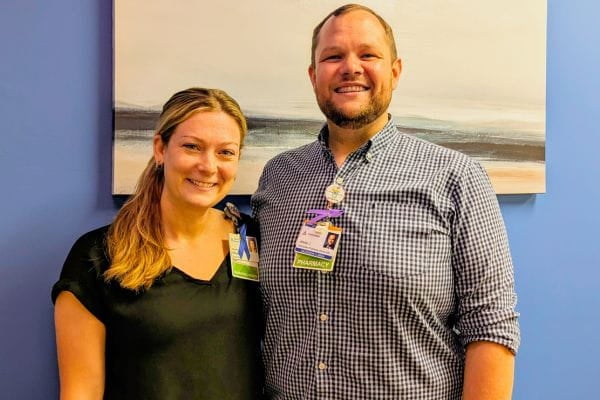
Ascension Rx medication assistance team at Ascension Sacred Heart in Pensacola, Florida, collaborated with a missionary worker diagnosed with brain cancer to overcome the costs of medication allowing her to focus on her recovery.
April 22, 2025
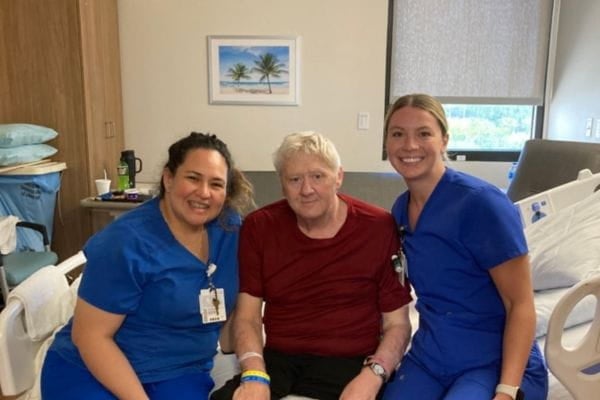
Finding Strength and Support at Ascension St. Vincent’s Southside Inpatient Rehabilitation Facility

Dr. Augustus Perez, a pediatric neurosurgeon at Ascension Sacred Heart in Pensacola, Florida, helps an infant boy with a developmental condition called craniosynostosis.
Alabama couple finds compassionate care through every step of their journey at Ascension Sacred Heart in Pensacola, during a high-risk triplet pregnancy and delivery.
February 25, 2025
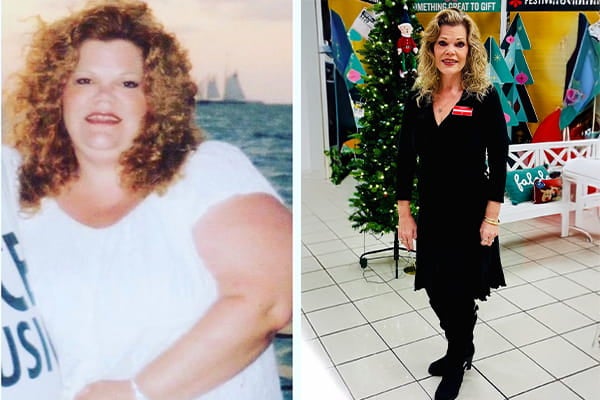
After having bariatric surgery, Jacksonville grandmother credits Ascension St. Vincent’s weight loss program for helping her with her weight-loss journey.
An executive assistant at Ascension St. Vincent’s Southside received advanced maternity care for her high-risk twin pregnancy in Jacksonville, Florida.
Teen reunites with 70 care team members who played a critical role in her journey to recovery after surviving a shark attack at Rosemary Beach, FL.
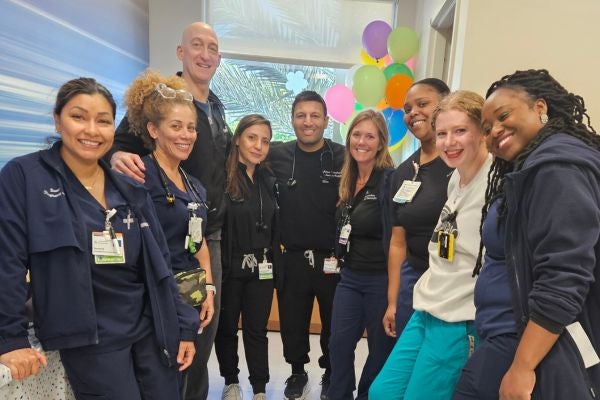
November 13, 2024
Ascension St. Vincent’s St. Johns County nurse manager’s honors the hospital's 100-years- of service by starting a food pantry for the St. Johns, FL, community.
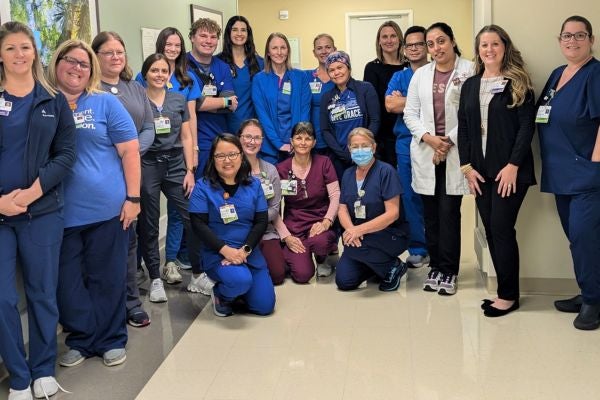
Ascension St. Vincent’s Clay County rehabilitation team worked together to support the patient's journey to recovery during more than 100 days in the hospital in Middleburg, FL.
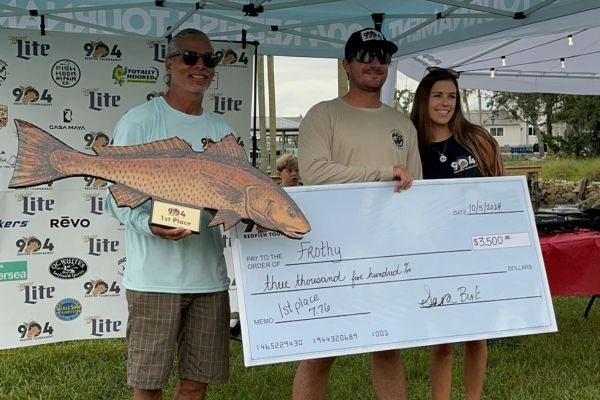
November 5, 2024
Ascension St. Vincent's Riverside OR nurse’s personal experience with having family members living with heart disease inspired her to raise money for heart research in Jacksonville, Florida.
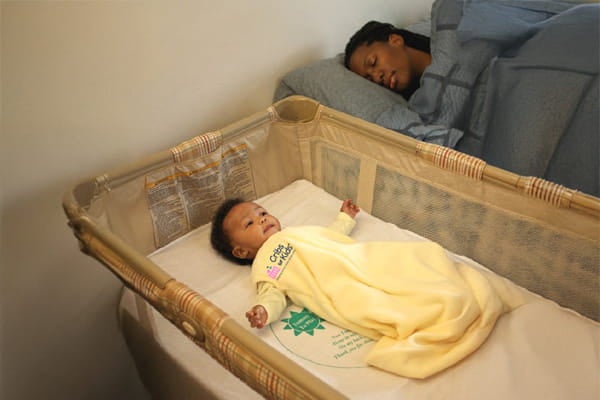
In Jacksonville, Florida, expecting families learn ways to prevent infant sleep-related deaths at Ascension St. Vincent’s
Deborah A. Weyer, MD, pediatrician at Ascension St. Vincent's Pediatrics in Lake Asbury, Florida shares tips for parents to keep their children physically and mentally healthy during the school year.
Orthopedic surgeon, Dr. Mark Elliott helps a former hospice nurse find pain relief with a shoulder repair surgery at Ascension Sacred Heart in Pensacola, FL.
Justin Labrato shares what he has learned while serving as the Chief Operating Officer at Ascension Sacred Heart Medical Group in Pensacola, FL.
February 26, 2024
Ascension St. Vincent’s Riverside gynecologic oncology surgeon in Jacksonville, FL, helps patient balance surgical care with religious beliefs
January 31, 2024
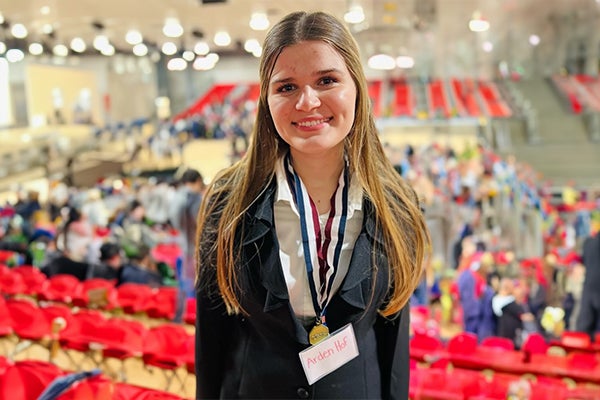
Ascension Sacred Heart surgeons pay it forward by mentoring future health professionals in Pensacola, FL.
January 10, 2024
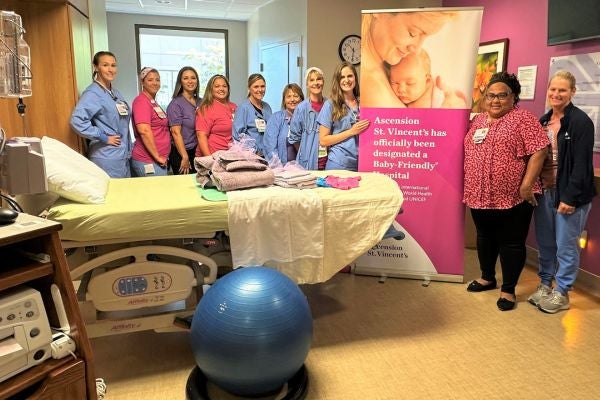
Ascension St. Vincent’s Clay County’s maternity care in Middleburg, Florida ranked among the nation’s best

October 12, 2023
A well-known patient advocate in Pensacola, FL, overcame breast cancer twice with early detection and treatment at Ascension Sacred Heart.
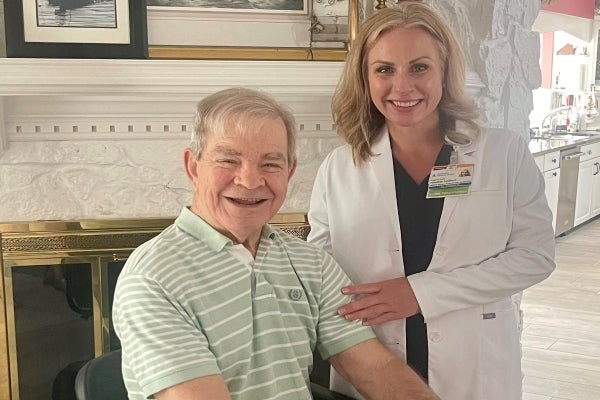
Nurse practitioner Heather Ledford at Ascension St. Vincent’s travels to patients’ homes to give personalized care when they are unable to leave the house.
September 13, 2023
Pensacola pediatric trauma director at Studer Family Children’s Hospital applauds new golf cart law that raises driving age.
September 1, 2023
Pensacola man doesn’t delay seeking care at Ascension Sacred Heart when his skin starts to discolor from pancreatic cancer.
August 31, 2023
Wear and tear of the hip, knee and other joints is part of aging, but Pensacola, FL patients find relief with minimally invasive surgery at Ascension Sacred Heart.

August 25, 2023
Pensacola football coach suffers stroke mid-game, receives lifesaving treatment at Ascension Sacred...
August 24, 2023
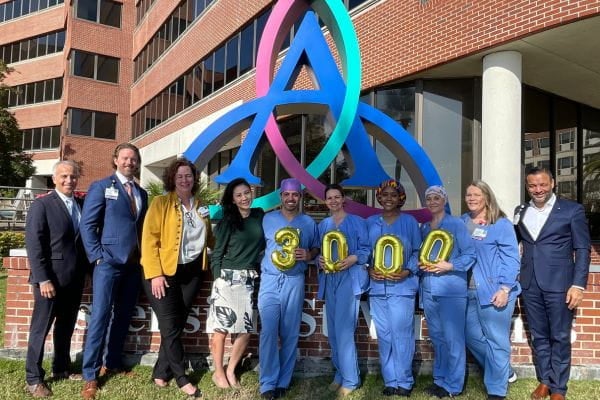
The 300th TAVR patient at Ascension Sacred Heart in Pensacola, FL, is happy with his improved quality of life after surgery.
August 23, 2023
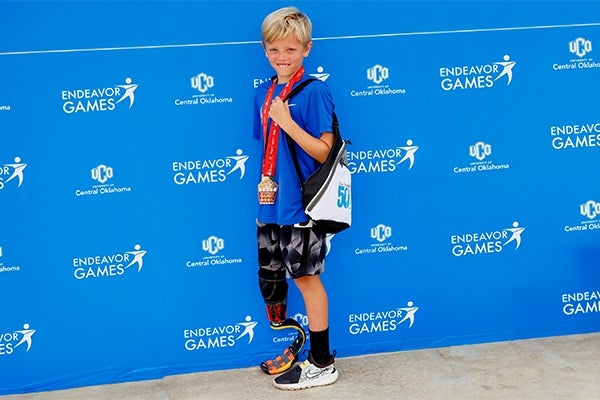
Ascension Sacred Heart ER nurse helps son in an incident that left him partially amputated in Pensacola, FL.
August 21, 2023
Ascension St. Vincent’s faith community nurse in Jacksonville, FL shares how she was called to serve.
August 18, 2023
Dr. Kurt T. Stockamp, general surgeon at Ascension Sacred Heart in Pensacola, Florida answers questions related to gallbladder surgery.
August 16, 2023
Ascension Sacred Heart has earned David’s trust over the years. From primary care to orthopedics to cardiology, he says he has confidence in his care team. When he felt chest pain, fatigue and dizziness, he says he knew where to turn.
July 31, 2023
Jennifer Morton, DNP, RN, takes on a new leadership role at Ascension as the Senior Director of Nursing Practice and Operations for the organization.
Florida vacationers receive emergency care from Ascension Sacred Heart Pensacola in Pensacola, FL, after an unexpected cardiac event.
Ascension St. Vincent’s new technology gives Jacksonville man a second chance with real-time management of heart failure.
Dr. Amr Barakat, cardiac electrophysiologist at Ascension St. Vincent's Cardiology in St. Johns County, Florida answers questions about treating AFib.
Patient returns to serving others after having the WATCHMAN procedure at Ascension Sacred Heart Bay in Panama City, FL.
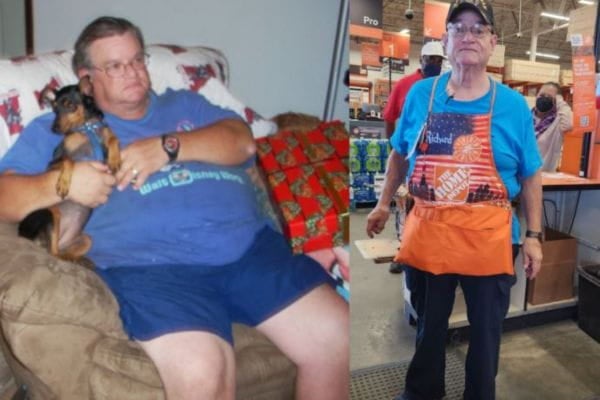
A Pensacola, Florida man embraces a new active life after having weight-loss surgery and support at Ascension Sacred Heart.
June 1, 2023
Dr. Lauren Stipp, cardiologist at Ascension Medical Group Sacred Heart Cardiology 30A in Watersound, FL answers common questions about heart CT scans.
Dr. Jairan L. Duke-Elmore, obstetrician at Ascension Medical Group Sacred Heart in Pensacola, Florida answers common questions about pregnancy and heart disease.
May 31, 2023
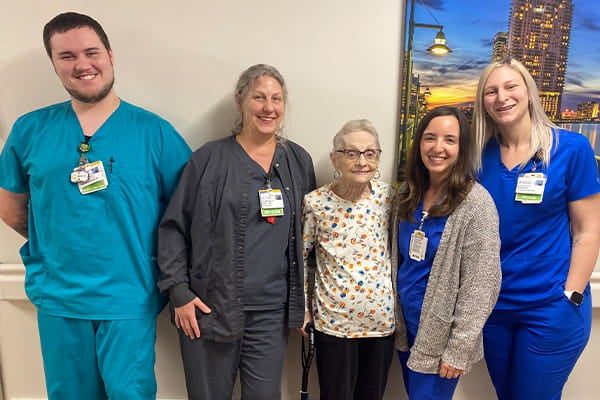
Ascension St. Vincent’s Inpatient Rehabilitation Unit in Jacksonville, FL helped this grandmother regain strength and function in her muscles.
May 17, 2023
Dr. Marcia Schmidt, gynecologic oncologist at Ascension Medical Group St. Vincent’s Gynecologic Oncology and Advanced Women’s Health in Jacksonville, Florida answers common questions about cervical cancer.
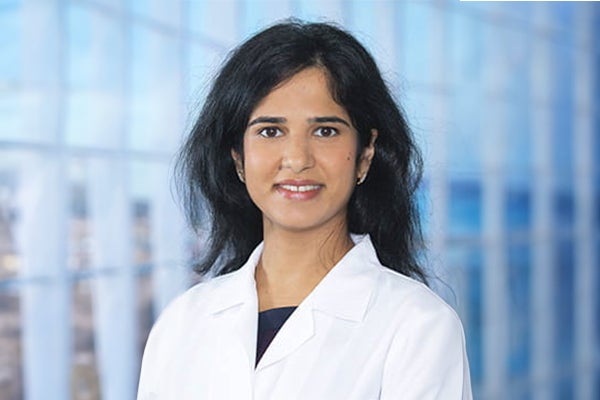
Dr. Shailee Shah, cardiologist at Ascension Medical Group St. Vincent’s Women’s Heart and Prevention Clinic in Saint Johns, Florida answers common questions about heart disease in women.
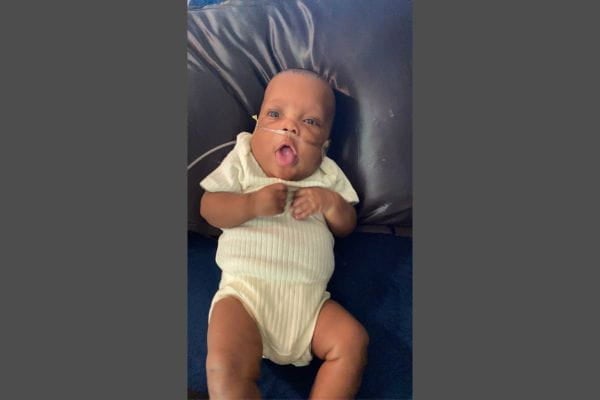
Weighing just a pound-and-a-half and stretching the length of a ruler, micro-preemie Teigen shocked her mother by making an early entrance at 23 weeks old at Studer Family Children’s Hospital at Ascension Sacred Heart last year.
May 9, 2023
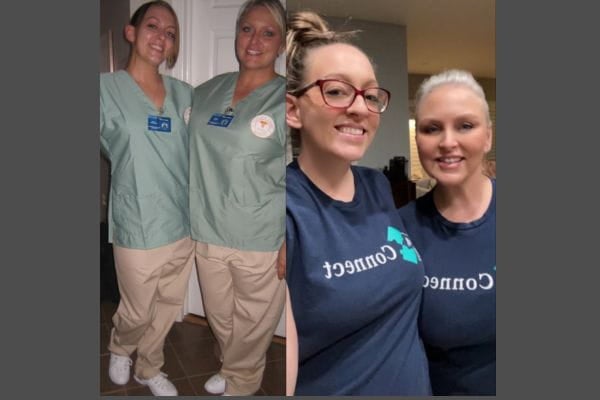
How one question changed nurse's career path
As a Neonatal Intensive Care Unit nurse caring for the tiniest patients at Studer Family Children’s Hospital, Chelsea Fredrickson’s life has come full circle.
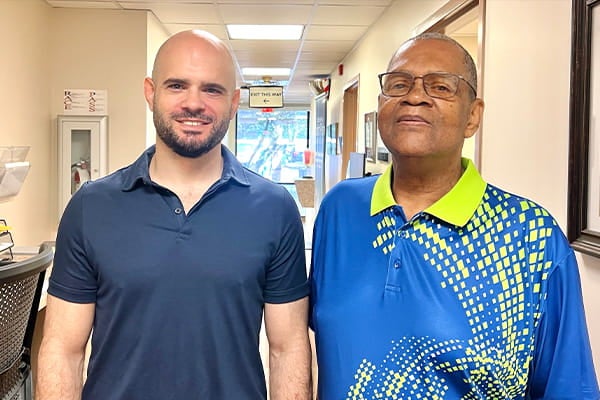
After having minimally invasive hip replacement, patient feels 20 years younger.
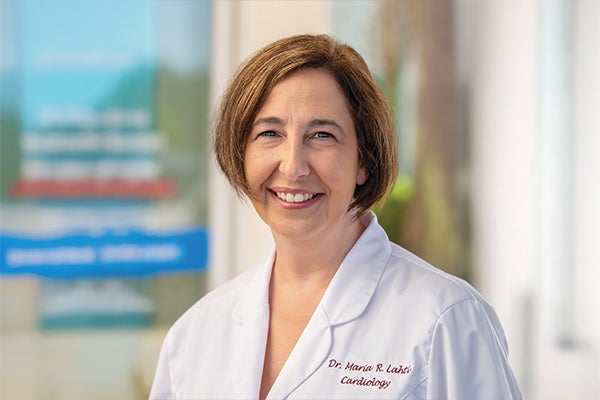
April 20, 2023
Dr. Maria Lahti, cardiologist at Ascension Medical Group Sacred Heart Cardiology Destin in Destin, Florida answers common questions about heart disease.

April 20, 2023
Dr. Sara Largen, pediatrician at Ascension St. Vincent’s in Jacksonville, FL, shares what to expect at your child’s appointments.
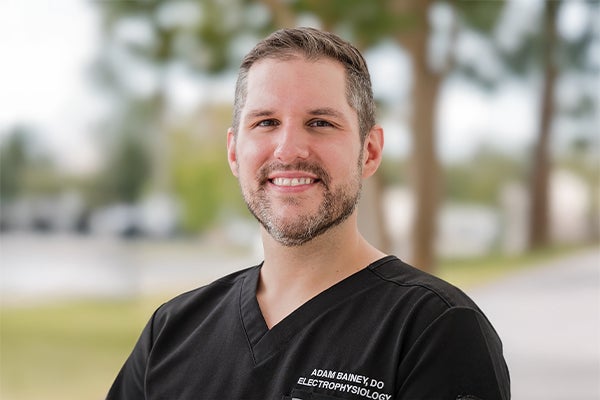
April 20, 2023
Dr. Adam Bainey, cardiac electrophysiologist at Ascension Sacred Heart in Miramar Beach, Florida answers your common questions about AFib treatment.
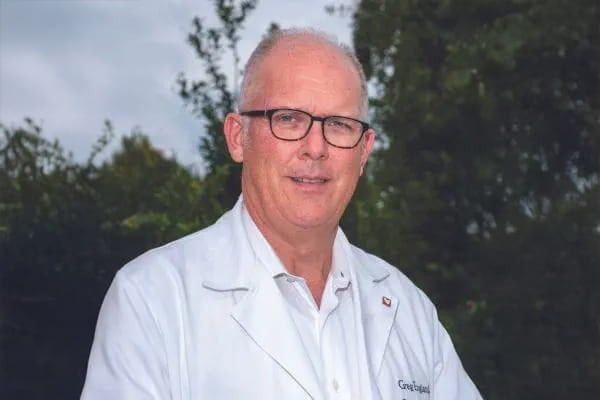
Dr. Greg England, cardiothoracic surgeon at Ascension Sacred Heart Bay in Panama City answers common questions about heart surgery.

February 7, 2023
One month after Allison Fisher had a 104-lb. ovarian tumor removed at Ascension St. Vincent’s Riverside, she feels she has a second chance at life.

After suffering an incomplete spinal cord injury seven years ago, recurring urinary tract infections have taken a toll on his health.
January 17, 2023
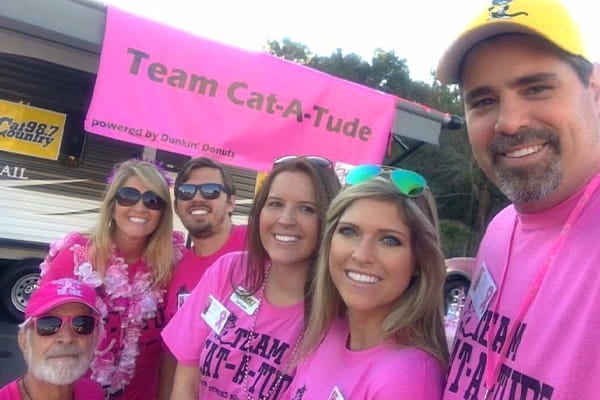
One morning seven years ago, Angela Lane considered canceling her annual mammogram at the Ann L. Baroco Center for Breast Health and Mammography at Ascension Sacred Heart.