Brain and spine tests and imaging

Neurologists at Ascension St. Vincent’s use advanced tests and imaging to diagnose and treat brain and spine conditions.

Advanced imaging and testing for personalized brain and spine care

Imaging and diagnostic tests help your care team better understand conditions affecting the brain and spine, including nerve pressure, structural changes and other neurological concerns.

Whether you’re experiencing new symptoms, managing an ongoing condition or seeking preventive care, our brain and spine specialists work closely with your primary care doctor to support early understanding and create a personalized care plan centered on your needs and well-being.

This imaging test uses contrast and advanced technology to provide a close look at blood vessels. It helps your care team better understand circulation and guide treatment decisions when needed.

A CT scan creates detailed images of the brain and spine in a short amount of time. CT scans are often used in urgent situations to help evaluate injuries or other immediate concerns.

Computed Tomography Angiography is a specialized type of CT scan that helps your care team see blood vessels clearly. CTAs can help identify areas where blood flow may be reduced or changed.

An EEG records the natural electrical activity of the brain. EEGs can help your care team better understand conditions that affect how the brain functions, such as changes in awareness or movement.

Electromyography tests measure signals between your nerves and muscles to help identify the cause of symptoms like numbness, tingling or weakness. They provide helpful insight into nerve-related conditions.

A magnetic resonance angiography uses MRI technology to examine blood vessels in the brain and spine. It provides important information about circulation while avoiding the use of radiation.

A magnetic resonance imaging is one of the most commonly used imaging tests for brain and spine care. MRIs provide clear, detailed images that help identify changes such as inflammation, structural concerns or other conditions affecting the brain and spine.

A PET scan helps your care team understand how different areas of the brain are working. It may be used to evaluate certain neurological conditions or guide treatment planning.

A spinal tap test test collects a small amount of fluid from around the spine to check for signs of infection, inflammation or other conditions. Your care team will help  keep you comfortable throughout the process.

Stories you'll love

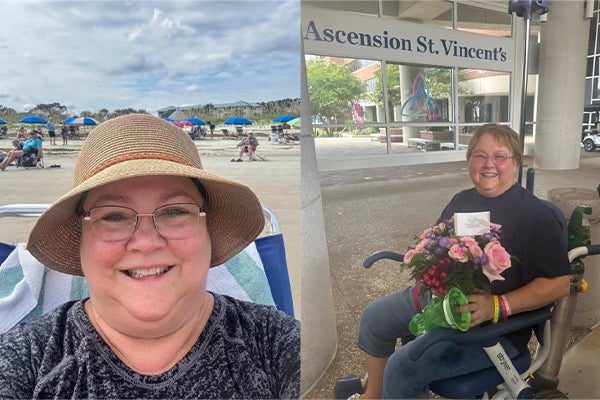
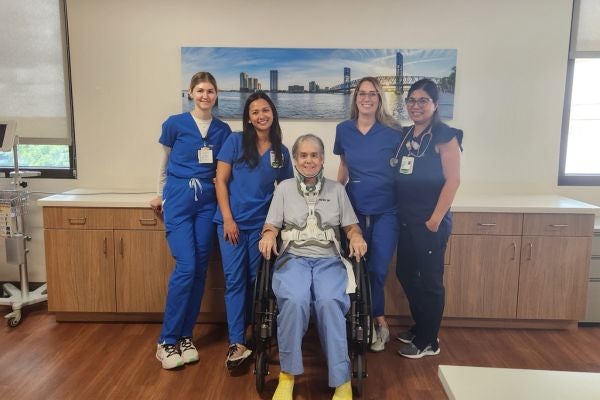
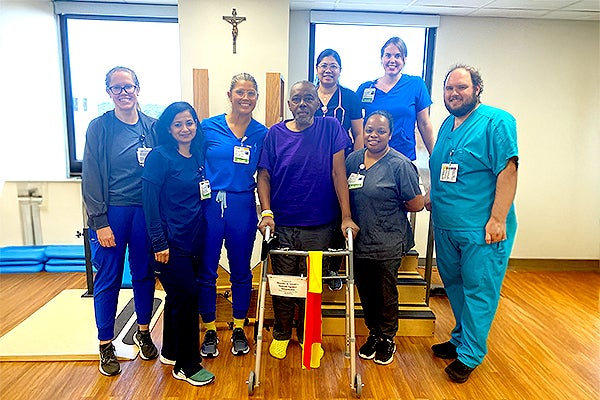
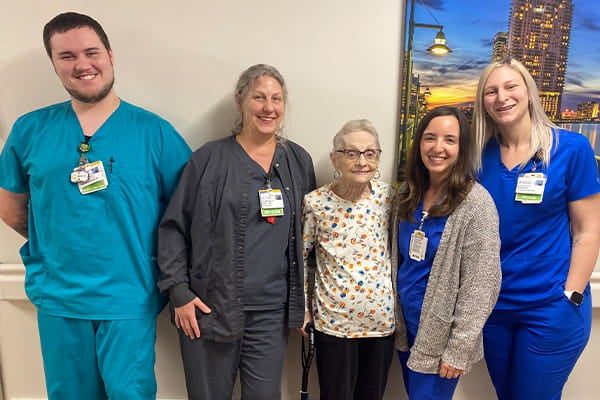
Lillian is surrounded by the team supporting her every step of the way.

Second chance at life at Ascension St. Vincent's

August 6, 2026

Following neurosurgery, Lillian regained strength, mobility and independence through an inpatient rehabilitation at Ascension St. Vincent’s in Jacksonville, celebrating a life-changing recovery.

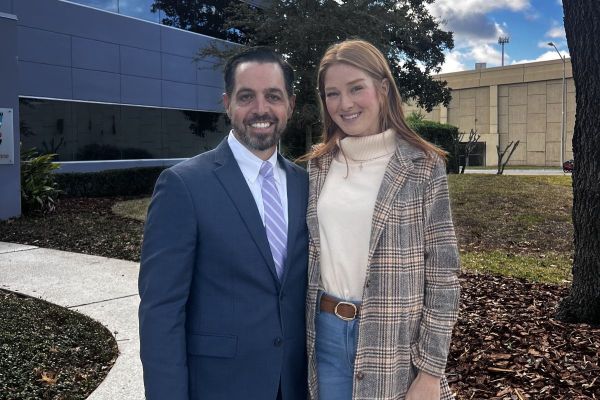
Dr. Martino standing outdoors beside a smiling woman in front of a medical building.
After a routine gynecology visit revealed stage three cervical cancer, Kristina began treatment with Martin Martino, MD, gynecologic oncologist at Ascension St. Vincent’s Riverside in Jacksonville, Florida.

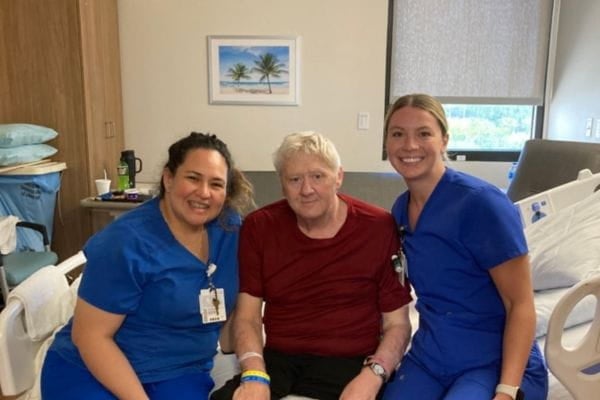
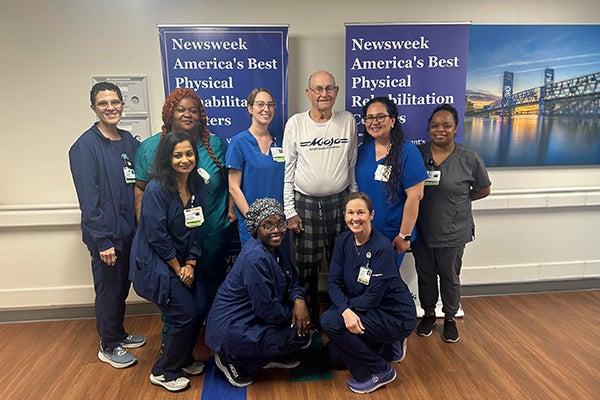
Mr. Santorelli sits with his rehabilitation care team

After a spine cancer diagnosis, Mr. Santorelli turned to Dr. Stephen Parker, neurosurgeon, and the care team at Ascension St. Vincent’s in Jacksonville, Florida, for spinal surgery and rehabilitation to find relief from pain and regain strength and independence.

READ MORE STORIES