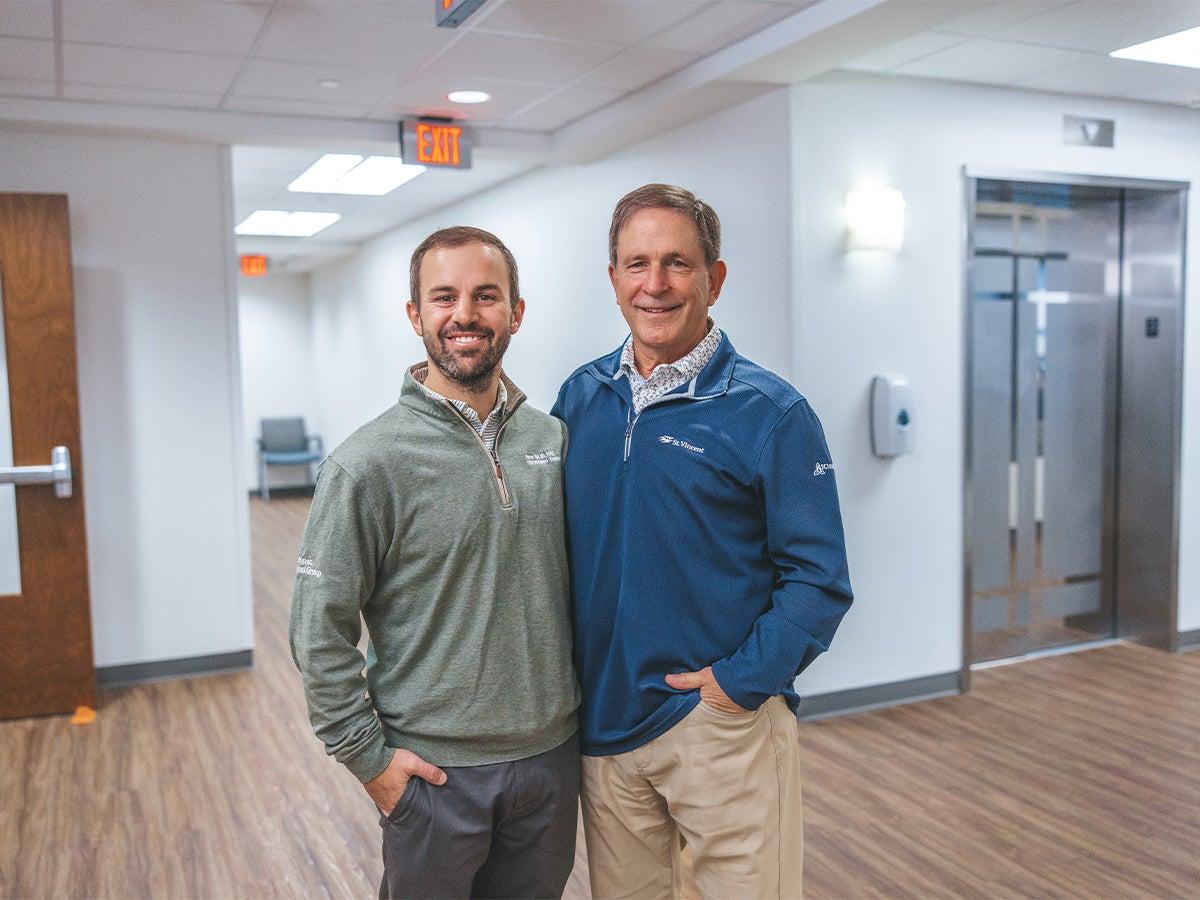
At Ascension St. Vincent Heart Center, father-son interventional cardiologists Michael and Kevin Ball share a calling, a specialty and a commitment to caring for patients.
Understanding if your symptoms are related to a heart condition is important. Whether it’s minor fatigue or pain in your chest, don’t delay talking to a doctor to better understand and treat your heart condition or symptoms.
An aneurysm is a bulging, weak area in the wall of a blood vessel. It may occur in any blood vessel but most often develops in an artery rather than a vein. An aneurysm can be categorized by its location, shape, and cause. The most common type of aneurysm is in the aorta. The aorta is the largest artery in the body. The aorta carries oxygenated blood from the heart to the body. A thoracic aortic aneurysm occurs in the chest cavity. An abdominal aortic aneurysm occurs in the abdomen.
The aorta is the largest artery in the body. It sends blood with oxygen from the heart to the rest of the body. Some conditions, such as high blood pressure, can weaken an area of the aorta over time. This can cause a tear in the lining of that area. This most often happens in the part of the aorta closest to the heart. Less common is a tear in the lining of the abdominal aorta. An aortic dissection can also be caused by an aortic aneurysm.
Aortic regurgitation is a heart condition where the aortic valve doesn't close properly, allowing blood to leak back into the heart. This condition can lead to symptoms like shortness of breath, fatigue or chest pain as the heart works harder to pump blood. Over time, the heart may become weak or enlarged. Your heart specialists may treat AR with medication management and valve repair or valve replacement surgery.
Atherosclerosis is a disease process that affects the walls of the heart arteries and other arteries of the body. Inflammation and plaque buildup can lead to artery stiffness and narrowing. The condition can start as early as late childhood to early adulthood. It can affect arteries all over the body. It can lead to many health problems, depending on which arteries in the body are affected. Narrowed heart arteries may lead to a heart attack. Narrowed arteries that bring blood to the brain can cause a stroke.
Heart care specialists diagnose and treat bradycardia, a condition where the heart beats too slowly. A slow heartbeat can cause fatigue, dizziness, or fainting. Using diagnostic tools like EKGs and heart monitoring, we diagnose and then work with you to develop a personalized treatment plan that may include medication adjustments or pacemaker implantation.
The carotid arteries are the main blood vessels that send blood and oxygen to the brain. It's called carotid artery disease when these vessels become narrowed. It may also be called carotid artery stenosis. The narrowing is caused by atherosclerosis. This is the buildup of fatty deposits, calcium, fibrous tissue and other cell debris that lines the inside of the artery. Carotid artery disease is like coronary artery disease. In that disease, buildup occurs in the arteries of the heart. That may cause a heart attack.
Carotid artery disease reduces the flow of oxygen to the brain. The brain needs a constant supply of oxygen to work. Even a brief pause in blood supply can cause problems. Brain cells start to die after just a few minutes without blood or oxygen. A stroke can result if the narrowing of the carotid arteries is severe enough that blood flow is blocked. It can block blood flow to the brain if a piece of plaque breaks off. This too can cause a stroke.
CTEPH is a rare form of high blood pressure in the lungs caused by chronic blood clots that restrict blood flow and strain the heart. Symptoms may include fatigue, chest pain and swelling in the legs or abdomen. Our multidisciplinary care teams work together to listen to your concerns, provide advanced diagnostics, and offer treatment options tailored to your needs, including medications, surgery and lifestyle changes.
CTO is a complete blockage of a coronary artery that has typically been present for three months or longer. This heart condition often causes chest pain, fatigue or shortness of breath. Your cardiology team uses minimally invasive techniques to restore blood flow and improve heart function. With personalized care for CTO, you can reduce symptoms, regain energy and improve your quality of life.
Chronic venous insufficiency occurs when your leg veins don’t allow blood to flow back up to your heart. Normally, the valves in your veins make sure that blood flows toward your heart. But when these valves don’t work well, blood can also flow backwards. This can cause blood to collect (pool) in your legs. Chronic venous insufficiency is not a serious health threat, but it can be painful.
Our heart care team provides comprehensive care for congenital heart defects such as atrial septal defect (ASD), ventricular septal defect (VSD) and patent ductus arteriosus (PDA), in both children and adults. ASD and VSD are defects of the heart in the form of a hole between the upper and lower chambers of the heart. PDA involves an opening between the aorta and the pulmonary artery that can close with time. We use advanced imaging and diagnostic testing to create a treatment plan that's right for you and your family. Your or your child's care plan may include monitoring, medication, minimally invasive procedures or surgery when needed.
The heart is a muscle that pumps oxygen-rich blood to all parts of the body. When you have heart failure, the heart can’t pump as well as it should. Or the heart muscle can’t relax and fill the pumping chamber with blood. Blood and fluid may back up into the lungs. This causes heart failure. Some parts of the body also don’t get enough oxygen-rich blood. This means they can't work well. These problems lead to the symptoms of heart failure, including shortness of breath, weight gain and swelling, fatigue, loss of appetite, nausea, belly pain and cough.
CAD is a disease that affects the arteries in your heart. These arteries supply oxygen and nutrients to your heart muscle. Sometimes, a fatty substance called plaque builds up along the inner walls of these arteries. This process is called atherosclerosis.
Deep vein thrombosis (DVT) is a serious condition where a blood clot forms in a deep vein, most often in the legs, which can lead to swelling, pain or more serious complications if left untreated.
When your heart's inner lining or heart valves are inflamed due to an infection, you may have endocarditis. The infection can come from bacteria that enter the bloodstream and attach to your heart's inner lining. Our heart care teams use advanced diagnostics, antibiotics and surgical treatments to treat the infection and prevent complications.
When electrical signals in the heart are delayed or interrupted, which slows or blocks your heartbeat, you may be experiencing a heart block. There are three degrees of heart block that have differences in symptoms. First-degree heart block is usually mild and often doesn't cause symptoms. Second-degree heart block can cause skipped beats and may require treatment. Third-degree heart block is more serious and can lead to dizziness, fainting or fatigue, often requiring a pacemaker. Using diagnostic tests, we determine the severity and cause of the block and create personalized treatment plans that may include medications or pacemaker implantation.
Atrial fibrillation (AFib) is a common heart rhythm disorder where the heart's upper chambers (atria) beat irregularly and out of sync with the lower chambers (ventricles). This can lead to symptoms such as palpitations, fatigue, dizziness, and shortness of breath.
The heart makes sounds as it beats. These sounds occur as the heart valves open and close to allow blood to flow through the heart. A heart murmur is an extra noise heard during a heartbeat. The noise is caused when blood does not flow smoothly through the heart. Heart murmurs can be innocent (harmless) or abnormal (caused by a heart problem).
This heart condition weakens the heart muscle, making it difficult for your heart to pump blood. We have a multidisciplinary team that collaborates to provide comprehensive care for cardiomyopathy. We also support you and your family throughout your treatment and recovery.
These treatable heart conditions occur when your heart beats irregularly. An irregular heartbeat can be too slow or too fast. It also could mean that your heart skips a beat. Treatment options may include medication, therapies or surgery. Talk to a cardiologist to find out what treatment plan is right for you.
This heart condition affects one or more of the heart's valves. If blood doesn't flow properly when the heart valves open, the reasons can be leaky valves (regurgitation), too narrow (stenosis), or not opening properly (atresia). Heart and valve conditions can lead to a heart attack or progressive heart failure.
Blood pressure is the force of the blood pushing against the artery walls. The force is made with each heartbeat as blood is pumped from the heart into the blood vessels. High blood pressure (hypertension) is when the force of the blood is too high during heart contraction or relaxation within the arteries. The arteries may have an increased resistance against the flow of blood. This causes your heart to pump harder to circulate the blood.
High cholesterol is a condition caused by excess cholesterol, a fatty substance in your body, which can lead to plaque buildup in your arteries. If not treated, high cholesterol can lead to heart disease and stroke.
We diagnose and manage LQTS, a heart rhythm disorder that can lead to fast heartbeats, fainting or sudden cardiac arrest. LQTS can come from medication or can be inherited. Our cardiology care team offers genetic testing and family screening to help identify at-risk relatives and provide early intervention. Your treatment plan may include medications, lifestyle changes or a pacemaker.
Mitral regurgitation occurs when the mitral valve does not close properly, allowing blood to leak backward in the heart. This can lead to symptoms such as shortness of breath, swelling or irregular heartbeat.
This condition occurs when there is inflammation of the heart muscle, often caused by viral infections or autoimmune responses. Myocarditis weakens the heart's ability to pump blood. Using advanced imaging, lab testing and personalized care plans, our cardiovascular care teams help manage symptoms like chest pain, fatigue or irregular heartbeat while working to prevent long-term heart damage.
When your heart feels a racing, pounding or fluttering sensation, you may be experiencing palpitations. This condition may be a symptom of an underlying heart rhythm issue. Using advanced diagnostic tools like EKG monitoring and stress testing, our heart care teams will identify the cause and develop a personalized care plan.
When the opening between the heart's upper chambers doesn't close completely after birth, you may have a condition called patent foramen ovale (PFO). While many people with a PFO experience no symptoms, in some cases, it can allow small blood clots to pass through and potentially contribute to events like migraine or stroke. Our compassionate heart care team provides treatment for PFO that includes minimally invasive closure when needed.
Pericarditis occurs when the tissue surrounding the heart becomes inflamed, causing sharp chest pain, heart failure and fluid buildup around the heart. Infections, autoimmune disease and injury can cause this inflammation.
PAD is a common condition that occurs when narrowed arteries filled with plaque reduce blood flow to the legs, arms and feet, often causing pain, cramping or numbness while walking.
We diagnose and treat post-myocardial infarction syndrome, also known as Dressler's syndrome. This heart condition occurs when you experience inflammation of the heart or surrounding tissues after a heart attack. Our heart specialists use imaging and lab tests to detect inflammation, and then we create a personalized treatment, such as medications, to help relieve symptoms and prevent complications.
Pulmonary hypertension is high blood pressure in the arteries of the lungs. This condition can strain the heart and may cause symptoms such as shortness of breath, fatigue, dizziness or swelling. Specialized care can help manage symptoms and support heart function.
Our cardiologist diagnoses and treats pulmonary valve disease, which occurs when the valve between the right lower chamber of the heart and the large artery leading to the lungs doesn't open or close correctly. This condition can occur if your valves are narrowed or leaky, disrupting blood flow to the lungs and forcing the heart to work harder. Pulmonary valve disease can be present at birth or develop with age and have symptoms of fatigue, shortness of breath or a heart murmur. Your cardiologist can treat pulmonary valve disease with balloon valvuloplasty or heart surgery.
Renal artery stenosis is a condition where the arteries that carry blood to the kidneys become narrowed, which can lead to high blood pressure and reduced kidney function. Our care teams take the time to listen to your health concerns and use personalized treatment plans to help restore proper blood flow.
Sick sinus syndrome is a condition where the heart's natural pacemaker doesn't work correctly, causing irregular heart rhythms. Symptoms like fatigue, dizziness or fainting can result from the heart beating too slowly, too quickly or switching between both. Your heart specialist may recommend medications or a pacemaker to help manage symptoms and improve your quality of life.
Our heart specialists diagnose and treat both stable and unstable angina. These are types of chest pain caused by reduced blood flow to the heart. Using advanced cardiac testing, we determine how serious the condition is. Stable angina is predictable and happens when you exert yourself, but symptoms are relieved with rest or medication. Unstable angina is unpredictable and occurs when you're resting and is considered a medical emergency. Our heart teams will create a personalized treatment plan that may include lifestyle changes, medications or surgery to restore proper blood flow.
Our cardiology team specializes in diagnosing and treating stress cardiomyopathy, also known as Takotsubo syndrome or "broken heart syndrome." This temporary heart condition is often triggered by extreme emotional or physical stress, but can be mistaken for a heart attack. Stress hormones can cause a sudden weakening of the heart's left ventricle. Using imaging and cardiac testing, we provide a treatment plan to help the heart recover.
SVT is a type of heart arrhythmia that can be present at birth or develop with age. You can be diagnosed with SVT if your heart beats over 100 to 300 beats per minute. Patients may experience symptoms such as palpitations, dizziness, chest discomfort or shortness of breath. If diagnosed, your cardiologist will create a treatment plan that could include medications, catheter ablation and lifestyle changes.
Our heart specialists treat syncope, also known as fainting, which is a sudden loss of consciousness. Heart rhythm problems, blood pressure changes, or other underlying conditions cause this condition. Using diagnostic tools like EKGs, Holter monitors and tilt table testing, we work to identify the cause of your fainting to reduce the risk of it happening again.
Tricuspid valve disease occurs when the valve between the right atrium (top chamber) and right ventricle (bottom chamber) of the heart fails to open or close properly, leading to either narrowing or leakage, which can cause blood to back up and force the heart to pump harder. As the condition worsens, symptoms such as fatigue, swelling in the legs or abdomen, shortness of breath or a fluttering in the neck veins will occur. Our cardiology team offers personalized care for tricuspid valve disease, including symptom management, to minimally invasive procedures or surgery if needed.
When the different heart valves begin to narrow, limiting blood flow to the heart, stenosis occurs, a blockage that forms in the valve, making your heart work harder and weakening the muscle. There are three types of valve stenosis: aortic, mitral and pulmonary. Aortic stenosis affects the blood flow to your body. Mitral stenosis affects the blood flow between the left atrium (top chamber) and left ventricle (bottom chamber).. Pulmonary affects the blood flow to your lungs. Don't delay care if you are experiencing shortness of breath, dizziness, heart pounding and chest pain. Your heart care team will create a treatment plan that may involve a procedure or surgery to help remove the blockage.
WPW syndrome is a heart condition that is present at birth and most commonly found in infants and children born with an extra electrical pathway in the heart that contributes to fast heartbeats. Symptoms for this heart condition include a racing heart, dizziness or fainting. We work closely with you and your family to diagnose the condition using advanced heart testing and may suggest medications or radiofrequency ablation to treat the condition.
If you are experiencing chest pain, especially in combination with jaw or arm pain, lightheadedness, nausea, vomiting or difficulty breathing, you might be having a heart attack.
Call 911 or go to the nearest emergency room right away.
At Ascension St. Vincent Heart Center, father-son interventional cardiologists Michael and Kevin Ball share a calling, a specialty and a commitment to caring for patients.
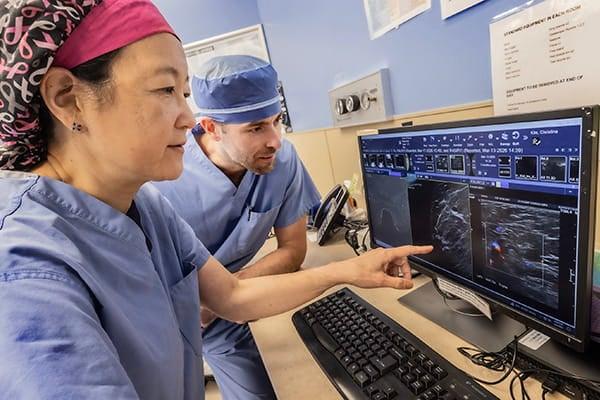
August 4, 2026
Learn how robotic single-port mastectomy and coordinated breast reconstruction give select patients a new minimally invasive surgical option through multidisciplinary care at Ascension St. Vincent Fishers.

June 11, 2026
Visit the ER for serious illness or injuries when you need emergency care. Visit urgent care for minor injuries or illnesses that need same-day care.
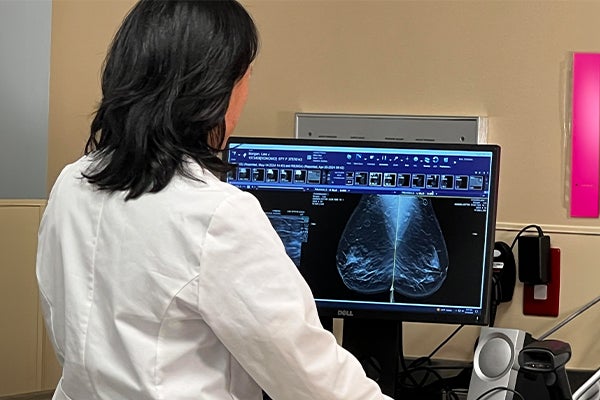
May 15, 2026
Christina J. Kim, MD, breast surgical oncologist at Ascension St. Vincent in Fishers, Indiana, shares why even after age 50, you should still follow breast screening guidelines.

Ann Andersen has spent her 60 years caring for patients and building lasting connections across generations of nurses at Ascension St. Vincent Evansville.
February 16, 2026
An Indianapolis mother of three shares a message of hope while undergoing cervical cancer treatment at Ascension St. Vincent.

January 2, 2026
Susan Benson, MD, gynecologist at Ascension St. Vincent Women’s Health, shares why women don’t have to suffer through menopause with a personalized treatment plan.
October 2, 2025
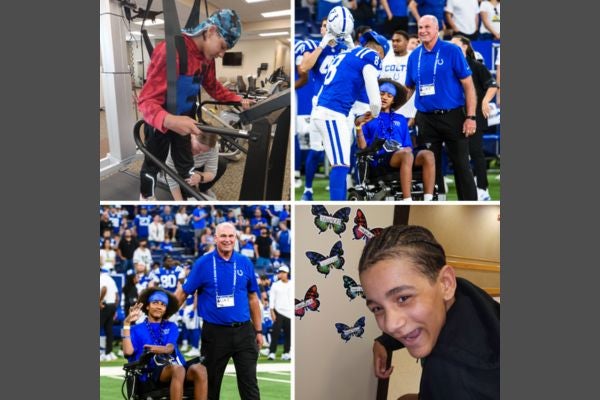
Peyton Manning Children's Hospital patient served as the "Coin Toss Kid" at Lucas Oil Stadium during the Colts game in Indianapolis.
October 2, 2025
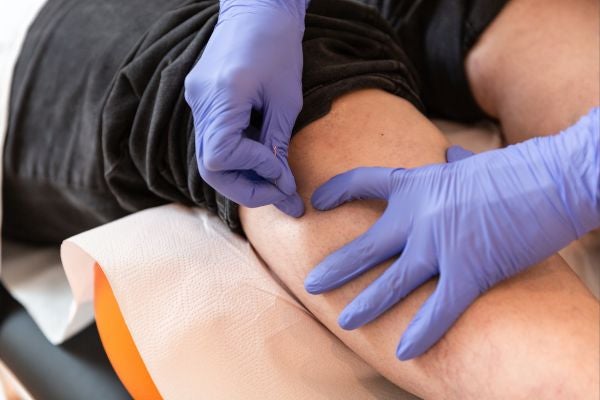
Physical therapists at Ascension St. Vincent across Indiana use dry needling to help with muscle injuries by easing pain and helping you move better.
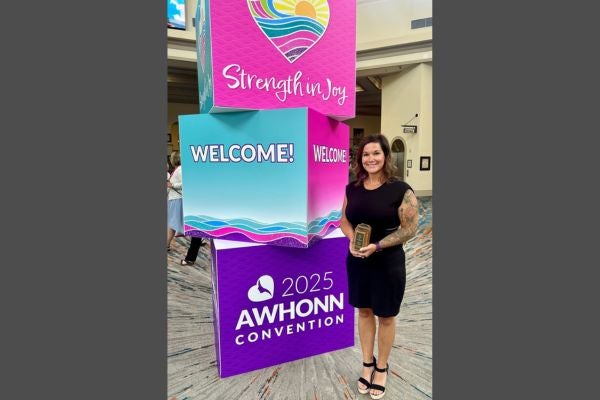
Miranda Wahnsiedler, MSN, BS, AGCNS-BC, RNC-OB, C-ONQS, was recognized by the Association of Women’s Health, Obstetric and Neonatal Nurses for her dedication to the improvement of women’s health.

The new Lucas Family Brain and Spine Hospital at Ascension St. Vincent in Indianapolis, IN, was thoughtfully designed to promote healing and reduce anxiety through intentional choices, while honoring heritage and community.
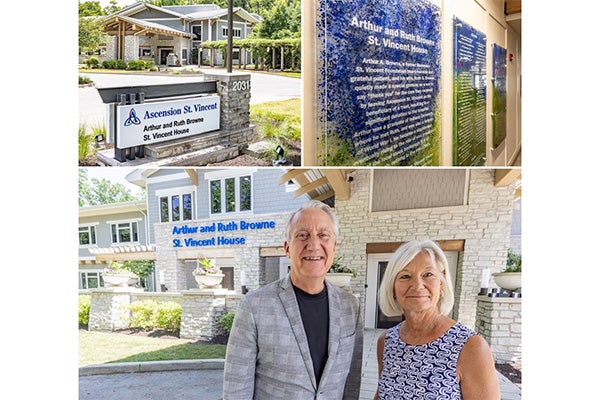
Ascension St. Vincent renamed its hospitality house in recognition of a legacy gift from a couple whose gratitude for the care they received inspired a remarkable act of giving.
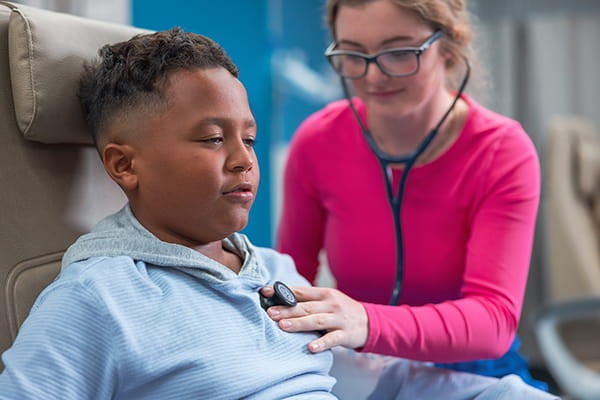
The newly expanded Hilbert Pediatric Emergency Department at Peyton Manning Children’s Hospital provides Central Indiana families with greater access to high-quality, specialized emergency care.

If incidents occur this Fourth of July, knowing where and when to get immediate and emergency care is important.

June 23, 2025
Ascension urgent care and orthopedic teams are here to help you manage your summer injury.

Ascension St. Vincent announces its new brain and spine hospital will be named Lucas Family Brain and Spine Hospital at Ascension St. Vincent. The name honors the donation from an Indianapolis family for their generosity and partnership.

Heather Wiselogle, academic liaison at Peyton Manning Children’s Hospital helped to make her late patient’s dream come true.

The new Ascension St. Vincent Brain and Spine Hospital will be the premier destination for cranial and spine care, ensuring that Indiana families have access to the best care close to home.
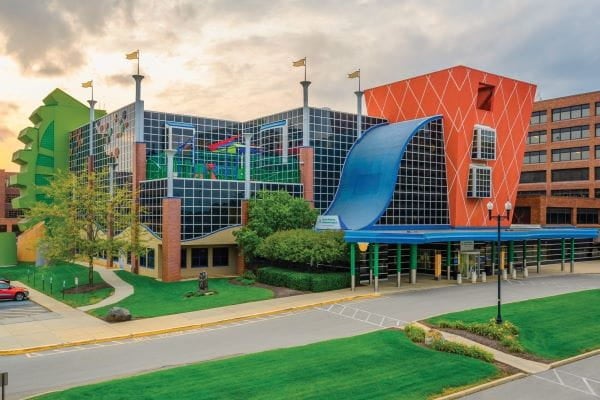
October 23, 2024
Ohio and Indiana health systems focus on providing complex heart surgery, cardiology services closer to home

Advanced care for women and infants now open in Indianapolis with the Women and Infants Hospital on the Ascension St. Vincent Hospital campus.
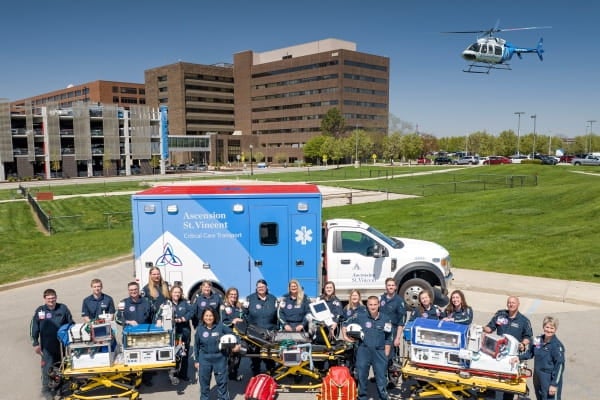
Peyton Manning Children’s Hospital is a verified Level I Pediatric Trauma Center in Indianapolis treating children with life-threatening injuries.
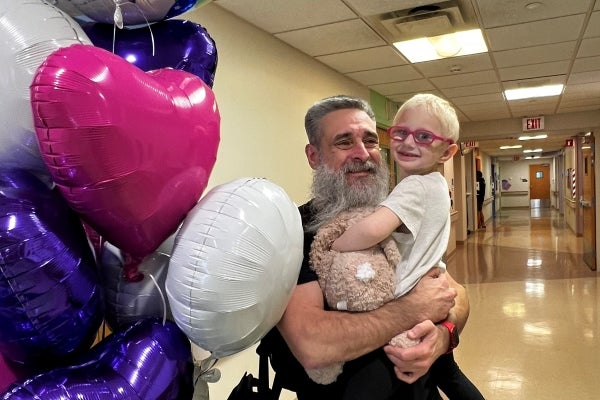
Emergency care team at Peyton Manning Children’s Hospital in Indianapolis, Indiana, tell parents that CPR helped save their daughter’s life.

Peyton Manning Children’s Hospital kidney transplant team plans a Big Ten championship watch party for a longtime kidney patient in Indianapolis.

February 14, 2024
Brothers Mike and Steve Vandeveer undergo a minimally invasive heart surgery known as TAVR which helps shorten recovery time and reduce the risk of infection.
August 4, 2026
Learn how robotic single-port mastectomy and coordinated breast reconstruction give select patients a new minimally invasive surgical option through multidisciplinary care at Ascension St. Vincent Fishers.
June 19, 2026
Learn the story behind Evansville's Kempf Bipolar Wellness Center Support Group and how it supports people living with bipolar disorder through connection, hope and community.
June 11, 2026
Visit the ER for serious illness or injuries when you need emergency care. Visit urgent care for minor injuries or illnesses that need same-day care.
May 15, 2026
Christina J. Kim, MD, breast surgical oncologist at Ascension St. Vincent in Fishers, Indiana, shares why even after age 50, you should still follow breast screening guidelines.
October 2, 2025
Peyton Manning Children's Hospital patient served as the "Coin Toss Kid" at Lucas Oil Stadium during the Colts game in Indianapolis.
October 2, 2025
Physical therapists at Ascension St. Vincent across Indiana use dry needling to help with muscle injuries by easing pain and helping you move better.
Miranda Wahnsiedler, MSN, BS, AGCNS-BC, RNC-OB, C-ONQS, was recognized by the Association of Women’s Health, Obstetric and Neonatal Nurses for her dedication to the improvement of women’s health.
The new Lucas Family Brain and Spine Hospital at Ascension St. Vincent in Indianapolis, IN, was thoughtfully designed to promote healing and reduce anxiety through intentional choices, while honoring heritage and community.
The newly expanded Hilbert Pediatric Emergency Department at Peyton Manning Children’s Hospital provides Central Indiana families with greater access to high-quality, specialized emergency care.
If incidents occur this Fourth of July, knowing where and when to get immediate and emergency care is important.
June 23, 2025
Ascension urgent care and orthopedic teams are here to help you manage your summer injury.
Ascension St. Vincent announces its new brain and spine hospital will be named Lucas Family Brain and Spine Hospital at Ascension St. Vincent. The name honors the donation from an Indianapolis family for their generosity and partnership.
The new Ascension St. Vincent Brain and Spine Hospital will be the premier destination for cranial and spine care, ensuring that Indiana families have access to the best care close to home.
Advanced care for women and infants now open in Indianapolis with the Women and Infants Hospital on the Ascension St. Vincent Hospital campus.
Peyton Manning Children’s Hospital is a verified Level I Pediatric Trauma Center in Indianapolis treating children with life-threatening injuries.
Emergency care team at Peyton Manning Children’s Hospital in Indianapolis, Indiana, tell parents that CPR helped save their daughter’s life.
Peyton Manning Children’s Hospital kidney transplant team plans a Big Ten championship watch party for a longtime kidney patient in Indianapolis.
February 14, 2024
Brothers Mike and Steve Vandeveer undergo a minimally invasive heart surgery known as TAVR which helps shorten recovery time and reduce the risk of infection.