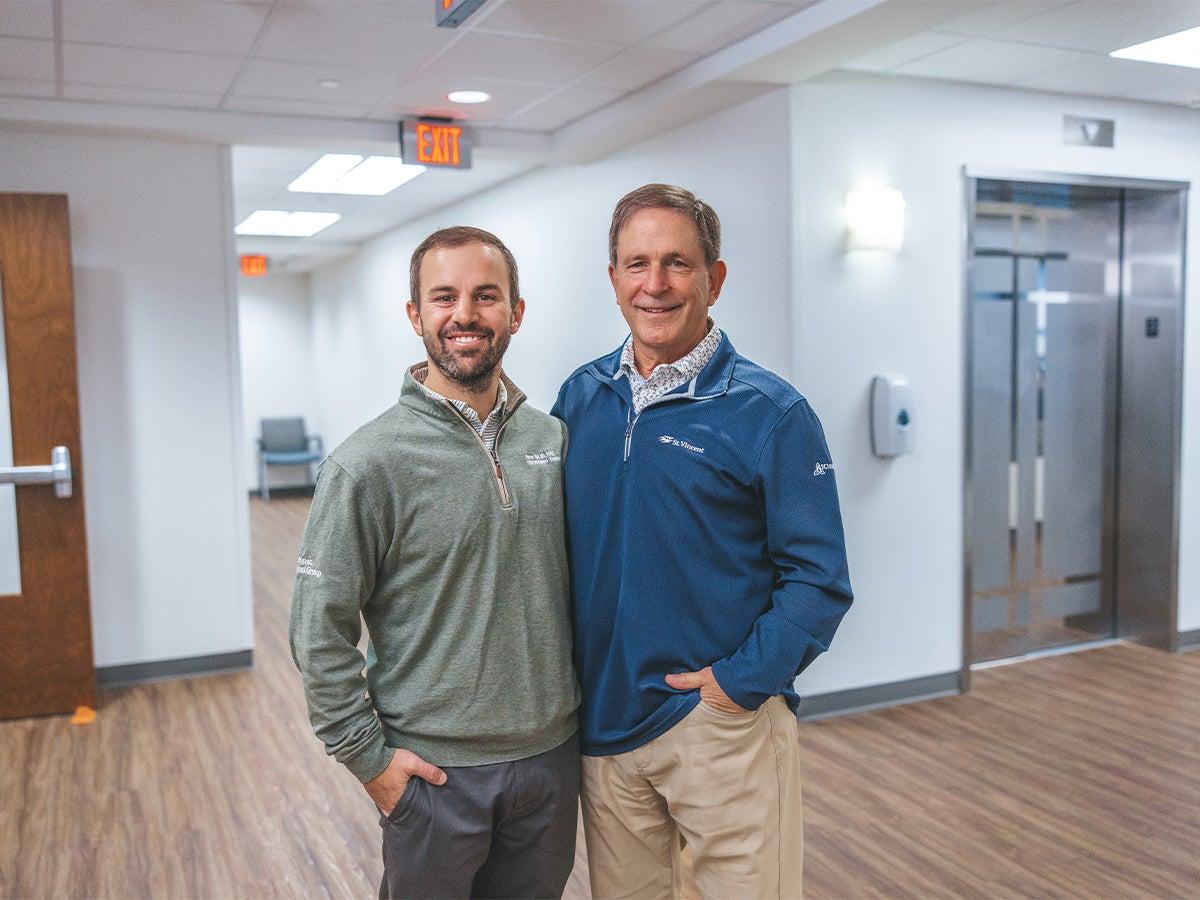
At Ascension St. Vincent Heart Center, father-son interventional cardiologists Michael and Kevin Ball share a calling, a specialty and a commitment to caring for patients.
Angioplasty and stenting is a procedure to improve the blood flow in an artery or vein. The carotid artery is a large artery running along each side of your neck. During the procedure, a thin flexible tube (catheter) is put into an artery in your groin. It's gently threaded up into the problem area in the carotid artery. The catheter has a tiny, deflated balloon at the tip. When it reaches the narrowed part of your carotid, the balloon is inflated. This opens up the narrowed area. This is called angioplasty.
A tiny mesh tube (stent) may be put into this area. It's left in place to help keep the artery open.
A thin tube (catheter) is placed into the heart through a blood vessel in the leg or arm. The pressures of the heart are measured A contrast agent can also be injected into the heart arteries or heart chambers while X-ray images are taken. This can identify structural problems of the heart as well as narrowing in the heart arteries.
This procedure uses radio frequency energy or freezing to get rid of problem areas in the heart that cause abnormal heart rhythm. The abnormal area is found during an electrophysiology study. This study maps the electrical activity that controls the heart rhythm. This procedure can diagnose and potentially cure abnormal heart rhythms.
Your cardiologist might suggest CABG to treat blocked or narrowed coronary arteries. CABG is a surgical technique used to restore healthy blood flow to the heart, improve heart function and reduce symptoms. Our experienced cardiac surgeons perform both on-pump CABG and off-pump CABG. The procedure is chosen based on the severity of the blockage in the coronary arteries.
If you are eligible for transplant listing, you will be placed on the waitlist. Wait times can vary from a few months to several years, depending on your size, blood type, tissue type and organ availability. A heart surgeon will replace your damaged heart with a healthy donor heart once one becomes available for you.
A heart transplant replaces a severely diseased or failing heart with a healthy donor heart, restoring the heart's ability to pump blood effectively. Your cardiologist will work with our dedicated transplant team and provide personalized care every step of the heart transplant journey, from evaluation and donor matching to surgery and lifelong follow-up.
When you're facing heart or lung failure, your care team will use ECMO when other treatments are no longer working. ECMO supports organ function by giving your heart and lungs time to rest and recover. The ECMO pump circulates your blood, acting as a heart pump through the machine's artificial lung.
Heart transplantation can improve survival, physical function, and quality of life for eligible patients with end-stage heart disease. You may need a heart transplant if your heart doesn't respond to medical therapy or a VAD.
If you are eligible for transplant listing, you will be placed on the waitlist. Wait times can vary from a few months to several years, depending on your size, blood type, tissue type and organ availability. A heart surgeon will replace your damaged heart with a healthy donor heart once one becomes available for you.
A heart transplant replaces a severely diseased or failing heart with a healthy donor heart, restoring the heart's ability to pump blood effectively. Your cardiologist will work with our dedicated transplant team and provide personalized care every step of the heart transplant journey, from evaluation and donor matching to surgery and lifelong follow-up.
A defibrillator wire is inserted into the heart and connected to an implanted device in the chest. It can send out electricity to either pace or shock the heart back into normal rhythm. This can be lifesaving when life-threatening rhythms are found.
Your cardiologist may recommend medications to help manage your heart condition. Mediation may be used to lower blood pressure, prevent blood clots, lower cholesterol and more.
Your cardiologist might recommend a pacemaker if you have irregular heartbeats, a slow heart rate or are experiencing heart block. A pacemaker helps keep your heart regulated by sending electric signals to your heart if it senses trouble. The device is implanted under the skin and helps improve symptoms such as fatigue, dizziness and fainting.
This procedure encompasses several types of procedures that are designed to improve blood flow through the coronary arteries, including:
Cardiac surgeons treat complex heart valve disease to repair damaged heart valves through open heart surgery and minimally invasive procedures, including TAVR and MitraClip™. When one or both of your valves do not open or close correctly, it can lead to reduced blood flow, cause the heart to work harder, and result in symptoms such as fatigue, shortness of breath, chest pain, fainting, or even heart failure.
A VAD also known as a heart pump is a mechanical device used to help the pumping function for one or both of the heart's pumping chambers (ventricles). It may be needed when heart failure gets to the point that medicines and other treatments no longer work. A VAD can help someone's heart work when they are waiting for a heart transplant. Or when someone is waiting to see if they are a candidate for a transplant. A VAD can also be a permanent treatment. And it can help a person's heart recover after surgery.
If you are experiencing chest pain, especially in combination with jaw or arm pain, lightheadedness, nausea, vomiting or difficulty breathing, you might be having a heart attack.
Call 911 or go to the nearest emergency room right away.
At Ascension St. Vincent Heart Center, father-son interventional cardiologists Michael and Kevin Ball share a calling, a specialty and a commitment to caring for patients.
August 4, 2026
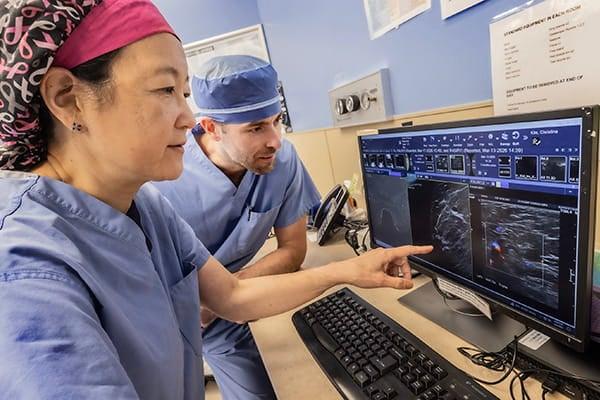
Learn how robotic single-port mastectomy and coordinated breast reconstruction give select patients a new minimally invasive surgical option through multidisciplinary care at Ascension St. Vincent Fishers.

June 11, 2026
Visit the ER for serious illness or injuries when you need emergency care. Visit urgent care for minor injuries or illnesses that need same-day care.
May 15, 2026
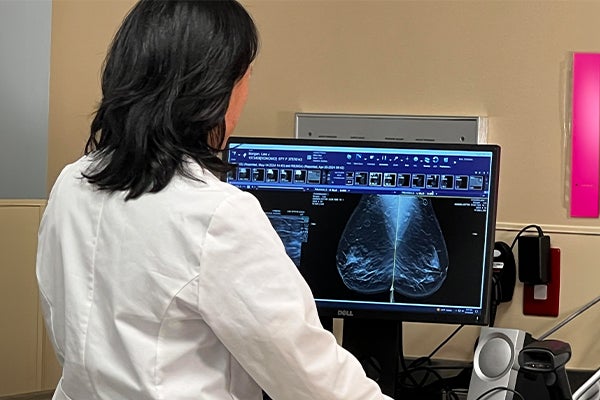
Christina J. Kim, MD, breast surgical oncologist at Ascension St. Vincent in Fishers, Indiana, shares why even after age 50, you should still follow breast screening guidelines.

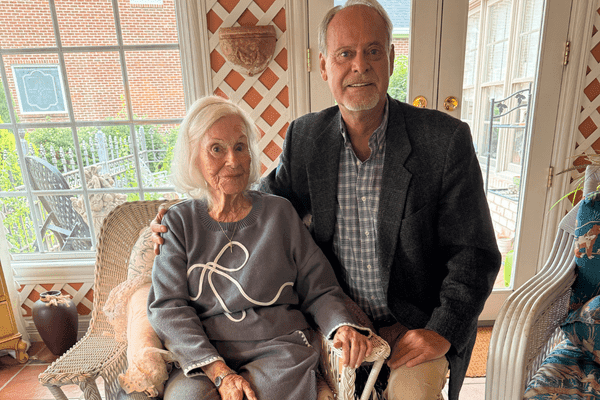
Ann Andersen has spent her 60 years caring for patients and building lasting connections across generations of nurses at Ascension St. Vincent Evansville.
February 16, 2026
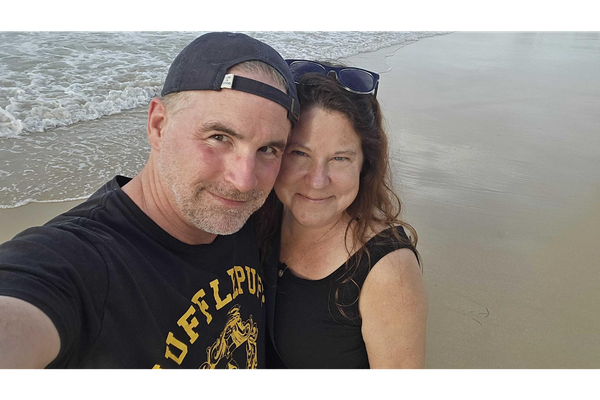
An Indianapolis mother of three shares a message of hope while undergoing cervical cancer treatment at Ascension St. Vincent.

January 2, 2026
Susan Benson, MD, gynecologist at Ascension St. Vincent Women’s Health, shares why women don’t have to suffer through menopause with a personalized treatment plan.
October 2, 2025
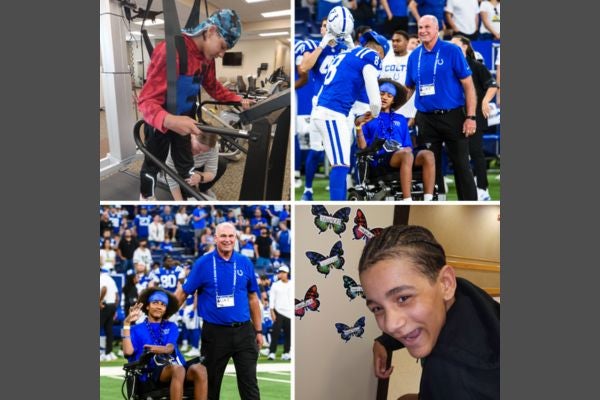
Peyton Manning Children's Hospital patient served as the "Coin Toss Kid" at Lucas Oil Stadium during the Colts game in Indianapolis.
October 2, 2025
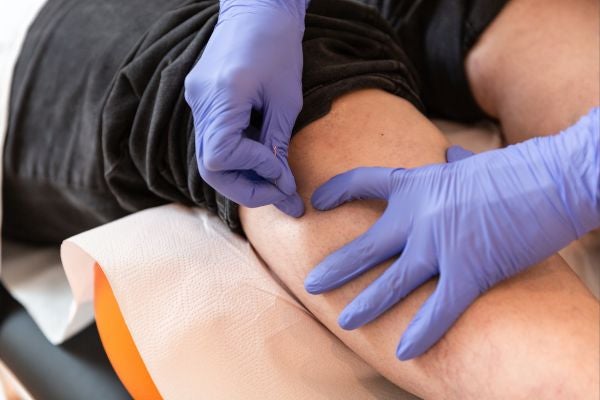
Physical therapists at Ascension St. Vincent across Indiana use dry needling to help with muscle injuries by easing pain and helping you move better.
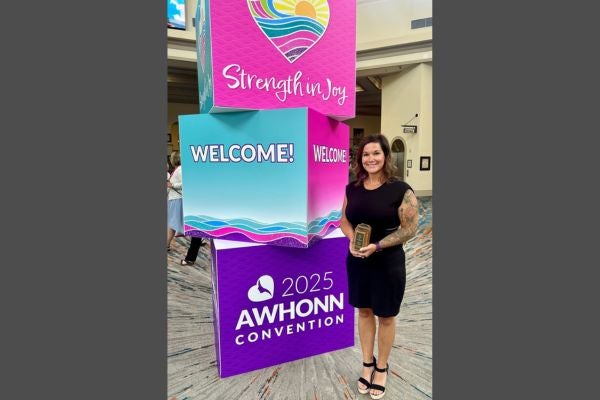
Miranda Wahnsiedler, MSN, BS, AGCNS-BC, RNC-OB, C-ONQS, was recognized by the Association of Women’s Health, Obstetric and Neonatal Nurses for her dedication to the improvement of women’s health.

The new Lucas Family Brain and Spine Hospital at Ascension St. Vincent in Indianapolis, IN, was thoughtfully designed to promote healing and reduce anxiety through intentional choices, while honoring heritage and community.
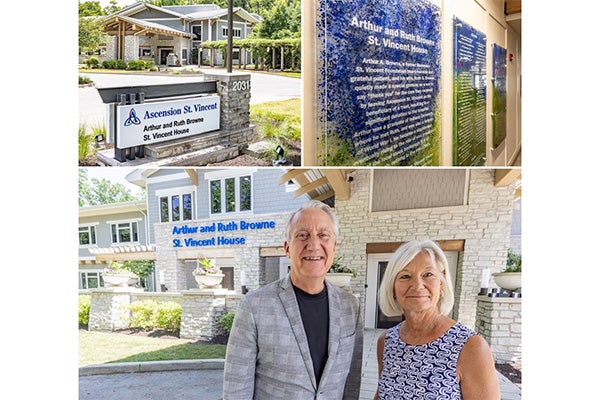
Ascension St. Vincent renamed its hospitality house in recognition of a legacy gift from a couple whose gratitude for the care they received inspired a remarkable act of giving.
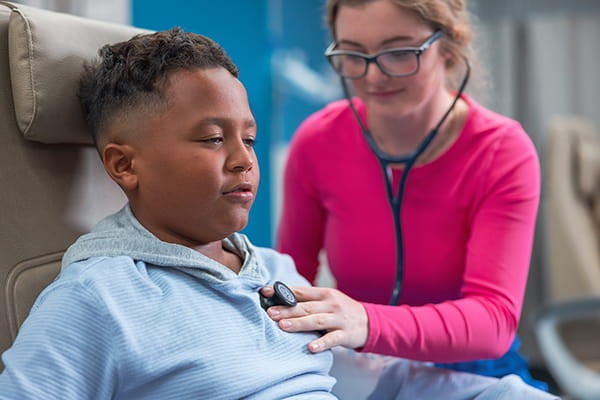
The newly expanded Hilbert Pediatric Emergency Department at Peyton Manning Children’s Hospital provides Central Indiana families with greater access to high-quality, specialized emergency care.

If incidents occur this Fourth of July, knowing where and when to get immediate and emergency care is important.

June 23, 2025
Ascension urgent care and orthopedic teams are here to help you manage your summer injury.

Ascension St. Vincent announces its new brain and spine hospital will be named Lucas Family Brain and Spine Hospital at Ascension St. Vincent. The name honors the donation from an Indianapolis family for their generosity and partnership.

Heather Wiselogle, academic liaison at Peyton Manning Children’s Hospital helped to make her late patient’s dream come true.

The new Ascension St. Vincent Brain and Spine Hospital will be the premier destination for cranial and spine care, ensuring that Indiana families have access to the best care close to home.
October 23, 2024
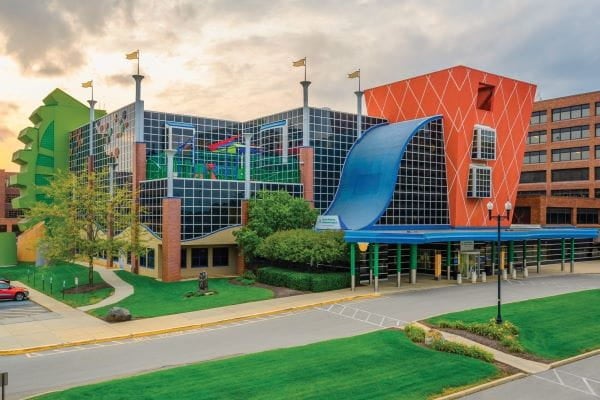
Ohio and Indiana health systems focus on providing complex heart surgery, cardiology services closer to home

Advanced care for women and infants now open in Indianapolis with the Women and Infants Hospital on the Ascension St. Vincent Hospital campus.
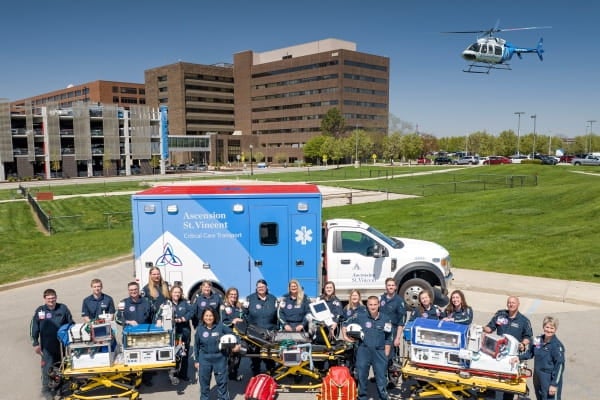
Peyton Manning Children’s Hospital is a verified Level I Pediatric Trauma Center in Indianapolis treating children with life-threatening injuries.
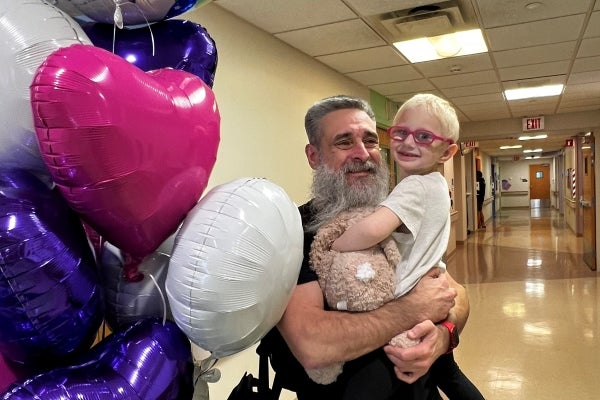
Emergency care team at Peyton Manning Children’s Hospital in Indianapolis, Indiana, tell parents that CPR helped save their daughter’s life.

Peyton Manning Children’s Hospital kidney transplant team plans a Big Ten championship watch party for a longtime kidney patient in Indianapolis.

February 14, 2024
Brothers Mike and Steve Vandeveer undergo a minimally invasive heart surgery known as TAVR which helps shorten recovery time and reduce the risk of infection.
August 4, 2026
Learn how robotic single-port mastectomy and coordinated breast reconstruction give select patients a new minimally invasive surgical option through multidisciplinary care at Ascension St. Vincent Fishers.
June 19, 2026
Learn the story behind Evansville's Kempf Bipolar Wellness Center Support Group and how it supports people living with bipolar disorder through connection, hope and community.
June 11, 2026
Visit the ER for serious illness or injuries when you need emergency care. Visit urgent care for minor injuries or illnesses that need same-day care.
May 15, 2026
Christina J. Kim, MD, breast surgical oncologist at Ascension St. Vincent in Fishers, Indiana, shares why even after age 50, you should still follow breast screening guidelines.
October 2, 2025
Peyton Manning Children's Hospital patient served as the "Coin Toss Kid" at Lucas Oil Stadium during the Colts game in Indianapolis.
October 2, 2025
Physical therapists at Ascension St. Vincent across Indiana use dry needling to help with muscle injuries by easing pain and helping you move better.
Miranda Wahnsiedler, MSN, BS, AGCNS-BC, RNC-OB, C-ONQS, was recognized by the Association of Women’s Health, Obstetric and Neonatal Nurses for her dedication to the improvement of women’s health.
The new Lucas Family Brain and Spine Hospital at Ascension St. Vincent in Indianapolis, IN, was thoughtfully designed to promote healing and reduce anxiety through intentional choices, while honoring heritage and community.
The newly expanded Hilbert Pediatric Emergency Department at Peyton Manning Children’s Hospital provides Central Indiana families with greater access to high-quality, specialized emergency care.
If incidents occur this Fourth of July, knowing where and when to get immediate and emergency care is important.
June 23, 2025
Ascension urgent care and orthopedic teams are here to help you manage your summer injury.
Ascension St. Vincent announces its new brain and spine hospital will be named Lucas Family Brain and Spine Hospital at Ascension St. Vincent. The name honors the donation from an Indianapolis family for their generosity and partnership.
The new Ascension St. Vincent Brain and Spine Hospital will be the premier destination for cranial and spine care, ensuring that Indiana families have access to the best care close to home.
Advanced care for women and infants now open in Indianapolis with the Women and Infants Hospital on the Ascension St. Vincent Hospital campus.
Peyton Manning Children’s Hospital is a verified Level I Pediatric Trauma Center in Indianapolis treating children with life-threatening injuries.
Emergency care team at Peyton Manning Children’s Hospital in Indianapolis, Indiana, tell parents that CPR helped save their daughter’s life.
Peyton Manning Children’s Hospital kidney transplant team plans a Big Ten championship watch party for a longtime kidney patient in Indianapolis.
February 14, 2024
Brothers Mike and Steve Vandeveer undergo a minimally invasive heart surgery known as TAVR which helps shorten recovery time and reduce the risk of infection.