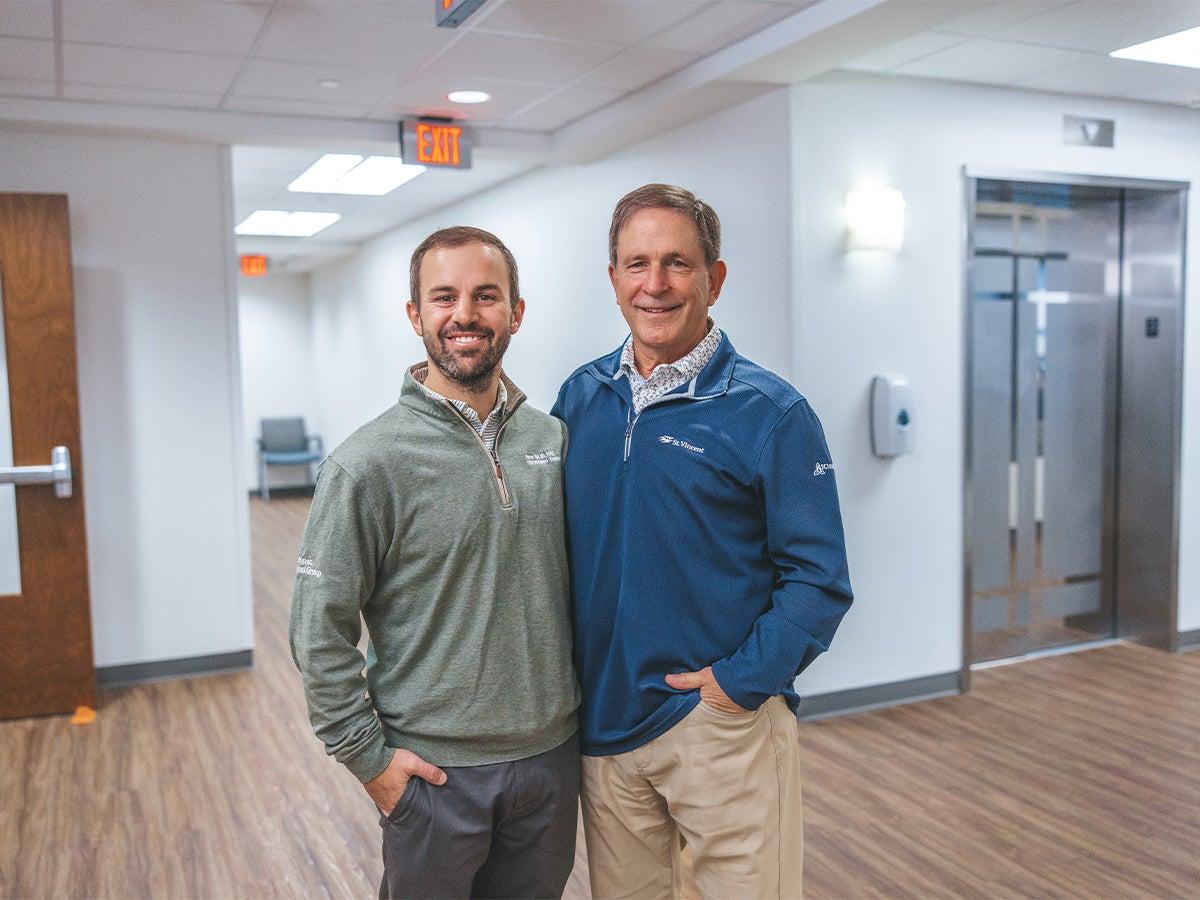
At Ascension St. Vincent Heart Center, father-son interventional cardiologists Michael and Kevin Ball share a calling, a specialty and a commitment to caring for patients.
Understanding whether your symptoms are related to a neurological condition is important. Whether it’s persistent headaches, dizziness, numbness, memory changes or weakness, don’t delay speaking with a doctor to better understand and treat your neurological condition or symptoms.
Dementia is a general term for changes in memory, thinking and behavior that interfere with daily life. Alzheimer’s disease is the most common type of dementia.
A brain tumor develops when healthy cells in the brain begin to change by growing and functioning in a different way. These cancerous cells can begin to build up and form a mass called a tumor. Brain tumors may be cancerous or noncancerous.
Brain tumors form in two main ways:
A concussion is a type of brain injury caused by a blow to the head or a forceful impact to the body that makes the brain move rapidly inside the skull.
Epilepsy is a neurological condition that causes recurring seizures. It affects thousands of adults and children. A seizure happens when there’s a sudden burst of abnormal electrical activity in the brain. This activity can cause the body and brain to react in certain ways.
Essential tremor is a condition that causes shaking you cannot control, most often in the hands, but it can also affect the head, voice, or other parts of the body. While it is not life-threatening, the shaking can make everyday activities like eating, drinking, or writing more difficult.
A headache is pain or discomfort in the head or face. Headaches can vary greatly in terms of where the pain occurs, how severe it is and how often it happens. Common types of headaches include migraine, tension headaches, and cluster headaches.
Multiple sclerosis, or MS, is an autoimmune disease that affects the brain and spinal cord. Normally, your immune system protects your body from viruses, bacteria and other harmful substances. With MS, your immune system mistakenly attacks the protective covering of nerve fibers, disrupting communication between the brain and the rest of the body.
Parkinson disease (sometimes shortened to PD or Parkinson’s) is a progressive neurological condition that affects movement. It is the most common form of parkinsonism, a group of conditions that cause movement-related symptoms.. Although Parkinson’s disease changes over time, treatment and support can help many people manage symptoms and maintain quality of life.
Sciatica is pain that travels along the sciatic nerve, which runs from your lower back through your hips and buttocks and down each leg. It usually happens when a nerve in the lower back is irritated or compressed. Sciatica is a symptom of an underlying condition, not a condition itself.
Spinal stenosis is a narrowing of the spaces within the spine. This narrowing can put pressure on the spinal cord or nearby nerves. Symptoms vary depending on where the narrowing occurs and may include pain, numbness, tingling or weakness in the back, legs, neck, shoulders or arms.
A stroke happens when blood flow to part of the brain is blocked or when a blood vessel in the brain bursts. A stroke is a medical emergency. Call 911 right away if you or someone else has signs or symptoms of a stroke.
At Ascension St. Vincent Heart Center, father-son interventional cardiologists Michael and Kevin Ball share a calling, a specialty and a commitment to caring for patients.
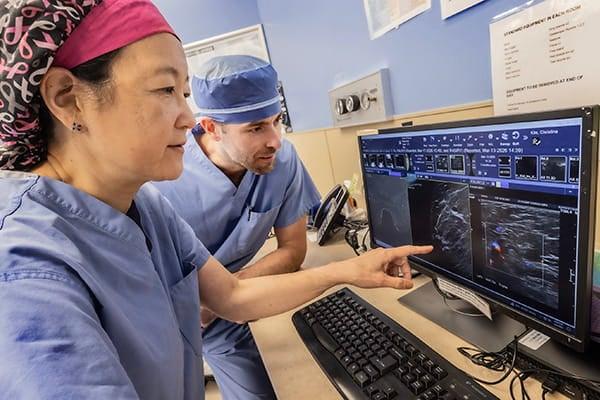
August 4, 2026
Learn how robotic single-port mastectomy and coordinated breast reconstruction give select patients a new minimally invasive surgical option through multidisciplinary care at Ascension St. Vincent Fishers.
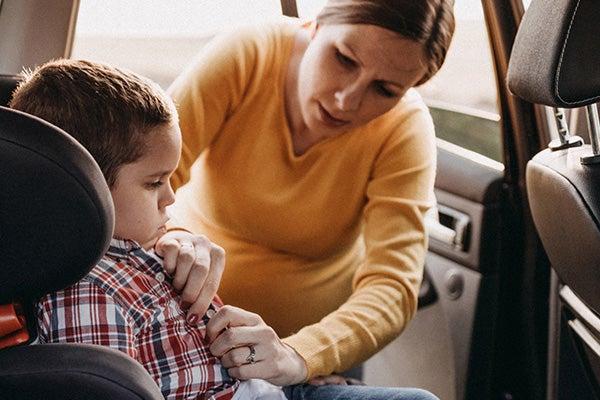
June 11, 2026
Visit the ER for serious illness or injuries when you need emergency care. Visit urgent care for minor injuries or illnesses that need same-day care.
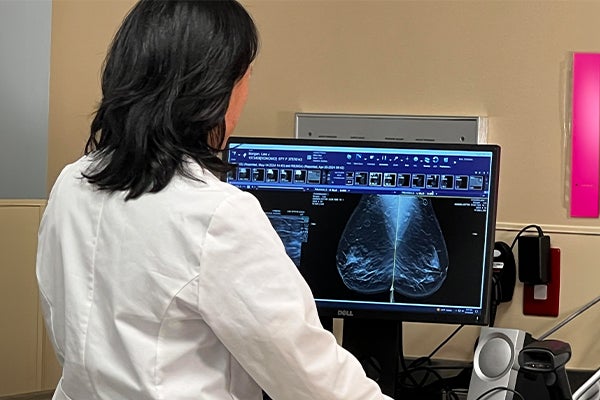
May 15, 2026
Christina J. Kim, MD, breast surgical oncologist at Ascension St. Vincent in Fishers, Indiana, shares why even after age 50, you should still follow breast screening guidelines.

Ann Andersen has spent her 60 years caring for patients and building lasting connections across generations of nurses at Ascension St. Vincent Evansville.
February 16, 2026
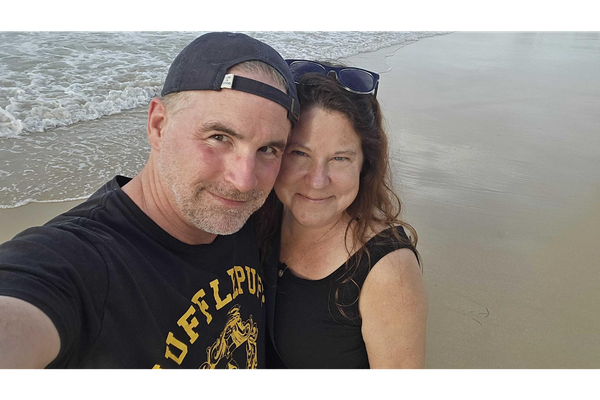
An Indianapolis mother of three shares a message of hope while undergoing cervical cancer treatment at Ascension St. Vincent.

January 2, 2026
Susan Benson, MD, gynecologist at Ascension St. Vincent Women’s Health, shares why women don’t have to suffer through menopause with a personalized treatment plan.
October 2, 2025
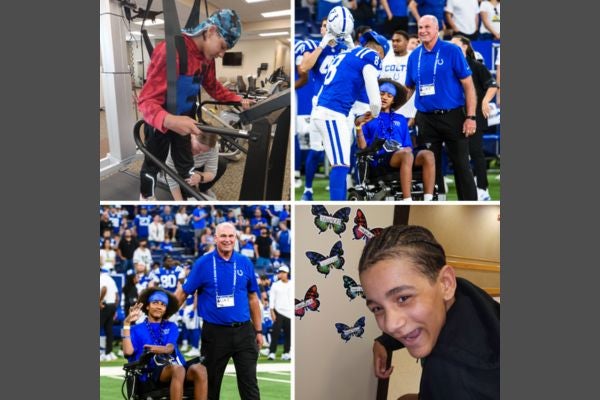
Peyton Manning Children's Hospital patient served as the "Coin Toss Kid" at Lucas Oil Stadium during the Colts game in Indianapolis.
October 2, 2025
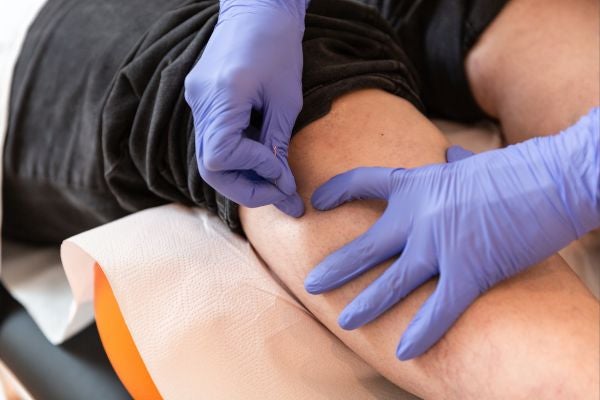
Physical therapists at Ascension St. Vincent across Indiana use dry needling to help with muscle injuries by easing pain and helping you move better.
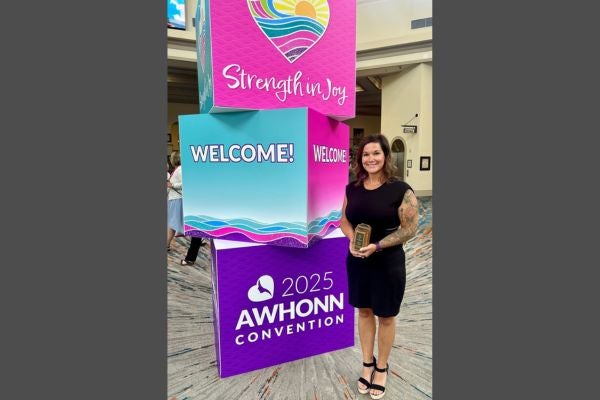
Miranda Wahnsiedler, MSN, BS, AGCNS-BC, RNC-OB, C-ONQS, was recognized by the Association of Women’s Health, Obstetric and Neonatal Nurses for her dedication to the improvement of women’s health.

The new Lucas Family Brain and Spine Hospital at Ascension St. Vincent in Indianapolis, IN, was thoughtfully designed to promote healing and reduce anxiety through intentional choices, while honoring heritage and community.
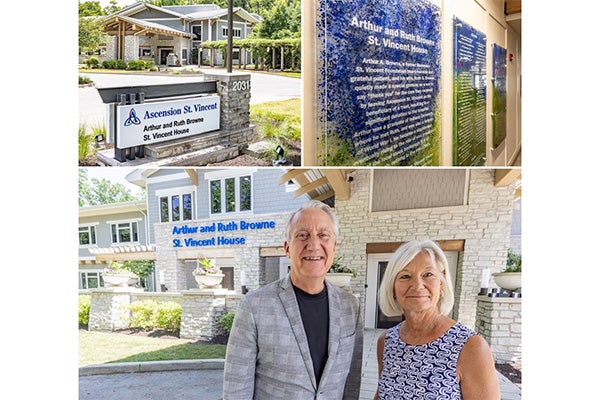
Ascension St. Vincent renamed its hospitality house in recognition of a legacy gift from a couple whose gratitude for the care they received inspired a remarkable act of giving.
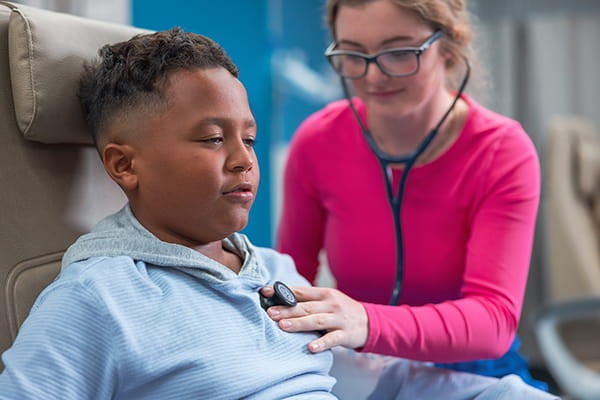
The newly expanded Hilbert Pediatric Emergency Department at Peyton Manning Children’s Hospital provides Central Indiana families with greater access to high-quality, specialized emergency care.

If incidents occur this Fourth of July, knowing where and when to get immediate and emergency care is important.
June 23, 2025
Ascension urgent care and orthopedic teams are here to help you manage your summer injury.

Ascension St. Vincent announces its new brain and spine hospital will be named Lucas Family Brain and Spine Hospital at Ascension St. Vincent. The name honors the donation from an Indianapolis family for their generosity and partnership.

Heather Wiselogle, academic liaison at Peyton Manning Children’s Hospital helped to make her late patient’s dream come true.
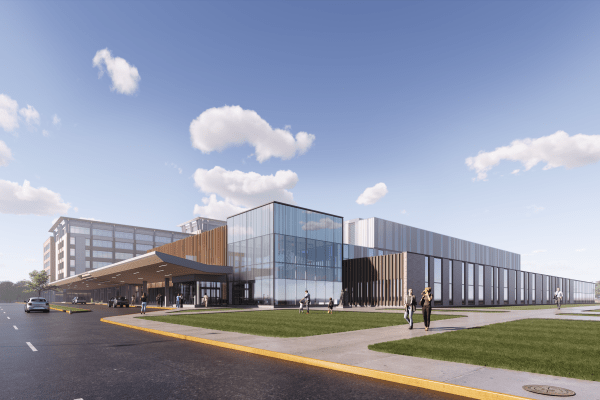
The new Ascension St. Vincent Brain and Spine Hospital will be the premier destination for cranial and spine care, ensuring that Indiana families have access to the best care close to home.
October 23, 2024
Ohio and Indiana health systems focus on providing complex heart surgery, cardiology services closer to home

Advanced care for women and infants now open in Indianapolis with the Women and Infants Hospital on the Ascension St. Vincent Hospital campus.
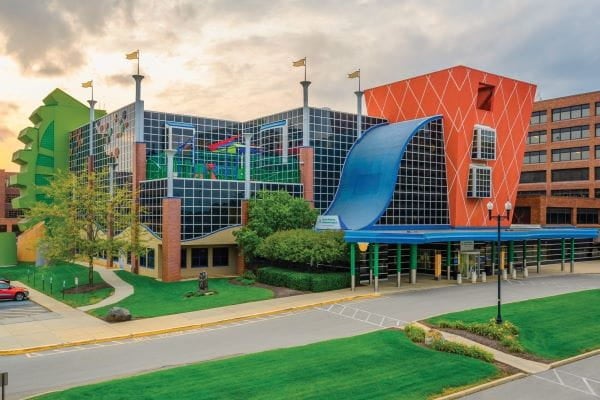
Peyton Manning Children’s Hospital is a verified Level I Pediatric Trauma Center in Indianapolis treating children with life-threatening injuries.
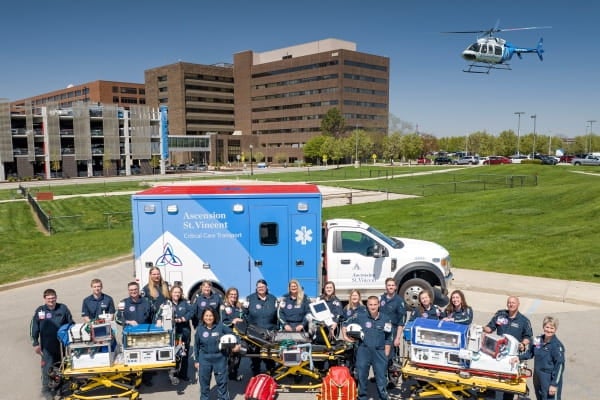
Emergency care team at Peyton Manning Children’s Hospital in Indianapolis, Indiana, tell parents that CPR helped save their daughter’s life.

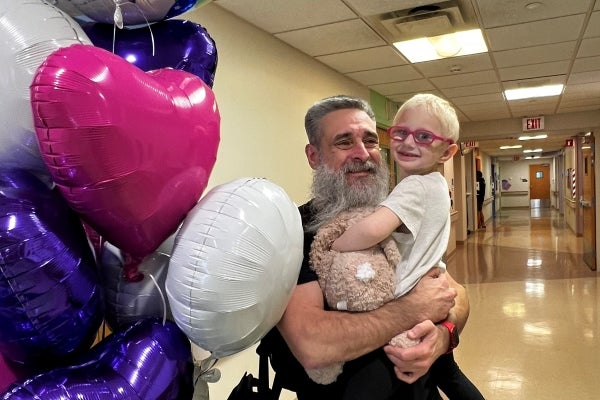
Peyton Manning Children’s Hospital kidney transplant team plans a Big Ten championship watch party for a longtime kidney patient in Indianapolis.
February 14, 2024
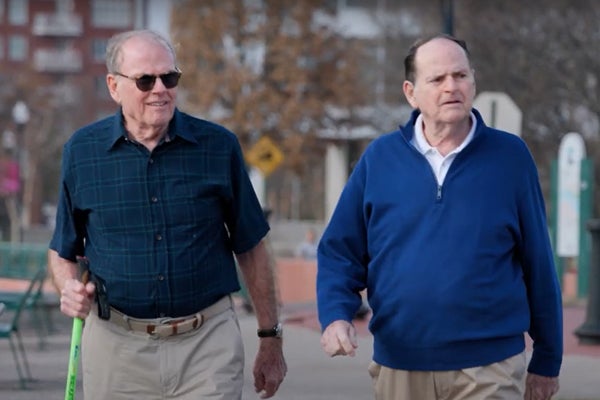
Brothers Mike and Steve Vandeveer undergo a minimally invasive heart surgery known as TAVR which helps shorten recovery time and reduce the risk of infection.
August 4, 2026
Learn how robotic single-port mastectomy and coordinated breast reconstruction give select patients a new minimally invasive surgical option through multidisciplinary care at Ascension St. Vincent Fishers.
June 19, 2026
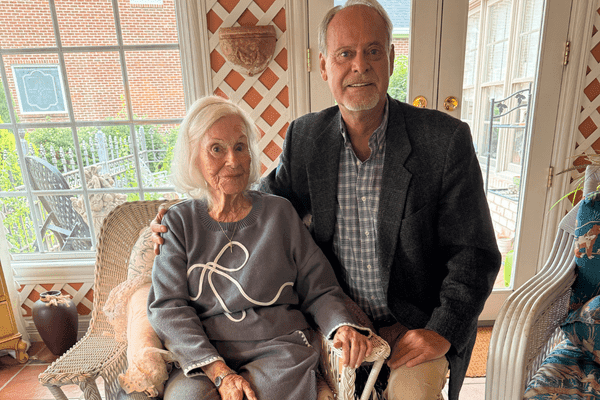
Learn the story behind Evansville's Kempf Bipolar Wellness Center Support Group and how it supports people living with bipolar disorder through connection, hope and community.
June 11, 2026
Visit the ER for serious illness or injuries when you need emergency care. Visit urgent care for minor injuries or illnesses that need same-day care.
May 15, 2026
Christina J. Kim, MD, breast surgical oncologist at Ascension St. Vincent in Fishers, Indiana, shares why even after age 50, you should still follow breast screening guidelines.
October 2, 2025
Peyton Manning Children's Hospital patient served as the "Coin Toss Kid" at Lucas Oil Stadium during the Colts game in Indianapolis.
October 2, 2025
Physical therapists at Ascension St. Vincent across Indiana use dry needling to help with muscle injuries by easing pain and helping you move better.
Miranda Wahnsiedler, MSN, BS, AGCNS-BC, RNC-OB, C-ONQS, was recognized by the Association of Women’s Health, Obstetric and Neonatal Nurses for her dedication to the improvement of women’s health.
The new Lucas Family Brain and Spine Hospital at Ascension St. Vincent in Indianapolis, IN, was thoughtfully designed to promote healing and reduce anxiety through intentional choices, while honoring heritage and community.
The newly expanded Hilbert Pediatric Emergency Department at Peyton Manning Children’s Hospital provides Central Indiana families with greater access to high-quality, specialized emergency care.
If incidents occur this Fourth of July, knowing where and when to get immediate and emergency care is important.
June 23, 2025
Ascension urgent care and orthopedic teams are here to help you manage your summer injury.
Ascension St. Vincent announces its new brain and spine hospital will be named Lucas Family Brain and Spine Hospital at Ascension St. Vincent. The name honors the donation from an Indianapolis family for their generosity and partnership.
The new Ascension St. Vincent Brain and Spine Hospital will be the premier destination for cranial and spine care, ensuring that Indiana families have access to the best care close to home.
Advanced care for women and infants now open in Indianapolis with the Women and Infants Hospital on the Ascension St. Vincent Hospital campus.
Peyton Manning Children’s Hospital is a verified Level I Pediatric Trauma Center in Indianapolis treating children with life-threatening injuries.
Emergency care team at Peyton Manning Children’s Hospital in Indianapolis, Indiana, tell parents that CPR helped save their daughter’s life.
Peyton Manning Children’s Hospital kidney transplant team plans a Big Ten championship watch party for a longtime kidney patient in Indianapolis.
February 14, 2024
Brothers Mike and Steve Vandeveer undergo a minimally invasive heart surgery known as TAVR which helps shorten recovery time and reduce the risk of infection.