Stroke treatment

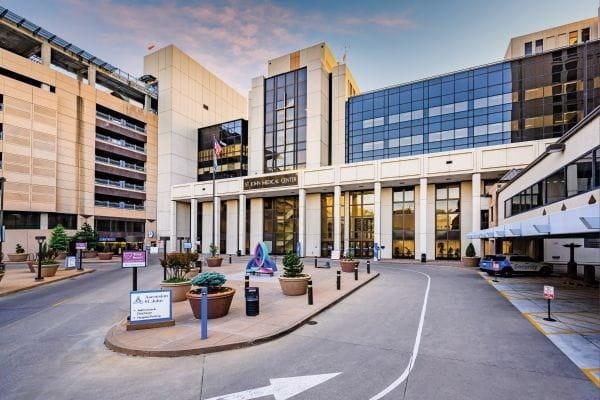
Doctors and care teams at Ascension St. John in Tulsa, Oklahoma, deliver emergency stroke treatments and rehabilitation therapies for your recovery.

Advanced stroke care in Tulsa

Doctors and care teams at Ascension St. John in Tulsa, Oklahoma, deliver emergency stroke treatments and rehabilitation therapies for your recovery.

Know your risk of stroke

By answering these questions, you can start to better understand your risk:

  • Are you over 65?
  • Do you have a family history of stroke?
  • Do you smoke?
  • Have you had a prior stroke or heart attack?
  • Do you have high blood pressure, diabetes, high cholesterol, heart disease, peripheral artery disease, AFib, heart valve disease or sickle cell anemia?

If you answered "yes" to any of these questions, it may be important for you to talk to your primary care doctor about your risk for stroke.

Find a primary care doctor

Stroke treatment at Ascension St. John

Joint Commission Seal Get with the Guidelines SealAscension St. John Heyman Stroke Center is certified as a Comprehensive Stroke Center by The Joint Commission*. As a Comprehensive Stroke Center, we meet strict guidelines for quality, safety and education to help identify stroke and quickly provide care. Each year, our care team completes stroke education and consistently meets standards set by The Joint Commission.

Ascension St. John Medical Center has received the American Heart Association’s Get With The Guidelines® – Stroke GOLD PLUS with Target: Stroke Honor Roll Elite Plus, Advanced Therapy award. The quality achievement award recognizes the commitment to ensuring stroke patients receive the most appropriate treatment according to nationally recognized, research-based guidelines, ultimately leading to more lives saved and reduced disability.

We are the only hospital in the state to earn the Advanced Therapy distinction. The Ascension St. John Medical Center also received the Target distinctions in: Stroke, Type 2 Diabetes award. These Honor Roll Awards aim to ensure that patients with these conditions receive the most up-to-date treatment and therapies by meeting specific criteria from the time of arrival to receiving care.


Excellence in stroke care
US News stroke sealAscension St. John Heyman Stroke Center has been named one of U.S. News & World Report’s High Performing Hospitals for 2025–2026 for high performing rating in stroke care.

Frequently asked questions about stroke

Stroke symptoms can come on suddenly. Call 911 and go to the nearest ER if you experience any of these stroke symptoms:

Balance: sudden onset of dizziness or balance issues
Eyes: double vision or loss of vision
Face: asymmetrical weakness or drooping on one side of face
Arm: one sided arm or leg weakness
Speech: Listen for slurred speech
Time: call 911 immediately

A stroke occurs when there is a disruption in the blood supply to the brain. This disruption can come from a blocked blood vessel in the brain or a blood vessel that ruptures and bleeds into the brain. When you are experiencing a stroke — every second counts. Call 911 and go to the nearest ER.

If you think someone is having a stroke, ask them to repeat a sentence back to you, smile at you, and raise both arms. If they have trouble with any of these tasks, call 911 right away. Stay with the person and note the time they began to have symptoms. This information can help the emergency room care team.

When someone experiences stroke symptoms that go away in a short period of time (typically less than an hour), it may be considered a TIA (transient ischemic attack.) When blood flow to the brain is interrupted for a short period (usually less than five minutes), it may be a sign of a future stroke. TIA is an emergency like stroke. If you experience signs of a stroke or TIA, don't wait to see if the symptoms go away. Call 911 and go to the nearest ER.

The sooner you get to the ER, the more options there may be for treatment. Medications and minimally invasive stroke interventions help remove clots and dissolve blockages to restore blood flow to the brain for ischemic (non-bleeding) strokes. For certain hemorrhagic strokes (bleeding strokes), endovascular procedures are used to repair the blood vessel. Your doctors, nurses, and rehabilitation therapists help you recover after a stroke and help prevent a future stroke.

Ascension St. John community reports

The Ascension St. John Heyman Stroke Center has chosen to publicly report data submitted to The Joint Commission and Centers for Medicare & Medicaid Services.

Carotid procedures are done to open severely narrowed arteries and restore blood flow to the brain. These procedures are often performed to treat or prevent strokes.

  • Ascension St. John Comprehensive Stroke Center
    • Asymptomatic
      • 0% (Goal: <3%)
    • Symptomatic - prior neurological event
      • 4.87% (Goal: <6%)

Cerebral angiogram is a diagnostic test to evaluate the blood vessels in the head or neck to assess for blockages or abnormalities. This minimally invasive procedure helps to diagnose and determine the best treatment for certain patients with stroke and other cerebrovascular disease.

  • Ascension St. John Comprehensive Stroke Center: 1.5% (Goal < 1%)

In some cases a minimally invasive mechanical thrombectomy procedure is recommended to remove the clot in the brain that is causing the stroke. At Ascension St. John, 3 out of 4 patients who are eligible for this procedure have successful return of blood flow to the brain.

  • Ascension St. John Comprehensive Stroke Center: 100%

The faster stroke is treated, the more likely the patient is to recover. In fact, stroke patients who are treated with the clot-busting medication within 90 minutes of their first symptoms were almost three times more likely to recover with little or no disability. The thing to remember is that stroke is largely treatable. It’s a matter of getting the right treatment, right away.

  • Ascension St. John Comprehensive Stroke Center: 86.7%

If you or a loved one are experiencing warning signs of a stroke — sudden loss of balance, lost or unclear vision, face drooping or uneven smile, arm weakness and speech difficulty — every second counts. Call 911 and go to the nearest ER.

All registered marks are property of their respective owners. All rights reserved.

Stories you'll love

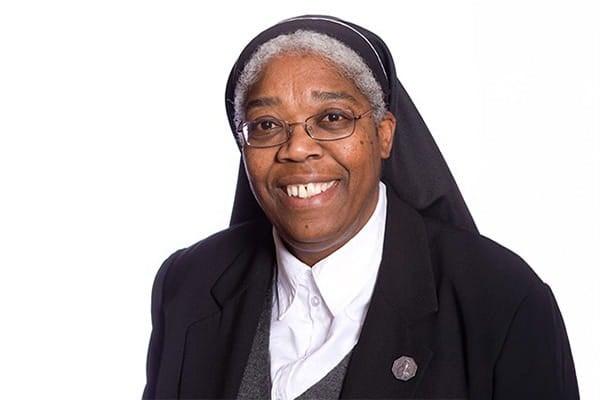
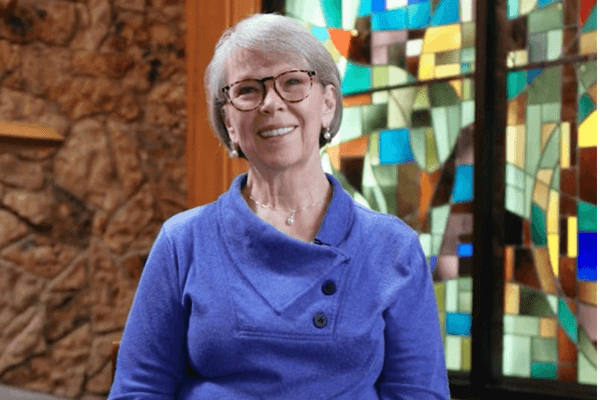
 portrait of Sister Loretta Hall

How the Sisters built a legacy in Tulsa

August 26, 2026

As Ascension St. John marks 100 years in Tulsa, Sister Loretta Hall reflects on the Sisters of the Sorrowful Mother legacy of compassionate care and service.

Read more stories