Why choose The Advanced Brain and Spine Institute at Ascension Sacred Heart
When you choose a neurologist or neurosurgeon at The Advanced Brain and Spine Institute at Ascension Sacred Heart, you get a doctor who listens to understand you and your health concerns. Your doctor has the experience to diagnose and treat complex movement disorders. We can connect you with specialists in imaging, pharmacy through Ascension Rx, therapy, rehab and more.
Movement disorders
Symptoms of a movement disorder include impaired coordination, tight or stiff muscles, involuntary movements and difficulty speaking or swallowing. If you or a loved one are experiencing symptoms, talk with a neurologist at The Advanced Brain and Spine Institute at Ascension Sacred Heart.
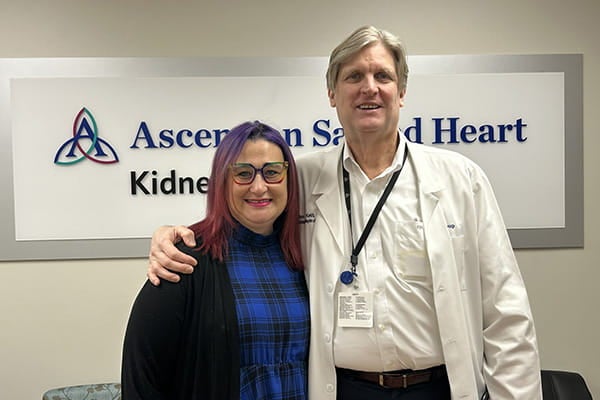
We have a dedicated movement disorders clinic, led by neurologist Deborah Boland, DO, who specializes in the treatment of movement disorders including:
- Ataxia (impaired coordination)
- Cervical dystonia (involuntary twisting of the head)
- Chorea (involuntary, irregular muscle movements)
- Dystonia
- Functional movement disorder (involuntary movements or body positions)
- Huntington's disease (breakdown of nerve cells in the brain)
- Myoclonus (involuntary muscle jerk)
- Parkinson's disease
- Restless leg syndrome
- Tourette syndrome (tics)
- Tremors
Treating movement disorders
Surgery is not always the first option for movement disorders. Your doctor may recommend nonsurgical treatment options first, such as medications and therapy. If surgery is needed, you’ll be connected with neurosurgeons in our network of care at The Advanced Brain and Spine Institute at Ascension Sacred Heart.
Together, we work with you and for you to create a personalized care plan. Our goal is to help relieve your symptoms and slow the progression of your movement disorder.
Depending on your symptoms, physical therapy or rehabilitation may be recommended as part of your care plan. These therapies can help improve your mobility, reduce your risk of falls, improve posture, reduce pain and more. Your doctor can connect you with therapists who specialize in movement disorders.
Deep brain stimulation for movement disorders
If you have a movement disorder and feel your medication is no longer working, talk to one of our specialists to see if deep brain stimulation (DBS) is right for you. DBS is a surgical procedure during which your doctor implants electrodes into specific areas of your brain. These electrodes create impulses that can help regulate abnormal brain activity that is causing symptoms. DBS may help improve brain, muscle and nerve function.