
Annual mammograms: Why screening matters
October 5, 2026
During Breast Cancer Awareness Month, doctors at Ascension Florida are highlighting the importance of regular breast cancer screening and early detection.
Get care from a leader in heart valve and structural heart care at Ascension Sacred Heart in Northwest Florida.
Get care from a leader in heart valve and structural heart care at Ascension Sacred Heart in Northwest Florida.
When you choose Ascension Sacred Heart for your heart care, your doctor is part of a nation-leading team with specialists who care for more hearts than any other health system in Florida.
Cardiologists at Ascension Sacred Heart specialize in heart and valve disease, which is when one or more heart valves don’t work properly. The valves normally keep blood flow moving forward in one direction. And they prevent the backward flow of blood as it leaves each chamber of the heart.
There are two main types of heart valve disease:
Heart valves can develop both regurgitation and stenosis at the same time. Also, more than one heart valve can be affected at the same time.
Common symptoms of heart valve disease include:
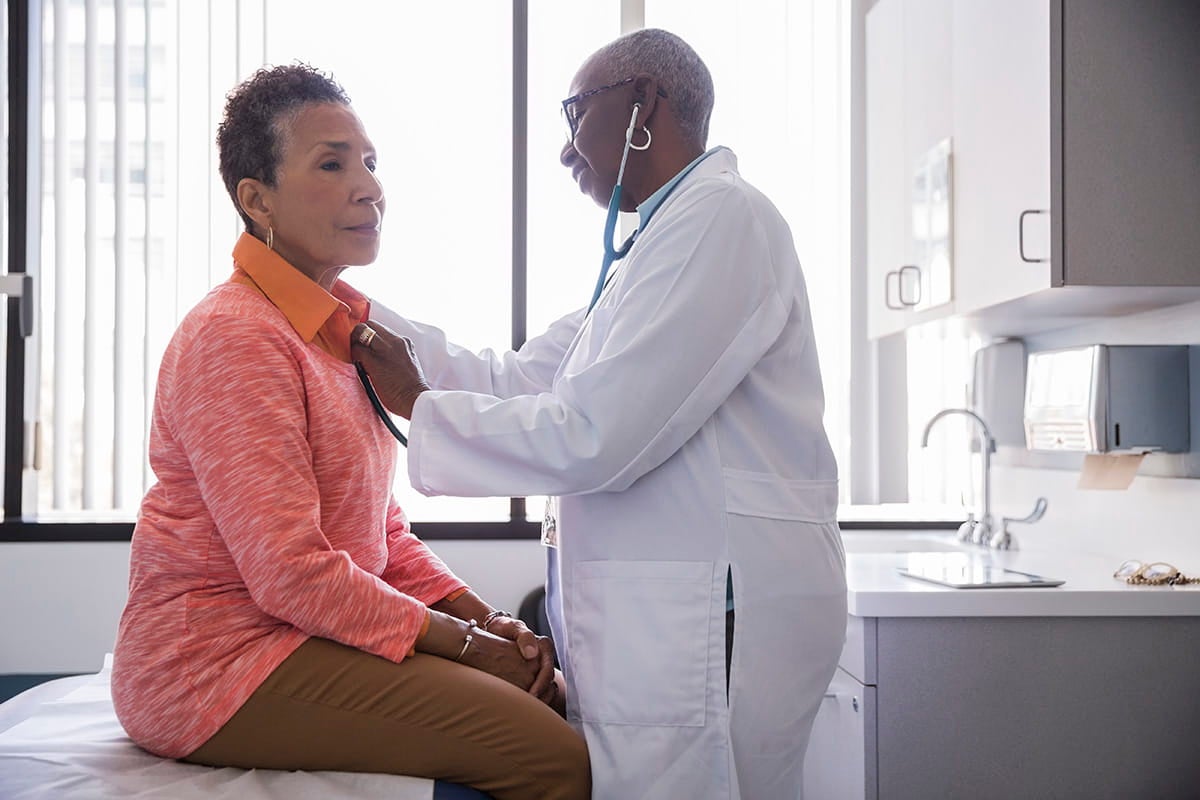
Your doctor may think you have heart valve disease if your heart doesn’t sound right through a stethoscope. They may hear abnormal sounds because of abnormal blood flow across a valve.
This is also known as a cardiac or heart cath. For this test, your doctor guides a small catheter (hollow tube) through the large artery in your upper leg, or sometimes your wrist or arm, into your heart. This procedure lets your doctor take a close look at the heart to identify concerns and to perform other tests or procedures.
This procedure uses a combination of large magnets, radio waves, and a computer to make detailed images of organs and structures in your body. Your doctor may order an MRI of the heart to look at the heart valves and major vessels. It can also detect coronary artery disease and how much damage it has caused. It can also assess heart problems that have been present since birth. It can find tumors and other conditions. Your doctor may order this test before other procedures such as angioplasty or stenting of the coronary arteries and heart or vascular surgery.
This is a type of imaging test that uses X-rays and a computer to make detailed pictures of the inside of your chest. These images are better than regular X-rays. They can give more details about injuries or diseases of the chest organs. This test can assess lung tissue and blood flow.
A chest X-ray is a quick, noninvasive imaging test that provides a detailed picture of the inside of your chest, helping your care team detect signs of a heart condition.
It's used to check the heart's function and structures. During the procedure, a transducer (like a microphone) sends out sound waves at a frequency too high to be heard. When the transducer is placed on the chest at certain locations and angles, the sound waves move through the skin and other body tissues to the heart tissues. The waves bounce or "echo" off the heart structures. These sound waves are sent to a computer that can create moving images on the screen of the heart walls and valves.
Our cardiology team uses advanced diagnostic tools and expertise to accurately identify a wide range of cardiac issues, ensuring you receive the right care as early as possible.
Our cardiology team uses advanced diagnostic tools and expertise to accurately identify a wide range of cardiac issues, ensuring you receive the right care as early as possible.
This is also called a treadmill or exercise ECG. This test is done to monitor the heart while you walk on a treadmill or pedal a stationary bike. Your doctor also monitors your breathing and blood pressure. A stress test may be used to detect coronary artery disease, or to determine safe levels of exercise after a heart attack or heart surgery. This test can also be done using special medicines that stress the heart in a similar manner as exercise does. Sometimes a stress test will collect ECG information along with heart ultrasound pictures. This is called an exercise or stress echocardiogram (echo). It's more sensitive and specific than ECG stress testing alone.
This test is similar to a transthoracic echocardiogram. But it's done with medicine to help you relax (sedation). It's considered invasive because a probe is put into your body. In this test, you will swallow a small probe about the size of your thumb. The probe passes down the esophagus, which lies directly behind the heart. It allows a much closer look at the heart's structure and function than a standard echocardiogram done on the skin of the chest. It can better look at heart valve structure and function. Your doctor can better see any blood clots that may be in the heart.
Treatment for heart valve disease may include medication, therapy or surgery.
For this nonsurgical procedure, a special hollow tube (catheter) is put into a blood vessel in the groin and guided into the heart. At the tip of the catheter is a deflated balloon that is inserted into the narrowed heart valve. Once in place, the balloon is inflated to stretch the valve open, and then removed. This procedure is only used to treat stenotic (narrowed) valves.
Your cardiologist may recommend medications to help manage your heart condition. Mediation may be used to lower blood pressure, prevent blood clots, lower cholesterol and more.
Transcatheter aortic valve replacement (TAVR) is a procedure that replaces a diseased aortic valve with a man-made valve. The TAVR procedure may be recommended as an alternative to open heart surgery. The old heart valve is not removed but acts like an anchor for the new heart valve. This procedure is done through small cuts (incisions) using a long, thin tube (catheter), X-rays, and ultrasound.
These are minimally invasive procedures. The healthcare provider replaces the heart valves. It's done through an artery (for the aortic valve) or a vein (for the tricuspid, pulmonary, or mitral valve) and is often performed from the groin.
Cardiac surgeons treat complex heart valve disease to repair damaged heart valves through open heart surgery and minimally invasive procedures, including TAVR and MitraClip™. When one or both of your valves do not open or close correctly, it can lead to reduced blood flow, cause the heart to work harder, and result in symptoms such as fatigue, shortness of breath, chest pain, fainting, or even heart failure.
Decisions about your heart care are important. Getting a second opinion not only provides more information about your condition, but it can help you feel more confident in the doctor and the care plan you choose. Consider getting a second opinion if:
To make an appointment, a referral should be made by your primary care doctor or another specialist. Once the referral is received and reviewed, you will be contacted to schedule an appointment with a cardiologist.
If you are experiencing a life-threatening emergency, go directly to the ER or call 911.
All registered marks are property of their respective owners. All rights reserved.
October 5, 2026
During Breast Cancer Awareness Month, doctors at Ascension Florida are highlighting the importance of regular breast cancer screening and early detection.
September 30, 2026
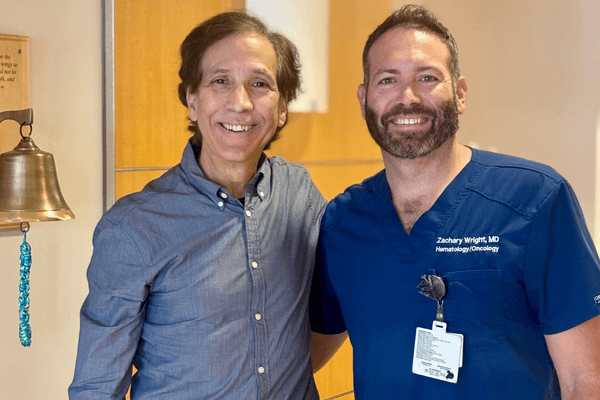
After a leukemia diagnosis, Navy veteran and dermatologist Dr. Michael Pesqueira received personalized combination therapy from Dr. Zachary Wright at Ascension Sacred Heart in Pensacola, achieving positive results.
September 22, 2026
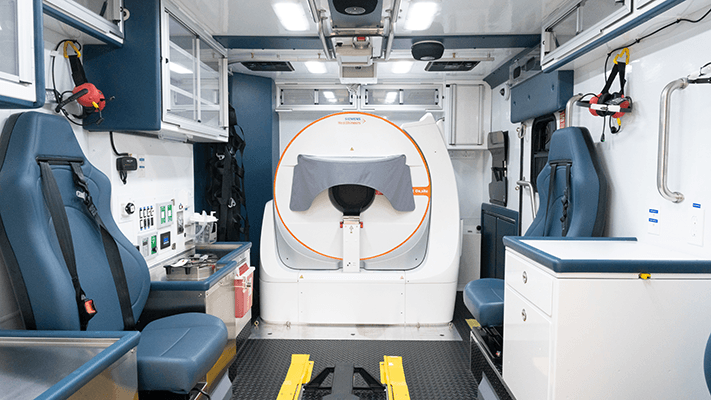
Ascension Sacred Heart is launching Northwest Florida’s first Mobile Stroke Unit, bringing advanced stroke diagnostics and time-sensitive care directly to rural communities.
September 15, 2026
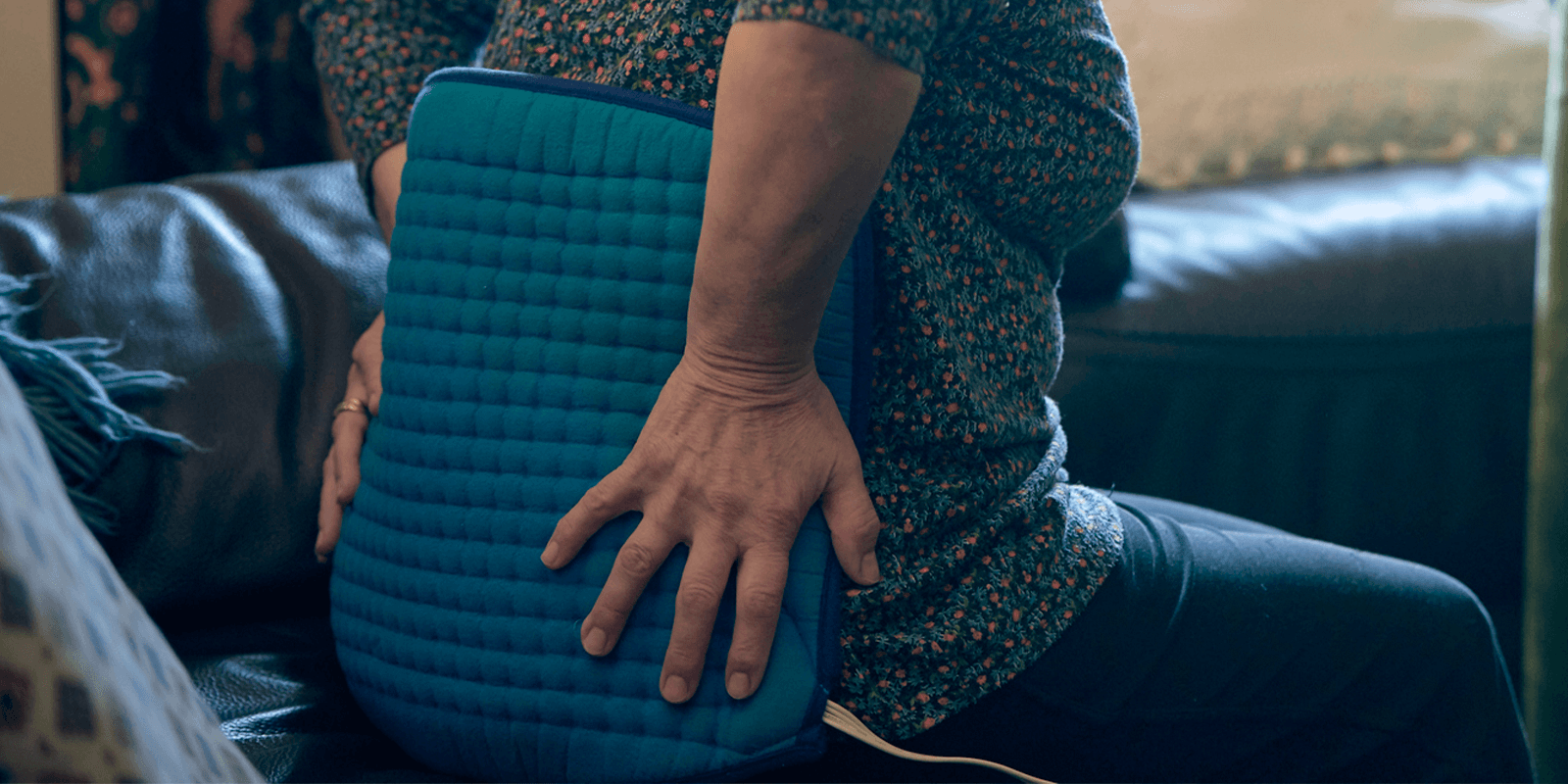
Ice may be useful for new pain, swelling or inflammation, while heat may help relax tight muscles and ease stiffness. Here's how to decide what to try at home — and when to see a doctor for back pain.

September 11, 2026
A primary care provider can help with routine health needs, preventive care, chronic conditions, medications and referrals to specialists.

August 31, 2026
Fibermaxxing can help you eat more fiber, but too much too quickly isn't always a good thing. A gastroenterologist explains how to increase fiber intake safely.

August 19, 2026
Learn how living kidney donation is helping patients receive transplants sooner through the Ascension Sacred Heart Kidney Transplant Program in Pensacola, Florida.
August 17, 2026
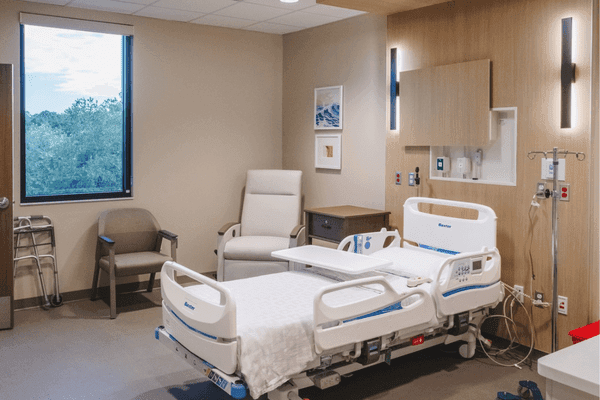
The Ascension Sacred Heart Pensacola Inpatient Rehabilitation Facility is now open, providing advanced rehabilitation care for patients recovering from serious injury, illness, stroke, and complex medical conditions.

August 6, 2026
GLP-1 medications can help some people manage weight by affecting appetite, fullness and blood sugar regulation. But they aren't right for everyone.
July 27, 2026
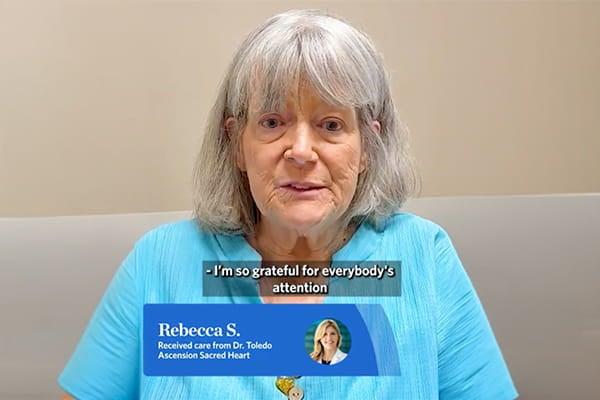
Ascension Sacred Heart neurosurgeon, Maria Toledo, MD, restored a Pensacola patient's quality of life with microvascular decompression surgery for hemifacial spasm.
July 22, 2026
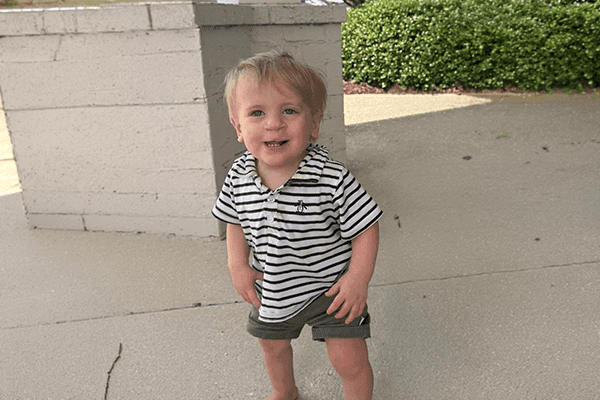
Some smiles stay with you. Elijah’s is one of them. During National Cleft and Craniofacial Awareness and Prevention Month, Studer Family Children’s Hospital celebrates his specialized pediatric cleft care journey.

July 1, 2026
Pink eye and styes can both cause redness and irritation. But pink eye affects the surface of your eye, while a stye causes a bump on your eyelid. Here’s how to tell the difference (and when to seek care).
June 18, 2026
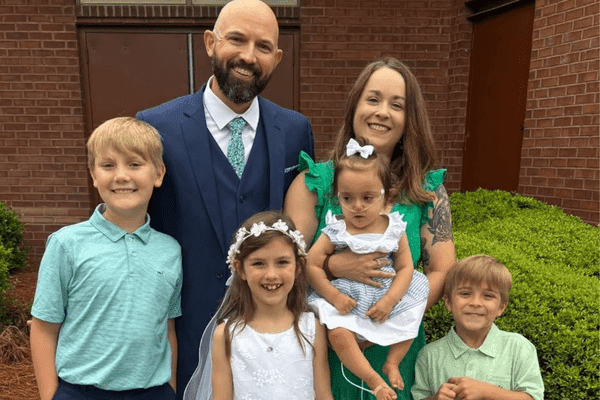
Read how one father found faith, strength and hope during his daughter's 205-day NICU journey after she was born at 22 weeks at Studer Family Children’s Hospital in Pensacola, Florida.
May 27, 2026
A Pensacola mom turned to Ascension Sacred Heart to achieve lasting weight loss and improve her health through bariatric surgery for her family.

May 12, 2026
Quick action and coordinated stroke care at Ascension Sacred Heart led to a Pensacola resident’s strong recovery.
May 4, 2026
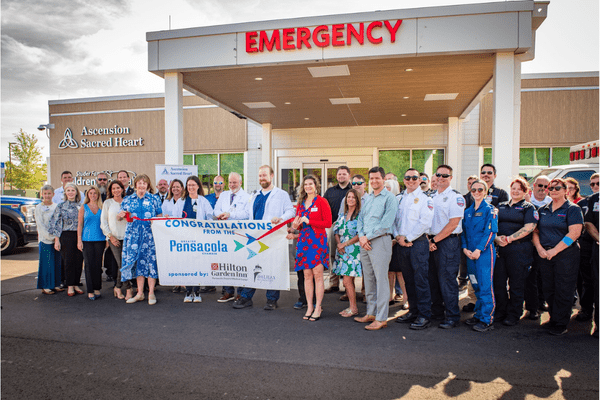
Ascension Sacred Heart has expanded its commitment to accessible, high-quality emergency care with a new freestanding emergency department in Pace, Florida.
April 15, 2026
Leo Villegas, MD, surgical oncologist at Ascension Sacred Heart used surgery to help a stage 4 colon cancer patient with liver metastasis have a positive outcome.
At Ascension Sacred Heart in Pensacola, Dr. Douglas Keith, Medical Director of the Kidney Transplant Program, performed a kidney transplant in 2020 that helped a patient return to a healthy, active lifestyle.
February 27, 2026
After sudden vision loss signaled an ocular stroke, Trina received lifesaving care at Ascension Sacred Heart Pensacola under the expertise of interventional radiologist, Nathan Kohler, MD, PhD.
February 19, 2026
When traditional treatments failed to control her hypertension, Kathy turned to renal denervation, a minimally invasive option offered by Dr. Rohit Amin at Ascension Sacred Heart in Pensacola.

February 18, 2026
Ascension Sacred Heart Pensacola offers a combination of experience, innovation, and compassionate care backed by one of the most respected certifications in healthcare.
February 10, 2026
At Ascension Sacred Heart in Pensacola, Dr. Asim Ahmed, cardiac electrophysiologist, treats AFib, helping stabilize heart rhythm and restore her quality of life for patients.
February 10, 2026
A 24-year-old paramedic was diagnosed with AFib during an ER visit and later received specialized heart rhythm care from electrophysiologist Dr. Asim Ahmed at Ascension Sacred Heart in Pensacola.
February 6, 2026
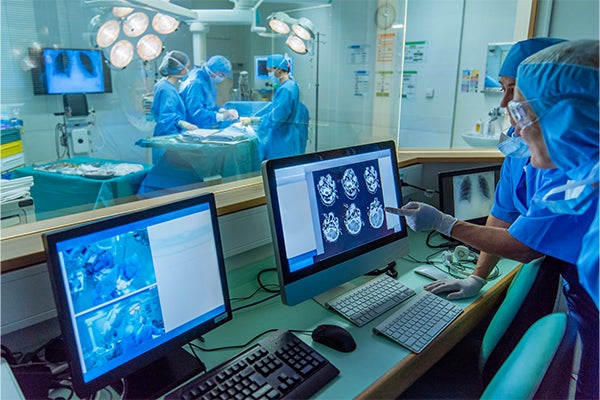
As the longest standing Comprehensive Stroke Center in Pensacola, Ascension Sacred Heart is regional leader in stroke care.
February 2, 2026
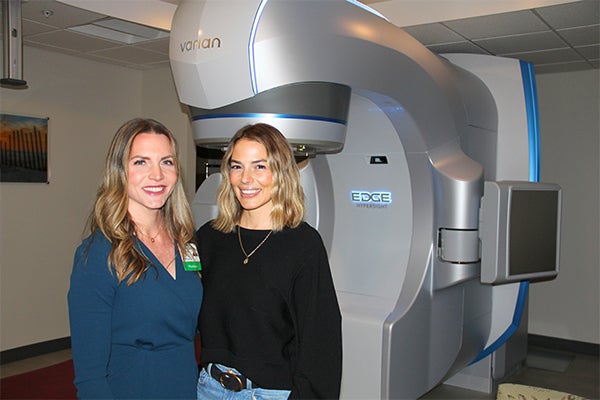
In 2020, Pensacola resident Elli was diagnosed with stage 3 cervical cancer and received care from radiation oncologist Dr. Veronica Carden at Ascension Sacred Heart Cancer Center.

January 14, 2026
At Ascension Sacred Heart in Pensacola, Florida, we provide non-surgical weight-loss options that may help shorten your recovery time.
January 13, 2026
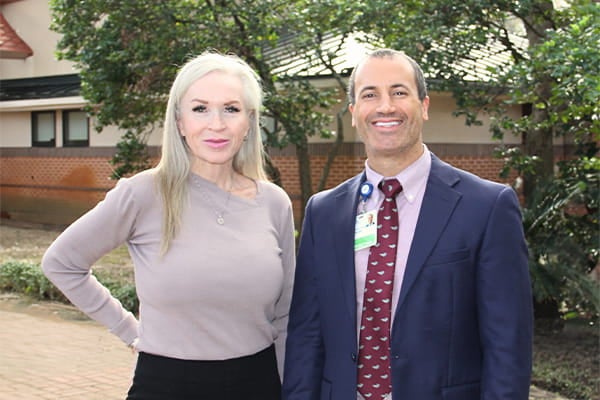
A Pensacola woman found rapid frozen shoulder relief through a minimally invasive procedure performed by Dr. Tyler Schmitz, orthopedic specialist at Ascension Sacred Heart.
November 21, 2025
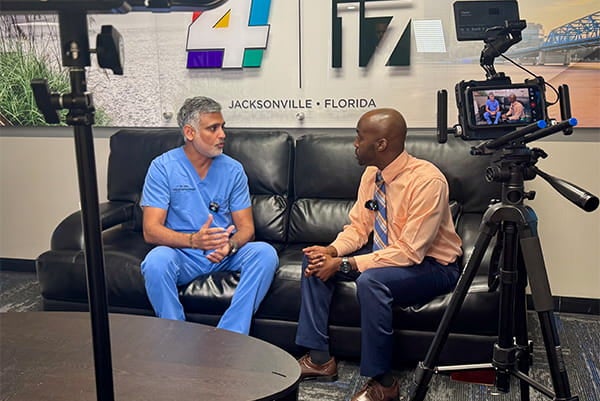
Dr. Saumil Oza, cardiologist at Ascension St. Vincent’s Riverside in Jacksonville uses a combined procedure to treat patients with AFib to help with faster recovery and reduce their risk for stroke.

November 19, 2025
Ascension Sacred Heart is opening a new freestanding ER in the Perdido Key.
November 18, 2025
At Ascension Sacred Heart Bay, pulmonologist Dr. Megan Benedict, used robotic technology to perform minimally invasive lung biopsy.
November 13, 2025
At Ascension Sacred Heart Cancer Center, thoracic surgeon, Dr. Christopher Ellington used two robotic systems, in one procedure, to remove a lung tumor with precision and minimal pain.
November 13, 2025
Ascension Sacred Heart Cancer Center uses robotic systems to successfully remove tumors from patients diagnosed with lung cancer.
October 30, 2025
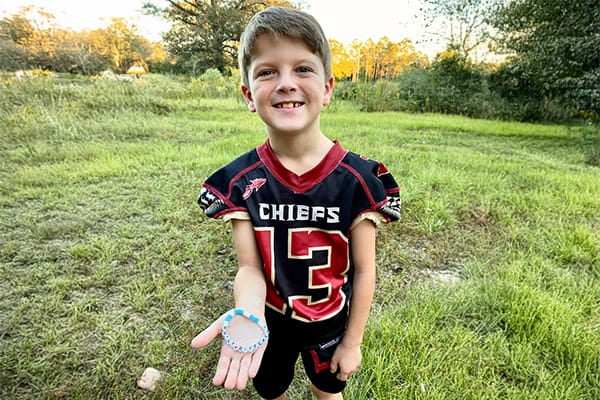
A patient and his mom make bracelets for kids with Type 1 diabetes two years after his diagnosis at Studer Family Children’s Hospital in Pensacola, Florida.
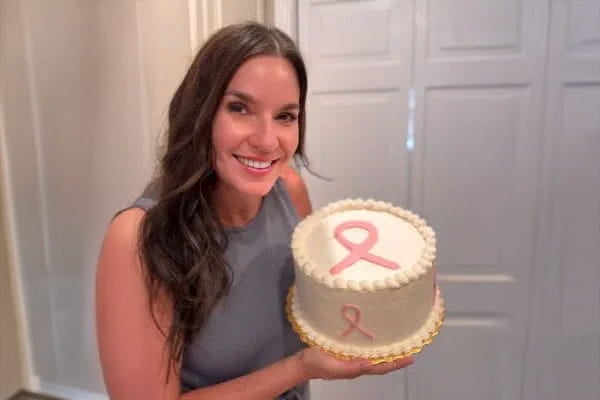
Patient thanks doctor at Ascension Sacred Heart Surgical Breast Oncology Bay in Panama City for her guidance and care during her breast cancer journey.
October 22, 2025
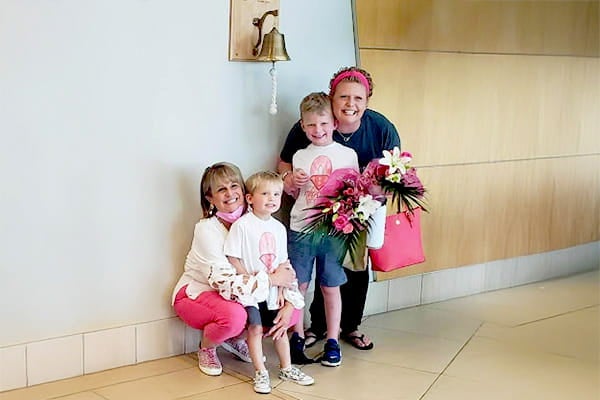
Dr. Alexander Brown, oncologist at Ascension Sacred Heart Cancer Center and his breast cancer care team in Pensacola, Florida, helped a first grade teacher overcome triple positive breast cancer with compassionate care.
October 21, 2025
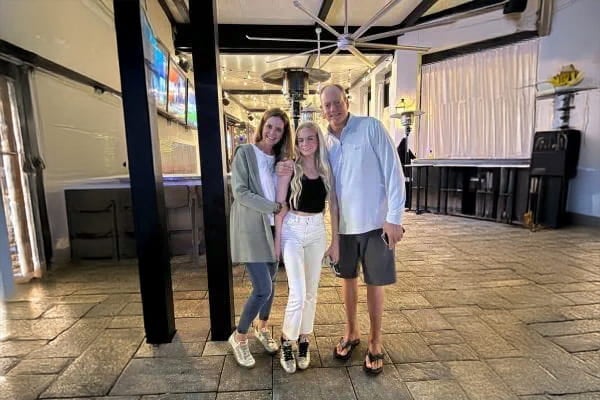
In early 2024, Santa Rosa Beach resident Dee Dee overcame triple-negative breast cancer with compassionate surgical care from Dr. Alison Moody at Ascension Sacred Heart Bay in Panama City, Florida.
October 8, 2025
Eric A. found lasting relief from scoliosis and spine pain through advanced surgery with Dr. Frank Farokhi, neurosurgeon at Ascension Sacred Heart in Pensacola, Florida, restoring his mobility and quality of life.
October 3, 2025
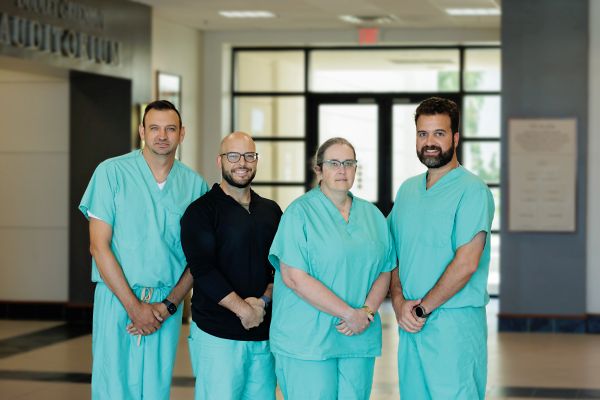
The neurosurgical team at Ascension Sacred Heart in Pensacola honors Spine Health Awareness Month by leading with prevention, education and personalized care.
September 24, 2025
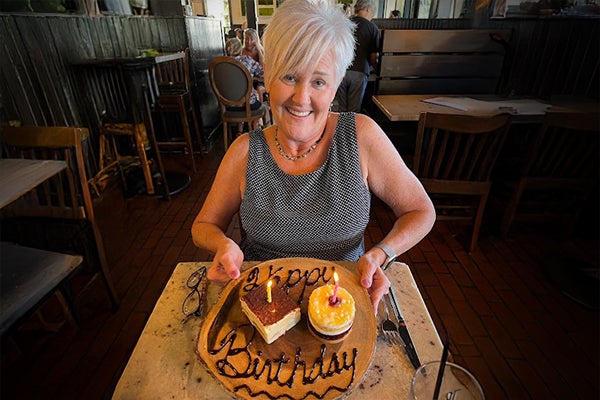
Dr. Zachary Wright, oncologist at Ascension Sacred Heart Cancer Center helps retired Pensacola teacher through breast cancer diagnosis.
September 23, 2025
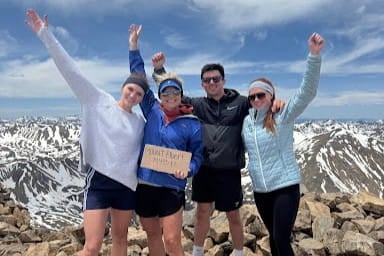
Dr. Frank Farokhi, neurosurgeon at Ascension Sacred Heart, helps Gulf Breeze math team find relief from chronic back pain.
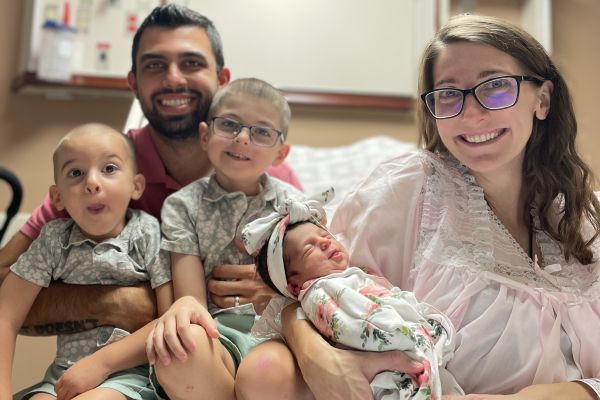
With the trusted support of Ascension Sacred Heart Midwives, this mother of three received whole-person care surrounded by her family in Pensacola, Florida.
September 17, 2025
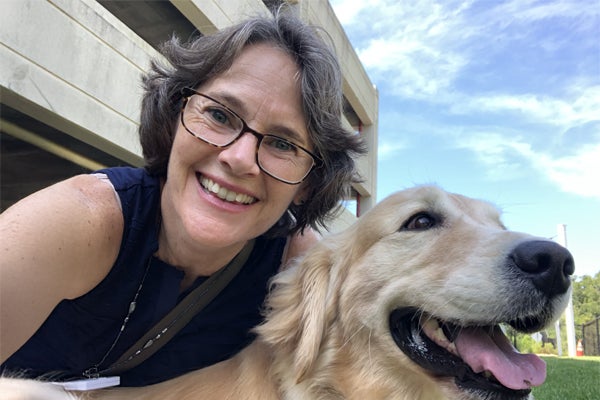
Nurse manager Janice Kober at Studer Family Children’s Hospital shares how the Pediatric Infusion Center uses pet therapy and other resources to help children feel comfortable during their care.
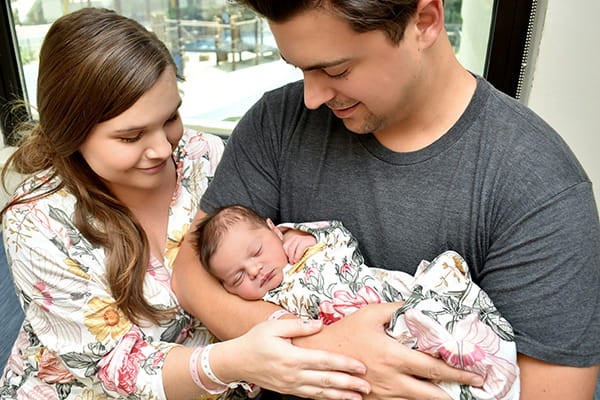
This Pensacola woman “felt supported at every step” of her birthing journey when she decided to transfer to the Ascension Sacred Heart Midwives department for maternity care.
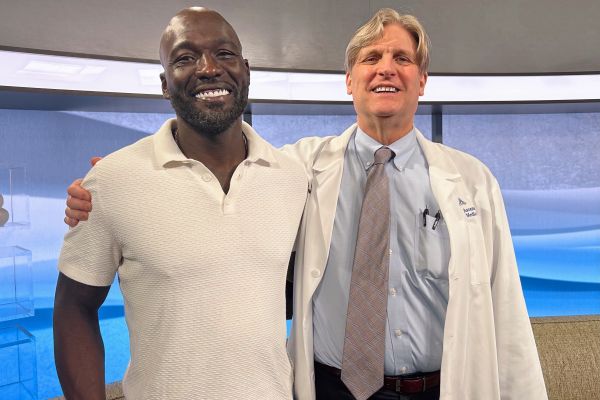
A Pensacola patient found hope and healing after two kidney transplants in 2023 performed by transplant nephrologist, Dr. Douglas Keith and the transplant care team at Ascension Sacred Heart.

Sports medicine doctor Dr. Tyler Schmitz performed a new shoulder procedure at Ascension Sacred Heart in Pensacola, Florida, helping a Navarre patient quickly regain mobility after months of pain and stiffness.
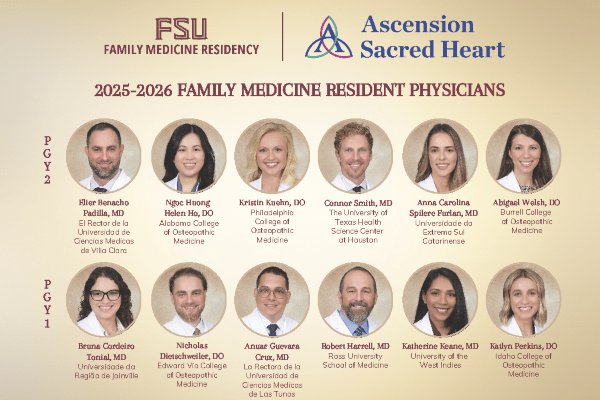
The Family Medicine Residency program celebrated one year of service to the community with a special event honoring the advancement of first-year residents to their second year and recognizing the incoming class.
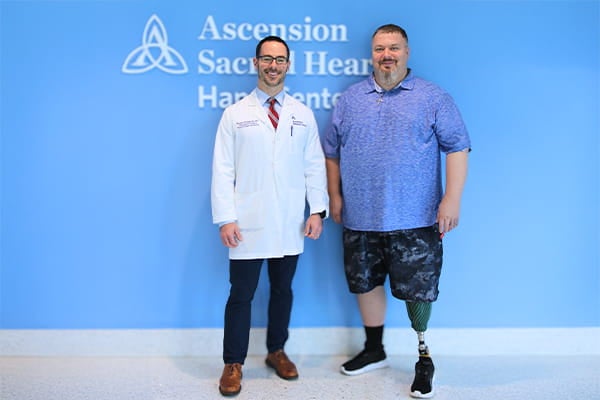
A Pensacola man found relief from post-amputation nerve pain through targeted muscle reinnervation by orthopedic surgeon, Dr. Russell Holzgrefe at Ascension Sacred Heart Pensacola Hand & Upper Extremity Center.
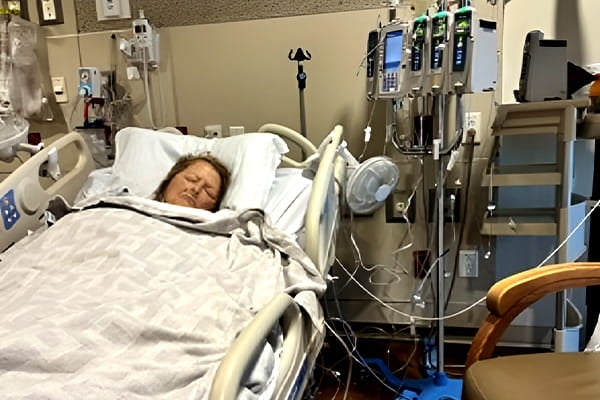
Dr. Douglas Keith, nephrologist at Ascension Sacred Heart Pensacola, helped a patient with a hereditary kidney condition receive a transplant that ended years of dialysis and restored her ability to enjoy daily life.
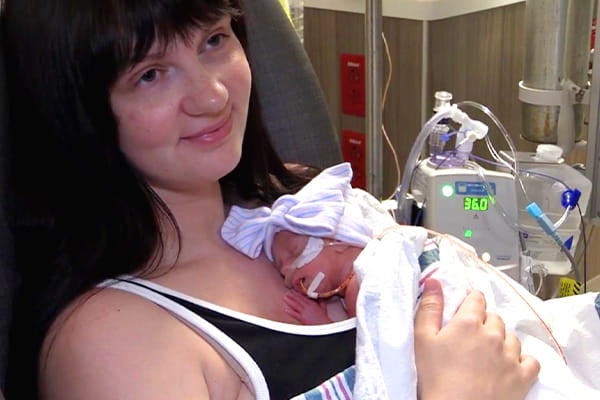
Studer Family Children’s Hospital NICU in Pensacola, Florida, cares for micropreemies and other infants who need advanced specialized care for congenital conditions.
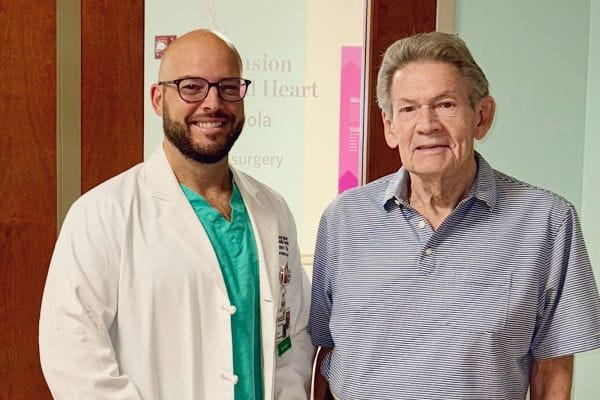
At Ascension Sacred Heart in Pensacola, neurosurgeon, Dr. Christopher Villar, performed complex spine surgery that helped an 81-year-old patient overcome severe scoliosis and regain mobility.
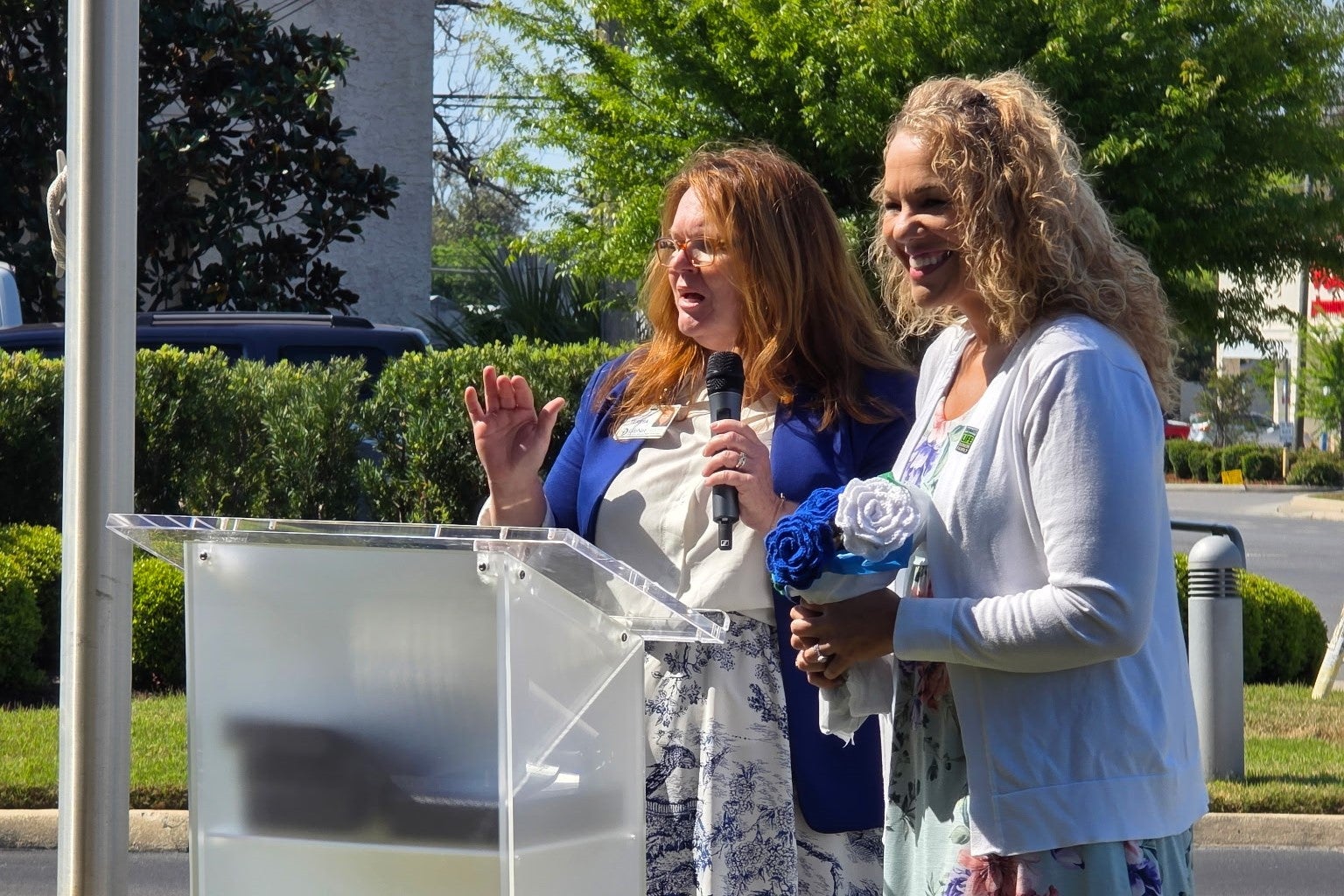
Ascension Sacred Heart Bay ED nurse understands the impact organ donation can make after fulfilling her brother’s wish. Now she shares how other people can save lives.
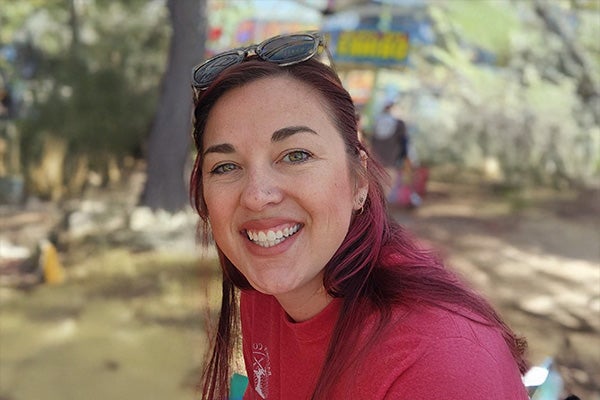
Interventional radiologist Dr. Nathan Kohler uses a stent to help relieve the pressure from one woman’s brain to help with chronic migraine symptoms at Ascension Sacred Heart in Pensacola, Florida.
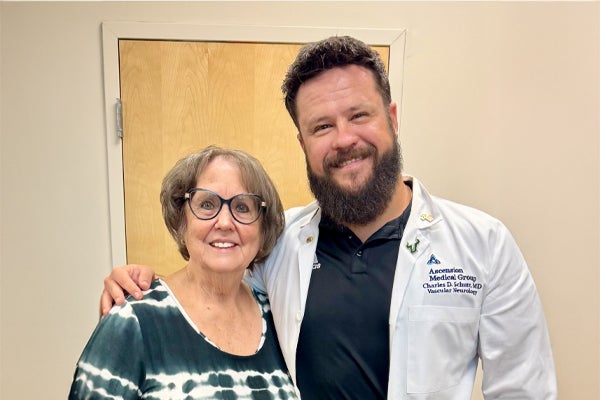
A Pensacola woman credits Dr. Charles Schutt and Ascension Sacred Heart with lifesaving stroke care following two major health events.
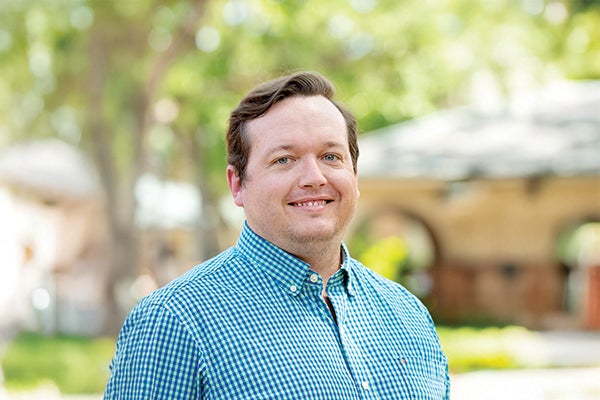
Ascension Sacred Heart Orthopedics in Pensacola, Florida, provides expert care for hip replacements, fractures, and joint deterioration.

If incidents occur this Fourth of July, knowing where and when to get immediate and emergency care is important.
June 23, 2025
Ascension urgent care and orthopedic teams are here to help you manage your summer injury.
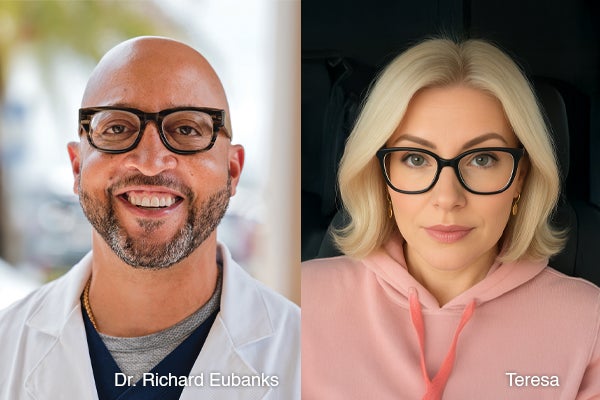
Richard Eubanks, MD, cardiothoracic surgeon at Ascension Sacred Heart Bay, performed an emergency procedure on a patient who was suffering from an aortic dissection.
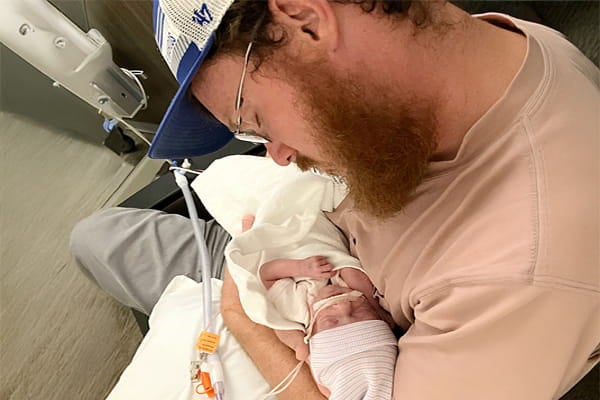
An unexpected high-risk pregnancy challenges a father as he struggles to find his place while his partner and micro preemie daughter receive critical care at Ascension Sacred Heart Hospital in Pensacola, Florida.
In May 2024, ECMO specialists at Ascension Sacred Heart in Pensacola, Florida helped a man with life-threatening sepsis that occurred after having emergency hernia surgery.
Studer Family Children’s Hospital in Pensacola, Florida, expands pediatric expertise through hands-on simulation-based training across Ascension Florida care facilities.
Dr. Rohit Amin, cardiologist at Ascension Sacred Heart uses minimally invasive procedures to treat patients with heart disease in Pensacola, Florida.
Ascension Sacred Heart Pensacola neurosurgeon, Dr. Maria Toledo, performed life-saving brain surgery on a Pensacola, Florida, teacher after a sudden brain bleed left her unconscious for 18 hours.
Neurologist Dr. Charles Schutt and the stroke team at Ascension Sacred Heart in Pensacola saved a man’s life after a sudden, life-threatening stroke at home.
ECMO care teams at Ascension Sacred Heart in Pensacola, Florida, led the effort to save a man with severe streptococcal pneumonia who had trouble breathing on his own.
April 30, 2025
Ascension Rx medication assistance team at Ascension Sacred Heart in Pensacola, Florida, collaborated with a missionary worker diagnosed with brain cancer to overcome the costs of medication allowing her to focus on her recovery.
Dr. Rohit Amin, an interventional cardiologist at Ascension Sacred Heart Pensacola, provided lifesaving care and renewed hope.
A busy mom overcame years of foot pain with minimally invasive bunion surgery and a fast return to her active lifestyle with help from Dr. Kimia Sohrabi, a podiatrist at Ascension Sacred Heart in Pensacola, FL.
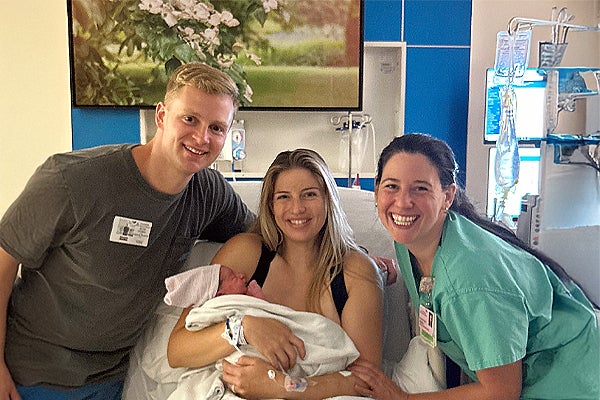
Labor and delivery nurse stationed with her husband in Pensacola, Florida, wanted a midwife-assisted birthing experience with customized care and expert resources at Ascension Sacred Heart.
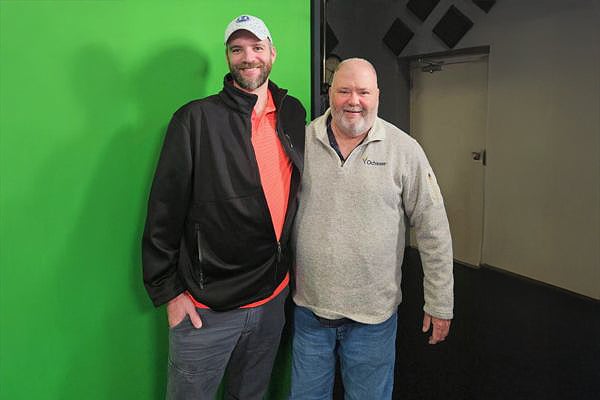
A retired sheriff in need of a kidney makes a plea to the Pensacola, Florida, community, and an Ascension Sacred Heart associate answers the call.
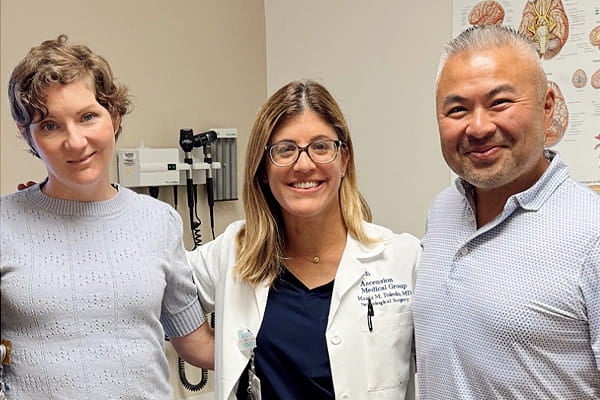
April 1, 2025
Dr. Maria Toledo and the neuroscience team at Ascension Sacred Heart uses advanced hybrid bi-plane technology to treat a patient with life-threatening brain aneurysm.

Dr. Augustus Perez, a pediatric neurosurgeon at Ascension Sacred Heart in Pensacola, Florida, helps an infant boy with a developmental condition called craniosynostosis.
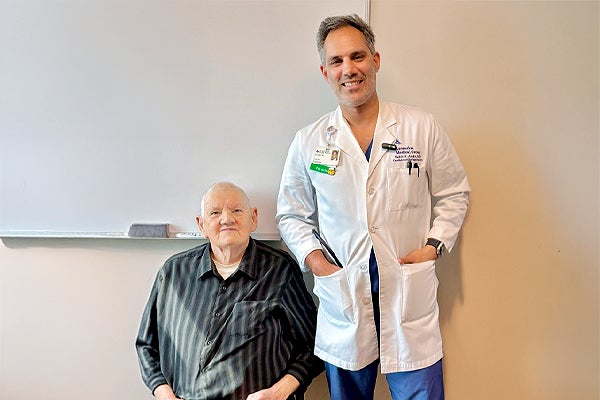
Dr. Rohit Amin, an interventional cardiologist at Ascension Sacred Heart in Pensacola, performed the first tricuspid clip procedure in the Florida Panhandle, providing heart patients with a minimally invasive alternative to open heart surgery.
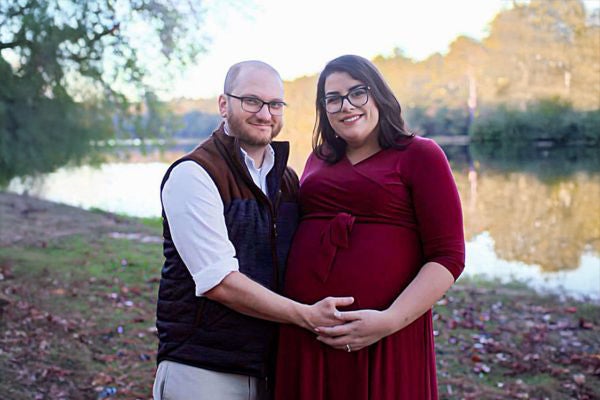
Alabama couple finds compassionate care through every step of their journey at Ascension Sacred Heart in Pensacola, during a high-risk triplet pregnancy and delivery.
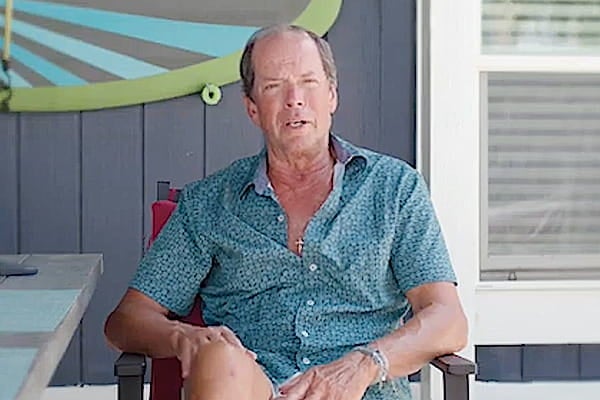
Ascension Sacred Heart deep brain stimulation program helps patients in Pensacola, Florida, with Parkinson’s manage their symptoms.

Ascension Sacred Heart Pensacola was ready to provide care when NASA astronauts needed medical assistance when returning to their base in Pensacola.
February 25, 2025
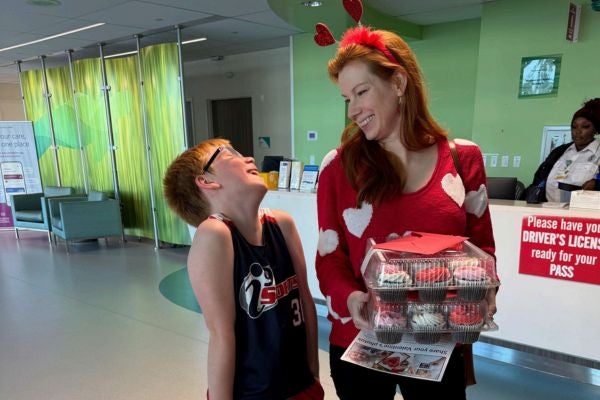
Every Valentine’s Day, a Pensacola mom visits the emergency care team at Studer Children’s Hospital that cared for her premature born son
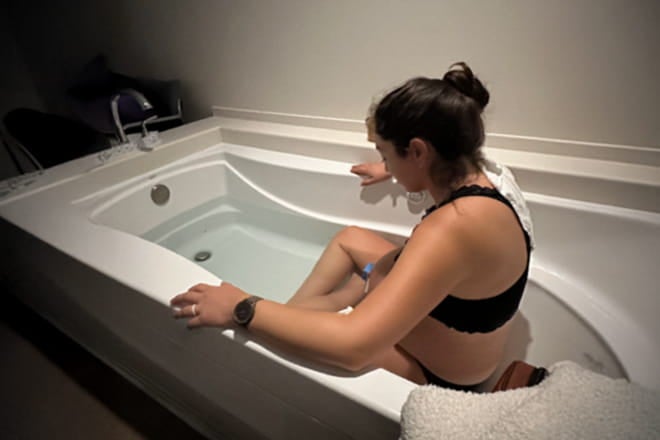
Determined to have a natural birth, this new mom finds the ideal birthing experience at Ascension Sacred Heart Pensacola Midwives.
February 14, 2025
Workforce development program connects veterans with job opportunities for military service members at Ascension Florida sites of care.
February 14, 2025
A new mother suffering from intense headaches sought care at Ascension Sacred Heart OB emergency room in Pensacola, FL, only to find she was facing severe postpartum eclampsia
February 10, 2025
A new mom credits weight-loss surgery for having a healthy experience into motherhood after seeking help from the Comprehensive Wellness Center at Ascension Sacred Heart in Pensacola, Florida.
February 10, 2025
Dr. Kurt Morrison, orthopedic surgeon with Ascension Sacred Heart in Pensacola, FL, performed a successful knee replacement surgery, helping a patient find relief from knee arthritis pain.
Dr. Patrick Gatmaitan, bariatric surgeon at Ascension Sacred Heart Comprehensive Wellness Center in Pensacola, FL, provides personalized weight loss surgery options, helping patients improve their health and regain confidence through comprehensive care.
January 14, 2025
Dr. Patrick Gatmaitan, a bariatric surgeon with Ascension Sacred Heart in Pensacola, Florida, helped an Army veteran with weight loss after an injury.
Sandra’s Journey with Parkinson’s: A New Lease on Life Through DBS
January 7, 2025
Dr. Eugene Dabezies, an orthopedic surgeon with Ascension Sacred Heart Orthopedics helps patients with joint pain, knee and hip replacements in Pensacola, Florida.
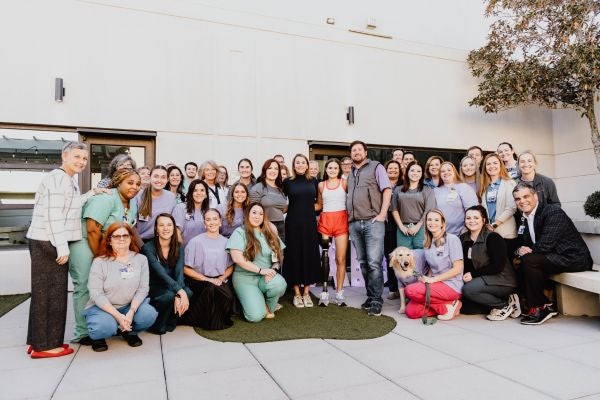
Teen reunites with 70 care team members who played a critical role in her journey to recovery after surviving a shark attack at Rosemary Beach, FL.
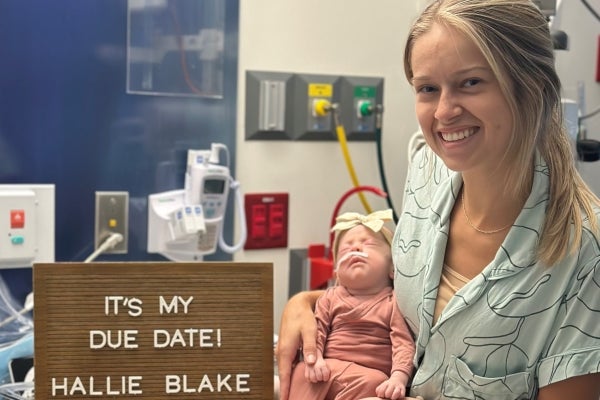
Emergency care RN experiences pregnancy pain leading her to seek care from her colleagues at Ascension Sacred Heart for concerns of preeclampsia and HELLP syndrome
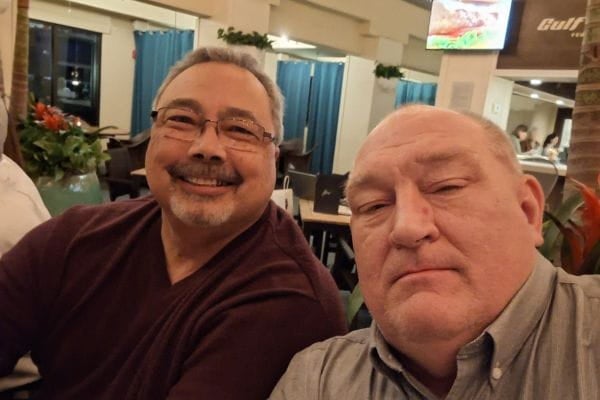
Gulf War veterans reunite thirty years after serving together to serve the Pensacola community, at Ascension Sacred Heart.
October 28, 2024
Dr. Gulnur Com, pediatric sleep medicine specialist at Studer Family Children’s Hospital in Pensacola shares ways to create a safe sleep environment for infants to prevent SIDS.
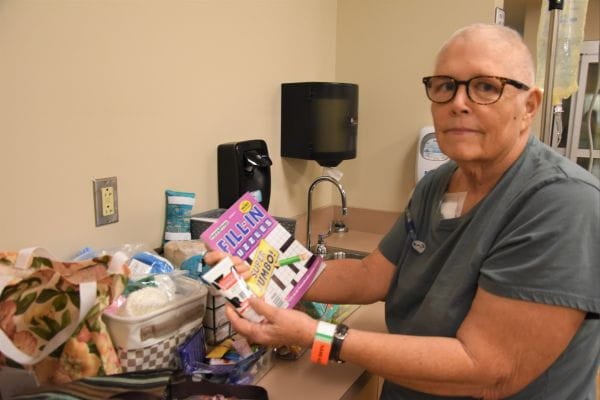
October 14, 2024
Ascension Sacred Heart Cancer Center partners with the Sacred Heart Foundation to give items that help brighten the day of patients receiving cancer treatments.
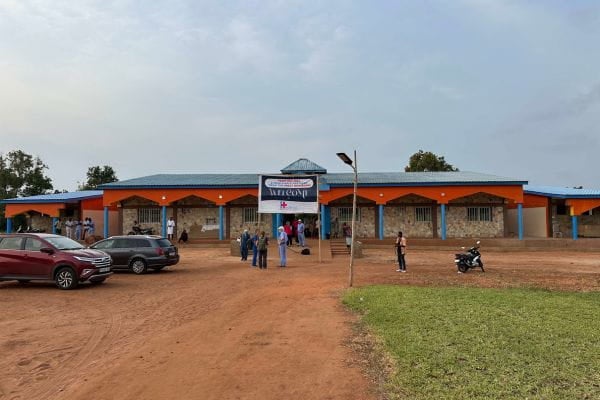
October 8, 2024
For Sacred Heart Bay pharmacy manager Zachary Brent, the opportunity to serve others has been a calling decades in the making.
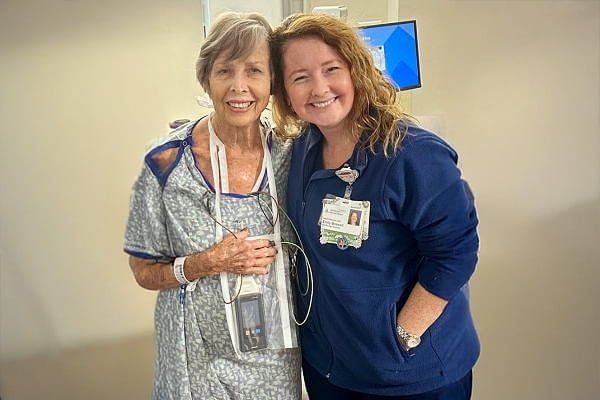
September 25, 2024
Barbara’s stroke during a routine workday was swiftly managed by Dr. Maria Toledo and Dr. Charles Schutt at Ascension Sacred Heart in Pensacola, leading to a fast and successful recovery.
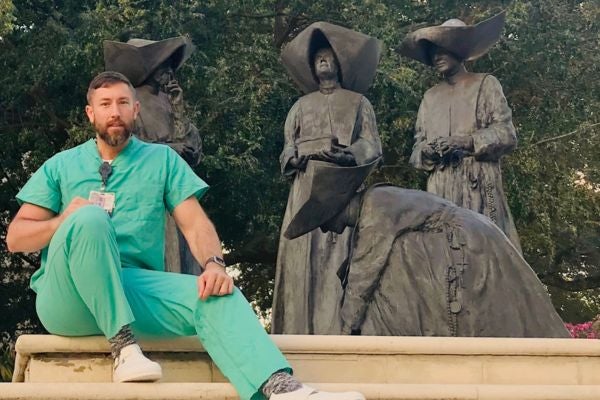
PACU nurse shares how his 17-year career started at Ascension Sacred Heart in Pensacola, Florida.
At Ascension Sacred Heart in Pensacola, FL, a cardiac nurse faced a critical blood clot. Dr. Rohit Amin and the blood clot care team delivered life-saving treatment to their colleague.
Orthopedic surgeon, Dr. Mark Elliott helps a former hospice nurse find pain relief with a shoulder repair surgery at Ascension Sacred Heart in Pensacola, FL.
After an ATV accident, Pensacola man received prompt and compassionate care from Sacred Heart Pensacola Level I trauma center.

After receiving care from Ascension Sacred Heart Women's Care Center, Keshuna Grant was inspired to find a job on the team that cared for her.
Ascension Sacred Heart Maternity and Women's Center provided personalized care to a military wife with a premature twin birth in Pensacola, Florida.
July 26, 2024
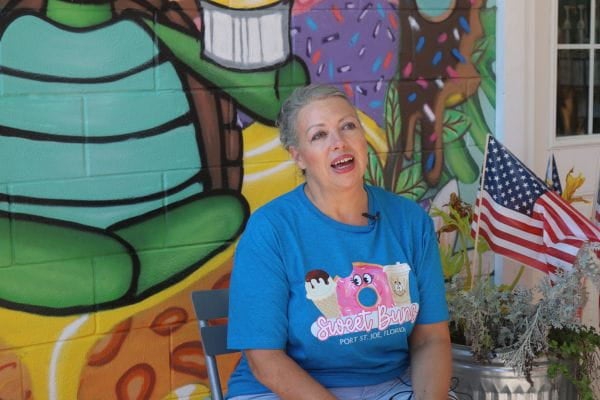
After missing her mammogram for seven years, Sweet Bunz Donuts owner made an appointment at Sacred Heart Gulf in Port St. Joe, FL, and discovered she had breast cancer.
Ascension Sacred Heart Emerald Coast NICU in Miramar Beach, Florida, gives advanced care for premature births.
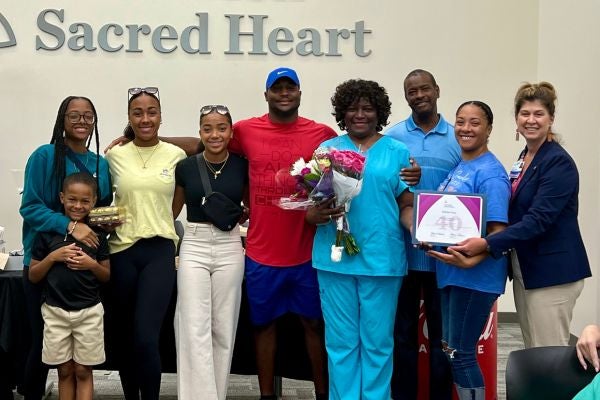
Ascension Sacred Heart Bay physical therapy assistant in Panama City, FL, shares how her 40-year service in healthcare is a testament to the power of prayer.
Justin Labrato shares what he has learned while serving as the Chief Operating Officer at Ascension Sacred Heart Medical Group in Pensacola, FL.
Pensacola, FL, nurse reflects on her over 47 years of service to Ascension Sacred Heart.
March 20, 2024
Pensacola, Florida nurse shares her experience serving the NICU patients at Studer Family Children’s Hospital for 45 years.
March 11, 2024
Two-time stroke survivor credits Ascension Stroke Support Group in Pensacola, FL, for saving his life.
February 26, 2024
Ascension St. Vincent’s Riverside gynecologic oncology surgeon in Jacksonville, FL, helps patient balance surgical care with religious beliefs
January 31, 2024
Ascension Sacred Heart surgeons pay it forward by mentoring future health professionals in Pensacola, FL.
A Panama City pastor finds help for her pelvic symptoms at Ascension Sacred Heart Bay Women’s Diagnostic Center.
January 5, 2024
Walter Driggers started experiencing daily back pain about a year ago. Today, he is pain free after surgery at Ascension Sacred Heart Emerald Coast in Miramar Beach, FL.
Sacred Heart Pensacola nurse helps a new generation of nurses establish good habits in Pensacola, FL.
October 12, 2023
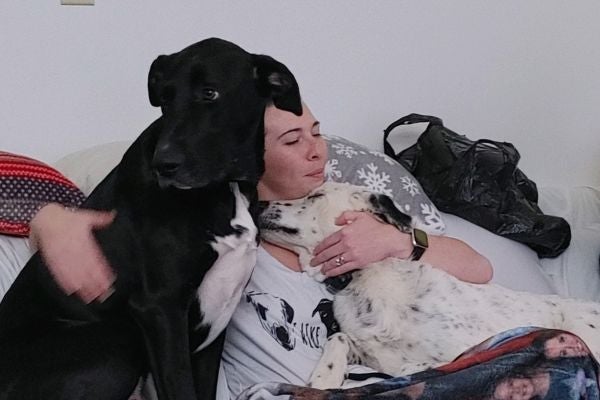
A Pensacola woman decided to have a lump in her breast checked at Ascension Sacred Heart when her dogs wouldn’t leave her side.

October 12, 2023
A well-known patient advocate in Pensacola, FL, overcame breast cancer twice with early detection and treatment at Ascension Sacred Heart.
October 10, 2023
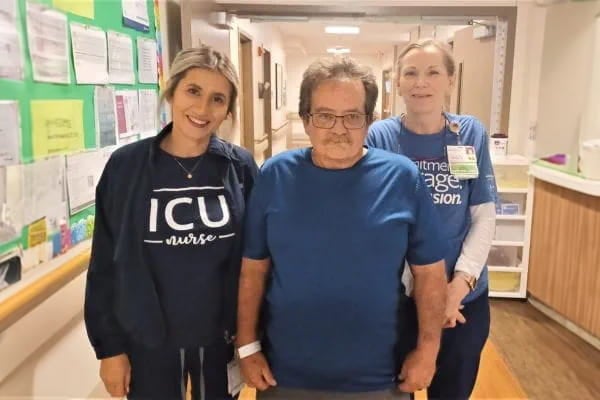
Cancer survivor received life-saving stroke care at Ascension Sacred Heart Pensacola.
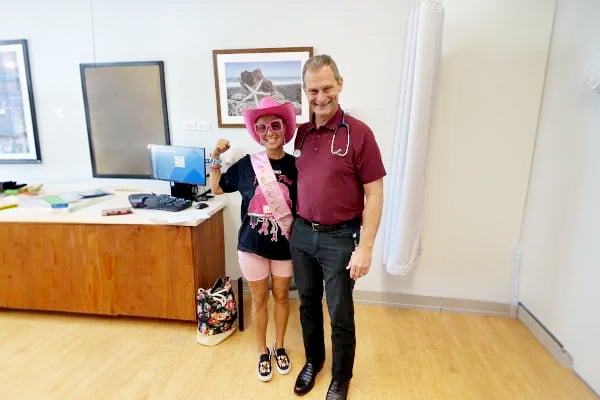
A single mom found personalized care at Ascension Sacred Heart Bay in Panama City, FL, after finding a lump in her breast.
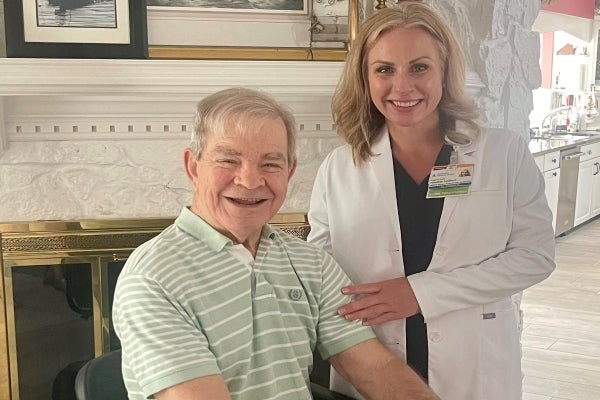
Nurse practitioner Heather Ledford at Ascension St. Vincent’s travels to patients’ homes to give personalized care when they are unable to leave the house.
September 13, 2023
Pensacola pediatric trauma director at Studer Family Children’s Hospital applauds new golf cart law that raises driving age.

September 6, 2023
Freeport high school football player gets a second chance on the field after orthopedic surgery at Studer Family Children’s Hospital saved his arm.
September 1, 2023
Pensacola man doesn’t delay seeking care at Ascension Sacred Heart when his skin starts to discolor from pancreatic cancer.
August 31, 2023
Wear and tear of the hip, knee and other joints is part of aging, but Pensacola, FL patients find relief with minimally invasive surgery at Ascension Sacred Heart.

August 25, 2023
Pensacola football coach suffers stroke mid-game, receives lifesaving treatment at Ascension Sacred...
August 24, 2023
The 300th TAVR patient at Ascension Sacred Heart in Pensacola, FL, is happy with his improved quality of life after surgery.
August 23, 2023
Ascension Sacred Heart ER nurse helps son in an incident that left him partially amputated in Pensacola, FL.
August 18, 2023
Dr. Kurt T. Stockamp, general surgeon at Ascension Sacred Heart in Pensacola, Florida answers questions related to gallbladder surgery.
August 16, 2023
Ascension Sacred Heart has earned David’s trust over the years. From primary care to orthopedics to cardiology, he says he has confidence in his care team. When he felt chest pain, fatigue and dizziness, he says he knew where to turn.
July 31, 2023
An active grandmother of an even more active 5-year-old granddaughter, Brenda K., 64, is back to living her life after heart doctors at Ascension Sacred Heart solved her medical mystery.
July 31, 2023
Jennifer Morton, DNP, RN, takes on a new leadership role at Ascension as the Senior Director of Nursing Practice and Operations for the organization.
Florida vacationers receive emergency care from Ascension Sacred Heart Pensacola in Pensacola, FL, after an unexpected cardiac event.

June 14, 2023
Ascension Sacred Heart Pensacola board member invites Chipley, Florida mom to recharge at a retreat for mom’s with chronically ill children.
Dr. Amr Barakat, cardiac electrophysiologist at Ascension St. Vincent's Cardiology in St. Johns County, Florida answers questions about treating AFib.
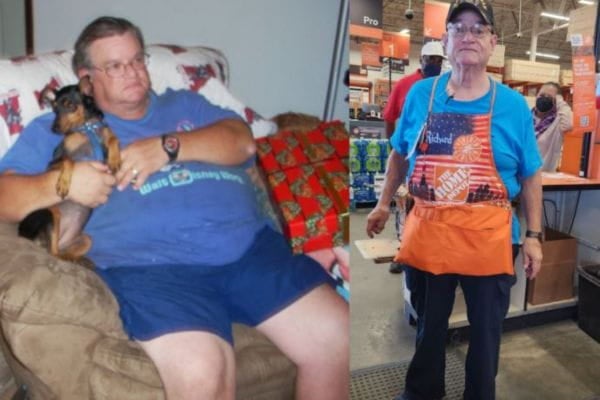
A Pensacola, Florida man embraces a new active life after having weight-loss surgery and support at Ascension Sacred Heart.
June 1, 2023
Dr. Lauren Stipp, cardiologist at Ascension Medical Group Sacred Heart Cardiology 30A in Watersound, FL answers common questions about heart CT scans.
Dr. Jairan L. Duke-Elmore, obstetrician at Ascension Medical Group Sacred Heart in Pensacola, Florida answers common questions about pregnancy and heart disease.
May 31, 2023
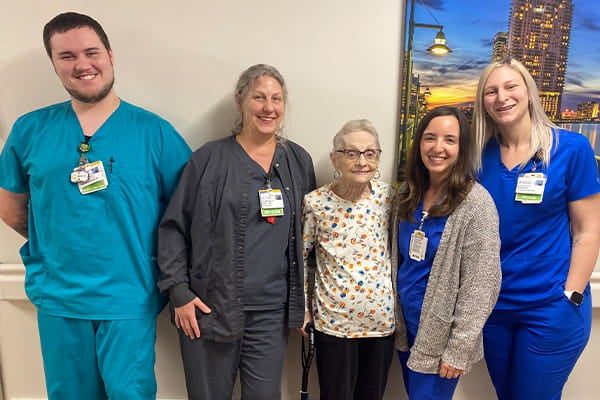
Ascension St. Vincent’s Inpatient Rehabilitation Unit in Jacksonville, FL helped this grandmother regain strength and function in her muscles.
Dr. Shailee Shah, cardiologist at Ascension Medical Group St. Vincent’s Women’s Heart and Prevention Clinic in Saint Johns, Florida answers common questions about heart disease in women.
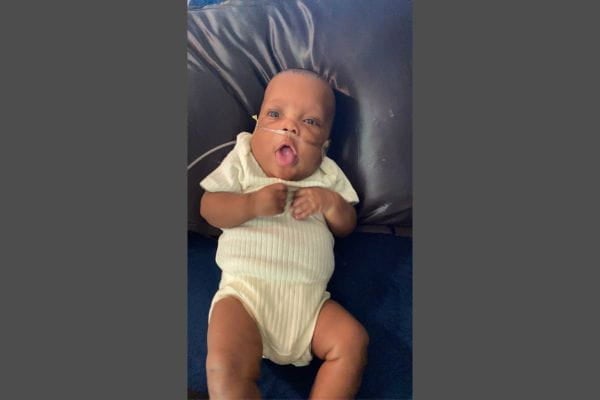
Weighing just a pound-and-a-half and stretching the length of a ruler, micro-preemie Teigen shocked her mother by making an early entrance at 23 weeks old at Studer Family Children’s Hospital at Ascension Sacred Heart last year.
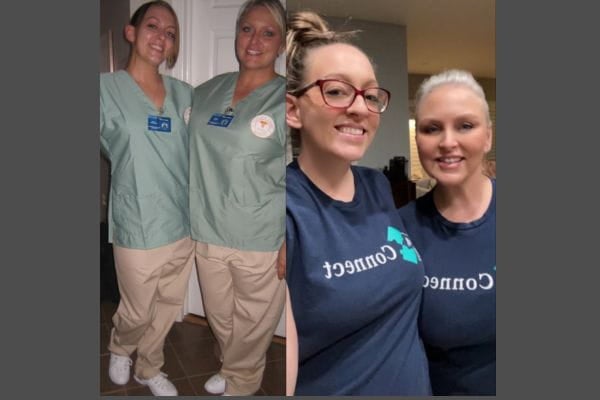
May 9, 2023
How one question changed nurse's career path
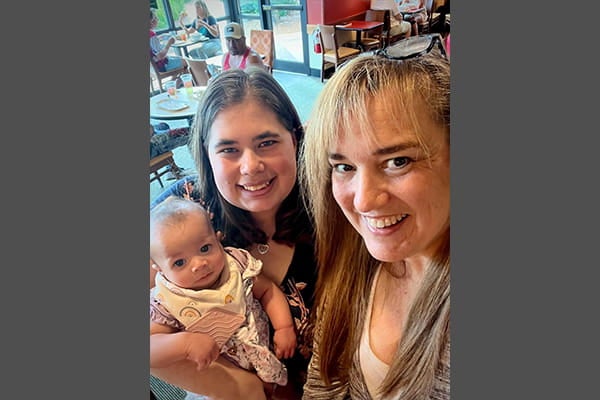
As a Neonatal Intensive Care Unit nurse caring for the tiniest patients at Studer Family Children’s Hospital, Chelsea Fredrickson’s life has come full circle.
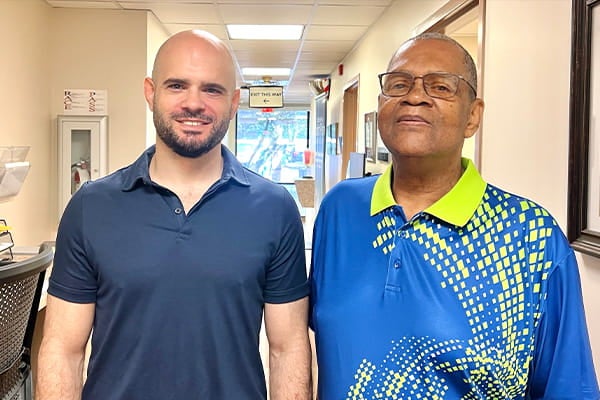
After having minimally invasive hip replacement, patient feels 20 years younger.
April 20, 2023
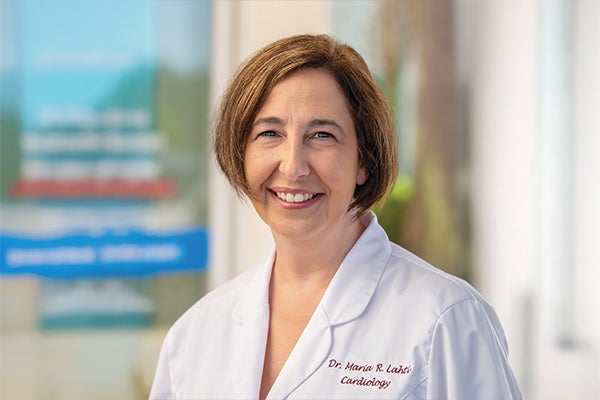
Dr. Maria Lahti, cardiologist at Ascension Medical Group Sacred Heart Cardiology Destin in Destin, Florida answers common questions about heart disease.

April 20, 2023
Dr. Sara Largen, pediatrician at Ascension St. Vincent’s in Jacksonville, FL, shares what to expect at your child’s appointments.
April 20, 2023
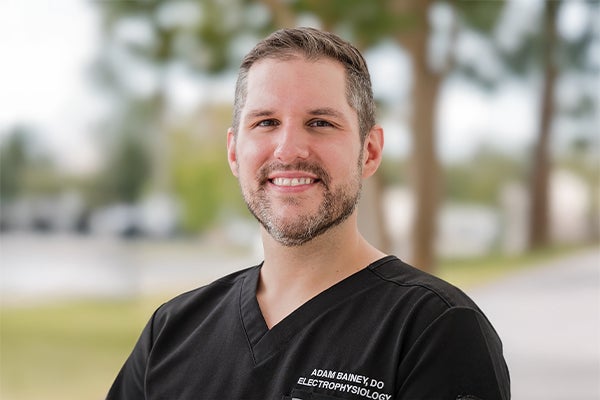
Dr. Adam Bainey, cardiac electrophysiologist at Ascension Sacred Heart in Miramar Beach, Florida answers your common questions about AFib treatment.
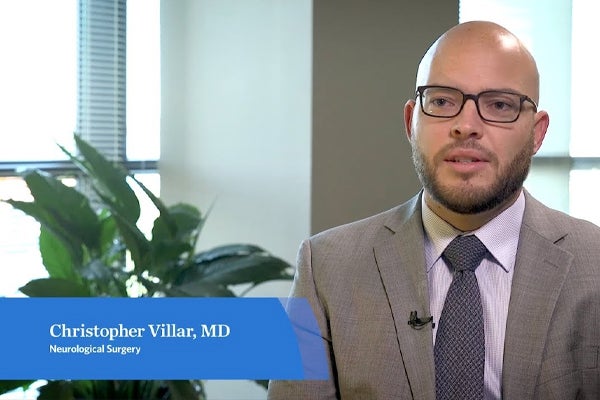
Dr.Christopher Villar, neurosurgeon at Ascension Sacred Heart in Pensacola, FL, answers the most commonly asked spinal surgery questions.
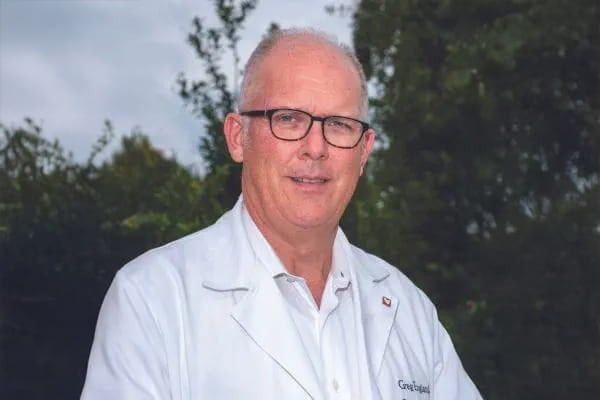
Dr. Greg England, cardiothoracic surgeon at Ascension Sacred Heart Bay in Panama City answers common questions about heart surgery.
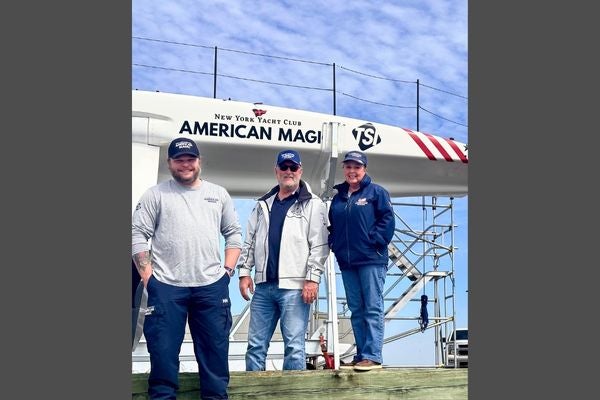
Ascension Sacred Heart nurses provide medical support to the American Magic competitive sailing team in Pensacola, Florida.

After suffering an incomplete spinal cord injury seven years ago, recurring urinary tract infections have taken a toll on his health.
January 17, 2023
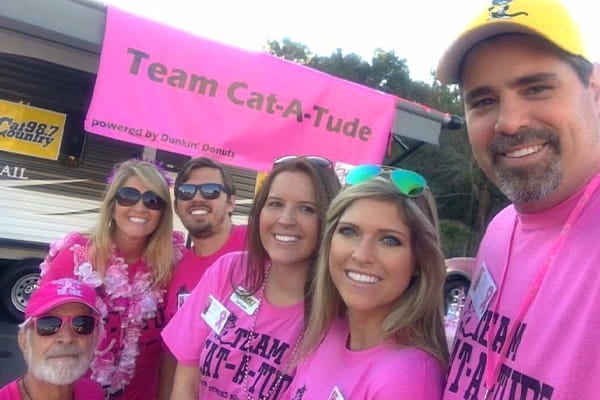
One morning seven years ago, Angela Lane considered canceling her annual mammogram at the Ann L. Baroco Center for Breast Health and Mammography at Ascension Sacred Heart.