Support for your child’s mental health
Everything may look fine on the outside—even when your child is struggling beneath the surface.
A smile doesn’t always mean everything is okay. Children and teens may face challenges related to school, friendships, family relationships, anxiety, depression, trauma, emotional regulation, self-harm or suicidal thoughts. When these struggles begin to affect daily life, the entire family can feel overwhelmed.
Take a moment to ask your child how they’re really feeling. Sometimes healing begins with simple, honest words
- “I’m having a hard time.”
- “I feel overwhelmed.”
- “I need support.”
When weekly therapy isn’t enough, but inpatient hospitalization isn’t needed, intensive outpatient care can provide the additional support your child needs while allowing them to remain connected to home and family.
Ascension Illinois Behavioral Health offers specialized Partial Hospitalization Programs (PHP) and Intensive Outpatient Programs (IOP) for adolescents. Youth participate in structured daytime treatment, build practical coping skills, work with a dedicated care team and return home each evening.
What are PHP and IOP?
PHP and IOP are short-term, focused treatment programs designed to help youth manage symptoms, strengthen resilience and return to daily routines with greater confidence.
- Partial Hospitalization Program (PHP): Approximately six hours per day, Monday through Friday
- Intensive Outpatient Program (IOP): Approximately three hours per day, four days per week
Most youth participate in PHP for two to three weeks and IOP for two to four weeks. The length of treatment is individualized based on your child’s needs, symptoms, progress and therapeutic goals.
What happens in treatment?
Your child will receive care in a welcoming, structured environment alongside compassionate clinicians and peers with similar experiences. Treatment focuses on practical skills to address anxiety, mood concerns, stress, academic challenges and relationship difficulties.
Services may include:
- Group therapy
- Individual therapy
- Family therapy and sessions
- Mental health education
- Medication support, when appropriate
- Regular therapist check-ins
- Peer support
- Creative therapies, including art, music, movement and drama
- Collaborative discharge and aftercare planning
Your child does not need to have everything figured out before asking for help. Our team will meet your family where you are and help you take the next step together.
How can treatment help?
Our adolescent programs provide specialized support for youth experiencing:
- Depression
- Anxiety
- School avoidance or refusal
- Self-injury
- Suicidal thoughts
- Substance use concerns
- Impulse-control difficulties
- Disordered eating concerns
- Trauma-related symptoms
- Social-skills challenges
- Anger, conflict or difficulty solving problems without fighting
Specialty groups may address:
- LGBTQIA+ support
- Body image
- Neurodiversity
- Social-skills development
- Substance use
- Self-harm
- Diversity and inclusion
Care is personalized for every young person. Your child’s multidisciplinary team partners with your family to create a treatment plan based on their strengths, needs and goals.
Measuring progress
Our evidence-based, strengths-focused approach is designed around the individual needs of each child or teen. Youth learn real-world strategies to manage symptoms, build confidence and make meaningful progress.
Progress-monitoring tools help families and clinicians track changes over time and evaluate how treatment is supporting your child’s goals.
Who can participate?
Participation in PHP and IOP is voluntary.
Some adolescents begin treatment in PHP or IOP. Others transition to these programs after an inpatient stay. This step-down approach helps maintain continuity of care as they adjust to returning home, school and community life.
If your child is experiencing an immediate crisis, presents a serious safety risk or cannot function safely, 24/7 inpatient hospitalization may be recommended.
Types of groups
Skill-building groups
teach evidence-based strategies for emotional regulation, stress management, communication and problem-solving.
Process groups
provide a safe, clinician-guided space where youth can talk about personal challenges, connect with peers and receive support.
Expressive therapy groups
use art, music, movement and drama to encourage self-expression, reduce stress and support creative problem-solving.
Families are part of the care team
Parents and caregivers play an essential role in a child’s healing. Families are involved in treatment planning, family sessions, program activities and planning for care after the program ends.
Caregivers may also participate in our virtual Support Group. To request more information or sign up, complete the Support Group form.
Aftercare planning begins on the first day. Before your child completes the program, our team will work with your family to create a discharge plan and connect you with ongoing resources, such as outpatient therapy and medication management.
Locations
Our adolescent programs are available in:
- Hoffman Estates
- Crystal Lake
Take the next step
Asking for help is a brave first step—and you don’t have to take it alone.
Schedule or walk in for a free, confidential mental health assessment at:
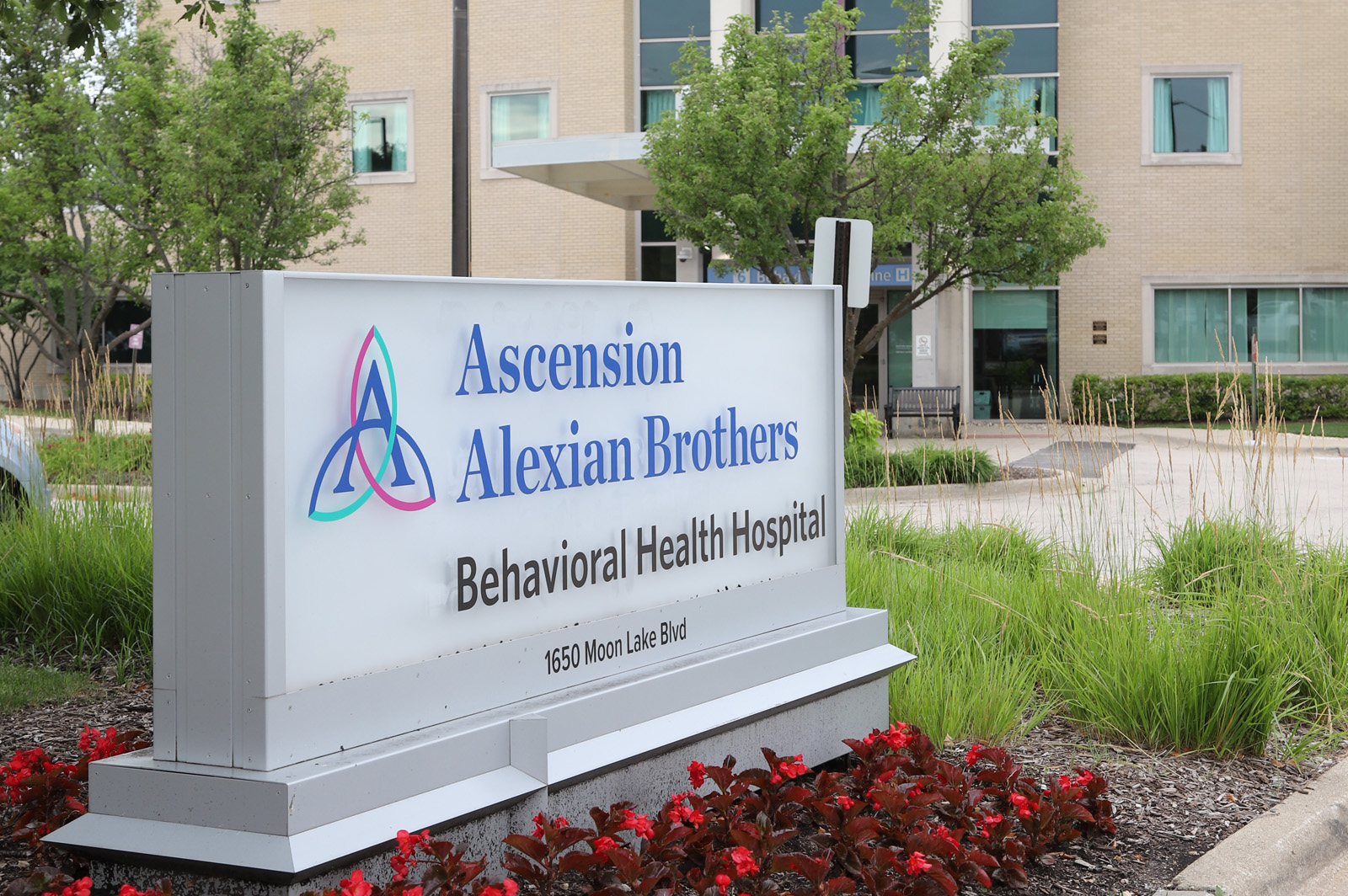
Ascension Alexian Brothers Behavioral Health Hospital
1650 Moon Lake Blvd.
Hoffman Estates, IL
Call 855-383-2224 anytime—24 hours a day, 7 days a week.
You can also complete our behavioral and mental health contact form. A care specialist will respond within 24 hours.
If your child is experiencing an immediate mental health emergency or crisis, call 911 or call or text 988 to reach the Suicide & Crisis Lifeline.