
When 2-year-old Claire was diagnosed with Chiari I malformation, her family turned to Dell Children’s in Austin, Texas, for specialized pediatric neuroscience care.
Talk with an orthopedic surgeon at Ascension Texas about outpatient hip replacement surgery, also called rapid-recovery hip replacement.

Talk with an orthopedic surgeon at Ascension Texas about outpatient hip replacement surgery, also called rapid-recovery hip replacement.
If hip pain from arthritis or an injury is making simple tasks, such as walking, seem difficult, the Ascension Texas orthopedic care team is here for you. Your doctor will start by listening to understand you and your health concerns. And as part of an integrated national network, our doctors and care teams share best practices, knowledge and research – bringing the best of orthopedics to you close to home.
Your doctor will start by listening to understand you and your health concerns. Then, we create a personalized care plan that’s right for you. Our hip pain specialists have the expertise to deliver therapeutic and surgical treatments, including:
Find out if your hip issues could be signs of something more. Take our quick assessment now.
Having hip replacement surgery doesn’t have to mean having to spend days in the hospital. Surgeons at Ascension Texas offer outpatient total hip replacement. During your pre-operative evaluation, your doctor will explain if you are a candidate for outpatient surgery. Doctors and orthopedic care teams work together to deliver high-quality care before, during and after surgery.
Having hip replacement surgery doesn’t have to mean spending days in the hospital. For some hip replacements, you may go home to recover the same day as your procedure. During your pre-surgery evaluation, your doctor will explain if you will need to stay in the hospital after the procedure. Your doctor and orthopedic care team work together to deliver personalized care before, during and after surgery.
Robotic arm-assisted surgery systems allow for a personalized, 3D surgical plan. Robotic arm-assisted surgery is often used for greater accuracy in total hip replacements. Robotic-assisted procedures allow your orthopedic surgeon to have better implant alignment and positioning. Total hip replacements help relieve pain caused by arthritis, joint degeneration and osteoarthritis (OA).
Your orthopedic care team will explain what to expect during surgery and throughout your recovery. Together, we’ll discuss:
Your hip surgery recovery team will prepare you for caring for yourself at home after surgery. We’re here to support you during your recovery. If you need more care in the hospital, we have an orthopedic inpatient unit with skilled nursing and specialized rehabilitation services.
As part of our hip replacement program, physical therapists and occupational therapists at Ascension rehabilitation sites of care provide orthopedic rehabilitation. After your hip surgery, our care team starts physical therapy as part of your recovery plan. Your nurses and therapists work with you to help strengthen your muscles. We provide extended care options from home health care and inpatient rehabilitation units to skilled nursing facilities. Throughout your recovery, your outpatient physical therapy clinics are here to help you manage your pain and increase your strength and flexibility.
If you have questions about your orthopedic diagnosis or treatment plan, a second opinion can help you better understand your care options. Our orthopedic specialists can review your medical records, imaging and medical history to provide an additional perspective on your condition and recommended treatment. Before your appointment, check with your insurance provider to find out if a second opinion is covered. We can also request your medical records and imaging from your doctor on your behalf so they can be shared with your care team before your visit.
Talk with your insurance provider about insurance coverage options for having an outpatient orthopedic surgery, such as total knee replacement. Orthopedic surgery may be covered by various insurance plans as well as Medicare. First, you need to be evaluated by an orthopedic surgeon.
When 2-year-old Claire was diagnosed with Chiari I malformation, her family turned to Dell Children’s in Austin, Texas, for specialized pediatric neuroscience care.
November 12, 2026
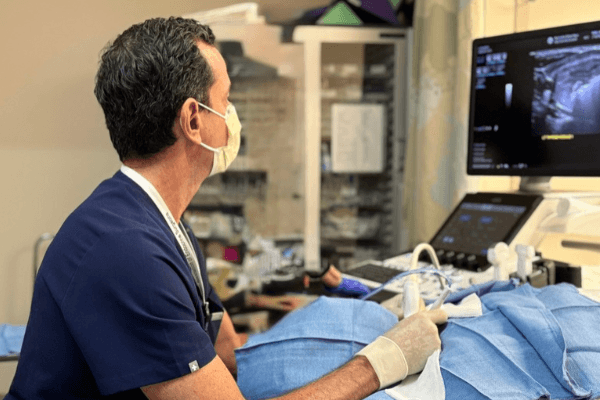
Ascension Seton Hays in Kyle, Texas, now offers ultrasound-guided radiofrequency ablation for eligible benign thyroid nodules performed by general surgeon John Sabra, MD.

November 4, 2026
Ascension Seton Women’s Hospital in Austin helps Central Texas families navigate unexpected pregnancy and birth changes through specialized maternal transfer, maternal-fetal medicine and newborn care.
October 30, 2026
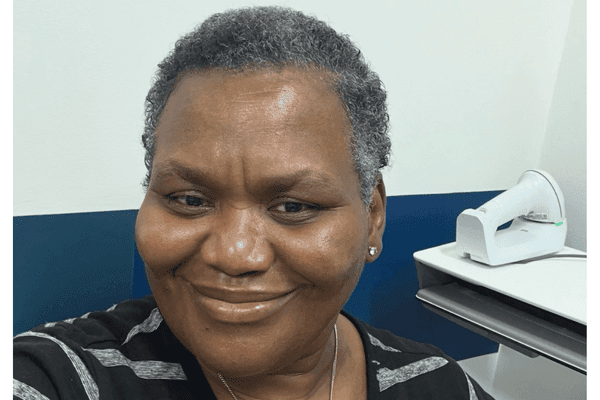
Kimberly found personalized breast cancer care, compassionate support and hope at the Breast Cancer Center at Ascension Seton Medical Center Austin after her June 2025 diagnosis.

Dell Children’s Medical Center in Austin, Texas, is training the next generation of pediatric cardiologists through advanced clinical education at Central Texas’ only nationally ranked pediatric heart program.
October 27, 2026
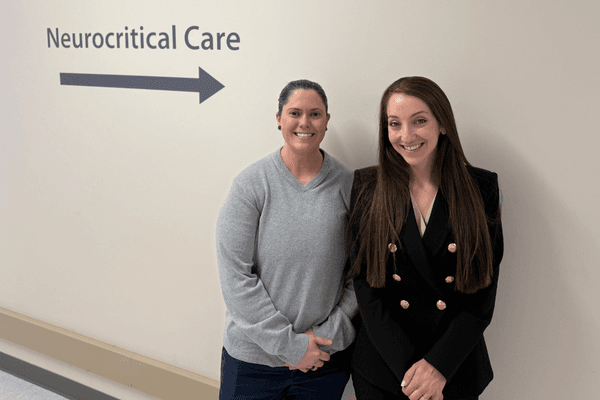
Since opening in 2023, Dell Seton Medical Center at The University of Texas has housed Central Texas’ only dedicated neurocritical care unit, treating patients with serious neurological illnesses and injuries.
October 27, 2026
Learn how Ascension Seton and Ascension Providence in Central Texas provide coordinated spine care, from diagnosis and nonsurgical treatment to spine surgery and rehabilitation.

October 12, 2026
Former college athletes now care for young athletes year-round at Dell Children’s in Austin, Texas, combining personal sports experience with specialized pediatric orthopedic care.
September 23, 2026
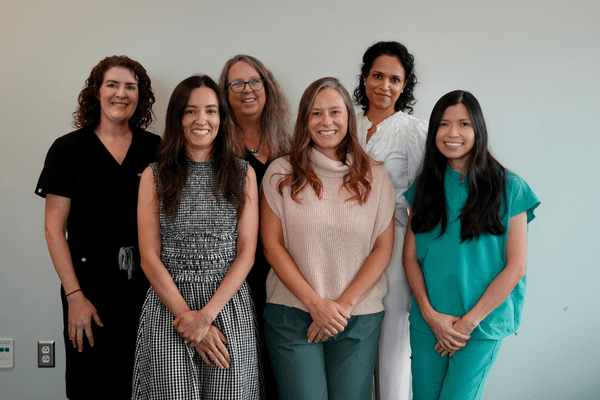
Dell Children’s nationally ranked pediatric urology team in Austin, Texas, includes six physician-moms who bring specialized expertise and personal perspective to caring for children
September 17, 2026
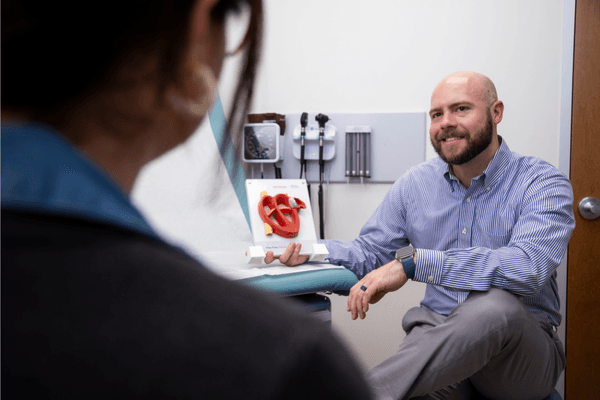
During AFib Awareness Month, Joshua Davis, DO, an electrophysiologist with Ascension Texas Cardiovascular, explains symptoms and treatment options for Central Texans.

September 8, 2026
In 2025, Dell Children's Medical Center in Austin gave a Georgia man with congenital heart disease renewed hope with advanced heart care that helped him reclaim his future.

August 18, 2026
In April 2026, a Central Texas mother delivered healthy triplets at Ascension Seton Williamson after a high-risk pregnancy and received lifesaving care for a serious postpartum complication.

August 10, 2026
As children return to school, pediatric emergency care doctor Winnie Whitaker, M.D., at Dell Children’s shares what parents should expect and when to seek care.

Dell Children’s Blood and Cancer Center in Austin, Texas, provides year-round community events that connect, celebrate and support pediatric patients and their families.

July 21, 2026
Dell Children's Transport Team delivers ICU-level pediatric and neonatal transport and emergency care for critically ill infants and children across Central Texas before they reach the hospital.
July 20, 2026
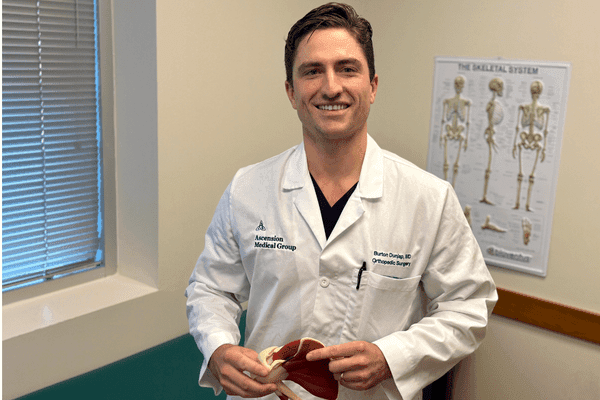
Orthopedic surgeon Burton Dunlap, MD, at Ascension Seton Orthopedics and Sports Medicine in Austin shares common shoulder injuries, symptoms to watch for, treatment options and when to seek specialized orthopedic care.

July 6, 2026
Dell Children’s recently opened a food pantry in the Children’s Blood and Cancer Center to help families experiencing food insecurity during cancer treatment in Central Texas.
June 25, 2026
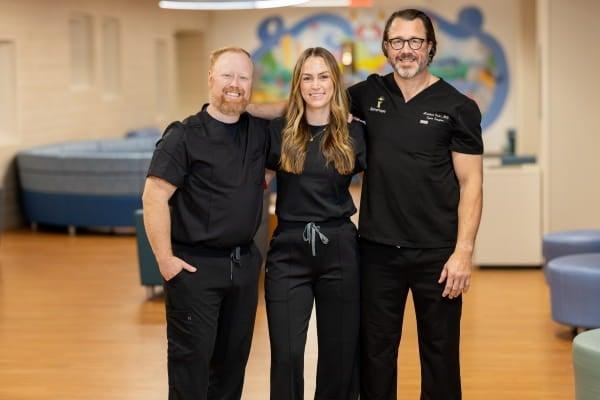
Pediatric spine specialists at Dell Children’s Medical Center in Austin, TX, share how early scoliosis detection expands treatment options and improves outcomes for children.

June 22, 2026
As families across Central Texas head to pools, lakes and splash pads this summer, the team at Dell Children’s Medical Center in Austin, TX, is sharing life-saving water safety tips to help prevent childhood drowning.
June 22, 2026
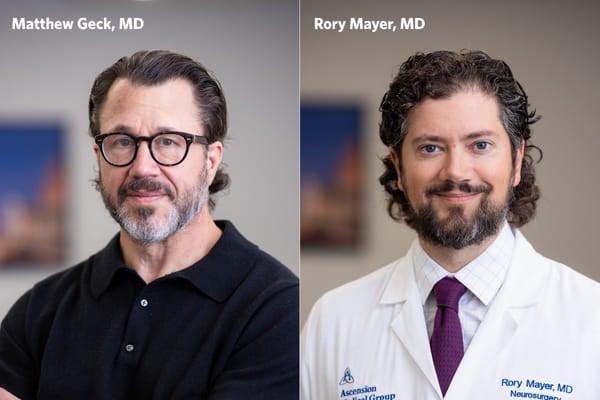
Ascension Texas Spine & Scoliosis specialists in Austin provide adult scoliosis care, helping patients understand symptoms, treatment options and next steps.
June 16, 2026
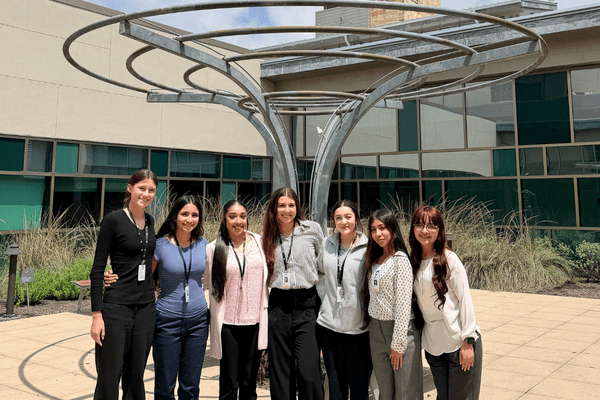
High school students in Central Texas had the opportunity to gain professional healthcare experience and mentorship at Ascension Seton through the Ann Richards School Junior Internship Program.

June 12, 2026
Opening in June 2026, Ascension Seton Women’s Hospital in Austin will offer low-intervention birth suites that combine personalized labor experiences with advanced maternity and neonatal care.

June 10, 2026
Dell Children's Medical Center and Championship Hearts Foundation are providing free teen heart screenings across Texas to help detect hidden heart conditions before symptoms appear.

After surviving heart failure, a stroke and a heart transplant, Ryen is celebrating her high school graduation alongside the Dell Children’s heart team in Austin, TX, who helped make the milestone possible.

May 18, 2026
After a stroke in July 2024, David Hurtado received advanced neurocritical care at Dell Seton Medical Center at The University of Texas in Austin, Texas.

May 12, 2026
When a father of three showed signs of stroke, Ascension Seton Hays in Kyle, Texas, rapid emergency care helped save his life and led to answers about an underlying heart condition.
April 14, 2026
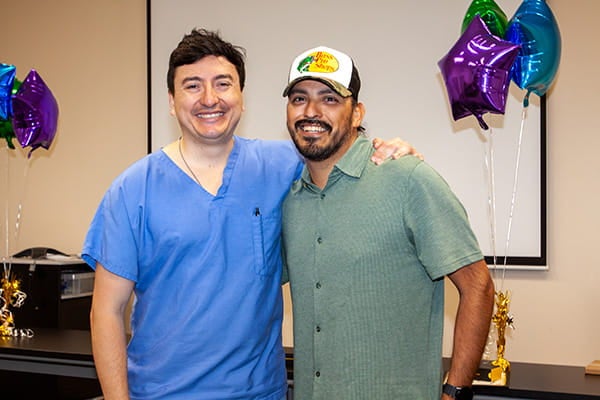
After a sudden cardiac arrest at home, 42-year-old Israel survived thanks to his son’s immediate CPR and advanced heart care at Ascension Seton in Austin, TX.

February 3, 2026
In recognition of American Heart Month, Priyanka Satish, MD, director of preventive cardiology at Ascension Seton in Central Texas, shares six heart health facts every woman should know.
February 3, 2026
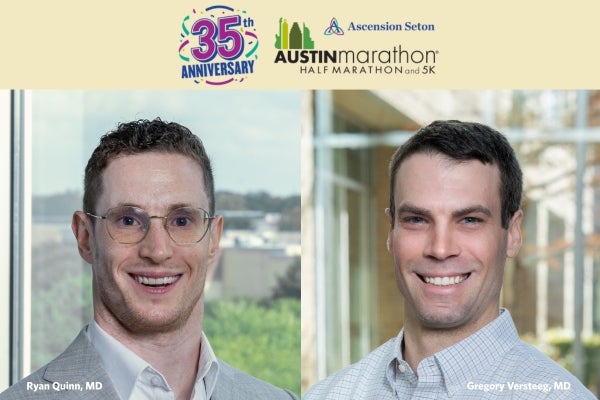
Ascension Seton cardiologist Ryan Quinn, MD, and orthopedic surgeon Gregory Versteeg, MD, share tips to help Central Texans prepare safely for race day.
January 12, 2026
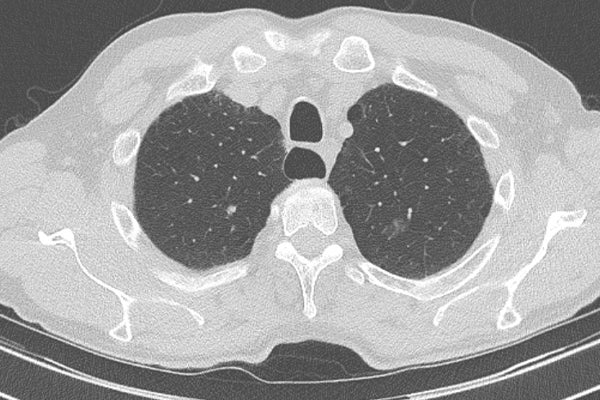
Ascension Seton and Ascension Providence offer a range of lung cancer care services focused on early detection and screening in Central Texas.
December 11, 2025
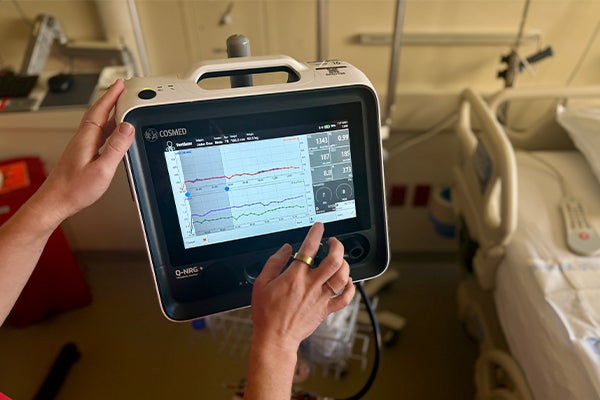
Ascension Seton Medical Center Austin is the first to use an advanced metabolic monitor that helps care teams understand the energy needs of ICU patients in Central Texas.

November 11, 2025
This Veterans Day, Ascension Seton and Ascension Providence honor the veterans who are part of the Central Texas communities we serve.
October 30, 2025
Ascension Seton makes scheduling your annual mammogram easy with imaging centers located throughout Central Texas.

October 28, 2025
To make sure your family enjoys a happy and healthy celebration, the team at Dell Children’s has gathered tips for staying safe on Halloween.

If incidents occur this Fourth of July, knowing where and when to get immediate and emergency care is important.

June 23, 2025
Ascension urgent care and orthopedic teams are here to help you manage your summer injury.
June 12, 2025
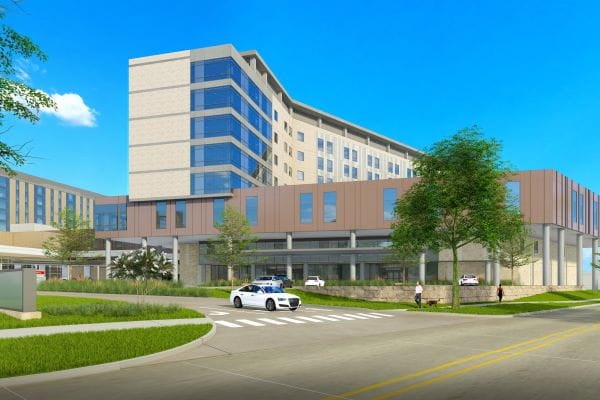
Opening in early 2026, Ascension Seton Women’s Hospital in Austin, Texas will deliver advanced maternal and fetal care, including high-risk pregnancy care and 24/7 emergency services, as well as gynecologic care.

Dell Children's Comprehensive Epilepsy Center at Ascension Seton provides advanced neurologic care for epilepsy in children.

Dell Children's Medical Center has the only Neuro Neonatal Intensive Care Unit Program to care for patients in vitro and in the NICU for neurological diagnosis in Austin, Texas.

October 16, 2024
Dell Children’s Medical Center Named High-Performing in 6 Specialty Areas

January 26, 2024
Dell Children’s heart team repaired an Austin newborn’s heart valve in three surgeries to help her live a normal life.

November 15, 2023
A prayer for peace to help guide your daily reflections.

September 28, 2023
Dell Children’s Blood and Cancer doctors in Austin, TX treat rare genetic blood disease in a three-year-old boy.
September 27, 2023
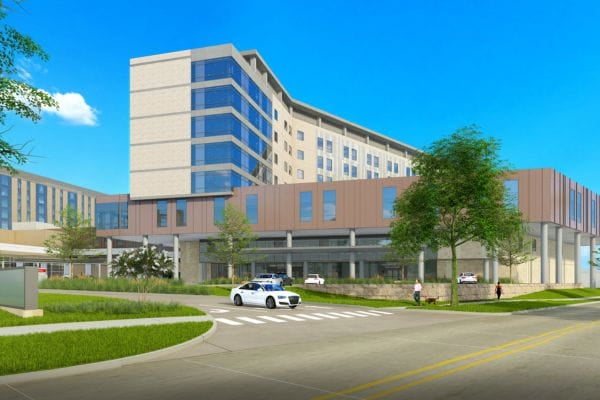
Ascension Seton women’s tower centralizes comprehensive care for women in Central Texas.
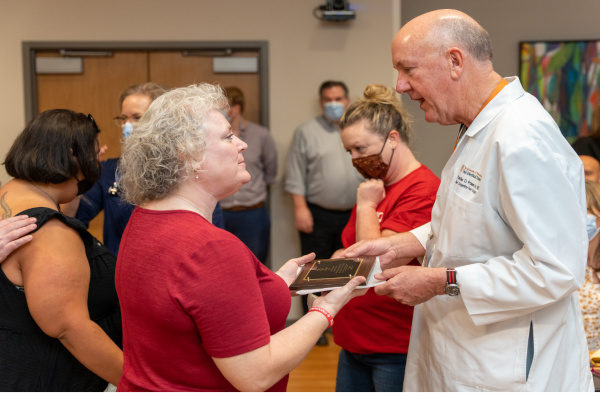
Pediatric heart surgeon, Dr. Charles Fraser, discusses pediatric and congenital heart disease at Dell Children’s in Central Texas.

Comprehensive Fetal Care Center at Dell Children's Medical Center provides advanced surgery options for complex in-utero conditions in Central Texas.
Dell Children’s Comprehensive Fetal Care Center is the only fetal care center in Central Texas, caring for complex and rare fetal conditions.

Families find support and emotional health care for conditions like anxiety in children at Dell Children’s Medical Center.

Austin family considers Dell Children’s Medical Center a second home after their son is cared for by experienced pediatric oncology teams for rare leukemia twice.

Austin family finds comfort from Dell Children’s Medical Center fetal cardiac program that repaired their son’s heart with three surgeries.