Hope after congenital heart disease
September 8, 2026
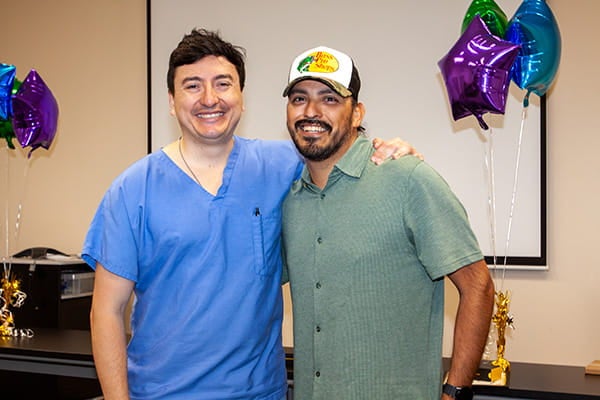
In 2025, Dell Children's Medical Center in Austin gave a Georgia man with congenital heart disease renewed hope with advanced heart care that helped him reclaim his future.
Whether you need emergency care, express care or want to talk with a doctor online or in-person — you’ll find the care you need close to home throughout Central Texas.


Whether you need emergency care, express care or want to talk with a doctor online or in-person — you’ll find the care you need close to home throughout Central Texas.
When you need care now, knowing where to go matters. At Ascension Seton, you can find express care near you, 24/7 emergency room care or schedule a primary care doctor visit throughout Central Texas.
Our care teams help you choose the right level of care based on your symptoms, with convenient locations and online options available.
If you are experiencing a life-threatening emergency, call 911 or go directly to the ER.
The symptoms of an aneurysm may look like other health conditions or problems. Some aneurysms can cause pain in the abdomen, chest, lower back or groin. Severe abdominal or back pain may mean the aneurysm is about to rupture. You may also experience a pulsing feeling, like a heartbeat, in the abdomen, severe headache, nausea, vomiting, visual disturbance or loss of consciousness.
A pulmonary embolism (PE) is a blood clot that develops in a blood vessel in the body (often in the leg). It then travels to a lung artery, where it suddenly blocks blood flow.
Common symptoms include:
A stroke can result if the narrowing of the carotid arteries is severe enough that blood flow is blocked. It can block blood flow to the brain if a piece of plaque breaks off.
It’s important to remember the signs of a stroke with the acronym “B.E. F.A.S.T.”
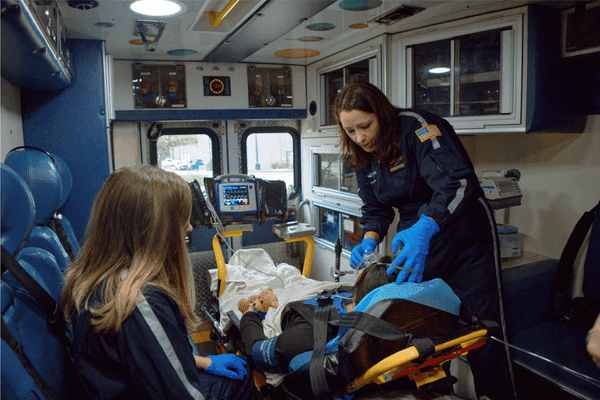
Getting the right care at the right time can make a difference in an emergency. Doctors, nurses and care teams in our ER work quickly to understand you and deliver the care that’s right for you and your family. When your child needs pediatric emergency care, doctors and care teams at our pediatric ER are specially trained to care for children and their specific needs. You get an entire team dedicated to your care. So, as your healthcare needs change and become more advanced, we’re here for all your care needs and connecting the dots for your specialty care.

If you or a loved one has a severe burn, we’re here for you. And your recovery is our priority. Care teams at Dell Seton deliver care for minor and life-threatening burns, including skin grafts, surgery and scar management.
The Emergency Center at Dell Children’s Medical Center in Central Texas provides comprehensive care to children 24/7 and is the only Level 1 Pediatric Trauma Center in Central Texas – backed by the largest medical staff of pediatric specialty doctors in the region. And the Emergency Center at Dell Children's Medical Center North Campus provides pediatric emergency and trauma care for children and families in North Austin. Staffed by board-certified emergency medicine physicians, nurses and support staff with special training and experience in pediatric emergency care, our Dell Children’s ERs provide treatment in a kid-friendly environment and take a family-centered approach to keep our young patients comfortable during the stress of injury or illness.
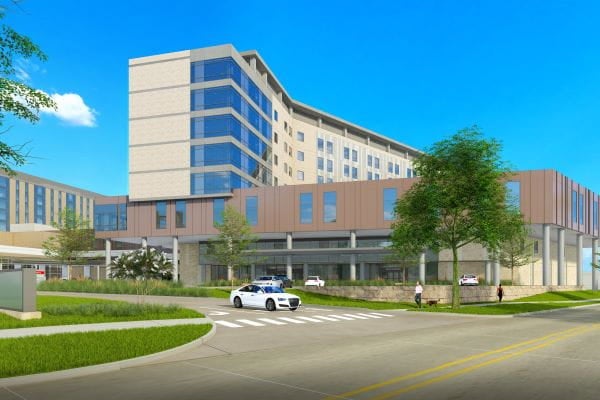
When you or a loved one have symptoms of a stroke, every second counts. Ascension Seton Medical Center Austin and Dell Seton are designated Comprehensive Level I Stroke Centers by the Joint Commission and Ascension Seton Hays in Kyle, TX and Ascension Seton Williamson in Round Rock are designated Primary Level II Stroke Centers — meaning we deliver 24/7 advanced stroke care. And, we connect you with specialists for follow-up care and rehabilitation.
If you or a loved one need care for a traumatic injury, we’re here for you. Our trauma network includes the only Level 1 trauma centers in the region at Dell Seton Medical Center at The University of Texas and Dell Children’s Medical Center and Level 2 trauma centers at Ascension Seton Hays and Ascension Seton Williamson, delivering advanced care for even the most severe injuries.
Call 911 or go to the nearest ER if you or a family member experience:
For non-emergency needs, express care offers fast, convenient care, on your schedule. Doctors and care teams at our express care clinics offer in-person and online visits for children and adults.
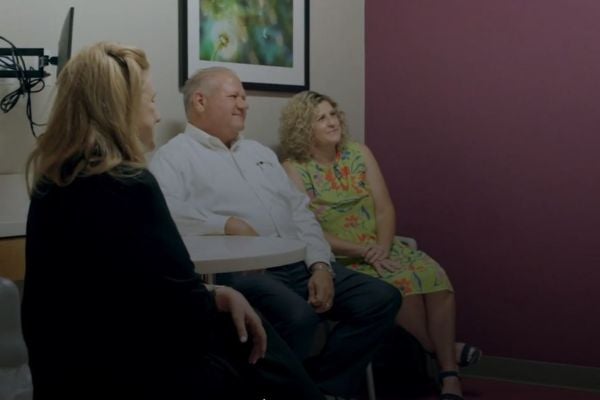
Whether you visit in person or see a doctor virtually from the comfort of your home, you’ll get the same compassionate care.
Consider express care for:
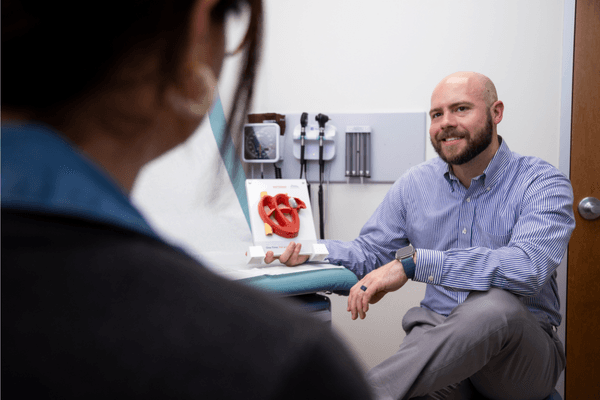
For checkups, preventative care, and managing ongoing conditions, start with primary care. Go online to schedule same-day, next-day, walk-in or virtual visits. Primary care doctors and pediatricians start with a conversation to deliver the right care for minor illnesses and injuries. And if you need more advanced care, they will connect you with specialists and other services close to home, and part of our network of Ascension sites of care.
Talk with your primary care doctor about:
Get the care you need — wherever you are. Connect by video with a doctor for primary care needs, follow-ups, everyday illnesses and unexpected concerns. Virtual care makes it easy to get answers, treatment and next steps without leaving home.
Care that fits your needs
From ongoing primary care to quick treatment for minor illnesses and injuries, virtual visits make it easier to get care when and where you need it.

Call 512-706-9073 to find out if virtual care is available for you.
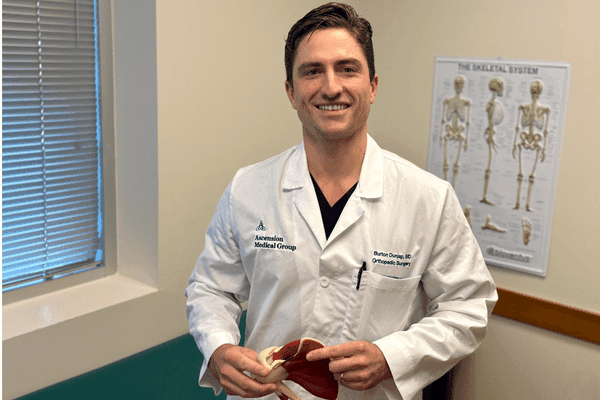
When you choose Ascension Seton, you have an entire team dedicated to your care. If you need more care, we will connect you to experienced cardiologists, heart surgeons, neurologists, orthopedic specialists, oncology specialists, and more for the right follow-up care. Your care team also helps you manage your medications and sends prescriptions to Ascension Rx or your preferred pharmacy. And you will be connected to imaging and lab services, close to home.

If you are experiencing a life-threatening emergency, go directly to the ER or dial 911. Signs or symptoms of an acute emergency may include shortness of breath, chest pain, open fracture, fainting, severe bleeding, head injury or other major trauma, one-sided weakness or numbness, loss of consciousness or fainting, severe abdominal pain, or bites or stings.