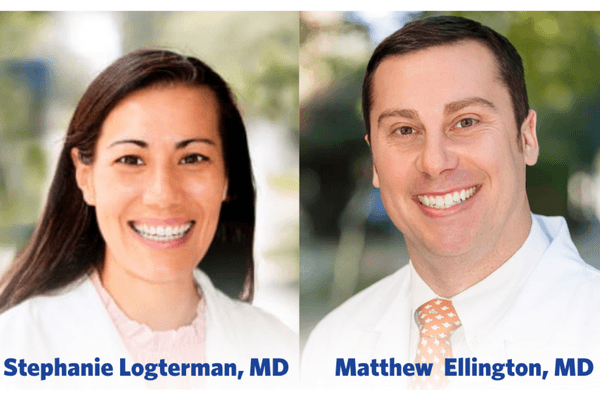
Athletes caring for athletes at Dell Children's
October 12, 2026
Former college athletes now care for young athletes year-round at Dell Children’s in Austin, Texas, combining personal sports experience with specialized pediatric orthopedic care.
Cardiothoracic surgeons at Ascension Seton provide specialized advanced surgical care in Central Texas.

Cardiothoracic surgeons at Ascension Seton provide specialized advanced surgical care in Central Texas.
When you choose the Institute for Cardiovascular Health—a clinical partnership between Ascension Seton and UT Health Austin, the clinical practice of Dell Medical School at The University of Texas at Austin—you gain access to a multidisciplinary team of heart specialists. Your care team may include cardiologists, cardiac surgeons, vascular surgeons, cardiac intensivists, cardiac anesthesiologists, and genetic counselors who work together to provide comprehensive, personalized care.
Our team is dedicated to every stage of your heart health journey, offering expert care for the prevention, diagnosis, treatment, and recovery of heart disease. We also provide advanced screenings and diagnostic services to ensure you receive the right care for your unique heart health needs.
When you have a heart condition, surgery or a specialized heart procedure may be recommended as part of your care plan. Our experienced cardiovascular surgeons and interventional cardiologists work together to provide advanced treatment options for a range of vascular and heart conditions. These procedures are designed to help restore healthy blood flow, open narrowed and blocked arteries, repair or replace heart valves, repair leaky heart valves and overall improve heart function. Whenever possible, your doctor uses minimally invasive, catheter-based procedures. For some patients, open-heart surgery may be the best and safest option.
Each appointment starts with a conversation between you and your heart surgeon. We listen to your concerns and answer your questions. Then, we work with you on a surgical care plan that’s right for you – from surgery to recovery and cardiac rehabilitation.
Common conditions your doctor may treat with heart surgery:
An aneurysm is a bulging, weak area in the wall of a blood vessel. It may occur in any blood vessel but most often develops in an artery rather than a vein. An aneurysm can be categorized by its location, shape, and cause. The most common type of aneurysm is in the aorta. The aorta is the largest artery in the body. The aorta carries oxygenated blood from the heart to the body. A thoracic aortic aneurysm occurs in the chest cavity. An abdominal aortic aneurysm occurs in the abdomen.
Aortic disease refers to conditions that affect the aorta — the body’s largest artery — and can disrupt normal blood flow and become life-threatening if left untreated. These conditions include aortic aneurysm (bulging or enlargement of the artery), aortic dissection (a tear in the aortic wall), and other structural abnormalities. Early diagnosis and specialized treatment are critical to preventing complications. Our cardiovascular experts provide comprehensive evaluation and advanced surgical and minimally invasive care to effectively manage and treat complex aortic disease.
The heart is a muscle that pumps oxygen-rich blood to all parts of the body. When you have heart failure, the heart can’t pump as well as it should. Or the heart muscle can’t relax and fill the pumping chamber with blood. Blood and fluid may back up into the lungs. This causes heart failure. Some parts of the body also don’t get enough oxygen-rich blood. This means they can't work well. These problems lead to the symptoms of heart failure, including shortness of breath, weight gain and swelling, fatigue, loss of appetite, nausea, belly pain and cough.
CAD is a disease that affects the arteries in your heart. These arteries supply oxygen and nutrients to your heart muscle. Sometimes, a fatty substance called plaque builds up along the inner walls of these arteries. This process is called atherosclerosis.
This heart condition affects one or more of the heart's valves. If blood doesn't flow properly when the heart valves open, the reasons can be leaky valves (regurgitation), too narrow (stenosis), or not opening properly (atresia). Heart and valve conditions can lead to a heart attack or progressive heart failure.
Common heart procedures offered at Ascension Seton hospitals:
Our surgical team treats complex aortic disease with leading-edge procedures, including aortic dissection repair, aortic aneurysm surgery, valve-sparing aortic root repair, thoracic endovascular aortic repair (TEVAR), and surgery for Marfan syndrome and connective tissue disorders. We deliver personalized, life-saving treatment using the latest surgical and minimally invasive techniques to achieve the best possible outcomes.
Your cardiologist might suggest CABG to treat blocked or narrowed coronary arteries. CABG is a surgical technique used to restore healthy blood flow to the heart, improve heart function and reduce symptoms. Our experienced cardiac surgeons perform both on-pump CABG and off-pump CABG. The procedure is chosen based on the severity of the blockage in the coronary arteries.
Heart transplantation can improve survival, physical function, and quality of life for eligible patients with end-stage heart disease. You may need a heart transplant if your heart doesn't respond to medical therapy or a VAD.
If you are eligible for transplant listing, you will be placed on the waitlist. Wait times can vary from a few months to several years, depending on your size, blood type, tissue type and organ availability. A heart surgeon will replace your damaged heart with a healthy donor heart once one becomes available for you.
A heart transplant replaces a severely diseased or failing heart with a healthy donor heart, restoring the heart's ability to pump blood effectively. Your cardiologist will work with our dedicated transplant team and provide personalized care every step of the heart transplant journey, from evaluation and donor matching to surgery and lifelong follow-up.
Cardiac surgeons treat complex heart valve disease to repair damaged heart valves through open heart surgery and minimally invasive procedures, including TAVR and MitraClip™. When one or both of your valves do not open or close correctly, it can lead to reduced blood flow, cause the heart to work harder, and result in symptoms such as fatigue, shortness of breath, chest pain, fainting, or even heart failure.
We offer a full range of advanced heart valve procedures, including:
Transcatheter aortic valve replacement (TAVR) is a procedure that replaces a diseased aortic valve with a man-made valve. The TAVR procedure may be recommended as an alternative to open heart surgery. The old heart valve is not removed but acts like an anchor for the new heart valve. This procedure is done through small cuts (incisions) using a long, thin tube (catheter), X-rays, and ultrasound.
Our surgical team provides advanced treatment options for heart failure when medications and other therapies are no longer effective, including extracorporeal membrane oxygenation (ECMO) and ventricular assist devices (VAD).
ECMO is an advanced technology that is used to provide respiratory support and blood circulation, allowing your heart time to rest and recover.
VAD, also known as a heart pump, is a mechanical device used to help the pumping function for one or both of the heart's pumping chambers (ventricles). It may be needed when heart failure gets to the point that medicines and other treatments no longer work. A VAD can help someone's heart work when they are waiting for a heart transplant. Or when someone is waiting to see if they are a candidate for a transplant. A VAD can also be a permanent treatment. And it can help a person's heart recover after surgery. If needed, treatment may advance to a heart transplant.
Our surgical team treats atrial fibrillation (AFib), a type of heart rhythm disorder where the heart beats irregularly, using advanced surgical techniques such as the Maze procedure.
When you are facing a serious diagnosis or deciding on a surgical treatment plan, there is a lot to think about. If you are looking for a second opinion for advanced heart care, talk with one of our heart surgeons. Minimally invasive or open-heart surgery may be recommended as part of your care plan.
It's easy to get a second opinion at Ascension Seton. We can review your medical records and healthcare history to answer your questions and discuss options for heart surgery.
When you are facing a new diagnosis or are deciding on a surgical treatment plan, there’s a lot to think about. If you are looking for a second opinion for advanced heart care, our cardiologists can also connect you with the right specialists for minimally invasive surgery, including transcatheter aortic valve replacement (TAVR). Our heart and vascular specialists can provide a second opinion, based on our experience and as part of a national care team.
Before your appointment, check with your insurance company to find out if a second opinion is covered. We can request your medical records on your behalf, so that they can be shared with your care team before your arrival.
Your patients can expect compassionate, personalized care from the moment our specialists connect with them. Our heart surgeons start by listening to fully understand your patient’s needs and to develop an individualized care plan.
To make a doctor referral, please call 512-324-3028 for Ascension Seton surgeons.
If you are experiencing a life-threatening emergency, go directly to the ER or call 911.
All registered marks are property of their respective owners. All rights reserved.
October 12, 2026
Former college athletes now care for young athletes year-round at Dell Children’s in Austin, Texas, combining personal sports experience with specialized pediatric orthopedic care.
September 23, 2026
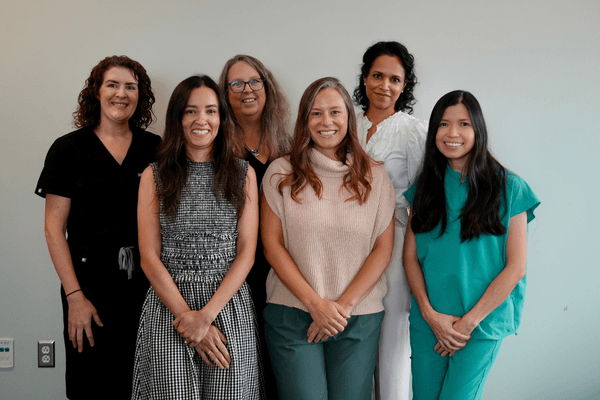
Dell Children’s nationally ranked pediatric urology team in Austin, Texas, includes six physician-moms who bring specialized expertise and personal perspective to caring for children
September 17, 2026
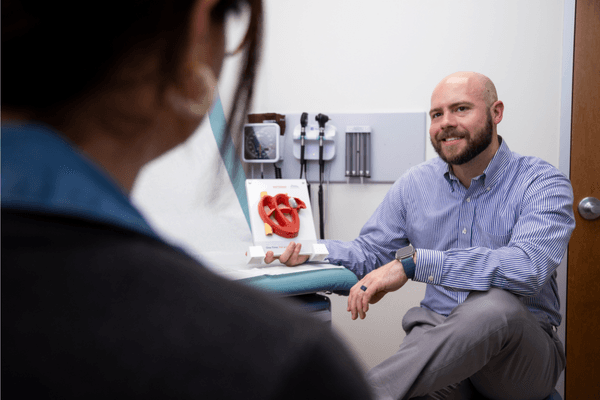
During AFib Awareness Month, Joshua Davis, DO, an electrophysiologist with Ascension Texas Cardiovascular, explains symptoms and treatment options for Central Texans.

September 8, 2026
In 2025, Dell Children's Medical Center in Austin gave a Georgia man with congenital heart disease renewed hope with advanced heart care that helped him reclaim his future.

August 18, 2026
In April 2026, a Central Texas mother delivered healthy triplets at Ascension Seton Williamson after a high-risk pregnancy and received lifesaving care for a serious postpartum complication.

August 10, 2026
As children return to school, pediatric emergency care doctor Winnie Whitaker, M.D., at Dell Children’s shares what parents should expect and when to seek care.

Dell Children’s Blood and Cancer Center in Austin, Texas, provides year-round community events that connect, celebrate and support pediatric patients and their families.
July 21, 2026
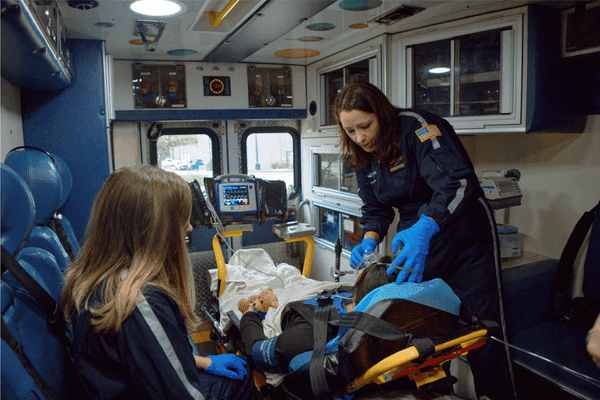
Dell Children's Transport Team delivers ICU-level pediatric and neonatal transport and emergency care for critically ill infants and children across Central Texas before they reach the hospital.
July 20, 2026
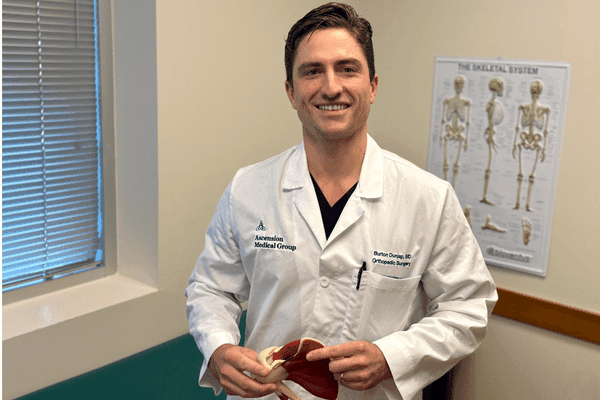
Orthopedic surgeon Burton Dunlap, MD, at Ascension Seton Orthopedics and Sports Medicine in Austin shares common shoulder injuries, symptoms to watch for, treatment options and when to seek specialized orthopedic care.

July 6, 2026
Dell Children’s recently opened a food pantry in the Children’s Blood and Cancer Center to help families experiencing food insecurity during cancer treatment in Central Texas.
June 25, 2026
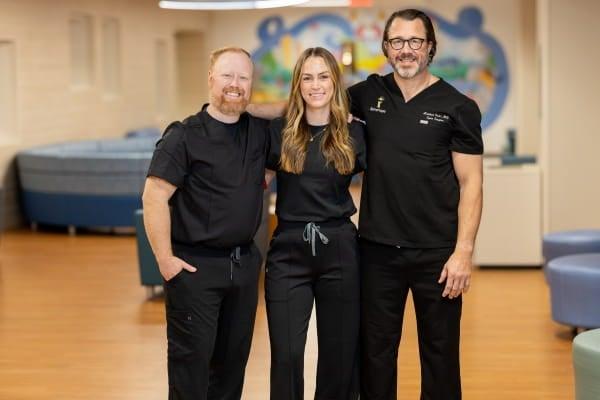
Pediatric spine specialists at Dell Children’s Medical Center in Austin, TX, share how early scoliosis detection expands treatment options and improves outcomes for children.

June 22, 2026
As families across Central Texas head to pools, lakes and splash pads this summer, the team at Dell Children’s Medical Center in Austin, TX, is sharing life-saving water safety tips to help prevent childhood drowning.
June 22, 2026
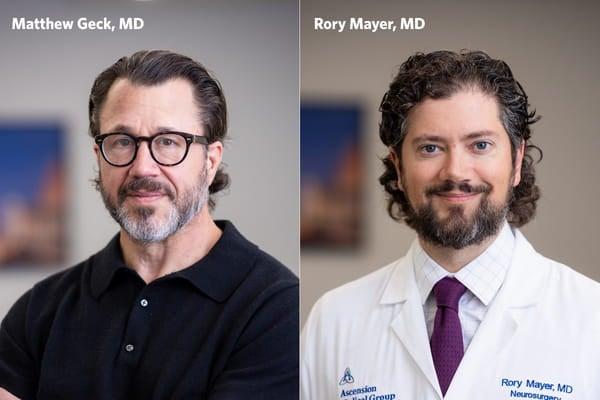
Ascension Texas Spine & Scoliosis specialists in Austin provide adult scoliosis care, helping patients understand symptoms, treatment options and next steps.
June 16, 2026
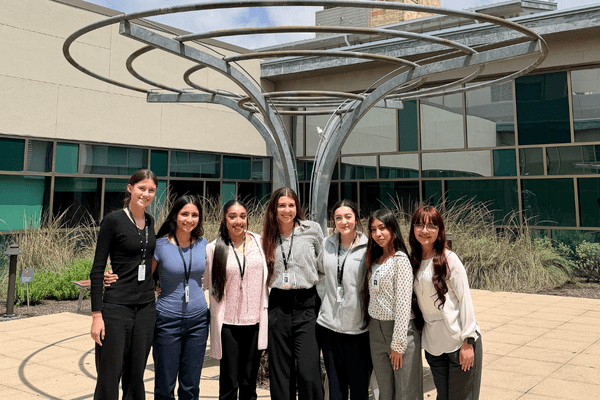
High school students in Central Texas had the opportunity to gain professional healthcare experience and mentorship at Ascension Seton through the Ann Richards School Junior Internship Program.

June 12, 2026
Opening in June 2026, Ascension Seton Women’s Hospital in Austin will offer low-intervention birth suites that combine personalized labor experiences with advanced maternity and neonatal care.

June 10, 2026
Dell Children's Medical Center and Championship Hearts Foundation are providing free teen heart screenings across Texas to help detect hidden heart conditions before symptoms appear.

After surviving heart failure, a stroke and a heart transplant, Ryen is celebrating her high school graduation alongside the Dell Children’s heart team in Austin, TX, who helped make the milestone possible.

May 18, 2026
After a stroke in July 2024, David Hurtado received advanced neurocritical care at Dell Seton Medical Center at The University of Texas in Austin, Texas.
May 12, 2026
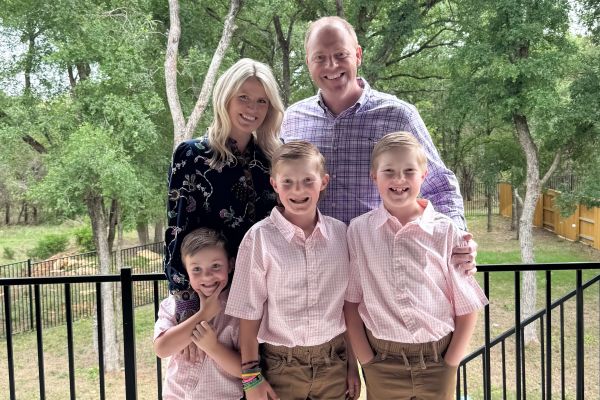
When a father of three showed signs of stroke, Ascension Seton Hays in Kyle, Texas, rapid emergency care helped save his life and led to answers about an underlying heart condition.
April 14, 2026
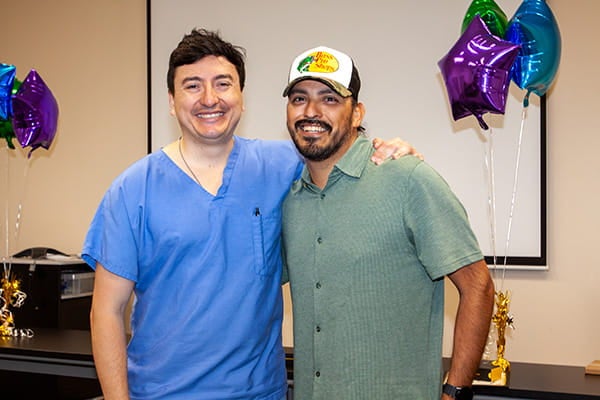
After a sudden cardiac arrest at home, 42-year-old Israel survived thanks to his son’s immediate CPR and advanced heart care at Ascension Seton in Austin, TX.
February 3, 2026
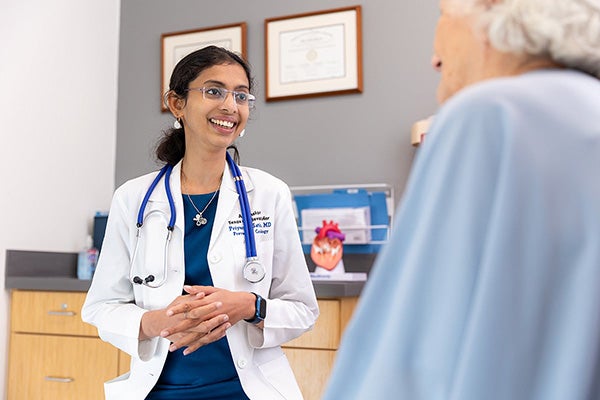
In recognition of American Heart Month, Priyanka Satish, MD, director of preventive cardiology at Ascension Seton in Central Texas, shares six heart health facts every woman should know.
February 3, 2026
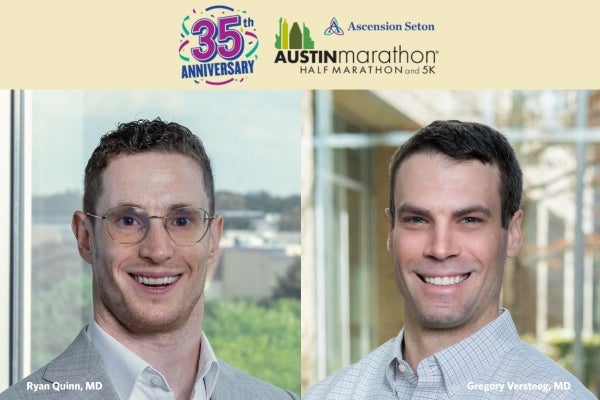
Ascension Seton cardiologist Ryan Quinn, MD, and orthopedic surgeon Gregory Versteeg, MD, share tips to help Central Texans prepare safely for race day.
January 12, 2026
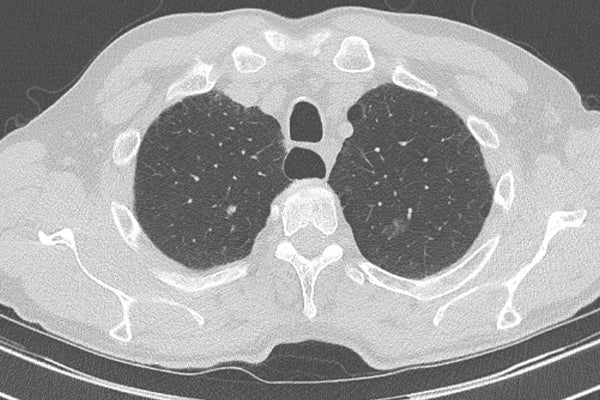
Ascension Seton and Ascension Providence offer a range of lung cancer care services focused on early detection and screening in Central Texas.
December 11, 2025
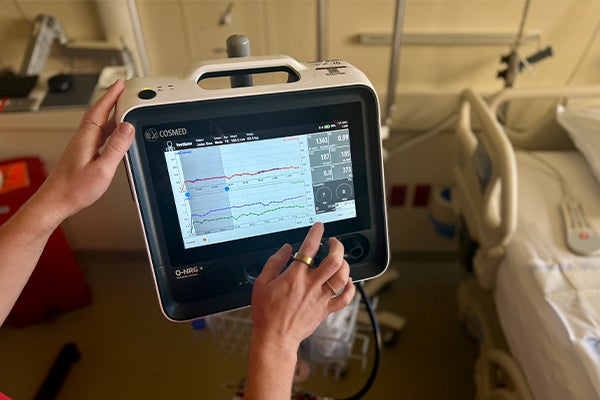
Ascension Seton Medical Center Austin is the first to use an advanced metabolic monitor that helps care teams understand the energy needs of ICU patients in Central Texas.

November 11, 2025
This Veterans Day, Ascension Seton and Ascension Providence honor the veterans who are part of the Central Texas communities we serve.
October 30, 2025
Ascension Seton makes scheduling your annual mammogram easy with imaging centers located throughout Central Texas.

October 28, 2025
To make sure your family enjoys a happy and healthy celebration, the team at Dell Children’s has gathered tips for staying safe on Halloween.

If incidents occur this Fourth of July, knowing where and when to get immediate and emergency care is important.

June 23, 2025
Ascension urgent care and orthopedic teams are here to help you manage your summer injury.
June 12, 2025
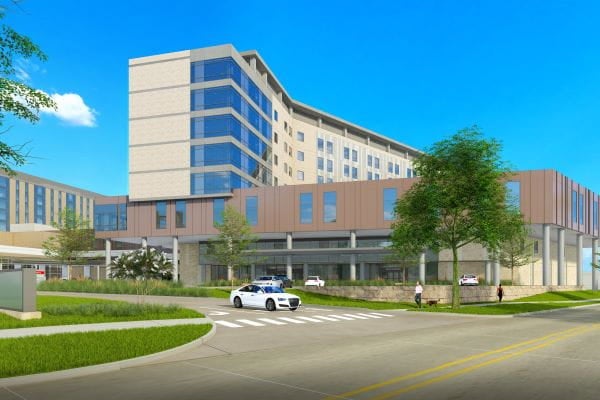
Opening in early 2026, Ascension Seton Women’s Hospital in Austin, Texas will deliver advanced maternal and fetal care, including high-risk pregnancy care and 24/7 emergency services, as well as gynecologic care.
Dell Children's Comprehensive Epilepsy Center at Ascension Seton provides advanced neurologic care for epilepsy in children.

Dell Children's Medical Center has the only Neuro Neonatal Intensive Care Unit Program to care for patients in vitro and in the NICU for neurological diagnosis in Austin, Texas.
October 16, 2024
Dell Children’s Medical Center Named High-Performing in 6 Specialty Areas

January 26, 2024
Dell Children’s heart team repaired an Austin newborn’s heart valve in three surgeries to help her live a normal life.

November 15, 2023
A prayer for peace to help guide your daily reflections.
September 28, 2023
Dell Children’s Blood and Cancer doctors in Austin, TX treat rare genetic blood disease in a three-year-old boy.
September 27, 2023
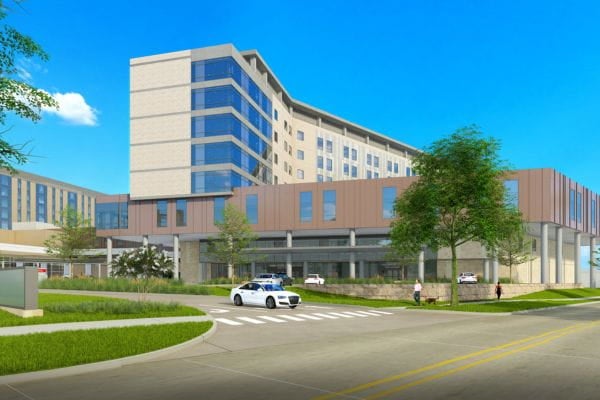
Ascension Seton women’s tower centralizes comprehensive care for women in Central Texas.
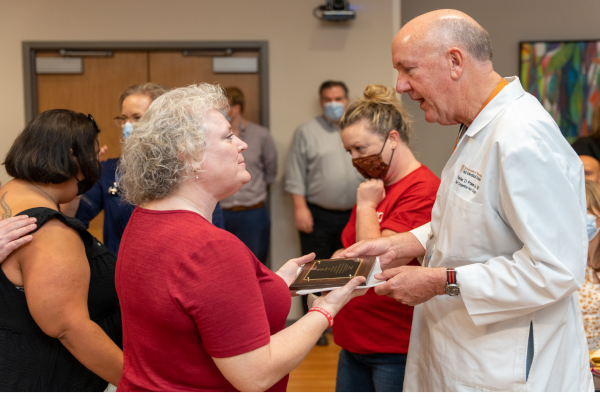
Pediatric heart surgeon, Dr. Charles Fraser, discusses pediatric and congenital heart disease at Dell Children’s in Central Texas.
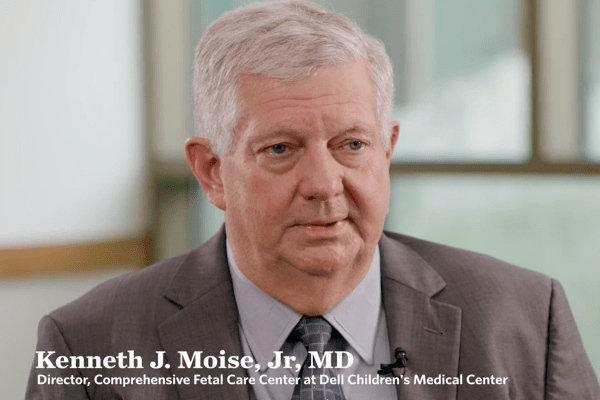
Comprehensive Fetal Care Center at Dell Children's Medical Center provides advanced surgery options for complex in-utero conditions in Central Texas.
Dell Children’s Comprehensive Fetal Care Center is the only fetal care center in Central Texas, caring for complex and rare fetal conditions.

Families find support and emotional health care for conditions like anxiety in children at Dell Children’s Medical Center.
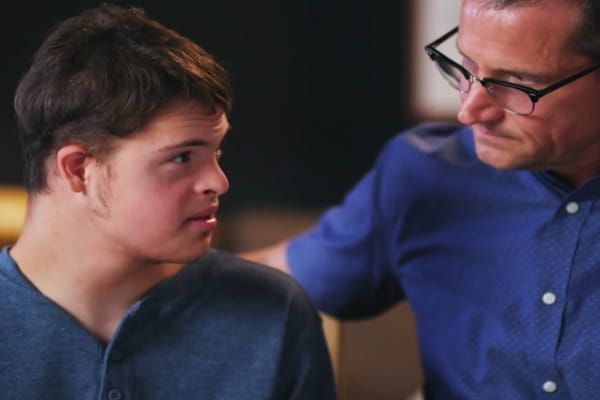
Austin family considers Dell Children’s Medical Center a second home after their son is cared for by experienced pediatric oncology teams for rare leukemia twice.

Austin family finds comfort from Dell Children’s Medical Center fetal cardiac program that repaired their son’s heart with three surgeries.