
Athletes caring for athletes at Dell Children's
October 12, 2026
Former college athletes now care for young athletes year-round at Dell Children’s in Austin, Texas, combining personal sports experience with specialized pediatric orthopedic care.
If you need more care, cardiac and pulmonary rehabilitation specialists at Ascension Seton deliver personalized care to support your recovery.

If you need more care, cardiac and pulmonary rehabilitation specialists at Ascension Seton deliver personalized care to support your recovery.
Early detection can save lives. Take our free, 3-minute heart risk assessment today. It could make all the difference.
When you choose Ascension Seton for personalized outpatient cardiac rehabilitation in Austin, Burnet, Kyle, and Round Rock, Texas, you are receiving care from an American Association of Cardiovascular and Pulmonary Rehabilitation (AACVPR) certified program. We also have additional locations in Bastrop, Luling and Harker Heights, Texas.
Cardiac rehabilitation is a medically supervised program that may be part of your cardiac treatment recovery plan. Whether you have a heart condition or are recovering from a heart attack or heart surgery, your cardiac rehab may be recommended to support your recovery. Ascension Austin offers vascular and pulmonary rehabilitation.
Pulmonary rehabilitation may be recommended if you have a lung disease such as chronic obstructive pulmonary disease (COPD), pulmonary hypertension, cystic fibrosis or asthma. During your cardiac rehabilitation sessions, specialists monitor your heart and help you develop confidence as your heart gets stronger.
Common reasons your doctor may recommend cardiac rehabilitation:
A doctor's referral is required to participate in the program. Medicare Part B and other private health insurance plans provide a covered benefit for participating in general or intensive cardiac rehabilitation.
During cardiac rehabilitation, we monitor your heart and discuss medications. We also help you make nutrition and lifestyle changes to lower your cholesterol, manage your blood pressure, and improve your overall health. Your nurses and exercise specialists work with you to strengthen your heart and lungs and help manage your symptoms. We also help you cope with stress by providing support to you and your family.
Our cardiac rehabilitation teams deliver care for the whole person to help improve your emotional and physical health. Your care team provides heart assessments and other tests to help monitor your progress, including:
This imaging procedure uses an X-ray machine and a computer to create 3-D pictures of the heart. Sometimes a dye is injected into a vein so that your heart arteries can also be seen. Sometimes medicine is given to lower your heart rate so it captures a better image. It can also be used to find out how much calcium is in your heart arteries. Calcium is a marker for coronary artery disease.
This procedure uses a combination of large magnets, radio waves, and a computer to make detailed images of organs and structures in your body. Your doctor may order an MRI of the heart to look at the heart valves and major vessels. It can also detect coronary artery disease and how much damage it has caused. It can also assess heart problems that have been present since birth. It can find tumors and other conditions. Your doctor may order this test before other procedures such as angioplasty or stenting of the coronary arteries and heart or vascular surgery.
For this test, you wear a small, portable, battery-powered ECG machine. Small patches (wired electrodes) are attached to the skin over your heart. The monitor records heartbeats over a period of 24 to 48 hours during normal activities. At the end of the time period, you will return the monitor to your doctor so it can be read and evaluated. Some Holter monitors can be worn for up to 2 weeks. These monitors are patches and don't require wires.
Cardiac rehabilitation can help speed up your recovery and keep your heart healthy. Our program focuses on:
Talk to your cardiology care team about whether cardiac rehabilitation is right for you. A referral from your doctor is needed before scheduling your first session.
Your patients can expect compassionate, personalized care from the moment our specialists connect with them. Our rehabilitation care teams start by listening to fully understand your patient’s needs and to develop an individualized care plan. To make a doctor referral, please call 877-860-1141.
If you are experiencing a life-threatening emergency, go directly to the ER or call 911.
All registered marks are property of their respective owners. All rights reserved.
October 12, 2026
Former college athletes now care for young athletes year-round at Dell Children’s in Austin, Texas, combining personal sports experience with specialized pediatric orthopedic care.
September 23, 2026
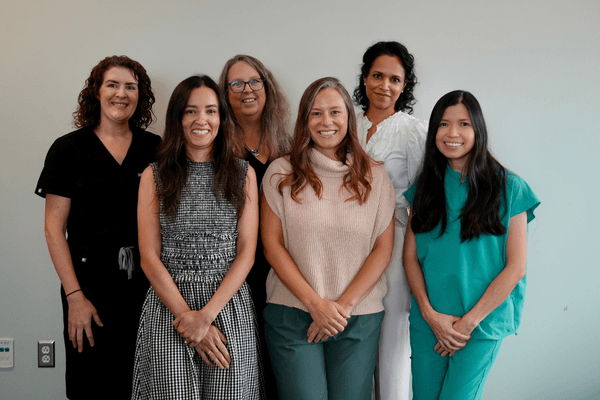
Dell Children’s nationally ranked pediatric urology team in Austin, Texas, includes six physician-moms who bring specialized expertise and personal perspective to caring for children
September 17, 2026
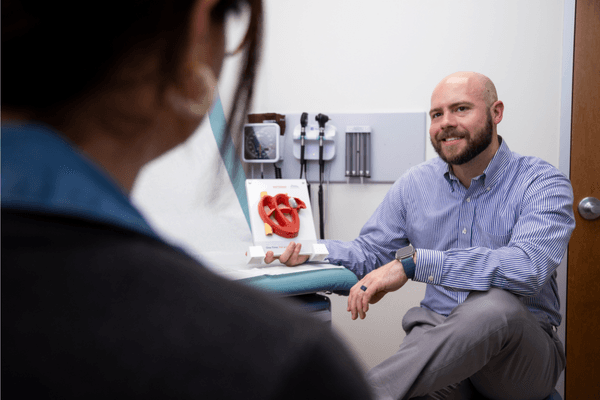
During AFib Awareness Month, Joshua Davis, DO, an electrophysiologist with Ascension Texas Cardiovascular, explains symptoms and treatment options for Central Texans.
September 8, 2026
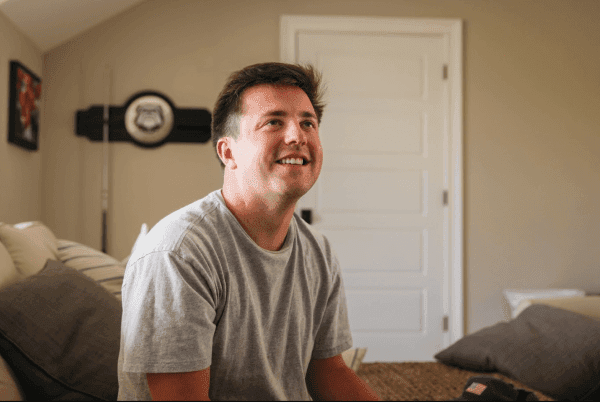
In 2025, Dell Children's Medical Center in Austin gave a Georgia man with congenital heart disease renewed hope with advanced heart care that helped him reclaim his future.

August 18, 2026
In April 2026, a Central Texas mother delivered healthy triplets at Ascension Seton Williamson after a high-risk pregnancy and received lifesaving care for a serious postpartum complication.

August 10, 2026
As children return to school, pediatric emergency care doctor Winnie Whitaker, M.D., at Dell Children’s shares what parents should expect and when to seek care.

Dell Children’s Blood and Cancer Center in Austin, Texas, provides year-round community events that connect, celebrate and support pediatric patients and their families.
July 21, 2026
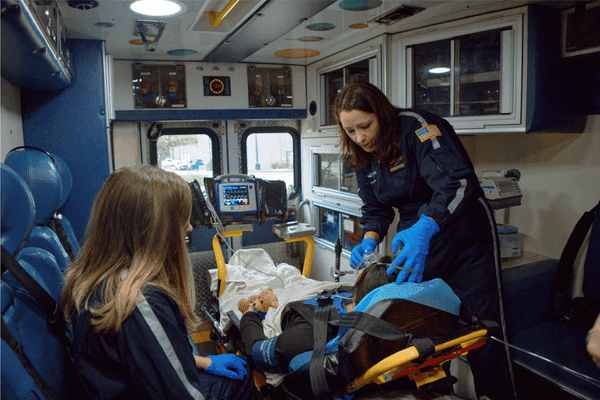
Dell Children's Transport Team delivers ICU-level pediatric and neonatal transport and emergency care for critically ill infants and children across Central Texas before they reach the hospital.
July 20, 2026
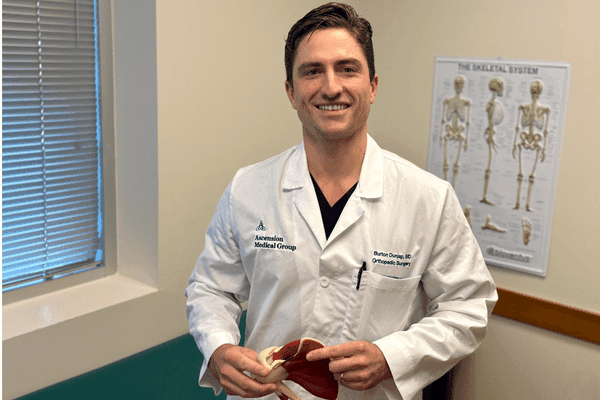
Orthopedic surgeon Burton Dunlap, MD, at Ascension Seton Orthopedics and Sports Medicine in Austin shares common shoulder injuries, symptoms to watch for, treatment options and when to seek specialized orthopedic care.

July 6, 2026
Dell Children’s recently opened a food pantry in the Children’s Blood and Cancer Center to help families experiencing food insecurity during cancer treatment in Central Texas.
June 25, 2026
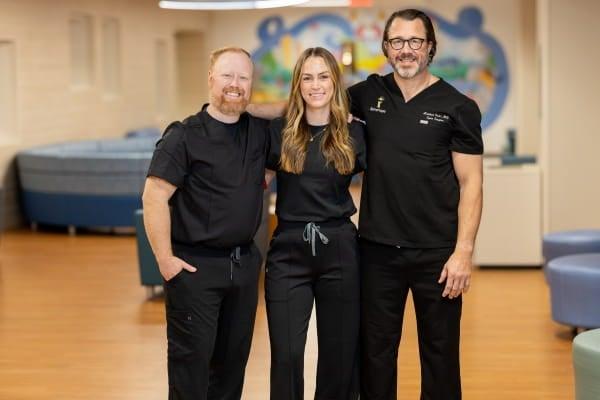
Pediatric spine specialists at Dell Children’s Medical Center in Austin, TX, share how early scoliosis detection expands treatment options and improves outcomes for children.

June 22, 2026
As families across Central Texas head to pools, lakes and splash pads this summer, the team at Dell Children’s Medical Center in Austin, TX, is sharing life-saving water safety tips to help prevent childhood drowning.
June 22, 2026
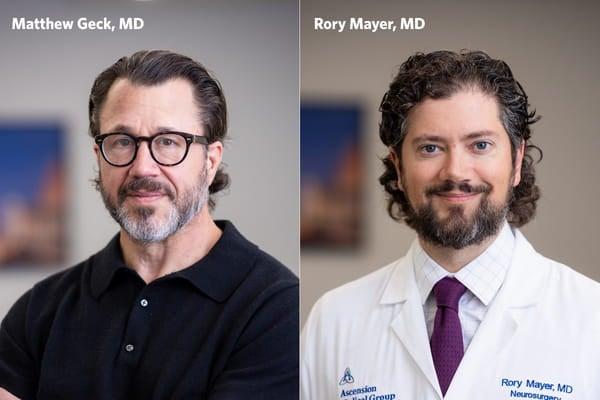
Ascension Texas Spine & Scoliosis specialists in Austin provide adult scoliosis care, helping patients understand symptoms, treatment options and next steps.
June 16, 2026
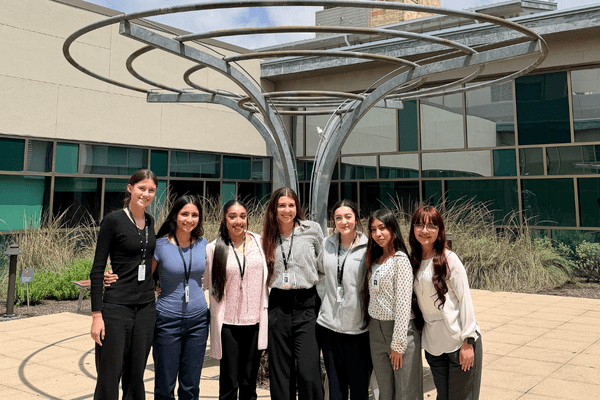
High school students in Central Texas had the opportunity to gain professional healthcare experience and mentorship at Ascension Seton through the Ann Richards School Junior Internship Program.

June 12, 2026
Opening in June 2026, Ascension Seton Women’s Hospital in Austin will offer low-intervention birth suites that combine personalized labor experiences with advanced maternity and neonatal care.

June 10, 2026
Dell Children's Medical Center and Championship Hearts Foundation are providing free teen heart screenings across Texas to help detect hidden heart conditions before symptoms appear.

After surviving heart failure, a stroke and a heart transplant, Ryen is celebrating her high school graduation alongside the Dell Children’s heart team in Austin, TX, who helped make the milestone possible.

May 18, 2026
After a stroke in July 2024, David Hurtado received advanced neurocritical care at Dell Seton Medical Center at The University of Texas in Austin, Texas.
May 12, 2026
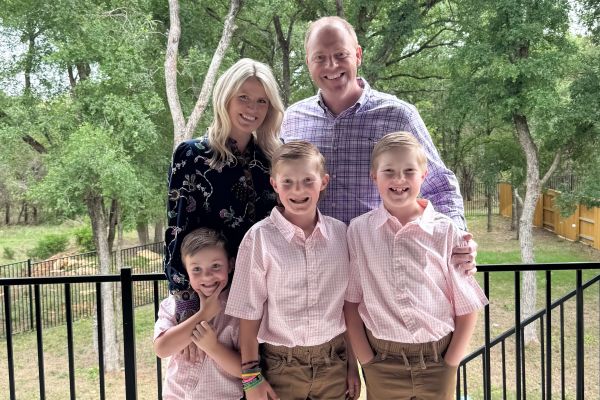
When a father of three showed signs of stroke, Ascension Seton Hays in Kyle, Texas, rapid emergency care helped save his life and led to answers about an underlying heart condition.
April 14, 2026
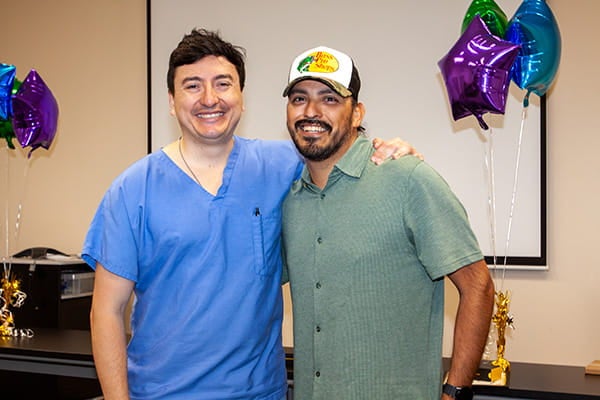
After a sudden cardiac arrest at home, 42-year-old Israel survived thanks to his son’s immediate CPR and advanced heart care at Ascension Seton in Austin, TX.

February 3, 2026
In recognition of American Heart Month, Priyanka Satish, MD, director of preventive cardiology at Ascension Seton in Central Texas, shares six heart health facts every woman should know.
February 3, 2026
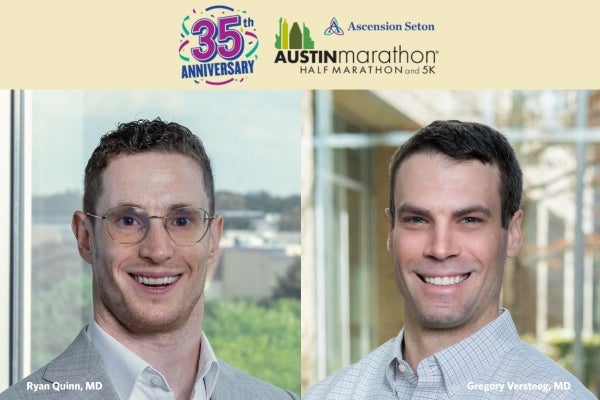
Ascension Seton cardiologist Ryan Quinn, MD, and orthopedic surgeon Gregory Versteeg, MD, share tips to help Central Texans prepare safely for race day.
January 12, 2026
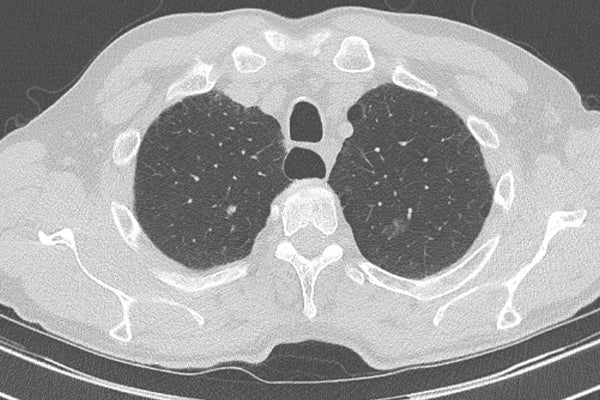
Ascension Seton and Ascension Providence offer a range of lung cancer care services focused on early detection and screening in Central Texas.
December 11, 2025
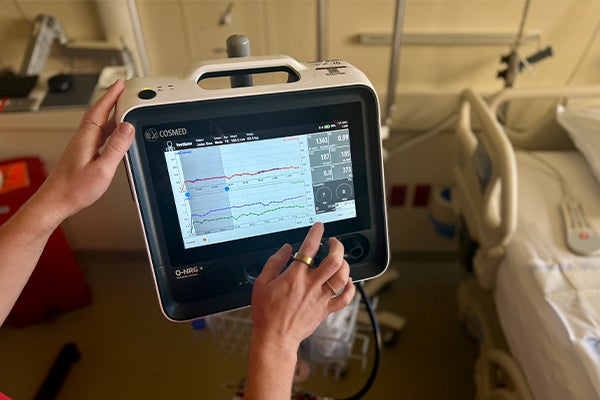
Ascension Seton Medical Center Austin is the first to use an advanced metabolic monitor that helps care teams understand the energy needs of ICU patients in Central Texas.

November 11, 2025
This Veterans Day, Ascension Seton and Ascension Providence honor the veterans who are part of the Central Texas communities we serve.
October 30, 2025
Ascension Seton makes scheduling your annual mammogram easy with imaging centers located throughout Central Texas.

October 28, 2025
To make sure your family enjoys a happy and healthy celebration, the team at Dell Children’s has gathered tips for staying safe on Halloween.

If incidents occur this Fourth of July, knowing where and when to get immediate and emergency care is important.

June 23, 2025
Ascension urgent care and orthopedic teams are here to help you manage your summer injury.
June 12, 2025
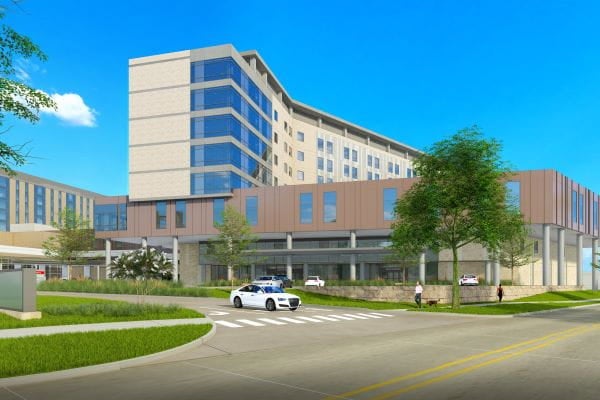
Opening in early 2026, Ascension Seton Women’s Hospital in Austin, Texas will deliver advanced maternal and fetal care, including high-risk pregnancy care and 24/7 emergency services, as well as gynecologic care.
Dell Children's Comprehensive Epilepsy Center at Ascension Seton provides advanced neurologic care for epilepsy in children.
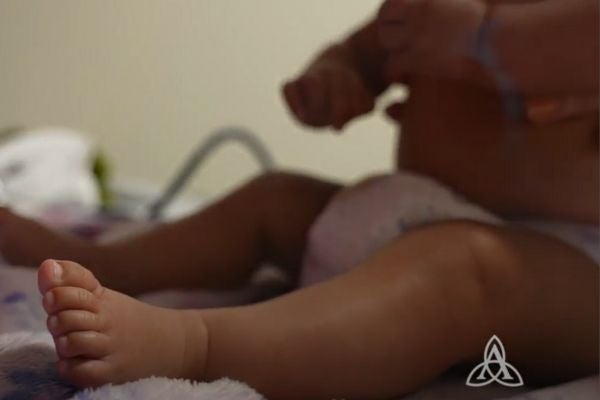
Dell Children's Medical Center has the only Neuro Neonatal Intensive Care Unit Program to care for patients in vitro and in the NICU for neurological diagnosis in Austin, Texas.

October 16, 2024
Dell Children’s Medical Center Named High-Performing in 6 Specialty Areas

January 26, 2024
Dell Children’s heart team repaired an Austin newborn’s heart valve in three surgeries to help her live a normal life.

November 15, 2023
A prayer for peace to help guide your daily reflections.
September 28, 2023
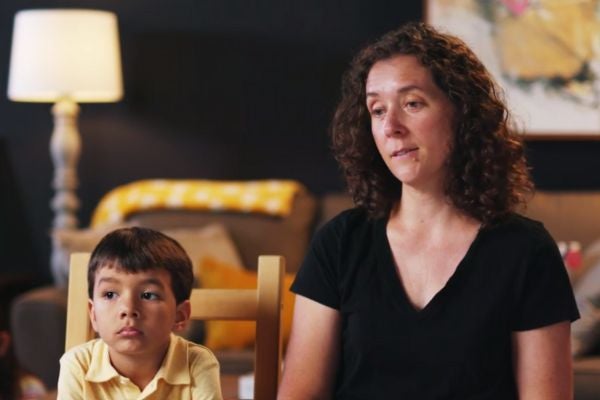
Dell Children’s Blood and Cancer doctors in Austin, TX treat rare genetic blood disease in a three-year-old boy.
September 27, 2023
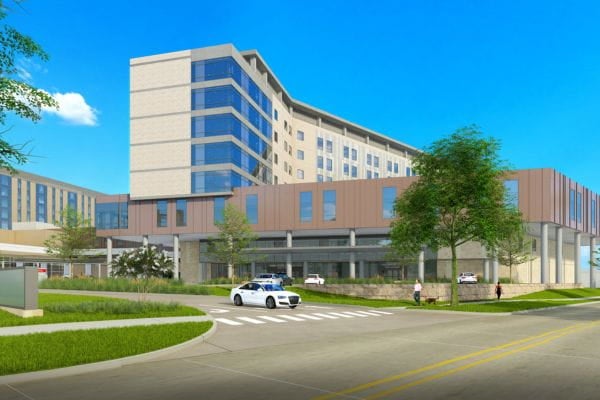
Ascension Seton women’s tower centralizes comprehensive care for women in Central Texas.
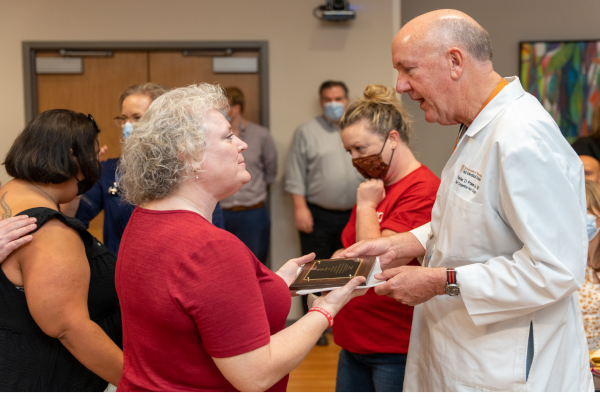
Pediatric heart surgeon, Dr. Charles Fraser, discusses pediatric and congenital heart disease at Dell Children’s in Central Texas.

Comprehensive Fetal Care Center at Dell Children's Medical Center provides advanced surgery options for complex in-utero conditions in Central Texas.
Dell Children’s Comprehensive Fetal Care Center is the only fetal care center in Central Texas, caring for complex and rare fetal conditions.
Families find support and emotional health care for conditions like anxiety in children at Dell Children’s Medical Center.
Austin family considers Dell Children’s Medical Center a second home after their son is cared for by experienced pediatric oncology teams for rare leukemia twice.

Austin family finds comfort from Dell Children’s Medical Center fetal cardiac program that repaired their son’s heart with three surgeries.