Mammography

Ascension Seton in Central Texas provides mammograms to screen for breast health and help detect signs of breast cancer

Mammograms in Central Texas

Ascension Seton in Central Texas provides mammograms to screen for breast health and help detect signs of breast cancer

About mammograms

Getting regular breast health screenings may help find breast cancer early, when it is most treatable. Schedule your mammogram today at an Ascension Seton hospital or Ascension Texas Imaging location. Early detection can make a difference.

If you’re age 40 or older, a breast screening should be part of your annual wellness visit, and women with a family history or an increased risk of breast cancer may be asked to get screened at an earlier age. Ascension Seton has comprehensive, dedicated high-risk breast cancer clinics and genetic counseling services to help you and your doctor better understand your breast health.

Comprehensive breast imaging options in Austin

By getting to know you and your health history, we can recommend the breast screening that’s right for you. From simple screening mammograms to advanced 3D mammograms, your doctor may recommend these types of breast imaging:

  • Screening mammogram
  • Diagnostic mammogram
  • Digital 3D mammogram*
  • Breast ultrasound
  • Breast MRI

*A 3D mammogram may require an additional fee if your insurance carrier does not cover the full cost. Please check with your carrier to determine if you’ll be responsible for any of the costs.

Frequently asked questions about our breast cancer care services

A mammogram is an X-ray exam of your breast. A mammogram can help find problems with your breasts, such as cysts or cancer.

Start a conversation with your doctor to find out when you should begin having yearly breast screenings. We recommend women get a mammogram every year, beginning at age 40. You may need to have a mammogram sooner if you have risk factors or a family history of breast cancer. Most insurance providers cover a mammogram each year. Check with your insurance provider for more details on your coverage.

You will need to undress from the waist up and wear a gown. The technologist will position your breast to get the clearest test results. Then, each of your breasts will be compressed one at a time. This helps get the most complete X-ray image. Your breasts will be repositioned to get at least two separate views of each breast.

Your time is important, so we make getting a mammogram as convenient as possible. The entire procedure is about 20 minutes. But, the actual breast compression only takes a few seconds for each breast.

You may find the pressure of the plates on your breasts to be uncomfortable. Timing your mammogram when your breasts are not tender is important. In premenopausal women, this is usually one week after your menstrual period. If you do have discomfort or pain, ask your technologist to reposition you to try to make it as painless as possible. Remember that each X-ray takes just a few moments and could help save your life.

Do not use deodorant, powder or lotions on the day of your mammogram. We also recommended wearing a top that is easy to remove, since you will be asked to undress from the waist up and wear a gown.

After your mammogram, a radiologist will read your mammogram and send a report to your doctor. You typically get your results around one week after your mammogram.

Just because something abnormal is found during your mammogram does not always mean there is cancer. But you will need to have additional mammograms or tests done. You may also be referred to a breast care specialist or a surgeon at Ascension Seton — this doesn’t mean you have cancer or need surgery. These doctors specialize in diagnosing breast problems. By doing follow-up tests, we may diagnose breast cancer or find there is no cancer.

Yes. Many women choose to schedule their bone density (DEXA) screening on the same day as their mammogram for convenience. Talk to your doctor to see if a bone density scan is right for you and if it can be coordinated with your mammogram appointment.

We can connect you with resources and programs that may be able to help you and your family with options for financial assistance. Our financial counseling team is here to listen to your concerns and work with you to help find options that meet your needs. Your cancer care team can connect you to a financial counselor.

Schedule a breast screening today

At Ascension Seton, our care teams are ready to answer any questions you may have about mammograms and other screenings. If you need more care or advanced treatment options, you are connected to a compassionate care team that will explain procedures and walk you through every step of your care.

FIND A MAMMOGRAM LOCATION

Are you looking for a new doctor and care team?

Doctors at Ascension Seton listen to understand you and your preferences, and answer your questions — big and small. You get personalized care, including referrals for yearly mammograms. Our compassionate teams are ready to answer any questions and help you feel more comfortable during your appointment.
FIND AN OB-GYNFIND A DOCTOR WHO CAN ORDER A MAMMOGRAM

If you are experiencing a life-threatening emergency, go directly to the ER or call 911.

All registered marks are property of their respective owners. All rights reserved.

Stories you'll love

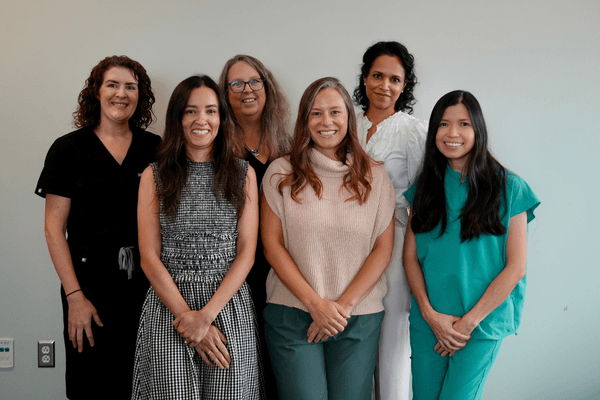
All six urology providers standing together.

Meet the Moms of Dell Children’s Pediatric Urology

September 23, 2026

Dell Children’s nationally ranked pediatric urology team in Austin, Texas, includes six physician-moms who bring specialized expertise and personal perspective to caring for children

Burton Dunlap, MD, is a fellowship-trained orthopedic surgeon specializing in shoulder injuries and advanced shoulder repair.

Orthopedic surgeon Burton Dunlap, MD, at Ascension Seton Orthopedics and Sports Medicine in Austin shares common shoulder injuries, symptoms to watch for, treatment options and when to seek specialized orthopedic care.

A child enjoying the pool.

As families across Central Texas head to pools, lakes and splash pads this summer, the team at Dell Children’s Medical Center in Austin, TX, is sharing life-saving water safety tips to help prevent childhood drowning.

READ MORE STORIES