Lung cancer care

Oncologists and care teams at Ascension Texas deliver compassionate, personalized lung cancer care.

Lung cancer care in Central Texas

Oncologists and care teams at Ascension Seton deliver compassionate, personalized lung cancer care

About lung cancer care at Ascension Seton

At Ascension Seton — part of Ascension Texas — in Austin, our lung cancer specialists are part of a national team of doctors who share best practices and advanced treatment options for lung and chest cancers, as well as benign lung nodules — bringing advanced oncology care close to home.

Here, you’ll receive care from a multidisciplinary team focused on early detection and personalized treatment. Your lung cancer care team may include board-certified, fellowship-trained thoracic surgeons, pulmonary medicine specialists, radiologists, medical oncologists, radiation oncologists, a care navigator, and oncology nurses, dietitians and other specialists.

Together, your care team delivers a personalized care plan from diagnosis through survivorship.

When you’re going through lung cancer, we’re by your side

Cancer is personal, and so is the way we care for you. You’ll have face-to-face visits with your doctor and have an entire care team, connecting the dots for you. Your doctor and care team will take the time to answer all your questions — big and small. By getting to know you and working together, you get a care plan that’s customized to your needs. And with a plan, comes hope. Our goal is to help you recover faster so you can return to your daily life.

Along the way, your care may include imaging, lab testing, pharmacy or other specialty services — you do not have to navigate your care alone. Your care team will help you schedule appointments, connect with other services and support groups, and answer your questions. From your first consultation and throughout your care, you and your doctor will stay connected through in-person and virtual visits.

Stay connected with your lung cancer care team

Your lung cancer care team will help you schedule appointments, connect you with other services and answer your questions. When you have a concern or feel unsure, don’t hesitate to talk with your care team.

Ask about virtual care (telehealth or online) appointments as part of your ongoing care. You can have these virtual visits from the comfort of your home. You'll be able to talk with your doctor one-on-one via video from your phone or computer and get the care that's right for you.

Types of lung cancer

There are several types of lung cancer, and they all have different treatment plans. Our lung cancer specialists in Austin provide innovative treatment options for both early and later stage lung cancer diagnoses.

We treat many types of lung cancers, including:

  • Esophageal cancer
  • Large cell lung cancer
  • Lung carcinoid tumor
  • Mesothelioma, a cancer that forms in the tissue that lines many internal organs
  • Metastatic lung cancer
  • Non-cancerous lung nodules
  • Non-small cell lung cancer
  • Small cell lung cancer
  • Tracheal cancer

Lung screenings help detect cancer early

The first step is to find out if a low-dose CT lung screening is right for you. Talk with your doctor if you need help to stop smoking — they can help.

We recommend annual low-dose CT screenings for:

  • Smokers without symptoms and former smokers aged 50 to 80 who have smoked 20 pack-years or more (this means one pack a day for 20 years, or two packs a day for 10 years, etc.) and either continue to smoke or have quit within the past 15 years
  • Smokers without symptoms and former smokers outside of the smoking and age criteria listed above but are deemed high risk of having/developing lung cancer (risk factors can include family history of lung cancer, emphysema, pulmonary fibrosis, and exposure to certain substances)

Diagnosing lung cancer

Your care team at Ascension Seton focuses on identifying whether the tumor is noninvasive or invasive, understanding where the tumor began and whether the cancer has spread. We use advanced molecular studies to recognize lung cancer subtypes to create a care plan for your type of cancer.

Chest X-rays use low doses of radiation to make images of your tissues, bones and organs, and are used to look for a tumor or cancer.

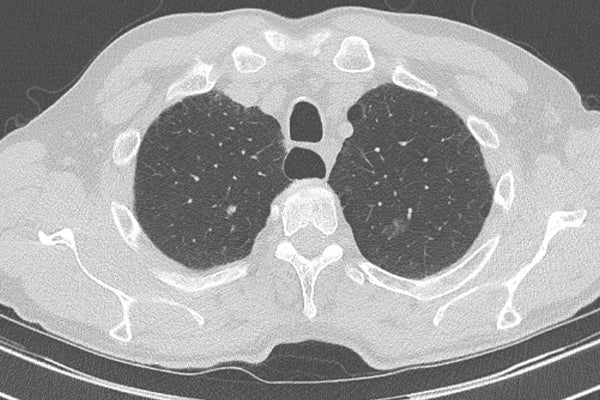
CT scans use X-rays and a computer to create 3D images of your body. A CT scan can show any part of your body, including bones, muscles, fat, blood vessels and organs.

Blood tests can provide your doctor with a lot of information. They can detect if certain elements in your blood are within a normal range. But in many cases, blood tests are only part of the information your doctor needs to diagnose a health condition. Blood tests help provide information to support a diagnosis but are typically used alongside other tests.

If you’re considered high-risk or have a family history of cancer, your doctor may recommend cancer genetic screening, testing and counseling to help better understand your risk for developing cancer.

At Ascension Seton, we offer a comprehensive approach to identifying and monitoring an individual’s risk for developing lung cancer and other chest cancers.

Lung biopsy tests evaluate lung cells and help your doctor diagnose your condition and determine the stage of cancer.

We offer imaging locations close to home — from dedicated low-dose CT lung screening to minimally invasive, image-guided lung biopsy.

An MRI uses a strong magnet, radio waves and a computer to make detailed images of organs and other structures inside your body. MRIs are often used to look at the heart, brain, liver, pancreas, male and female reproductive organs, and other soft tissues. MRI can show even small changes in tissues.

A PET scan is a type of nuclear medicine scan that can show differences in the activity of the tissues in your body. It uses a tiny amount of a radioactive substance attached to sugar. (This is called a radionuclide or a radiopharmaceutical or radioactive tracer.) The tracer is put into your blood. Over an hour or so, it collects in super-active cells, like cancer cells. Then a special scanner is used to see where the tracer has collected in your body.

PET and CT scans are often done together. This is called a PET/CT scan. It gives detailed images of the structure of your insides along with information about the activity of the cells and tissues.

Treating lung cancer

Based on your diagnosis, treatment for chest and lung cancer may include medication, therapy or surgery.

Chemotherapy (or chemo) uses medications that travel through the bloodstream to destroy cancer cells.

If you want to learn more about other possible cancer care options, talk to your doctor. You may want to ask whether cancer clinical trials are the right option for you.

Uses imaging guidance to to perform minimally invasive procedures by opening blocked blood vessels to deliver targeted medication therapies for diagnosis and treatment.

Highly trained physical therapists deliver therapy to help manage lymphedema symptoms, such as swelling and pain

Uses high-energy beams (called photons) or charged particles to destroy cancer cells or stop them from growing
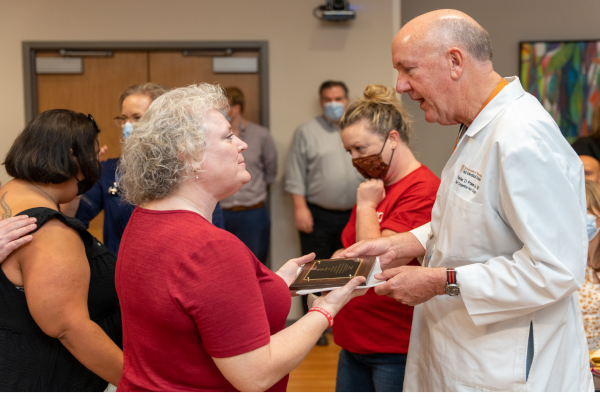
Support programs and resources: Your cancer care team provides support from nutrition education and counseling to cancer support groups, yoga and spiritual care. At Ascension Seton, our healing gardens and chapels are always open to patients and their loved ones. We offer supportive care and activities for the whole you.

Immunotherapy is a type of cancer treatment that boosts your body’s immune system to help it recognize and attack cancer cells. It uses substances that are either made in the body or in a lab to shrink tumors or slow tumor growth.

Our surgeons at Ascension Seton specialize in video-assisted thoracic surgery (VATS) using smaller, more precise incisions to remove lung nodules and tumors.
Get a second opinion on your cancer diagnosis or care plan

When you are facing a new lung cancer diagnosis or are deciding on a surgical or therapeutic treatment plan, there’s a lot to think about. Our lung cancer specialists in Texas can provide a second opinion, based on our experience and as part of a national team.

Before your appointment, check with your insurance company to find out if a second opinion is covered. We can request your medical records on your behalf, so they can be shared with your care team before your arrival.

GET A SECOND OPINION

Frequently asked questions about our chest and lung cancer care services

Your doctor and care team get to know you well, and you’ll receive care for the whole person — from physical health and well-being to mental and emotional health. At Ascension Seton, we provide innovative medication treatments, the latest surgical technologies and techniques, high-tech radiation facilities and support services. When you choose Ascension Seton, you get a national team of experienced cancer specialists, sharing best practices and the latest in cancer care knowledge and research.

At Ascension Seton, we provide many primary and advanced treatments for lung cancer, esophageal cancer and chest cancers, including:

  • Chemotherapy for small cell lung cancer
  • ION robotic bronchoscopy for staging and lung cancer management
  • Immunotherapy and targeted genomic drug therapy
  • Lung resection surgery
  • Radiation therapy — Stereotactic ablative radiation therapy and abstract radiation therapy
  • Video-assisted thoracic surgery (VATS)

We can connect you with resources and programs that may be able to help you and your family with options for financial assistance. Our financial counseling team is here to listen to your concerns and work with you to help find options that meet your needs. Your cancer care team can connect you to a financial counselor.

At Ascension Seton cancer center and clinics, we offer convenient parking. Talk to your care team if you have transportation needs.

Surgical oncologists and anesthesiologists provide enhanced recovery pathways as part of your surgical care plan. They are an important part of our cancer treatment programs. Each pathway is personalized for different types of cancer treatment, to help speed up your recovery after surgery. Your care team uses these protocols to help you prepare for what to expect before, during and after surgery.

Featured locations

Ascension Medical Group Seton Pulmonary and Critical Care Medicine
1301 West 38th St #400
Austin, TX 78705

If you are experiencing a life-threatening emergency, go directly to the ER or call 911.

All registered marks are property of their respective owners. All rights reserved.

Stories you'll love

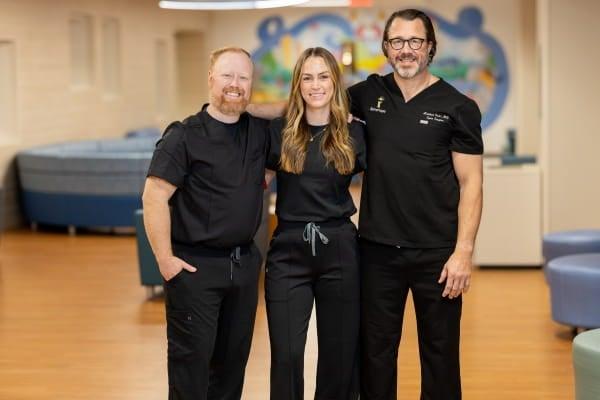
All six urology providers standing together.

Meet the Moms of Dell Children’s Pediatric Urology

September 23, 2026

Dell Children’s nationally ranked pediatric urology team in Austin, Texas, includes six physician-moms who bring specialized expertise and personal perspective to caring for children

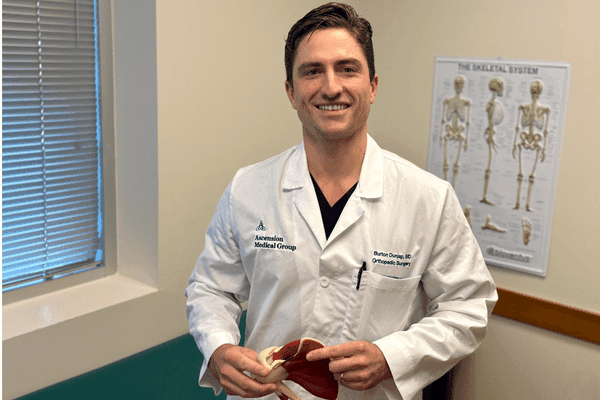
Burton Dunlap, MD, is a fellowship-trained orthopedic surgeon specializing in shoulder injuries and advanced shoulder repair.

Orthopedic surgeon Burton Dunlap, MD, at Ascension Seton Orthopedics and Sports Medicine in Austin shares common shoulder injuries, symptoms to watch for, treatment options and when to seek specialized orthopedic care.

A child enjoying the pool.

As families across Central Texas head to pools, lakes and splash pads this summer, the team at Dell Children’s Medical Center in Austin, TX, is sharing life-saving water safety tips to help prevent childhood drowning.

READ MORE STORIES