About cardio-oncology
Cancer treatment can affect the heart in different ways. Some therapies may increase the risk of heart failure, arrhythmias, high blood pressure, blood clots or other cardiovascular complications. This is known as cardiotoxicity.
Heart-related side effects can occur during treatment or years after therapy is complete. Early detection and specialized monitoring can help identify changes before symptoms become severe.
At Ascension Seton, our cardio-oncology specialists focus on:
- Early detection of cardiovascular complications
- Prevention and management of cardiotoxicity
- Personalized cardiac monitoring plans
- Long-term heart health after cancer treatment
- Survivorship care and cardiovascular risk reduction
Heart disease remains one of the leading causes of non-cancer death among cancer survivors. Our goal is to help change that through proactive monitoring, coordinated care and early intervention
Who should consider cardio-oncology care?
You may benefit from a cardio-oncology evaluation before, during or after cancer treatment if you are receiving certain therapies, or have symptoms, heart conditions or cardiovascular risk factors.
Cancer therapies that may affect the heart
- Anthracyclines
- HER2-targeted therapies
- Targeted therapies
- Immunotherapy
Symptoms during or after treatment
- Shortness of breath
- Chest discomfort
- Palpitations
- Excessive fatigue
- Swelling
- Fainting or passing out
Pre-existing heart conditions
- Coronary artery disease
- Heart failure
- Valvular heart disease
- Vascular disease
- Arrhythmias
Cardiovascular risk factors
- Age over 60
- High blood pressure
- Diabetes
- High cholesterol
- Obesity
- Smoking history
How we monitor and protect your heart
After an oncology treatment plan is established, our cardio-oncology team develops a personalized cardiovascular care strategy based on your individual needs.
Your care plan may include:
- Baseline cardiovascular risk assessment
- Advanced cardiac imaging
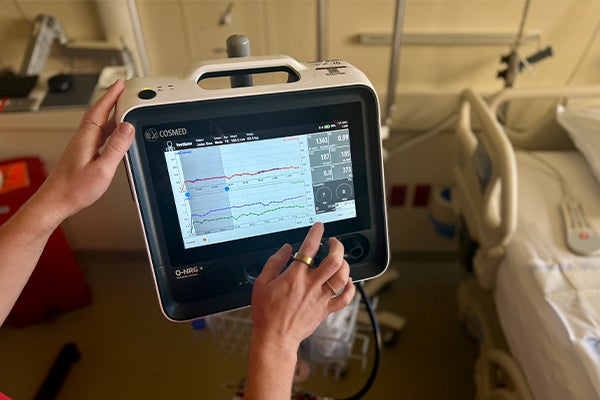
- Ongoing heart monitoring throughout treatment
- Medication management
- Long-term survivorship follow-up
Our specialists work closely with your oncologists to coordinate testing, treatment decisions and follow-up care throughout every stage of your cancer journey.
Understanding cardiotoxicity
Some cancer treatments like chemotherapies, targeted therapies, immunotherapies and radiation may affect heart function. This is known as cardiotoxicity.
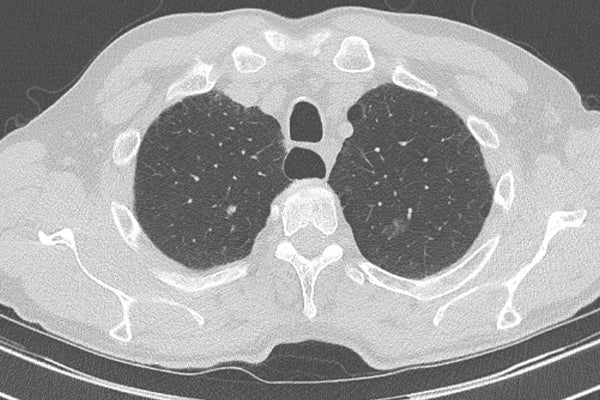
Cardiotoxicity can develop during treatment or even years later. Early detection is critical. With specialized heart monitoring and advanced imaging, we can identify changes early and intervene to protect your long-term heart health.
We work in direct collaboration with your referring oncologist to coordinate imaging, medications and follow-up care. Our goal is to protect your heart health while helping your cancer therapy continue safely whenever possible.
Cardiotoxicity symptoms
Common symptoms of cardiotoxicity may include:
- Chest pain
- Dizziness or lightheadedness
- Fluid retention
- Heart palpitations
- Shortness of breath
- Swelling in the legs or abdomen
- Unusual fatigue
Advanced cardio-oncology care
If heart-related complications develop during treatment, we create a personalized care plan designed to protect heart function while supporting cancer treatment whenever possible.
Our team helps manage:
- Heart failure
- Arrhythmias
- Hypertension related to cancer therapies
- Vascular disease
- Treatment-related cardiovascular complications
- Complex cardiovascular conditions during cancer therapy
We remain in close communication with your oncology team to help ensure coordinated, patient-centered care.
How to get care
If you are preparing to start cancer treatment, currently receiving therapy or experiencing heart-related symptoms after treatment, ask your oncologist about a referral to the Ascension Seton Cardio-Oncology Program.
Our nurse navigator can help coordinate appointments, referrals and next steps.
To connect with our team, call (512) 324-2715 or email AtCCardioOncology@ascension.org.
Our nurse navigator can help with:
- Scheduling appointments
- Coordinating referrals
- Answering questions about next steps
- Connecting patients with the appropriate specialists
Why choose Ascension Seton Cardio-Oncology
The Ascension Seton Cardio-Oncology Program is a regional leader in the prevention, early detection and management of cardiovascular complications related to cancer treatment.
Our team provides comprehensive care before, during and after cancer therapy, including chemotherapy, targeted therapies, immunotherapy and radiation treatment. Every visit begins with a personalized evaluation of your cancer treatment plan, heart health history and individual risk factors.
We work directly with your oncology team to coordinate care, helping protect your heart while supporting the best possible cancer outcomes.
Providers: Refer your patient to Ascension Seton
The Ascension Seton Cardio-Oncology Program provides rapid access for referring physicians and oncology providers throughout Central Texas.
Our program offers:
- Rapid access appointments
- Collaborative care planning with oncology teams
- Guideline-based cardiac monitoring
- Evidence-based cardiotoxicity management
- Ongoing communication and follow-up
We work alongside referring providers to support coordinated, patient-centered care.
Call 512-324-2715
Featured locations
Locations, Addresses, and Phone Numbers
Ascension Texas Cardiovascular – Lamar
1004 W. 32nd St., Suite 300, Austin, TX 78705
(512) 324-3440
Ascension Texas Cardiovascular – Northwest
11111 Research Blvd., Suite 300, Austin, TX 78759
(512) 324-2376
Ascension Texas Cardiovascular – James Casey
4207 James Casey St., Suite 215, Austin, TX 78745
(512) 324-3447
Ascension Texas Cardiovascular – Cedar Park
1401 Medical Pkwy., Building B, Suite 320, Cedar Park, TX 78613
(512) 324-4812
Ascension Texas Cardiovascular – Georgetown
1101 Wolf Lakes Dr., Suite 125A, Georgetown, TX 78628
(512) 324-4812
Ascension Texas Cardiovascular – Highland Lakes
200 County Road 340A, Building 1, Suite A, Burnet, TX 78611
(512) 715-3032
Ascension Texas Cardiovascular – Hays
1180 Seton Pkwy., Suite 450, Kyle, TX 78640
(512) 504-0860
Ascension Texas Cardiovascular – Bastrop
630 State Highway 71, Suite D, Bastrop, TX 78602
(512) 324-3447
Ascension Texas Cardiovascular – Temple
1905 Southwest H.K. Dodgen Loop, Temple, TX 76502
(512) 324-4812