Stroke treatment

Doctors and care teams at Seton Brain and Spine Institute in Central Texas deliver emergency stroke care and rehabilitation to help recovery after stroke.

Advanced stroke care in Austin

Doctors and care teams at Seton Brain and Spine Institute in Central Texas deliver emergency stroke care and rehabilitation to help recovery after stroke.

Stroke treatment at Ascension Seton

If you or a loved one is experiencing symptoms of a stroke — every second counts. Signs of a stroke include sudden loss of balance, lost or unclear vision, face drooping or uneven smile, arm weakness and difficulty speaking.

Ascension Seton stroke centers and emergency rooms in Central Texas provide advanced stroke care 24/7. Our neurologists and neurosurgeons specialize in treating stroke and transient ischemic attacks (TIA). We quickly work together to help improve blood flow to the brain, stop a brain bleed, and help prevent future strokes.

Ascension Seton stroke centers in Central Texas

Several Ascension Seton hospitals across Central Texas have earned the designation Primary Stroke Center, Primary Plus Stroke Center or Comprehensive Stroke Center by Det Norske Veritas (DNV). We use the latest technology and a team of stroke specialists to deliver advanced stroke care for even the most complex cases. This highly specialized stroke care helps support better outcomes at a time when you need it most.

***Comprehensive Stroke Center
**Primary Plus Stroke Center
*Primary Stroke Center

The DNV GL Healthcare certification is based on standards set forth by the Brain Attack Coalition, American Heart Association, American Stroke Association and World Stroke Association.

Specialized stroke recovery and rehabilitation services

Care teams at Ascension Seton specialize in stroke care and recovery. We listen to understand you and your health. Then your team of neurologists, neurosurgeons, nurses, physical therapists, occupational therapists and speech therapists work with you to create a care plan that's right for you. Our rehabilitation care team provides daily therapies and monitors your progress to help you meet your goals.

Your care doesn't stop when you leave the hospital. We offer a stroke survivor support group. And we provide transitional care in your home, an outpatient stroke rehabilitation center or skilled nursing facility. Our goal is to improve your quality of life after a stroke.

Frequently asked questions about stroke

Stroke symptoms can come on suddenly. Call 911 and go to the nearest ER if you experience any of the following symptoms:

  • Sudden loss of balance
  • Lost or unclear vision
  • Face drooping or uneven smile
  • Arm weakness
  • Speech difficulty

A stroke occurs when there is a disruption in the blood supply to the brain. This disruption can come from a blocked blood vessel in the brain or a blood vessel that ruptures and bleeds into the brain. When you are experiencing a stroke — every second counts. Call 911 and go to the nearest ER.

If you think someone is having a stroke, ask them to repeat a sentence back to you, smile at you, and raise both arms. If they have trouble with any of these tasks, call 911 right away. Stay with the person and note the time they began to have symptoms. This information can help the emergency room care team.

When someone experiences stroke symptoms that go away in a short period of time (typically less than an hour), it may be considered a TIA (transient ischemic attack.) When blood flow to the brain is interrupted for a short period (usually less than five minutes), it may be a sign of a future stroke. TIA is an emergency like stroke. If you experience signs of a stroke or TIA, don't wait to see if the symptoms go away.


The sooner you get to the ER, the more options there may be for treatment. Medications and minimally invasive stroke interventions help prevent clots and dissolve blockages to restore blood flow to the brain. Endovascular procedures are used to repair or prevent a blood vessel from rupturing. Your doctors, nurses, and rehabilitation therapists help you recover after a stroke and help prevent a future stroke.

Neurocritical care unit at Dell Seton Medical Center at The University of Texas

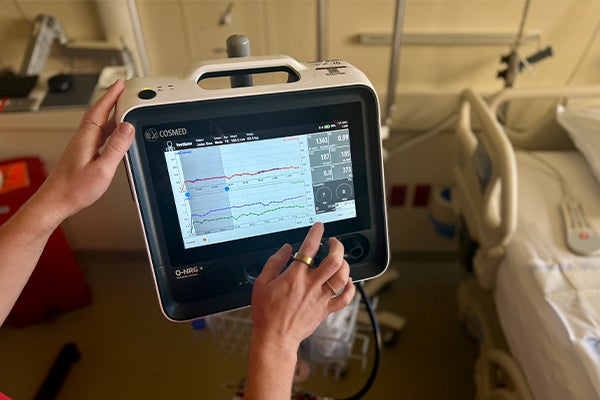
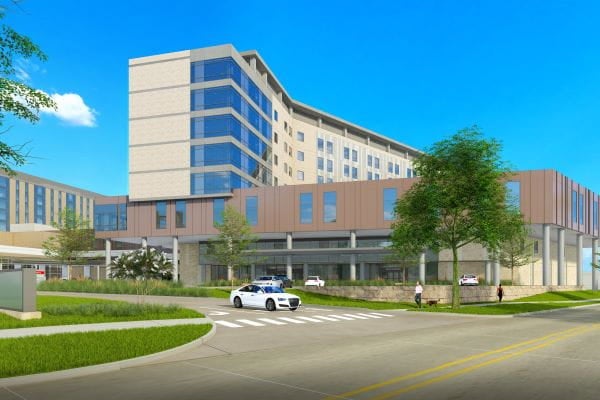
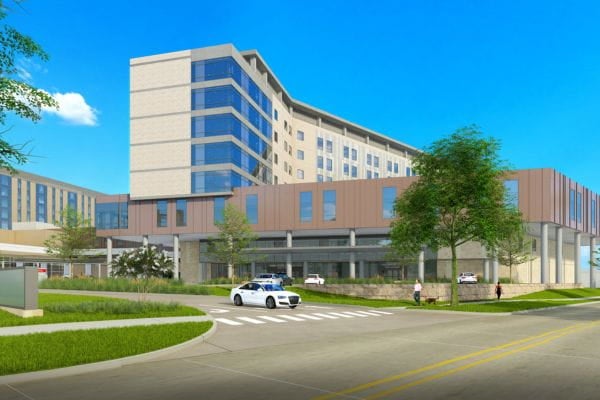
Dell Seton Medical Center at The University of Texas offers the first dedicated neuro critical care unit in Central Texas. Our critical care unit is led by board-certified neurocritical care doctors, caring for the most complex and serious neurologic conditions. Combining a highly specialized team with cutting-edge technology will allow for the creation of a destination unit, to improve care for patients in Central Texas.

Get a second opinion

If you have questions about your diagnosis or treatment plan, a second opinion can help you better understand your options. Our specialists can review your medical records and history to provide an additional perspective. Before your appointment, check with your insurance provider to find out if a second opinion is covered. We can request your medical records from your doctor on your behalf so they can be shared before your visit.
Find a neurologist

Providers: Refer a patient

person

Referring your patients is simple and hassle-free. Send your patient's medical records, and we'll take it from there — keeping you in the loop throughout the process  while ensuring your patient gets the advanced care they need.

Find a neurologist

If you are experiencing a life-threatening emergency, go directly to the ER or call 911.

All registered marks are property of their respective owners. All rights reserved.

Stories you'll love

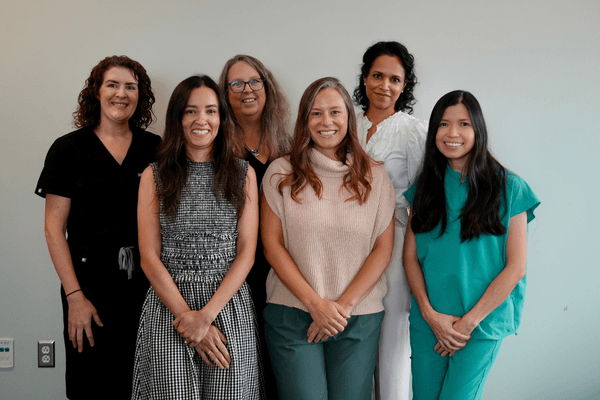
All six urology providers standing together.

Meet the Moms of Dell Children’s Pediatric Urology

September 23, 2026

Dell Children’s nationally ranked pediatric urology team in Austin, Texas, includes six physician-moms who bring specialized expertise and personal perspective to caring for children

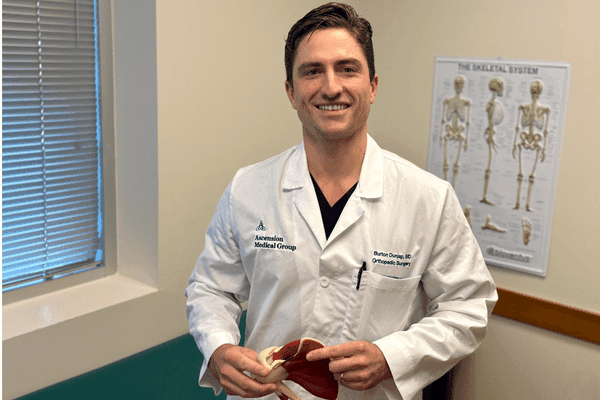
Burton Dunlap, MD, is a fellowship-trained orthopedic surgeon specializing in shoulder injuries and advanced shoulder repair.

Orthopedic surgeon Burton Dunlap, MD, at Ascension Seton Orthopedics and Sports Medicine in Austin shares common shoulder injuries, symptoms to watch for, treatment options and when to seek specialized orthopedic care.

A child enjoying the pool.

As families across Central Texas head to pools, lakes and splash pads this summer, the team at Dell Children’s Medical Center in Austin, TX, is sharing life-saving water safety tips to help prevent childhood drowning.

READ MORE STORIES