Conditions we diagnose and treat

Find advanced neurological care at Ascension Seton Brain and Spine Institute with personalized treatment for brain, spine, and nerve conditions.

Understanding whether your symptoms are related to a neurological condition is important. Whether it’s persistent headaches, dizziness, numbness, memory changes or weakness, don’t delay speaking with a doctor to better understand and treat your neurological condition or symptoms.

Arthritis causes joint pain, swelling and stiffness that can affect daily movement. Specialists develop a personalized treatment plan that may include medication, physical therapy or surgery to help improve mobility and quality of life.

Back and neck pain can have many causes. Specialists use advanced diagnostic testing to identify the source of pain and recommend treatments such as medication, rehabilitation therapies or surgery when appropriate.

A brain aneurysm is a weakened area of a blood vessel that can bulge and, in some cases, rupture. A multidisciplinary team provides comprehensive evaluation, advanced treatment—including surgery when needed—and ongoing support throughout recovery.

A brain bleed occurs when bleeding develops inside the skull. Neurosurgeons quickly evaluate the type and severity of the hemorrhage and provide advanced treatment to control the bleeding and minimize complications.

Brain tumors may be cancerous or noncancerous. Experienced neurosurgeons provide advanced diagnostic testing and treatment, including surgery and, when appropriate, radiation therapy, while a multidisciplinary team supports patients throughout treatment and recovery.

Specialists treat cerebrovascular conditions such as stroke and brain aneurysms using advanced medical and surgical techniques, including minimally invasive procedures, while coordinating rehabilitation services when needed.

Degenerative disc disease is an age-related change to spinal discs that can lead to chronic neck or back pain that may radiate into the arms or legs. Spine specialists provide advanced evaluation and treatment to relieve pain, improve mobility and restore function.

Dementia affects memory, thinking and daily functioning, while Alzheimer's disease is its most common form. Specialists provide evaluation, ongoing care and support to help patients maintain independence and quality of life whenever possible.

A dural arteriovenous fistula is an abnormal connection between arteries and veins surrounding the brain. Neurosurgeons provide advanced monitoring and minimally invasive treatment options when intervention is necessary.

Headaches and migraines range from occasional discomfort to debilitating pain. Neurologists identify the underlying cause and develop personalized treatment plans to relieve symptoms and help prevent future episodes.

A herniated disc occurs when the cushioning material between spinal bones pushes into the spinal canal and irritates nearby nerves. Treatment may include monitoring, medication or surgery depending on symptoms and severity.

Intracranial stenosis is narrowing of an artery in the brain that can increase the risk of stroke. Neurosurgeons offer minimally invasive treatments, including stenting, to restore blood flow.

Kyphosis is an excessive forward curvature of the upper spine that can cause pain, stiffness and posture changes. Treatment ranges from therapy and bracing to advanced surgical correction for more severe cases.

Meningiomas are the most common type of brain tumor. Specialists provide advanced diagnosis and treatment using surgery, radiation therapy and other therapies based on the tumor's characteristics.

Movement disorders include conditions such as Parkinson's disease, tremors, dystonia, Huntington's disease, Tourette syndrome and ataxia. Neurologists provide comprehensive evaluation and individualized treatment plans.

Neuromuscular disorders affect how nerves and muscles work together, causing weakness, numbness or fatigue. Treatment may include medication, rehabilitation therapies and specialized immune-based treatments depending on the diagnosis.

Neurofibromatosis is a genetic condition that causes tumors to grow on nerves throughout the body. Care may include monitoring, medication or surgery based on the type and severity of the disease.

Neuropathy occurs when peripheral nerves are damaged, often causing numbness, tingling, weakness or pain. Neurologists use advanced testing to identify the cause and create a personalized treatment plan to relieve symptoms and improve function.

Pituitary tumors are abnormal growths in the pituitary gland and are usually noncancerous. A multidisciplinary team develops individualized treatment plans that may include medication, surgery, radiation therapy or chemotherapy.

Scoliosis is an abnormal sideways curvature of the spine. Specialists provide comprehensive care ranging from monitoring to advanced spine surgery for more severe cases.

Epilepsy and seizure disorders occur when abnormal electrical activity in the brain causes seizures. Treatment options may include medication, lifestyle changes, epilepsy surgery or advanced neurostimulation therapies.

Spinal stenosis is narrowing of the spinal canal that places pressure on the spinal cord or nerves. Treatment is tailored to the location and severity of the condition and may include nonsurgical care or surgery.

Spine deformities, including scoliosis, kyphosis and lordosis, can affect posture, movement and comfort. Treatment ranges from therapy and bracing to specialized surgical correction for complex cases.

Spine tumors may be cancerous or noncancerous. Experienced neurosurgeons provide advanced diagnosis, surgical treatment and coordinated multidisciplinary care throughout recovery.

Spondylolysis is a stress fracture in part of the spine that can lead to vertebral slippage, called spondylolisthesis. Depending on severity, treatment may include conservative care or spinal fusion surgery.

Stroke is a medical emergency requiring immediate treatment. Neurologists and neurosurgeons provide advanced emergency stroke care, minimally invasive interventions when appropriate, and rehabilitation services to support recovery.

Traumatic injuries to the brain or spine range from mild to life-threatening. Care teams provide comprehensive treatment, including advanced surgery, spinal cord stimulation when appropriate, rehabilitation and long-term recovery support.

Stories you'll love

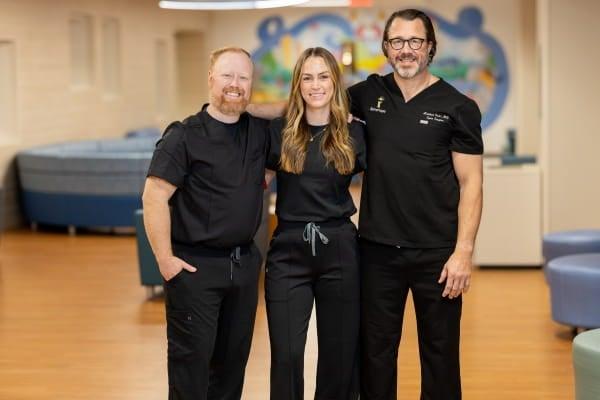
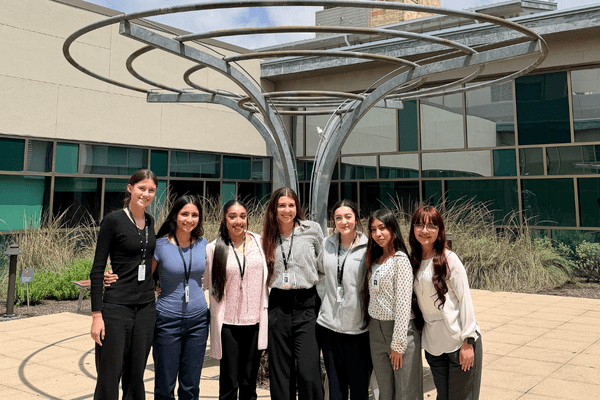
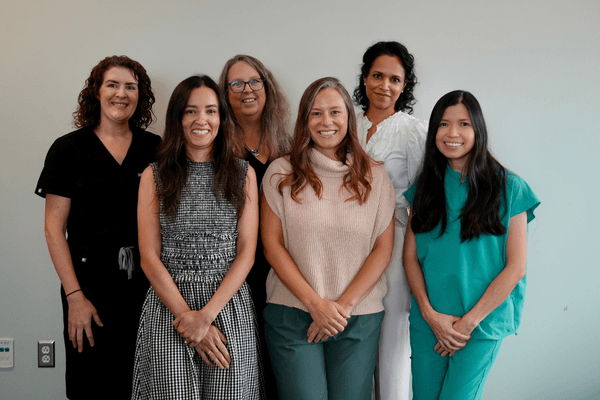
All six urology providers standing together.

Meet the Moms of Dell Children’s Pediatric Urology

September 23, 2026

Dell Children’s nationally ranked pediatric urology team in Austin, Texas, includes six physician-moms who bring specialized expertise and personal perspective to caring for children
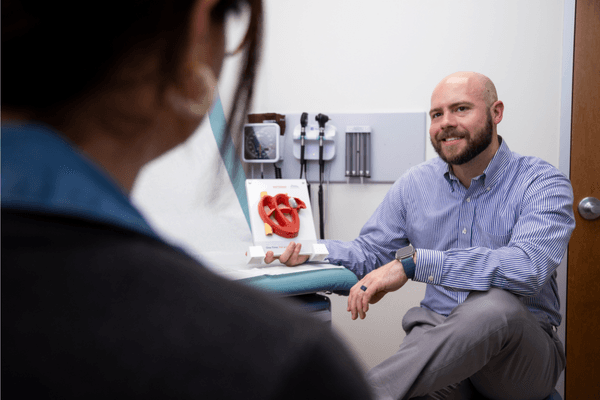
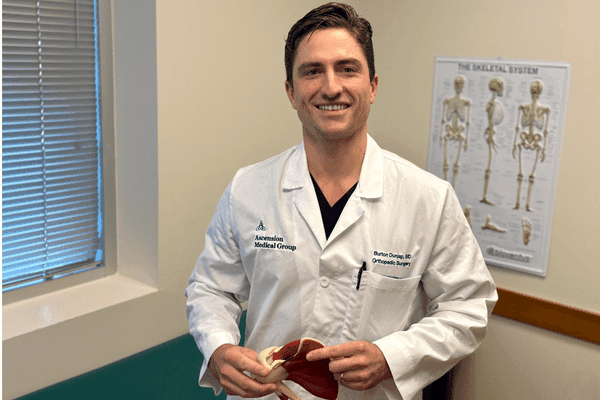
Burton Dunlap, MD, is a fellowship-trained orthopedic surgeon specializing in shoulder injuries and advanced shoulder repair.

Orthopedic surgeon Burton Dunlap, MD, at Ascension Seton Orthopedics and Sports Medicine in Austin shares common shoulder injuries, symptoms to watch for, treatment options and when to seek specialized orthopedic care.

A child enjoying the pool.

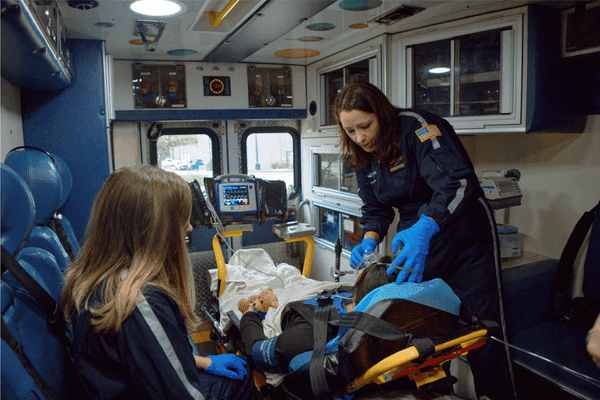
As families across Central Texas head to pools, lakes and splash pads this summer, the team at Dell Children’s Medical Center in Austin, TX, is sharing life-saving water safety tips to help prevent childhood drowning.
READ MORE STORIES