Heart and valve care

Ascension Saint Thomas Heart provides leading care for heart valve and structural heart disorders.

Heart and valve care in Middle Tennessee

Ascension Saint Thomas Heart provides leading care for heart valve and structural heart disorders.

Why choose us

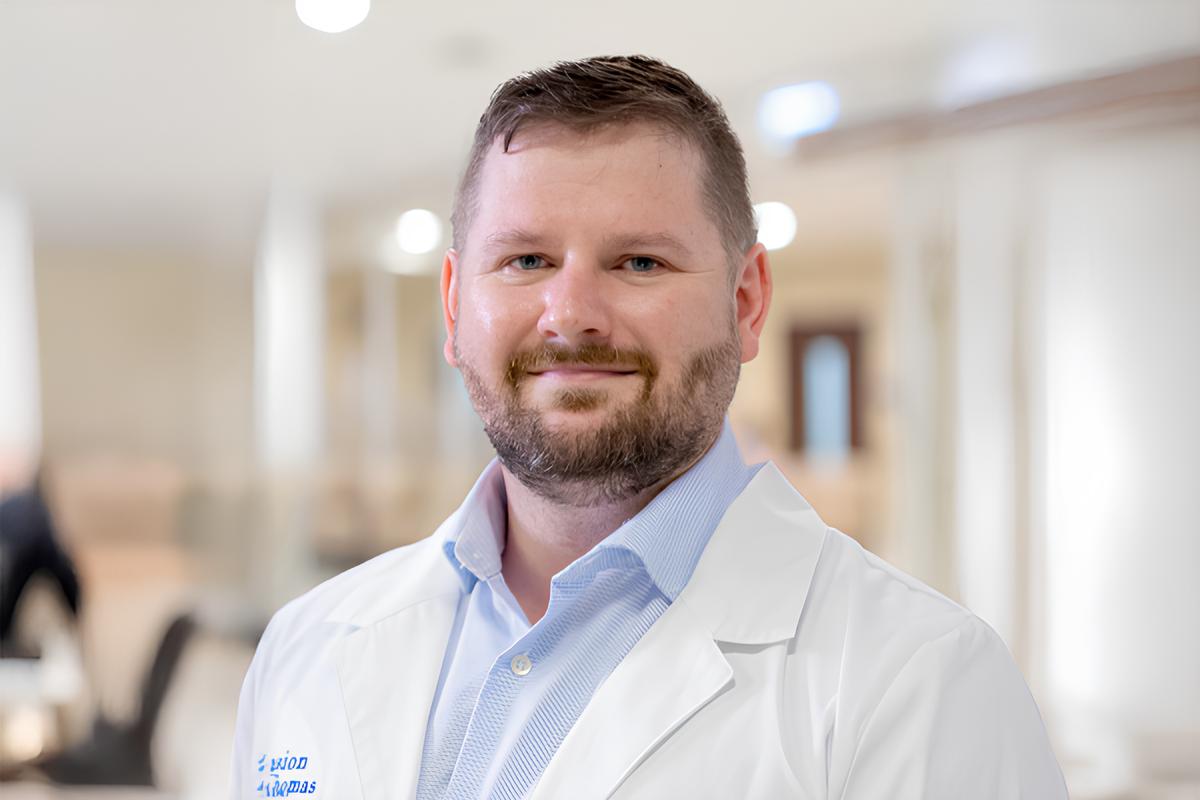
When you choose Ascension Saint Thomas Heart, your doctor is part of a nationally recognized program with over 85 cardiologists and cardiac surgeons known for providing excellence in heart disease prevention, diagnosis, treatment and recovery. Our nationally recognized cardiac surgery team is known for structural heart repairs and replacements.  We offer the largest network of cardiologists with 45 locations to choose from for care. You have access to cardiologists and surgeons trained in the latest testing, treatment and advanced surgical procedures.

Understanding your heart valve disease

This heart condition affects one or more of the heart's valves. If blood doesn't flow properly when the heart valves open, the reasons can be leaky valves (regurgitation), too narrow (stenosis), or not opening properly (atresia). Heart and valve conditions can lead to progressive heart failure.

When you need advanced, specialized care for heart valve and structural heart conditions, Ascension Saint Thomas Heart delivers advanced diagnostics and imaging, minimally invasive therapies, surgical care, and rehabilitation support. From treatment through recovery, we provide personalized, compassionate heart care that’s right for you.

Heart valve diseases we treat include:

  • Aortic valve disease
  • Mitral valve disease
  • Tricuspid valve disease

Structural heart diseases we treat include:

  • Adult congenital heart disease
  • Hypertrophic obstructive cardiomyopathy (HOCM)
  • Left atrial appendage (LAA)

Symptoms of heart valve disease

Common symptoms of heart valve disease include:

  • Abdominal swelling
  • Chest pain
  • Dizziness or fainting
  • Low or high blood pressure
  • Fluttering heartbeat
  • Severe tiredness (fatigue)
  • Shortness of breath with activity or rest
  • Swelling in the legs, ankles, feet, abdomen, or veins in the neck

Some people with heart valve disease experience no symptoms. If you are an older adult or have had other health conditions such as rheumatic fever, heart attack and arrhythmia, talk to your doctor about your risk for heart valve disease.

How we diagnose heart valve disease

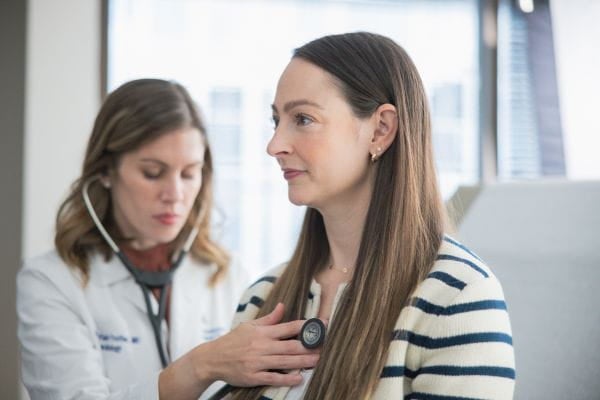
An accurate diagnosis helps your doctor personalize your care. To diagnose a heart valve problem, your doctor may recommend testing, such as:

This is a non-invasive imaging test that uses advanced CT technology to create detailed 3D images of the heart’s structure. It helps physicians evaluate heart chambers, valves, blood vessels and congenital or structural heart conditions. This test supports cardiac diagnosis and helps your care team provide a treatment plan for procedures such as ablation or valve repair.

This imaging procedure uses an X-ray machine and a computer to create 3D pictures of the heart. Sometimes a dye is injected into a vein so that your heart arteries can also be seen. We offer a variety of heart CT scans, including scans that look for coronary artery disease, as well as scans that look at your heart valves.

This procedure uses a combination of large magnets, radio waves, and a computer to make detailed images of organs and structures in your body. Your doctor may order an MRI of the heart to look at the heart valves and major vessels. It can also detect coronary artery disease and how much damage it has caused. It can also assess heart problems that have been present since birth. It can find tumors and other conditions. Your doctor may order this test before other procedures such as angioplasty or stenting of the coronary arteries and heart or vascular surgery.

This test is done during a cardiac catheterization. For this test, your doctor guides a small catheter (hollow tube) through the large artery in your upper leg, or sometimes your wrist or arm, into your heart. Dye is given through the catheter, and moving X-ray pictures are taken as the dye travels through your heart arteries and heart chambers. This comprehensive test shows narrowing in the arteries, heart chamber size, how well your heart pumps, and how well the valves open and close. It also measures the pressures within the heart chambers, arteries, and veins.

It's used to check the heart's function and structures. During the procedure, a transducer (like a microphone) sends out sound waves at a frequency too high to be heard. When the transducer is placed on the chest at certain locations and angles, the sound waves move through the skin and other body tissues to the heart tissues. The waves bounce or "echo" off the heart structures. These sound waves are sent to a computer that can create moving images on the screen of the heart walls and valves.

This test records the electrical activity of the heart, shows abnormal rhythms (arrhythmias), and can sometimes detect heart muscle damage.
This is also called a treadmill or exercise ECG. This test is done to monitor the heart while you walk on a treadmill or pedal a stationary bike. We also use supine cycle and dobutamine stress echos to determine how severe your valve disease is when needed. Your doctor also monitors your breathing and blood pressure. A stress test may be used to detect coronary artery disease, or to determine safe levels of exercise after a heart attack or heart surgery. This test can also be done using special medicines that stress the heart in a similar manner as exercise does. Sometimes a stress test will collect ECG information along with heart ultrasound pictures. This is called an exercise or stress echocardiogram (echo). It's more sensitive and specific than ECG stress testing alone.
This test is similar to a transthoracic echocardiogram. But it's done with medicine to help you relax (sedation). It's considered invasive because a probe is put into your body. In this test, you will swallow a small probe about the size of your thumb. The probe passes down the esophagus, which lies directly behind the heart. It allows a much closer look at the heart's structure and function than a standard echocardiogram done on the skin of the chest. It can better look at heart valve structure and function. Your doctor can better see any blood clots that may be in the heart.

How we treat structural heart valve disease

Treatment for heart valve disease may include medication, therapy or surgery.

In this procedure, pure alcohol is injected into certain blood vessels to destroy the segment of muscle that is blocking blood flow out of the heart.

For this nonsurgical procedure, a special hollow tube (catheter) is put into a blood vessel in the groin and guided into the heart. At the tip of the catheter is a deflated balloon that is inserted into the narrowed heart valve. Once in place, the balloon is inflated to stretch the valve open, and then removed. This procedure is only used to treat stenotic (narrowed) valves.

A device may be used to close off the left atrial appendage in some cases. This can prevent stroke without having to use lifelong blood thinners. The left atrial appendage is the area within the heart where most blood clots form. By closing this area off, any clots that form there cannot get out to travel to the brain to cause a stroke. The device is implanted without heart surgery. This device is not right for everyone. It is generally considered in those who are at high risk for stroke, as well as high risk for bleeding. Even with the device, you may need to take blood thinners in the short-term.

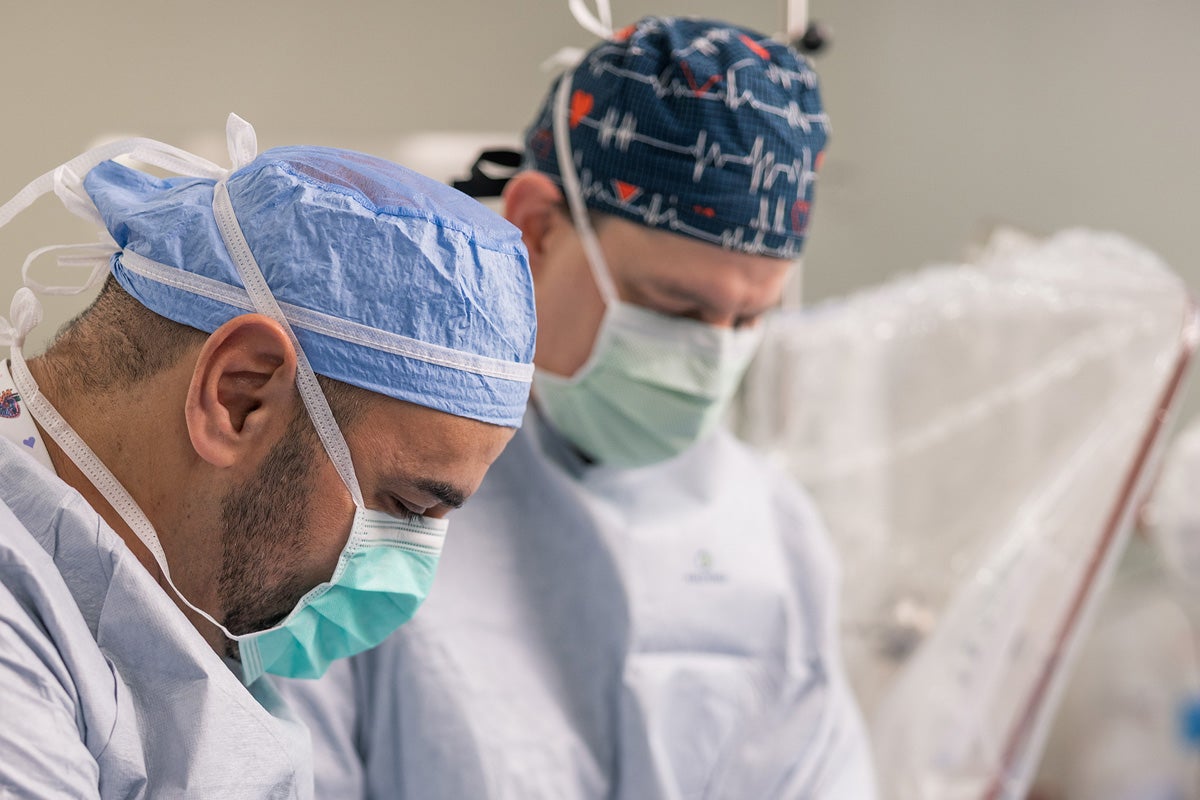
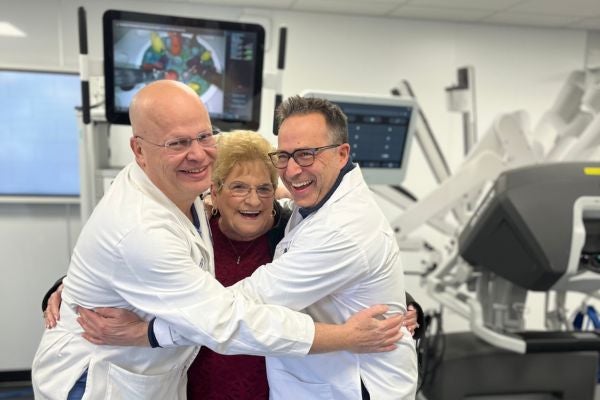
At Ascension Saint Thomas Heart, our surgeons are national leaders in robotic heart surgery. We offer advanced, minimally invasive care for heart valve disorders, AFib, coronary artery disease, and congenital conditions. Robotic surgery allows for smaller incisions between the ribs instead of opening the chest, which can mean less pain, lower infection risk, and a faster recovery. For patients needing valve repair or replacement, this approach offers a safer, more precise option.

Transcatheter aortic valve replacement (TAVR) is a procedure that replaces a diseased aortic valve with a man-made valve. The TAVR procedure may be recommended as an alternative to open heart surgery. The old heart valve is not removed but acts like an anchor for the new heart valve. This procedure is done through small cuts (incisions) using a long, thin tube (catheter), X-rays, and ultrasound.

If you have mitral valve disease, and your risk for open‑heart surgery is high, your cardiologist may recommend a transcatheter mitral valve repair. Using a catheter and techniques such as edge‑to‑edge repair and the MitraClip device, the procedure reduces mitral regurgitation. It will improve blood flow through the heart by repairing the mitral valve and relieve symptoms of shortness of breath, fatigue and swelling.

This catheter-based procedure replaces a diseased mitral valve in the heart, such as in cases of mitral regurgitation or stenosis. Your cardiac surgeon will replace your old valve with a new artificial valve to help improve your heart function. This minimally invasive procedure offers lower risk and shorter recovery time than traditional open‐heart surgery.

Clinical trials

Our doctors are committed to being leaders in cardiovascular research, working to help improve how we diagnose and treat heart and vascular diseases. Clinical trials can change, and we are always looking for new therapies to help treat your heart conditions. You can talk to your cardiologist about your options, if you are interested in participating in current clinical trials.

Alliance VIV
Safety and effectiveness of the SAPIEN X4 transcatheter heart valve

Cardiomech EFS
EFS of the CardioMech MVRS

CEPHEA
Cephea early feasibility study

PROGRESS Continued Access
Management of moderate aortic stenosis by clinical surveillance or TAVR

TVTR
STS/ACC transcatheter valve therapy registry (TVT registry)

VISTA-US
Clinical safety and efficacy of the VDyne transcatheter tricuspid valve replacement system for the treatment of tricuspid regurgitation

Excellence in heart valve care

Ascension Saint Thomas Hospital West earned the Mitral Valve Repair Reference Center Award (2021–2025) from the American Heart Association and Mitral Foundation. The hospital also earned “High Performing” status in all cardiac categories, including aortic valve surgery, heart bypass, and TAVR.

How to get care

stethoscope

Have your doctor make a referral by calling 615-222-3944 for care in Nashville and 615-494-2965 for Rutherford. Ask if a virtual visit is an option for your care. Need a second opinion appointment? Our team can help. Schedule a consultation today.

Get a second opinion

If you have a new diagnosis or need a cardiac treatment plan, there’s a lot to think about when facing a cardiovascular health issue. Getting a second opinion provides more information about your condition and can also help you feel more confident in the doctor and the care plan you choose. If you’re looking for a second opinion, specialists at Ascension Saint Thomas Heart are here for you. Consider getting a second opinion if:

  • Your diagnosis or prognosis is unclear.
  • You’ve been told you have a rare or life-threatening condition.
  • You would like to explore more treatment options.
  • Your treatment options are costly or risky.
  • You want to hear an opinion from another specialist.
  • You want to find a new doctor with a new care plan.
  • Your insurance requires a second opinion.

Request a self referral at Ascension Saint Thomas West by calling 615-222-3944.

Refer your patient to Ascension Saint Thomas Heart

Your patients can expect compassionate, personalized care from the moment our specialists connect with them. Our structural heart specialists start by listening to fully understand your patient’s needs and to develop an individualized care plan.

Request a referral:

CALL 615-494-2965 - MurfreesboroCALL 615-222-3944 - Nashville

If you are experiencing a life-threatening emergency, go directly to the ER or call 911.

All registered marks are property of their respective owners. All rights reserved.

Stories you'll love

Mom hugging her baby.

Young mother experiences AFib during pregnancy

January 28, 2026

At just 26 years old, a Nashville mother receives specialty heart care for women at Ascension Saint Thomas Heart Women’s Center during her second pregnancy.

Read more stories