Young mother experiences AFib during pregnancy
January 28, 2026
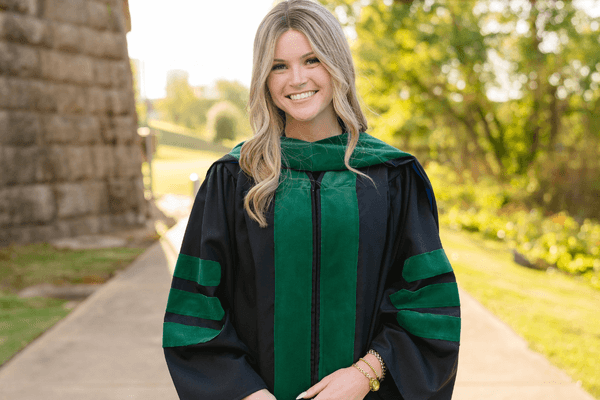
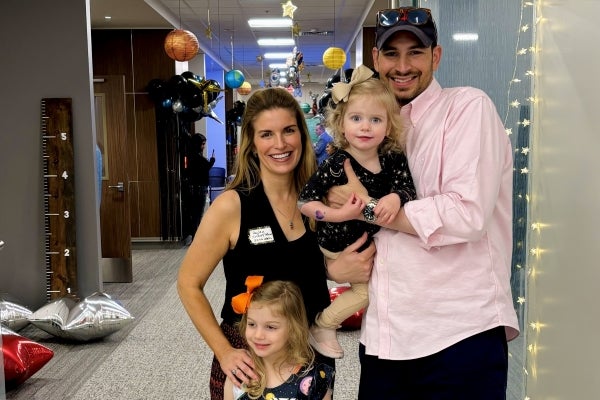
At just 26 years old, a Nashville mother receives specialty heart care for women at Ascension Saint Thomas Heart Women’s Center during her second pregnancy.
Cardiologists at Ascension Saint Thomas Heart in Tennessee, deliver personalized care for advanced heart failure.

Cardiologists at Ascension Saint Thomas Heart in Tennessee, deliver personalized care for advanced heart failure.
When you choose Ascension Saint Thomas Heart, your doctor is part of a nationally recognized program with over 85 cardiologists and cardiac surgeons known for providing excellence in heart disease prevention, diagnosis, treatment and recovery. Our nationally recognized cardiac team cares for more adult hearts than anyone in Tennessee with 45 locations. You have access to cardiologists and surgeons trained in the latest testing, treatment and advanced surgical procedures.
Your care is personalized to your stage or heart failure and needs including advanced medical therapies, standard and minimally invasive procedures, VAD and heart transplant. Your doctor also connects the dots for your care -- including connecting you to heart screenings and the right cardiovascular specialists.
Congestive heart failure is a condition that has stages and gets worse over time. When your heart is unable to pump blood properly, you may experience heart failure. Cardiovascular disease, such as narrowed or blocked coronary arteries, high blood pressure, atrial fibrillation (AFib), a leaky heart valve, and inherited conditions can cause congestive heart failure.
There are four stages of heart failure – stage A, B, C and D – which range from high risk of developing heart failure to advanced heart failure.
Stage A - high risk for heart failure
Stage B - pre-heart failure (structural heart disease)
Stage C - heart failure
Stage D - advanced heart failure
Heart failure is a serious condition. At Ascension Saint Thomas Heart, your experienced care team has the expertise to deliver a personalized heart care plan based on your specific needs.
Common symptoms heart failure include:
Symptoms of end-stage heart failure are more distressing and may include more frequent shortness of breath, fatigue, anxiety and depression.
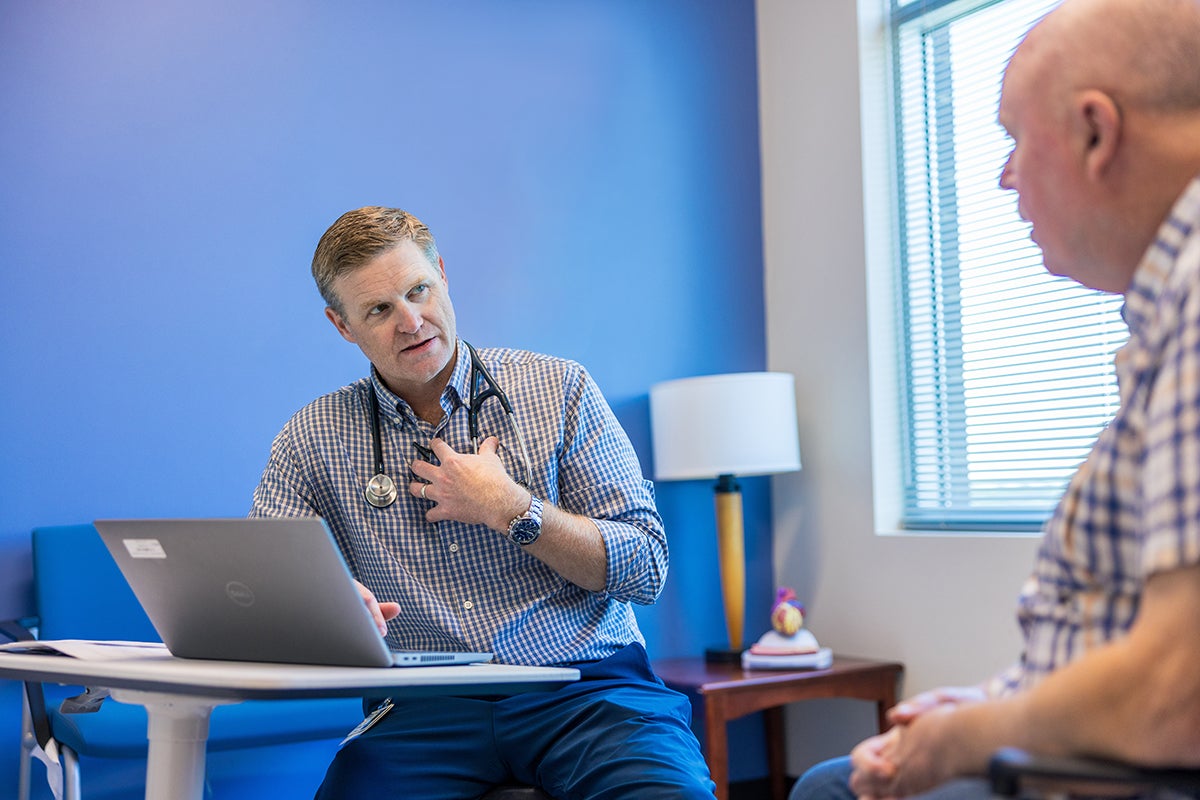
An accurate diagnosis helps your doctor personalize your care. To diagnose heart failure, your doctor may recommend testing, such as:
This procedure uses a combination of large magnets, radio waves, and a computer to make detailed images of organs and structures in your body. Your doctor may order an MRI of the heart to look at the heart valves and major vessels. It can also detect coronary artery disease and how much damage it has caused. It can also assess heart problems that have been present since birth. It can find tumors and other conditions. Your doctor may order this test before other procedures such as angioplasty or stenting of the coronary arteries and heart or vascular surgery.
It's used to check the heart's function and structures. During the procedure, a transducer (like a microphone) sends out sound waves at a frequency too high to be heard. When the transducer is placed on the chest at certain locations and angles, the sound waves move through the skin and other body tissues to the heart tissues. The waves bounce or "echo" off the heart structures. These sound waves are sent to a computer that can create moving images on the screen of the heart walls and valves.
This is a nuclear scan that helps your doctor understand the flow of blood through the coronary arteries to the heart muscle.
This is also called a treadmill or exercise ECG. This test is done to monitor the heart while you walk on a treadmill or pedal a stationary bike. Your doctor also monitors your breathing and blood pressure. A stress test may be used to detect coronary artery disease, or to determine safe levels of exercise after a heart attack or heart surgery. This test can also be done using special medicines that stress the heart in a similar manner as exercise does. Sometimes a stress test will collect ECG information along with heart ultrasound pictures. This is called an exercise or stress echocardiogram (echo). It's more sensitive and specific than ECG stress testing alone.
This test is similar to a transthoracic echocardiogram. But it's done with medicine to help you relax (sedation). It's considered invasive because a probe is put into your body. In this test, you will swallow a small probe about the size of your thumb. The probe passes down the esophagus, which lies directly behind the heart. It allows a much closer look at the heart's structure and function than a standard echocardiogram done on the skin of the chest. It can better look at heart valve structure and function. Your doctor can better see any blood clots that may be in the heart.
With leading technologies and advanced treatment options, Ascension Saint Thomas Heart delivers personalized care at every stage of heart failure, including:
BaroSTIM™ is an implantable device therapy for certain patients with heart failure who continue to have symptoms despite medication. It works by stimulating the body’s natural baroreflex to help rebalance the nervous system and reduce strain on the heart.

The device is placed under the skin near the collarbone and sends gentle electrical signals to improve heart function. This therapy may help reduce symptoms such as fatigue and shortness of breath, improve quality of life, and lower the risk of heart failure–related hospitalizations.

Your cardiologist will determine whether this treatment is a right option as part of your personalized care plan.
Biventricular failure is a condition in which both sides of the heart are weakened and unable to pump effectively. Our multidisciplinary team provides comprehensive evaluation and personalized care, using the latest medical therapies and advanced heart support technologies to improve heart function, relieve symptoms, and enhance quality of life.
ECMO is an advanced life support treatment used for patients with severe cardiac or respiratory failure. ECMO can be a life-saving option for patients with conditions such as severe pneumonia, ARDS, cardiogenic shock or after cardiac arrest.
ECMO cannulation and decannulation are the processes of placing and removing tubes into blood vessels to connect the patient to the ECMO machine. The machine temporarily takes over the function of the heart and or lungs, allowing time for healing or working as a bridge to further treatments such as heart surgery or transplantation. When the heart or lungs recover enough to function on their own, decannulation is performed to remove the ECMO support safely.
Your cardiologist may refer you for a heart transplant. If you are determined to be a candidate for transplantation, you will be placed on the national transplant waiting list. Waiting times vary and may range from a few months to several years. Factors that affect wait time include your body size, blood type, tissue type, medical urgency, and donor organ availability.
When a suitable donor heart becomes available, a specialized heart surgeon will remove your damaged heart and replace it with the healthy donor heart. This procedure restores the heart’s ability to pump blood effectively throughout the body.
From initial evaluation and donor matching to surgery and lifelong follow-up, we are committed to supporting you at every stage of your transplant journey.
A LVAD is a small mechanical pump that helps the heart circulate blood throughout the body. It supports the heart when it has become too weak to pump effectively on its own. Your doctor will recommend it when medications and other treatments are no longer enough to manage heart failure symptoms. The device helps improve blood flow, increase energy levels, and enhance overall quality of life.
An LVAD may be used in several ways:
By taking over much of the heart’s pumping work, an LVAD allows the body to receive the oxygen-rich blood it needs to function properly.
Your cardiologist may recommend medications to help manage your heart condition. Mediation may be used to lower blood pressure, prevent blood clots, lower cholesterol and more.
Our doctors participate in clinical trials for ventricular assist devices (VAD) and transplants. These research studies may help provide you with more advanced treatment options. To learn about our cardiovascular clinical trials, talk to our advanced heart failure doctors and cardiac transplant coordinator or call 615-222-5533.
Corcinch — HF
Clinical evaluation of the AccuCinch® ventricular restoration system in patients who present with symptomatic heart failure with reduced ejection fraction (HFrEF)

Get detailed information on what to expect before and after your procedure. Learn how to prepare and what to expect with recovery from your care team.
Ascension Saint Thomas Midtown and West hospitals were recognized by the 2025 U.S. News & World Report for providing high performing care for congestive heart failure.
Find a doctor by calling or scheduling an appointment online. Ask if a virtual visit is an option for your care. Need a second opinion appointment? Our team can help. Schedule a consultation today.
When you are facing a serious diagnosis like heart failure or deciding on a treatment plan, there is a lot to think about. If you are looking for a second opinion for advanced heart care, our cardiologists are ready to help. Your advanced heart care and surgery offerings may include heart transplant and mechanical circulatory support such as ventricular assist devices (VAD) to temporarily or permanently perform functions of the heart. Talk to your doctor about treatment options that are right for you.
Your patients can expect compassionate, personalized care from the moment our specialists connect with them. Our heart failure specialists start by listening to fully understand your patient’s needs and to develop an individualized care plan.
If you are experiencing a life-threatening emergency, go directly to the ER or call 911.
All registered marks are property of their respective owners. All rights reserved.