Cardio-oncology care

Ascension Saint Thomas provides advanced heart care before, during and after cancer treatment — helping protect your heart while  fighting cancer.

Cardio-oncology care in Middle Tennessee

Ascension Saint Thomas provides advanced heart care before, during and after cancer treatment — helping protect your heart while fighting cancer.

Why choose us

The cardio-oncology program at Ascension Saint Thomas Heart is a regional leader in Middle Tennessee, specializing in the prevention, early detection and treatment of heart conditions related to cancer therapy.

We care for patients before, during and after chemotherapy, immunotherapy and radiation treatment. Every visit begins with a thoughtful discussion of your cancer treatment plan, symptoms and goals.

Understand your cardiotoxicity

Some cancer treatments like chemotherapies, targeted therapies, immunotherapies and radiation may affect heart function. This is known as cardiotoxicity.

Cardiotoxicity can develop during treatment or even years later. Early detection is critical. With specialized heart monitoring and advanced imaging, we can identify changes early and intervene to protect your long-term heart health.

We work in direct collaboration with your referring oncologist to coordinate imaging, medications and follow-up care. Our goal is to protect your heart health while helping your cancer therapy continue safely whenever possible.

Symptoms of cardiotoxicity

Common symptoms may include:

  • Chest pain
  • Dizziness or lightheadedness
  • Fluid retention
  • Heart palpitations
  • Shortness of breath
  • Swelling in the legs or abdomen
  • Unusual fatigue

How we diagnose cardiotoxicity

To help prevent or reduce your risk of cardiotoxicity, your cardiologist may recommend advanced screenings. Our imaging protocols are specifically tailored for oncology patients and are designed to detect heart changes as early as possible.

A blood test is a lab analysis of things that may be found in your blood. You may have blood tests to keep track of how well you are managing a condition, such as diabetes or high cholesterol. You may also have them for routine checkups or when you are ill.

This imaging procedure uses an X-ray machine and a computer to create 3-D pictures of the heart. Sometimes a dye is injected into a vein so that your heart arteries can also be seen. Sometimes medicine is given to lower your heart rate so it captures a better image. It can also be used to find out how much calcium is in your heart arteries. Calcium is a marker for coronary artery disease.

This procedure uses a combination of large magnets, radio waves, and a computer to make detailed images of organs and structures in your body. Your doctor may order an MRI of the heart to look at the heart valves and major vessels. It can also detect coronary artery disease and how much damage it has caused. It can also assess heart problems that have been present since birth. It can find tumors and other conditions. Your doctor may order this test before other procedures such as angioplasty or stenting of the coronary arteries and heart or vascular surgery.

It's used to check the heart's function and structures. During the procedure, a transducer (like a microphone) sends out sound waves at a frequency too high to be heard. When the transducer is placed on the chest at certain locations and angles, the sound waves move through the skin and other body tissues to the heart tissues. The waves bounce or "echo" off the heart structures. These sound waves are sent to a computer that can create moving images on the screen of the heart walls and valves.

This test records the electrical activity of the heart, shows abnormal rhythms (arrhythmias), and can sometimes detect heart muscle damage.

Advanced cancer care for your heart

If cardiotoxicity is diagnosed, we create a personalized treatment plan focused on protecting your heart function while supporting your oncology treatment plan.

Conditions we manage include:

  • Heart failure
  • Arrhythmias (irregular heartbeat)
  • Blood clots
  • High blood pressure
  • Myocardial ischemia (reduced blood flow to the heart)
  • Myocarditis (inflammation of the heart muscle)
  • Structural heart disease related to cancer therapy

We remain in close communication with your oncology team to coordinate care and support continuity of treatment.

How to get care

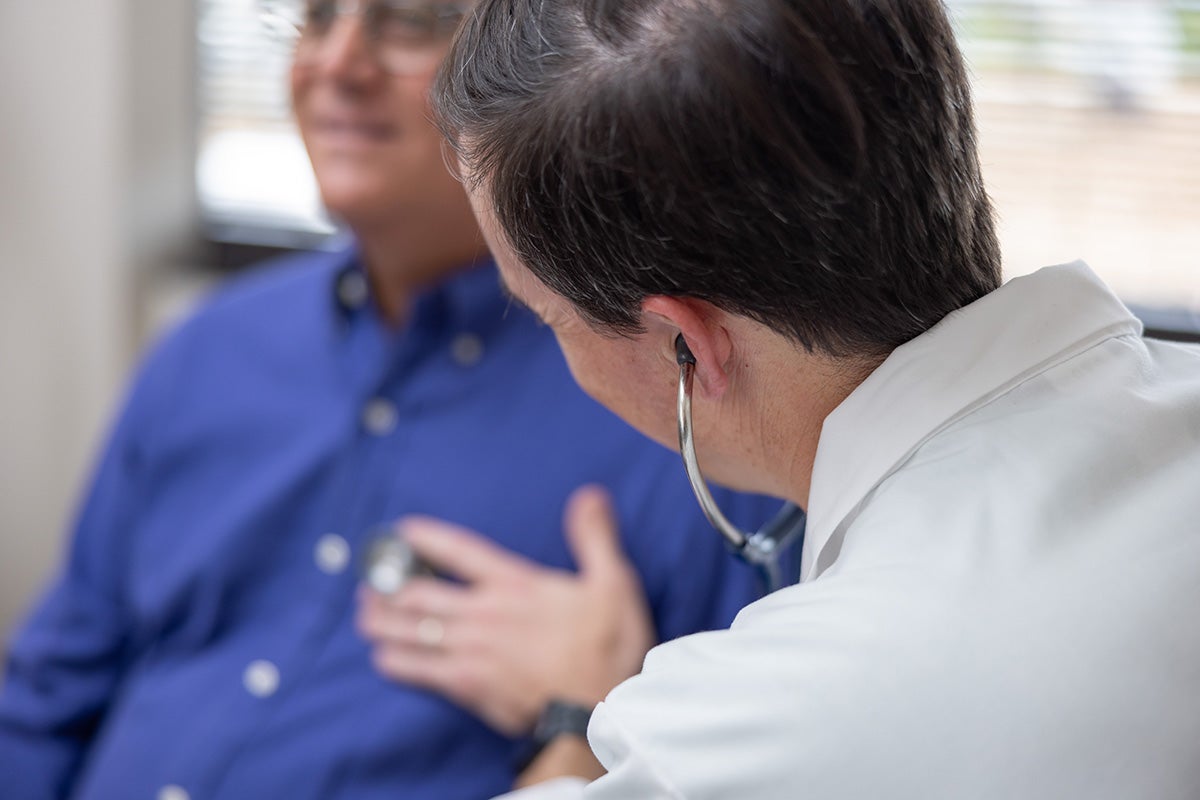
stethoscope

If you are undergoing cancer treatment, ask your oncologist about a referral to our cardio-oncology program. We welcome patients across Middle Tennessee and provide clinic access at Ascension Saint Thomas West, Midtown and Rutherford.

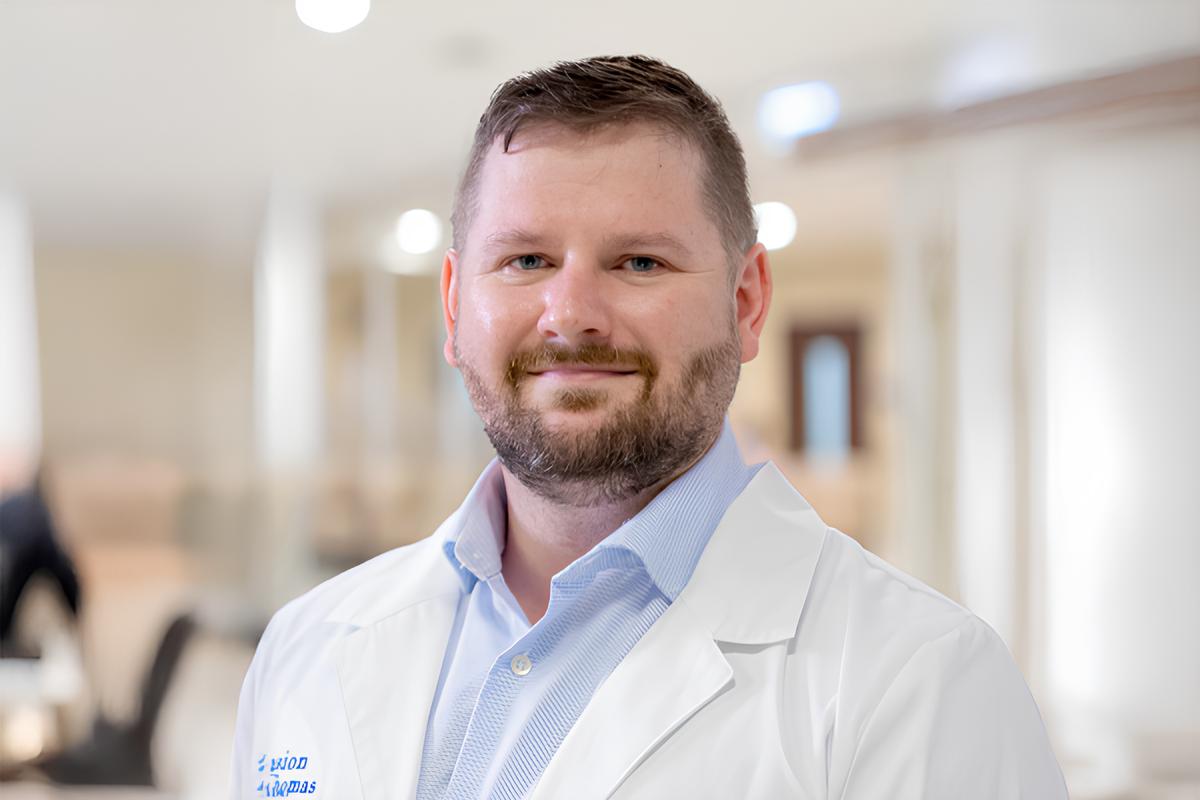
Dr. S. Ryan Raissi sees patients at Ascension Saint Thomas West, Midtown and Rutherford. Clinic visits alternate every other week between Saint Thomas West and Saint Thomas Midtown to provide convenient access for patients across the region.

Meet our cardio-oncology team

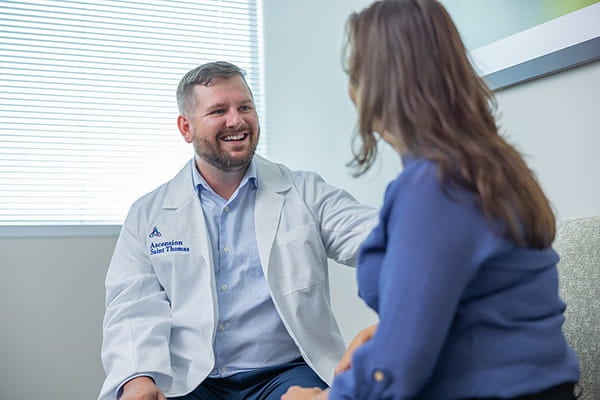
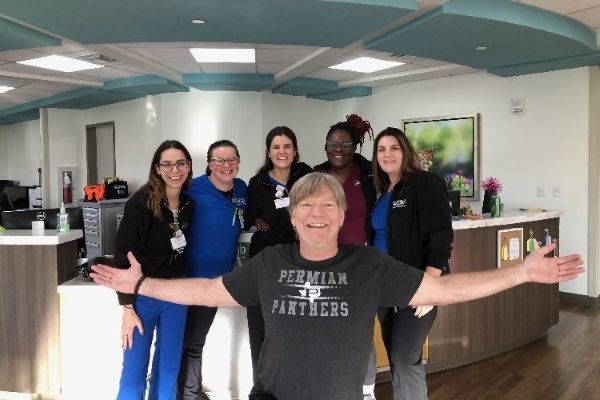
At our Ascension Saint Thomas West and Midtown cardio-oncology clinics, Dr. Raissi is supported by a dedicated cardio-oncology team, including Fatin Qazait, NP; Mary Martin, RN; and Jasmine Velasquez, lead medical assistant. This specialized team works directly with referring oncologists to provide coordinated, comprehensive cardiovascular care for cancer patients throughout treatment.

Get a second opinion

If you are facing a new diagnosis or making decisions about heart care during cancer treatment, a second opinion can provide reassurance and clarity.

Our cardio-oncology specialist can review your medical records and imaging studies and offer personalized recommendations. As part of Ascension’s national heart care network, we can also connect you with additional specialists when appropriate.

CALL — 615-284-2025

Refer your patient to Ascension Saint Thomas Heart

Our cardio-oncology program serves as a regional referral center for Middle Tennessee. We collaborate directly with referring oncologists to protect heart health and help patients continue cancer therapy safely whenever possible.
To refer a patient, please call 615-284-2025.
If you are experiencing a life-threatening emergency, go directly to the ER or call 911.

All registered marks are property of their respective owners. All rights reserved.

Stories you'll love

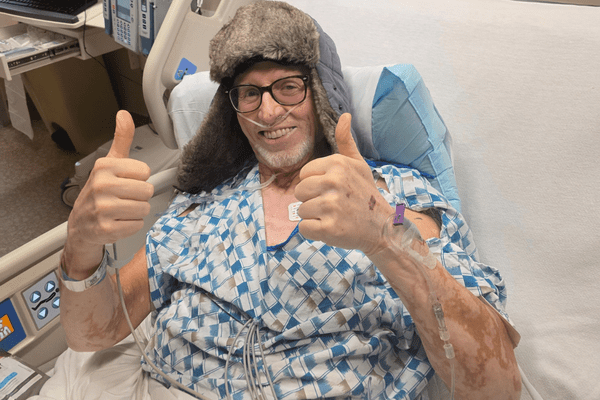
Roy Zacharias gives two thumbs up while recovering in his hospital bed after surgery.

Esophageal cancer care for Tennessee man

April 24, 2026

Middle Tennessee resident Roy Zacharias found life-saving care for Stage 3 esophageal cancer from Dr. John Lazar at Ascension Saint Thomas West in Nashville.

Read more stories