Abnormal Pap smear: What happens next?
October 22, 2026
An abnormal Pap smear doesn’t always mean something is “wrong.” Learn about follow-up testing and when to see a gynecologic oncologist.

Ascension Saint Thomas provides advanced care for colon and rectal cancers
When you choose cancer centers and gastrointestinal (GI) clinics at Ascension Saint Thomas in Nashville and Murfreesboro, Tennessee, you get a team of experienced and compassionate doctors who specialize in the diagnosis and treatment of colon cancer and other gastrointestinal cancers.
Our care teams share best practices and the latest in cancer treatment and research – bringing the best of cancer care to you. Every appointment with your oncologist or gastroenterology care team starts with a conversation that focuses on you. Your doctor answers your questions and gets to know you. So, you get a personalized cancer care plan. And with a plan, comes hope. We’ll help you navigate your care and will be by your side every step of the way, connecting the dots. Our goal is to help you get back to your daily life sooner.
Not counting skin cancer, colorectal cancer is the fourth-most common cancer in men and women. Early and accurate screening and diagnoses are important. Getting regular colon screenings may help find cancer early and often means more treatment options. From colonoscopy and the removal of precancerous polyps to colon surgery, targeted radiation treatment and chemotherapy, our cancer care team provides treatment options for both early and later-stage cancer diagnoses.
Your doctor and care team work together with you on a care plan. First, you’ll meet with a colorectal specialist and care team to discuss your diagnosis and care options. Your surgical specialist will answer your questions, paying attention to your physical and emotional needs and those of your caregivers, including what you can eat and daily activities. In addition to your gastroenterologist and surgeon, your care team may include a medical oncologist, radiation oncologist, radiation therapist, oncology-certified nurses, dietitian, social worker, chaplain and supportive palliative care specialist. And your entire care team stays connected to discuss your treatment and progress. As your care needs change, we’re ready to support you.
At Ascension Saint Thomas, we have gastrointestinal cancer care teams with hepatobiliary specialists and interventional oncologists specializing in diagnosing and treating gallbladder cancer, liver cancer, bile duct cancer, pancreatic cancer and stomach cancer, also called gastric cancer. Our surgical, radiation and medical oncology care teams deliver advanced treatments to help manage cancer symptoms so you can enjoy the activities you love to do. Your care plan for GI cancer may include:
If your care plan includes surgery or bowel reconstruction, surgeons at Ascension Saint Thomas use the latest surgical techniques to help improve your recovery and your quality of life. Your care team may also refer to enhanced recovery pathways as part of your surgical care plan. They are an important part of our cancer treatment programs. Each pathway is personalized for different types of cancer treatments to help speed up your recovery after surgery. Throughout your care, your care team uses these protocols to help you prepare for what to expect before, during and after surgery.
Across our national network, we also provide local ablation treatments, radiation therapy and medication therapies (chemotherapy and immunotherapy) for many types of cancer, delivered by highly trained specialists. If you want to learn more about other possible options, talk to your doctor. You may want to ask whether cancer clinical trials are an option for your care.
We treat many types of colorectal cancer, including:
Your care team will help you schedule appointments, connect you with other services and answer your questions. When you have a concern or feel unsure, don’t hesitate to talk with your cancer care navigator and ask questions.
Ask about virtual care (telehealth or online) appointments for your first consultation and as part of your ongoing care. You can have these virtual visits from the comfort of your home. You'll be able to talk with your doctor one-on-one via video from your phone or computer and get the care that's right for you.
Getting regular colon screening may help find cancer early, when it’s most treatable. Early detection may allow for more options for treatment, too. Talk with your doctor about a screening colonoscopy or at-home colorectal tests that are right for you based on your age, family history, smoking history and other risk factors.
If you’ve been previously diagnosed with cancer or are in remission, screenings may be an ongoing part of your cancer care. Talk with your doctor about the right timing for ongoing screenings. If you need help finding a primary care provider, start here.
If you want to learn more about other cancer care options, talk to your doctor. You may want to ask whether cancer clinical trials are the right option for you.
Genetic tests can help you and your doctor better understand your risk for certain types of cancer. Ask your doctor about genetic testing and counseling to better understand your risk for developing cancer. If you have been diagnosed with cancer, your doctor may recommend genetic pathology tests to help identify genetic changes in cancer cells and tumor growth.
Advanced radiation therapy is used to target and destroy cancer cells while avoiding the surrounding healthy tissue.
Your cancer care team provides support from nutrition education and counseling to cancer support groups and spiritual care. And, at Ascension Saint Thomas Cancer Care sites of care, our healing gardens and chapels are always open to patients and your loved ones. We offer supportive care and activities for the whole you.
Get the confidence and peace of mind that your doctor and care plan are right for you. It's easy to get a second opinion at Ascension Saint Thomas. We can review your medical records and healthcare history to answer your questions and discuss options. Talk with one of our doctors about a personalized care plan.
When you are facing a new cancer diagnosis or are deciding on a surgical or therapeutic treatment plan, there’s a lot to think about. Our cancer specialists can provide a second opinion, based on our experience and as part of a national team.
Before your appointment, check with your insurance company to find out if a second opinion is covered. We can request your medical records on your behalf, so they can be shared with your care team before your arrival.
Ascension Saint Thomas Medical Partners Rutherford Gastroenterology
2755 New Salem Rd #200
Murfreesboro, TN 37128
Ascension Saint Thomas Medical Partners Nashville Specialty Center
300 20th Avenue North #301
Nashville, TN 37203
Ascension Saint Thomas Medical Partners West Specialty Center
4230 Harding Pike #530
Nashville, TN 37205
If you are experiencing a life-threatening emergency, go directly to the ER or call 911.
All registered marks are property of their respective owners. All rights reserved.
October 22, 2026
An abnormal Pap smear doesn’t always mean something is “wrong.” Learn about follow-up testing and when to see a gynecologic oncologist.
October 19, 2026
After diagnosis in Nashville, a local mother beat stage 3 breast cancer through collaborative care with Dr. Limberg at Ascension Saint Thomas and Dr. Mitchell at Tennessee Oncology.
October 14, 2026
Longtime Nashville nurse Amanda successfully beat stage 4 abdominal cancer after undergoing emergency surgery and treatment at Ascension Saint Thomas Midtown last fall.
October 5, 2026
Reagan Phillips beat aggressive breast cancer with care from Dr. John Zubkus at Ascension Saint Thomas Rutherford in Murfreesboro before starting her emergency medicine residency in August 2026.
September 30, 2026
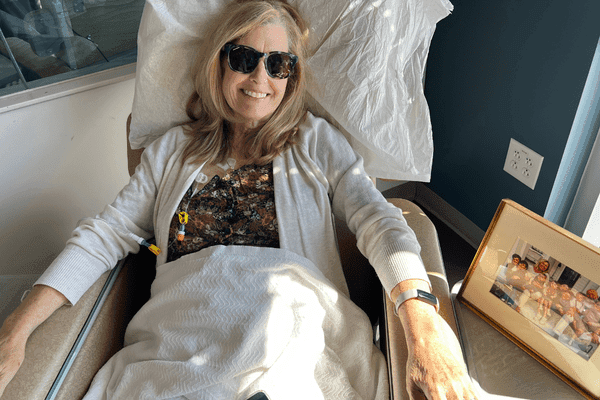
After being diagnosed with advanced-stage ovarian cancer, Laura overcame the disease with care from Dr. Mali Schneiter at Ascension Saint Thomas Midtown in Nashville, Tennessee.
September 29, 2026
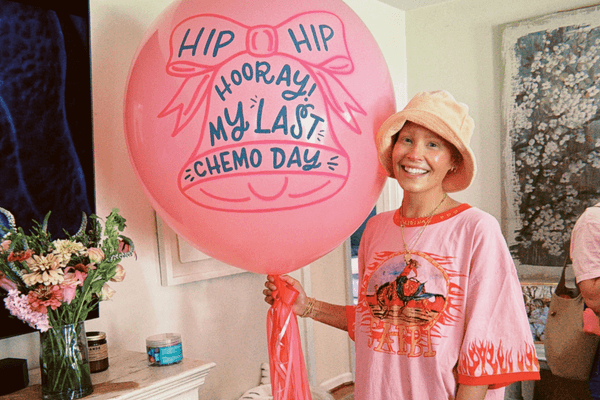
At 33, Nashville mom Macy Page found a breast lump while breastfeeding and was diagnosed at Ascension Saint Thomas with BRCA1-linked Stage 3 triple-negative breast cancer.
September 16, 2026
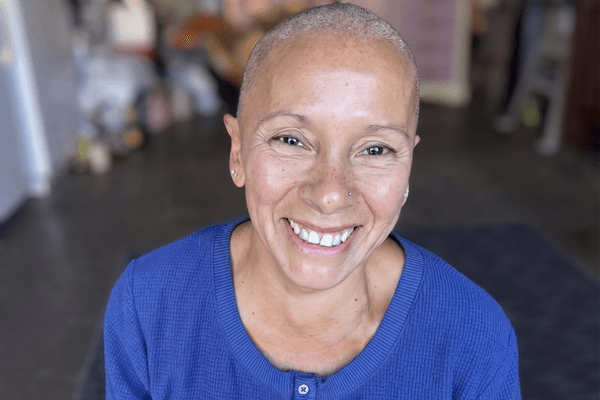
Dolores Campbell overcame stage 3 ovarian cancer after receiving swift, life-saving surgery and chemotherapy from Mali Schneiter, DO, at Ascension Saint Thomas Midtown in Nashville.

August 5, 2026
After years of struggling, Rutherford resident Larina lost over 200 pounds following bariatric surgery with Dr. Stephen Rich at Ascension Saint Thomas Rutherford.
July 22, 2026
To fulfill an Ascension Living Alexian Village Tennessee resident’s dying wish, activities coordinator Amber Beam brought the New York Metropolitan Opera to Chattanooga, Tennessee.

Songwriter David Schmelhaus found life-saving care and spiritual strength during his battle with acute leukemia at Ascension Saint Thomas Midtown in Nashville, Tenn.
April 24, 2026
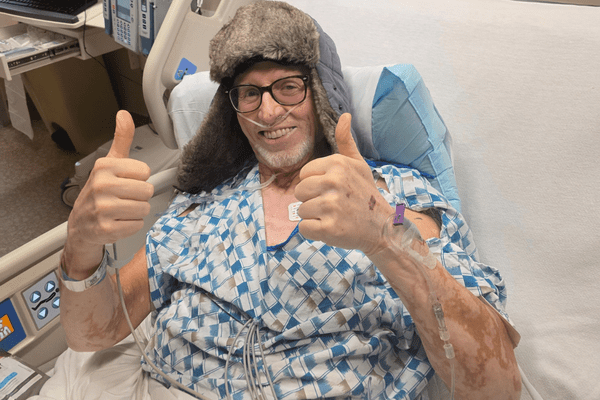
Middle Tennessee resident Roy Zacharias found life-saving care for Stage 3 esophageal cancer from Dr. John Lazar at Ascension Saint Thomas West in Nashville.

January 28, 2026
At just 26 years old, a Nashville mother receives specialty heart care for women at Ascension Saint Thomas Heart Women’s Center during her second pregnancy.

January 28, 2026
After two decades of seeking care for her heart symptoms, a referral to the Women's Heart Center at Ascension Saint Thomas Heart in Nashville, TN, gives a great-grandmother more time to enjoy her growing family.
January 26, 2026
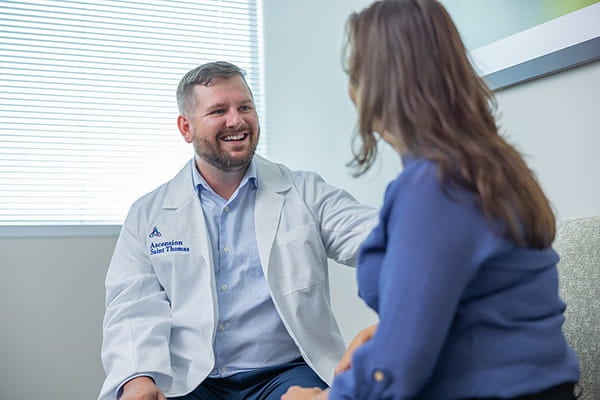
Dr. Robert Rampp, general and endocrine surgeon at Ascension Saint Thomas Rutherford, helped a Murfreesboro native detect thyroid cancer and saved his life.
December 31, 2025
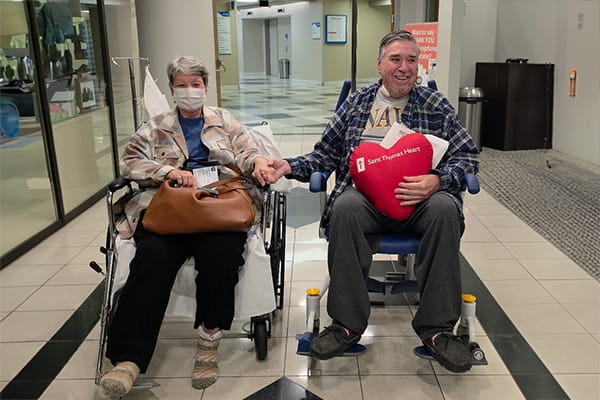
A Lascassas, Tenn., couple received a heart bypass and kidney transplant at Ascension Saint Thomas Hospital West on the same day, then recovered and went home together.

December 11, 2025
After years of struggling with her weight, Stephanie turned to Ascension Saint Thomas Rutherford in Murfreesboro for bariatric surgery that changed her life.
December 5, 2025
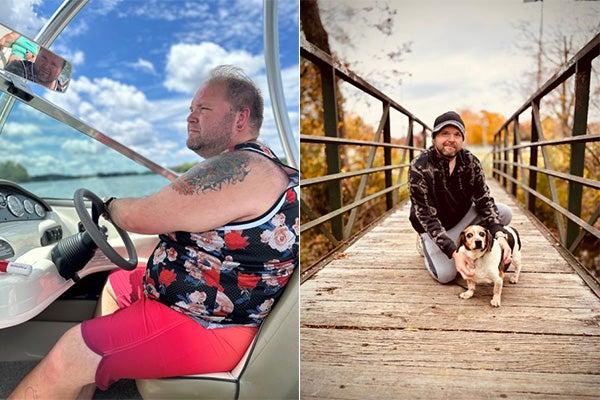
In 2024, Dr. Stephen Rich, helps a patient with his bariatric journey at the Ascension Saint Thomas Bariatric Center.
November 17, 2025
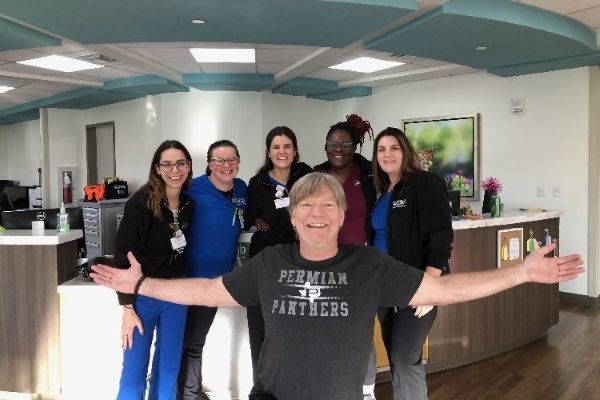
A routine lung scan at Ascension Saint Thomas in Nashville revealed a hidden tumor in 63-year-old Greg Hall, leading to life-saving treatment and recovery.
October 31, 2025
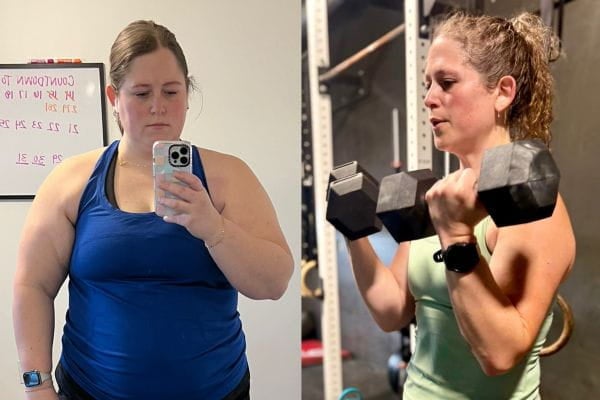
After undergoing bariatric surgery at Ascension Saint Thomas Rutherford, Ellen regained the energy to fully enjoy life again.
October 24, 2025
Using advanced ION robotic technology, the care team at Ascension Saint Thomas Rutherford helped a Murfreesboro resident detect and treat lung cancer early.

In June 2016, Mt. Juliet, Tennessee resident Sharon Nowlin began her fight against ovarian cancer with Ascension Saint Thomas and Tennessee Oncology doctors Johnetta Blakley and Alpa Nick in Middle Tennessee.

Now 27, Morgan reflects on her journey with breast cancer and the care she received at the Ascension Saint Thomas Women’s Comprehensive Cancer Center in Nashville, Tennessee.

September 17, 2025
With the help of the Ascension Saint Thomas Joint Replacement Institute, a Nashville woman overcame joint pain and is now thriving on the set of ABC’s 9-1-1 Nashville.

July 8, 2025
Dr. Mark Manwaring, colon and rectal surgeon at Ascension Saint Thomas Rutherford in Murfreesboro, Tennessee helps a patient find answers to symptoms that suggest Crohn’s disease.

If incidents occur this Fourth of July, knowing where and when to get immediate and emergency care is important.

June 23, 2025
Ascension urgent care and orthopedic teams are here to help you manage your summer injury.
After being diagnosed with prostate cancer in early 2023, a Nashville resident turned to Ascension Saint Thomas West, where expert urologists Dr. Adnan Dervishi and Dr. Mark Sittig provided advanced prostate cancer care.

Over a decade later, Saint Thomas is relaunching the Nothing Shall Be Impossible campaign rooted in faith, driven by medical excellence, and growing to meet the needs of tomorrow.
Ascension Saint Thomas West Hospital in Nashville, TN, quickly responds to patients experiencing strokes and provides neurology and rehabilitation care to help with recovery.
In January 2024, longtime CNA discovered she had an ischemic stroke, and Dr. Lani Thomas performed a life-saving thrombectomy at Ascension Saint Thomas Rutherford in Murfreesboro, TN.

Dr. Bobby Rampp, general surgeon at Ascension Saint Thomas Rutherford, performed robotic bilateral hernia surgery to relieve a former Foundation board member’s severe abdominal symptoms.
A Nashville woman shares her story of overcoming rectal cancer with early detection and support from Ascension Saint Thomas for Colon Cancer Awareness Month.
February 7, 2025
Dr. Robert Rampp, an endocrine surgeon with Ascension Saint Thomas Rutherford in Murfreesboro, Tennessee, helped treat a mother of three who found a thyroid nodule during a routine MRI.
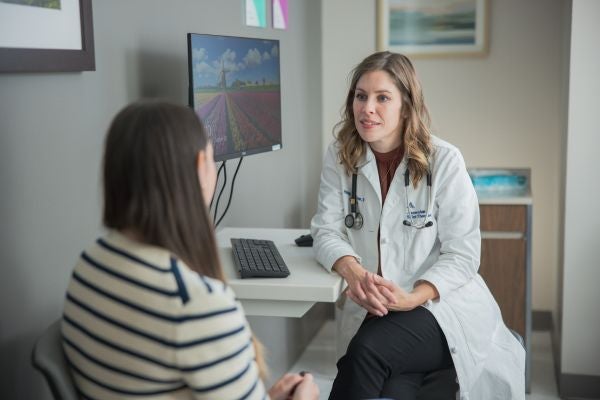
Dr. Hannah Fish-Trotter, a cardiologist at Ascension Saint Thomas Heart, helped treat a mother of two with a diagnosis and treatment of a heart defect found after pregnancy.
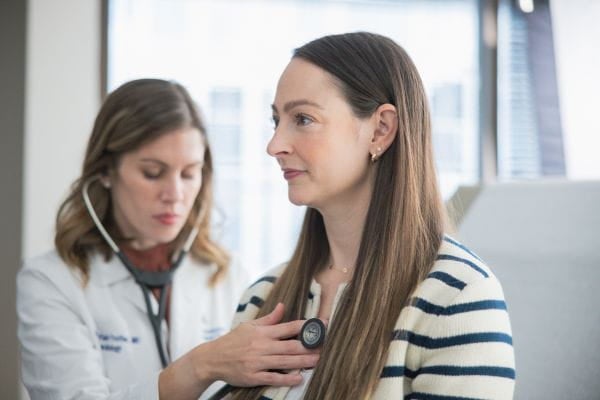
Ascension Saint Thomas Heart is launching the Women's Program to transform cardiovascular care for women through prevention, early detection and a multi-disciplinary approach in Middle Tennessee.
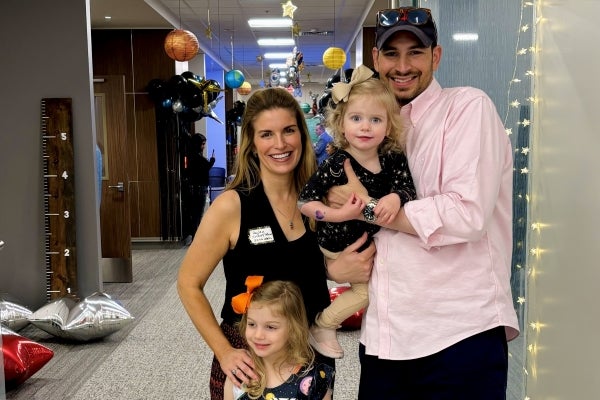
Hayley Wielgus had a premature birth at Ascension Saint Thomas, where support from the care team helped her daughter thrive after a four-week NICU stay.
November 8, 2024
Thoracic surgeon Dr. John Lazar at Ascension Saint Thomas in Nashville, Tennessee treated a patient’s severe airway condition with a robotic-assisted tracheobronchoplasty.

October 14, 2024
John McEuen, a founding member of the Nitty Gritty Dirt Bands is celebrating his life, thanks to the expert cardiac care he received at Ascension Saint Thomas Hospital West in Nashville.
September 26, 2024
Dr. Jason Barnett, a gynecologic oncologist at Tennessee Oncology, helped treat a mother of two with a diagnosis of ovarian cancer that had spread to other parts of her body while receiving care at Ascension Saint Thomas Midtown.
John Spooner, MD, neurosurgeon at Howell Allen Clinic with Ascension Saint Thomas in Nashville, TN, helps a grandmother with a large brain aneurysm get back to creating art.
Lung cancer teams at Ascension Saint Thomas Hospital West in Nashville, TN, perform Ion robotic bronchoscopy and resection for the first time in hospital history.
Mark A. Zenker, MD, cardiologist at Ascension Saint Thomas Heart's Hypertrophic Cardiomyopathy Clinic, research with CAMZYOS helps grandmother feel better.

Ascension Saint Thomas Hospital West Kidney Transplant Center helps Nashville mom get a second chance with a hepatitis C kidney transplant.

Brooke got a second chance with a kidney transplant at Ascension Saint Thomas Hospital West Kidney Transplant Center in Nashville, TN.
September 26, 2023
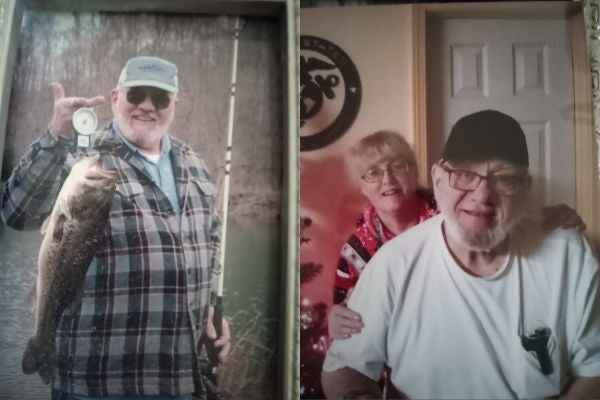
Cardiologist Dr. Ricardo Lugo becomes Tennessee's first cardiologist to insert the Micra™ VR2 wireless pacemaker in a patient.
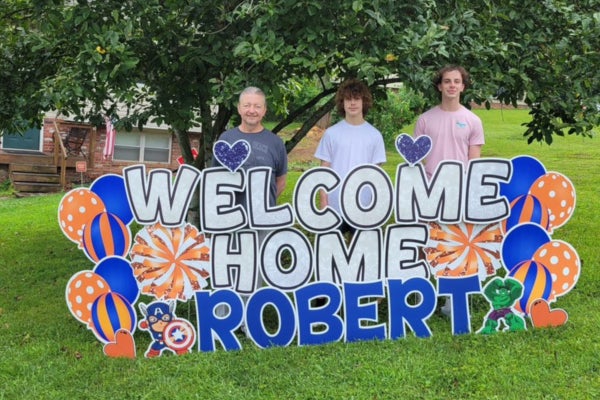
Knoxville man urgently receives a new heart and a second chance at life at Ascension Saint Thomas Heart in Nashville, TN.

Murfreesboro man gets emergency heart care when going into cardiac arrest during a prostate cancer removal at Ascension Saint Thomas Rutherford.
April 5, 2023
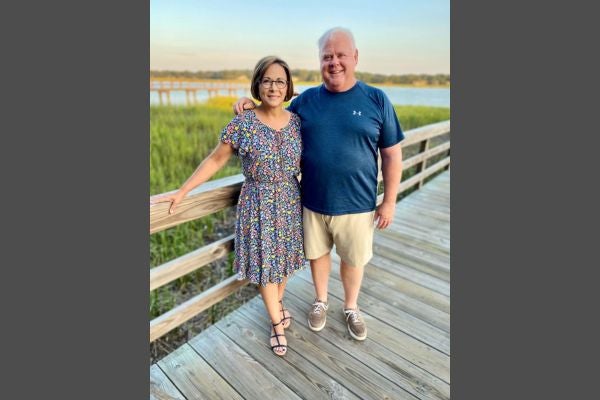
A Nashville couple turns to Ascension Saint Thomas Kidney Transplant Center for a kidney transplant, where a patient receives his wife's kidney.