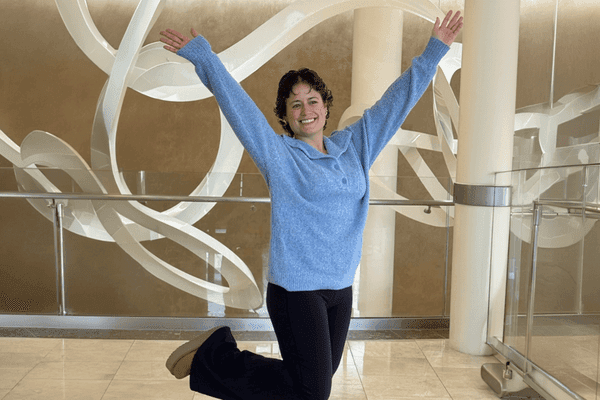
Triple-negative breast cancer at 22
July 29, 2026
In February 2025, 22-year-old Shelby Bennoit became cancer-free after treatment for stage 2B triple-negative breast cancer at Ascension Saint Agnes in Baltimore.
Whether you need emergency care or want to talk with a doctor online or in-person — you’ll find the care you need close to home in Baltimore, Maryland.

Whether you need emergency care or want to talk with a doctor online or in-person — you’ll find the care you need close to home in Baltimore, Maryland.
When you need care now, knowing where to go matters. At Ascension Saint Agnes in Baltimore, MD, you can find 24/7 emergency room care or schedule a primary care doctor visit.
Our care teams help you choose the right level of care based on your symptoms, with convenient locations and online options available.
If you are experiencing a life-threatening emergency, call 911 or go directly to the ER.
The symptoms of an aneurysm may look like other health conditions or problems. Some aneurysms can cause pain in the abdomen, chest, lower back or groin. Severe abdominal or back pain may mean the aneurysm is about to rupture. You may also experience a pulsing feeling, like a heartbeat, in the abdomen, severe headache, nausea, vomiting, visual disturbance or loss of consciousness.
A pulmonary embolism (PE) is a blood clot that develops in a blood vessel in the body (often in the leg). It then travels to a lung artery, where it suddenly blocks blood flow.
Common symptoms include:
A stroke can result if the narrowing of the carotid arteries is severe enough that blood flow is blocked. It can block blood flow to the brain if a piece of plaque breaks off.
It’s important to remember the signs of a stroke with the acronym “B.E. F.A.S.T.”
Getting the right care at the right time can make a difference in an emergency. When you need immediate medical attention, our emergency rooms are open 24/7. Doctors, nurses and care teams in our ERs work quickly to understand your condition and deliver the care that’s right for you and your family.
When you or a loved one have symptoms of a stroke, every second counts. Our ER is a designated Primary Stroke Center by the Joint Commission — meaning we deliver 24/7 advanced stroke care. And, we connect you with specialists for follow-up care and rehabilitation.
Call 911 or go to the nearest ER if you or a family member experience:
For routine care and ongoing health needs, your primary care team is the best place to start. You can go online to schedule or call to ask about same-day and next-day or online visits.
Primary care doctors start with a conversation to understand your symptoms and provide treatment for minor illnesses and injuries. If you need more advanced care, they connect you with specialists and other services close to home.
Talk with your primary care doctor about:
Get the care you need — wherever you are. Connect by video with a doctor for primary care needs, follow-ups, everyday illnesses and unexpected concerns. Virtual care makes it easy to get answers, treatment and next steps without leaving home.
Care that fits your needs
From ongoing primary care to quick treatment for minor illnesses and injuries, virtual visits make it easier to get care when and where you need it.
Call 410-881-8239 to find out if virtual care is available for you.
When you choose Ascension Saint Agnes, you have an entire team dedicated to your care. If you need more care, we will connect you to experienced cardiologists, heart surgeons, neurologists, orthopedic specialists, oncology specialists, and more for the right follow-up care. Your care team also helps you manage your medications and sends prescriptions to Ascension Rx or your preferred pharmacy. And you will be connected to imaging and lab services, close to home.
If you are experiencing a life-threatening emergency, go directly to the ER or dial 911. Signs or symptoms of an acute emergency may include shortness of breath, chest pain, open fracture, fainting, severe bleeding, head injury or other major trauma, one-sided weakness or numbness, loss of consciousness or fainting, severe abdominal pain, or bites or stings.
July 29, 2026
In February 2025, 22-year-old Shelby Bennoit became cancer-free after treatment for stage 2B triple-negative breast cancer at Ascension Saint Agnes in Baltimore.
July 24, 2026
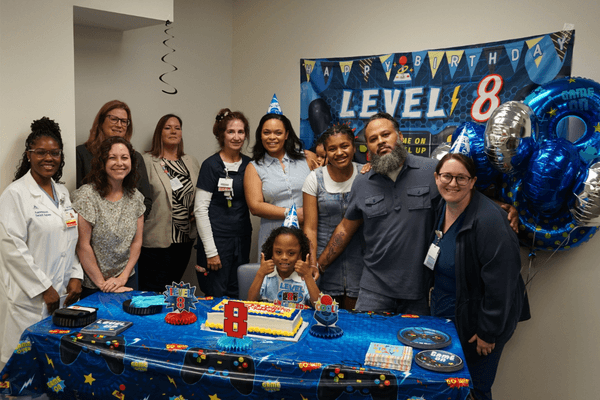
A former 24-week preemie returned to Ascension Saint Agnes Hospital in Baltimore to celebrate his eighth birthday and reunite with the NICU team that saved his life.
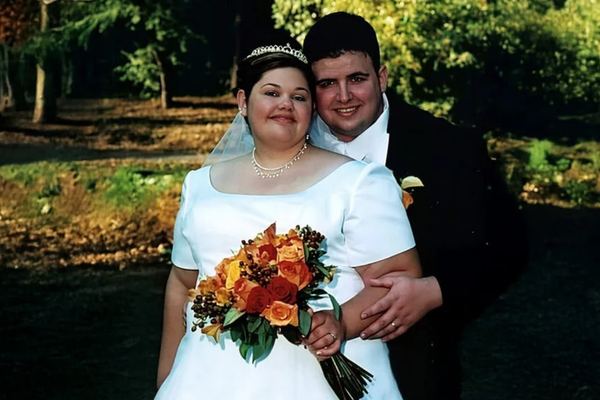
A Maryland couple decides to make a new commitment in their marriage by getting bariatric surgery at Ascension Saint Agnes Weight-Loss Program in Baltimore, Maryland.

If incidents occur this Fourth of July, knowing where and when to get immediate and emergency care is important.
June 23, 2025
Ascension urgent care and orthopedic teams are here to help you manage your summer injury.