
Triple-negative breast cancer at 22
July 29, 2026
In February 2025, 22-year-old Shelby Bennoit became cancer-free after treatment for stage 2B triple-negative breast cancer at Ascension Saint Agnes in Baltimore.

Surgical oncology specialists at Ascension Saint Agnes provide personalized cancer care using advanced surgical techniques
When you choose surgical oncology care at Ascension Saint Agnes, you’re supported by a compassionate care team that’s part of a national network of cancer specialists. Our experienced surgeons diagnose, stage and treat cancer using advanced surgical techniques guided by collaboration, clinical expertise and a personalized approach to care.
Every visit begins with a conversation. Your surgeon takes the time to listen to you, answer your questions, and understand what matters most to you. Together, your cancer team develops a care plan designed around your diagnosis, your goals and your overall health. We’re here to help you feel informed, supported and confident in your care.
Our goal is to help you navigate your treatment with clarity and support, while focusing on recovery and quality of life.
Surgery can be an important part of cancer treatment and may be used alone or combined with other therapies like chemotherapy, radiation therapy, immunotherapy or reconstructive surgery. At Saint Agnes, your surgical oncology care plan is tailored to your specific diagnosis and coordinated closely with your broader cancer care team.
Our surgical oncologists use the latest techniques and image-guided technology to help remove tumors with precision while preserving healthy tissue whenever possible. If needed, we offer minimally invasive and robotic-assisted procedures that may support shorter hospital stays and recovery times.
When surgery is recommended, your surgeon will guide you through what to expect before, during and after your procedure, and your care team will be there to support your recovery.
Our surgical oncologists treat a wide range of cancers, including:
Your care team works closely with medical and radiation oncologists to create a surgical treatment plan that’s personalized for your needs and overall care.
Ascension Saint Agnes offers a broad range of cancer services, including complex pancreatic and hepatobiliary surgery.
General surgical oncology procedures:Your care team focuses on identifying if the tumor is noninvasive or invasive and to understand where the tumor began and whether or not the cancer has spread. We use advanced molecular studies to recognize cancer subtypes to create a care plan for your type of cancer.
To diagnose cancer, your doctor may recommend testing, such as:
Cancer is personal — and so is the way we care for you. Your doctor will recommend a treatment plan based on your diagnosis, health and other factors.
Our multidisciplinary team offers many different treatment options, including:
A distal pancreatectomy may be an option if cancer is in the body or tail of the pancreas. During surgery, your surgeon removes the part of the pancreas that contains the cancer. The spleen may also be removed, if needed. This surgery may be performed using a traditional open incision or minimally invasive technique with smaller incisions.
A Whipple operation is a surgery to remove the part of the pancreas where cancer is most often found, along with nearby organs and tissues. The procedure helps remove cancer while preserving digestive function when possible.
During a partial hepatectomy, your surgeon removes the part of the liver that contains the tumor. This surgery may be recommended when the tumor can be safely removed and the remaining liver is healthy enough to function well.
A partial hepatectomy may not be an option if a tumor is too large, cancer is in several areas of the liver, the tumor has grown into a major blood vessel, cancer has spread to other parts of the body or the remaining liver is not healthy enough.
At Ascension Saint Agnes, your care extends beyond surgery. You’ll have face-to-face visits with your specialist and support from a multidisciplinary team focused on your treatment, recovery,and well-being.
Your surgical oncologist works closely with medical oncologists, radiation oncologists, nurses, and your cancer care team to support you with coordinated, personalized care from diagnosis through recovery.
When you choose Ascension Saint Agnes, you can expect:
Your care team will also help coordinate supportive services, including:
Your cancer care team provides support from nutrition education and counseling to cancer support groups, yoga and spiritual care. At Ascension Saint Agnes sites of care, our healing gardens and chapels are always open to patients and your loved ones. We offer supportive care and activities for the whole you.
A second opinion can help you feel confident in your diagnosis and treatment options. At Ascension Saint Agnes, our cancer specialists offer second opinions as part of an integrated national network of care.
We will review your medical records, imaging, and health history to discuss your options and answer your questions. Whether you’re newly diagnosed or considering surgery, our team is here to support informed decision-making.
Before your visit, we recommend checking with your insurance provider to confirm coverage for a second opinion. If needed, our team can help request medical records from your current provider so they’re available before your appointment.
When you refer a patient to Ascension Saint Agnes, they can expect compassionate, personalized care from the first point of contact. Our specialists take time to listen, understand each patient’s needs and develop an individualized surgical care plan in coordination with their care team.
Providers: To refer a patient, call - 443-574-8500
We understand that managing cancer care can create financial concerns for patients and families. Ascension Saint Agnes offers financial counseling and can help connect you with resources and programs that may provide assistance.
Our financial counselors are available to listen, answer questions and help explore options that may be available to you.
Free parking is available on site.
If you are experiencing a life-threatening emergency, go directly to the ER or call 911.
All registered marks are property of their respective owners. All rights reserved.
July 29, 2026
In February 2025, 22-year-old Shelby Bennoit became cancer-free after treatment for stage 2B triple-negative breast cancer at Ascension Saint Agnes in Baltimore.
July 24, 2026
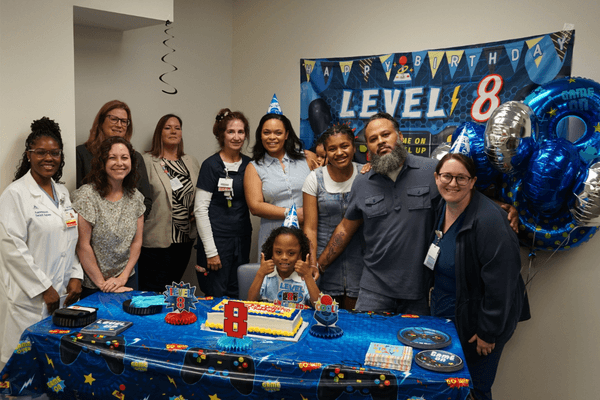
A former 24-week preemie returned to Ascension Saint Agnes Hospital in Baltimore to celebrate his eighth birthday and reunite with the NICU team that saved his life.
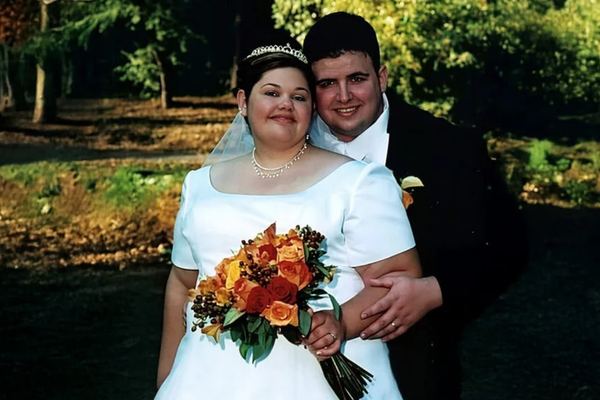
A Maryland couple decides to make a new commitment in their marriage by getting bariatric surgery at Ascension Saint Agnes Weight-Loss Program in Baltimore, Maryland.

If incidents occur this Fourth of July, knowing where and when to get immediate and emergency care is important.

June 23, 2025
Ascension urgent care and orthopedic teams are here to help you manage your summer injury.