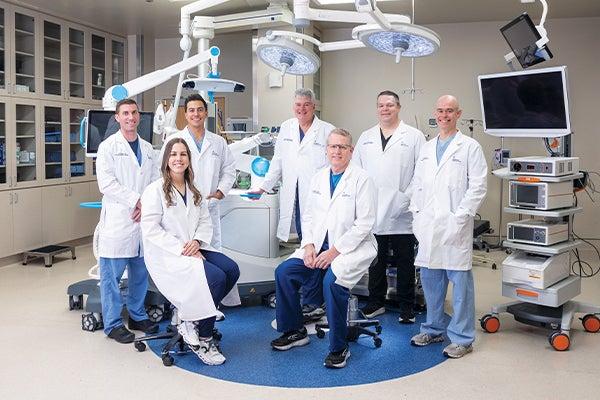
Comprehensive joint care in Waco
August 28, 2026
Ascension Providence in Waco, Texas offers personalized joint replacement care with fellowship-trained orthopedic surgeons, advanced techniques and nationally recognized quality outcomes.
Doctors at Ascension Providence in Waco, Texas, provide a wide range of tests and screenings for children and adults. Your primary care team offers screenings for cancer and chronic conditions, and diagnostic testing for minor illnesses and injuries. Primary care doctors also provide ongoing monitoring for chronic conditions.
Your blood pressure helps your doctor understand your overall health. High or low blood pressure can be a sign of a health condition. Your doctor can check your blood pressure during doctor visits, and they can help you keep track of your blood pressure at home using at-home monitoring.
A good way to know how much body fat you have is the body mass index (BMI). The most accurate way to find your BMI is to have an exam by your doctor. Your doctor can also talk with you about your risks for health problems. They can give you advice for diet and exercise to get to a healthy BMI.
For women, your routine physical exam might include a breast exam. Your doctor can examine your breasts for lumps, which can be a sign of breast cancer. Your primary care doctor can refer you for additional imaging, such as a mammogram or breast ultrasound.
This test checks the cells from inside a woman's cervix for any changes that could lead to cancer. The cervix is the lower part of a woman's uterus that opens into the vagina.You may need this test as a screening test to look for cervical cancer or changes in cervical cells that might eventually lead to cancer.
Two screening tests can be used to check for prostate cancer:
Chlamydia, herpes, and gonorrhea are sexually transmitted infections (STIs). STIs are also commonly called sexually transmitted diseases. Many STIs cause no symptoms at first. Even symptomless STIs can be contagious. They can later cause long-term (chronic) or serious health problems. Once diagnosed, many STIs can be successfully treated. Some STIs, such as herpes, can't be completely cured and may happen again. But each recurrence can be prevented or treated.
August 28, 2026
Ascension Providence in Waco, Texas offers personalized joint replacement care with fellowship-trained orthopedic surgeons, advanced techniques and nationally recognized quality outcomes.
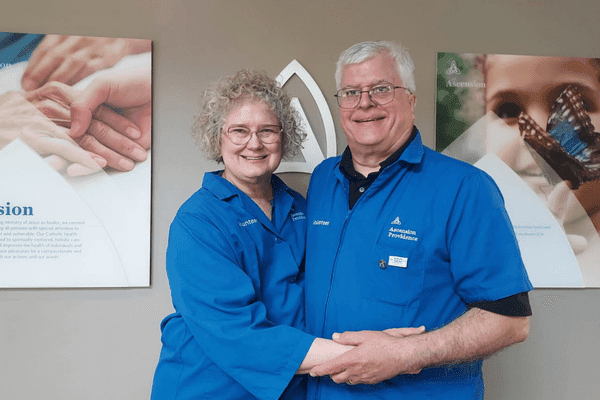
July 20, 2026
After years of serving patients and families as volunteers at Ascension Providence in Waco, Texas, Richard and Carolyn Skurla experienced the same compassionate care firsthand.
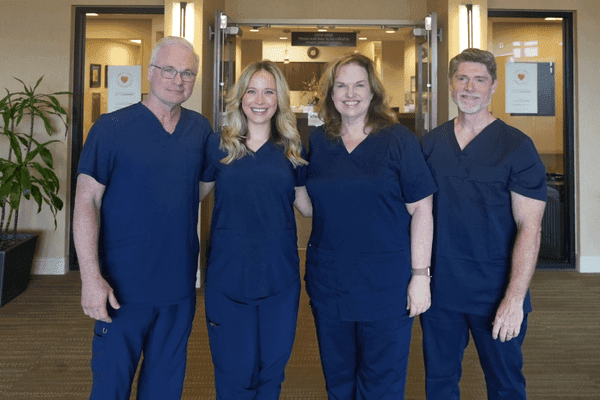
July 1, 2026
At Ascension Providence in Waco, Texas, four family members are caring for patients together, bringing more than 100 years of combined healthcare experience to the community.
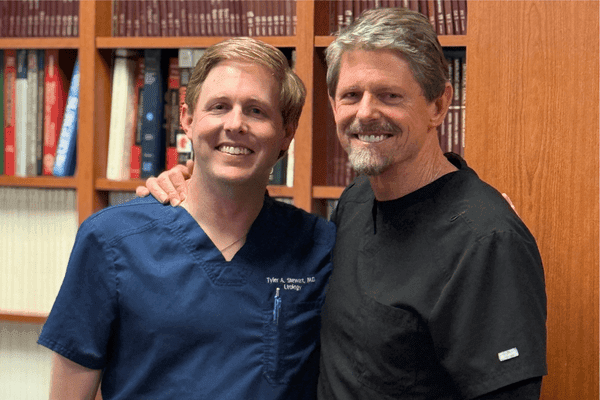
June 30, 2026
Learn when to start prostate cancer screening, recognize common urologic warning signs and take charge of your health with guidance from Ascension Medical Group Providence urology specialists.
February 3, 2026
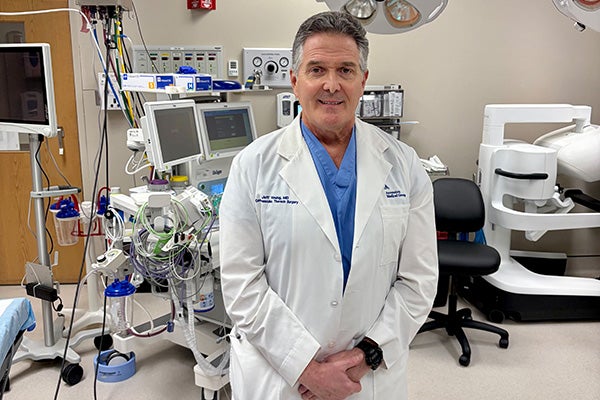
Since returning home in 1996, Donald “Jeff” Young, MD, cardiothoracic surgeon at Ascension Providence in Waco, Texas, has provided decades of advanced cardiovascular care to the community.
January 12, 2026
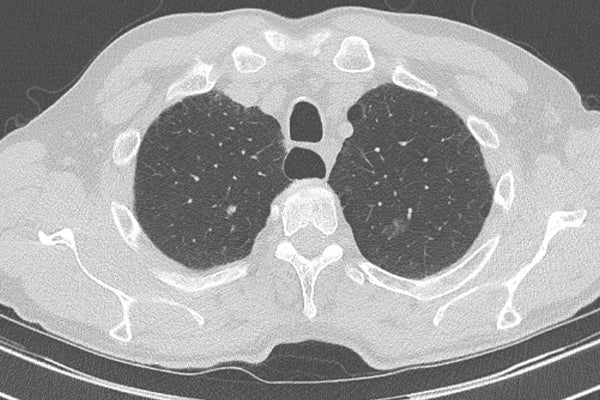
Ascension Seton and Ascension Providence offer a range of lung cancer care services focused on early detection and screening in Central Texas.
December 11, 2025
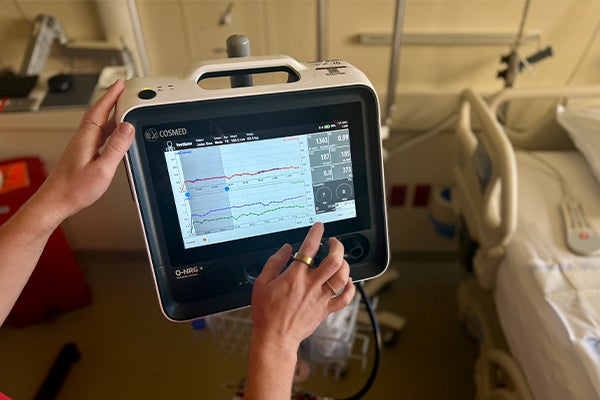
Ascension Seton Medical Center Austin is the first to use an advanced metabolic monitor that helps care teams understand the energy needs of ICU patients in Central Texas.

November 11, 2025
This Veterans Day, Ascension Seton and Ascension Providence honor the veterans who are part of the Central Texas communities we serve.

October 28, 2025
To make sure your family enjoys a happy and healthy celebration, the team at Dell Children’s has gathered tips for staying safe on Halloween.

If incidents occur this Fourth of July, knowing where and when to get immediate and emergency care is important.

June 23, 2025
Ascension urgent care and orthopedic teams are here to help you manage your summer injury.

November 15, 2023
A prayer for peace to help guide your daily reflections.

Comprehensive Fetal Care Center at Dell Children's Medical Center provides advanced surgery options for complex in-utero conditions in Central Texas.

Families find support and emotional health care for conditions like anxiety in children at Dell Children’s Medical Center.

Austin family finds comfort from Dell Children’s Medical Center fetal cardiac program that repaired their son’s heart with three surgeries.