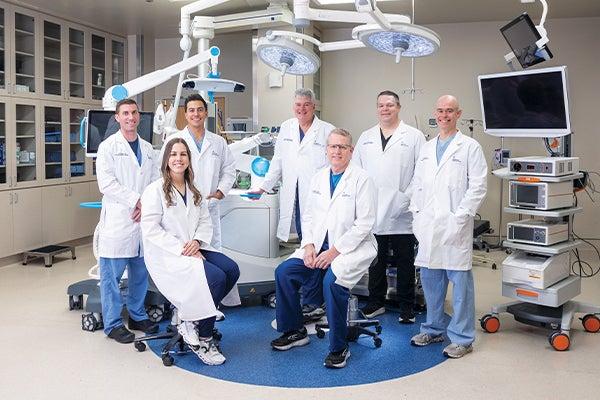
Comprehensive joint care in Waco
August 28, 2026
Ascension Providence in Waco, Texas offers personalized joint replacement care with fellowship-trained orthopedic surgeons, advanced techniques and nationally recognized quality outcomes.
Podiatrists at Ascension Providence in Waco, Texas, provide comprehensive tests and imaging for a range of foot, ankle and lower leg conditions. These diagnostic services help find the cause of your foot, ankle and leg symptoms and guide your care plan.
A bone scan evaluates bone activity in the feet and ankles. A small amount of radioactive material is injected into the bloodstream, which collects in areas of increased bone activity. This imaging can help your podiatrist detect conditions that are not always visible on standard X-rays, such as stress fractures, bone infections (osteomyelitis), arthritis or tumors. Areas with higher uptake can indicate injury, inflammation or abnormal bone changes.
A CT scan uses X-rays and computer technology to create detailed images of the foot and ankle.
Diabetes-related foot testing helps identify nerve damage and poor circulation, which can increase the risk of foot ulcers. These tests check for loss of sensation and reduced blood flow. When sensation is diminished, small injuries or sores may go unnoticed, which is why early detection is important to help prevent complications.
Fluoroscopy is a type of podiatry imaging that provides real-time X-ray images of the foot and ankle. It allows your podiatrist to see bones and joints in motion to evaluate alignment and joint function. It is often used during procedures, such as guided injections, to improve accuracy and treatment outcomes.
Short for magnetic resonance imaging, an MRI uses magnets and radio waves to create detailed images of soft tissues, bones and joints.
Musculoskeletal tests are hands-on exams your podiatrist uses to check how the bones, joints, muscles and tendons in your foot and ankle are functioning. During these tests, your provider may gently move your foot, apply pressure or ask you to perform certain movements to identify the source of pain, stiffness or weakness.
A neurological exam checks how well the nerves in your feet and ankles are working. Your provider may use small tools or light touch to assess sensation, reflexes and nerve response. These tests are painless and help identify nerve damage or loss of feeling.
A routine foot exam checks the overall health of your feet. During the test, your provider looks for changes in your skin, nails, circulation and sensation to help detect problems early.
Ultrasound uses sound waves to create images of blood vessels, tissues and and other structures in the foot and ankle.
A vascular test is a simple, noninvasive test to check blood flow in your feet and ankles. These tests may include feeling your pulses or using a small device to measure circulation. They help identify reduced blood flow, which can affect healing and increase the risk of foot problems, especially for people with diabetes.
X-rays use low doses of radiation to create images of your bones and tissues in the foot and ankle.
August 28, 2026
Ascension Providence in Waco, Texas offers personalized joint replacement care with fellowship-trained orthopedic surgeons, advanced techniques and nationally recognized quality outcomes.

July 20, 2026
After years of serving patients and families as volunteers at Ascension Providence in Waco, Texas, Richard and Carolyn Skurla experienced the same compassionate care firsthand.

July 1, 2026
At Ascension Providence in Waco, Texas, four family members are caring for patients together, bringing more than 100 years of combined healthcare experience to the community.
June 30, 2026
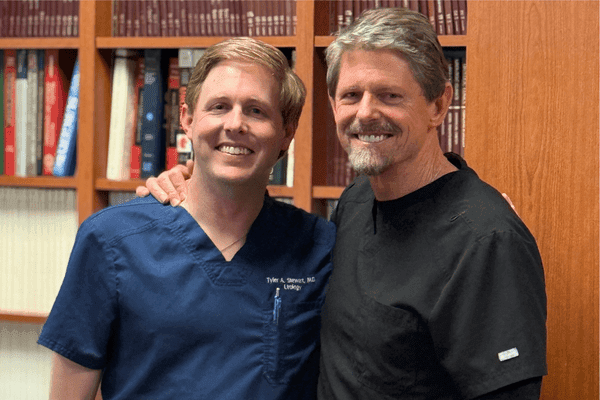
Learn when to start prostate cancer screening, recognize common urologic warning signs and take charge of your health with guidance from Ascension Medical Group Providence urology specialists.
February 3, 2026
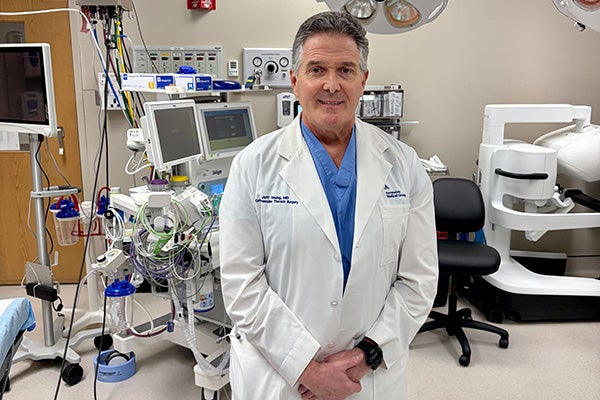
Since returning home in 1996, Donald “Jeff” Young, MD, cardiothoracic surgeon at Ascension Providence in Waco, Texas, has provided decades of advanced cardiovascular care to the community.
January 12, 2026
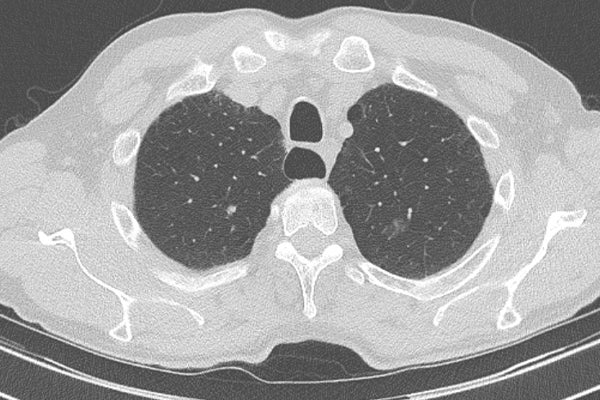
Ascension Seton and Ascension Providence offer a range of lung cancer care services focused on early detection and screening in Central Texas.
December 11, 2025
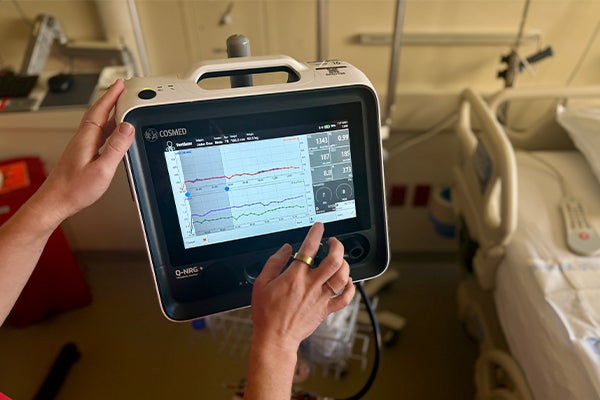
Ascension Seton Medical Center Austin is the first to use an advanced metabolic monitor that helps care teams understand the energy needs of ICU patients in Central Texas.

November 11, 2025
This Veterans Day, Ascension Seton and Ascension Providence honor the veterans who are part of the Central Texas communities we serve.

October 28, 2025
To make sure your family enjoys a happy and healthy celebration, the team at Dell Children’s has gathered tips for staying safe on Halloween.

If incidents occur this Fourth of July, knowing where and when to get immediate and emergency care is important.

June 23, 2025
Ascension urgent care and orthopedic teams are here to help you manage your summer injury.

November 15, 2023
A prayer for peace to help guide your daily reflections.

Comprehensive Fetal Care Center at Dell Children's Medical Center provides advanced surgery options for complex in-utero conditions in Central Texas.

Families find support and emotional health care for conditions like anxiety in children at Dell Children’s Medical Center.

Austin family finds comfort from Dell Children’s Medical Center fetal cardiac program that repaired their son’s heart with three surgeries.