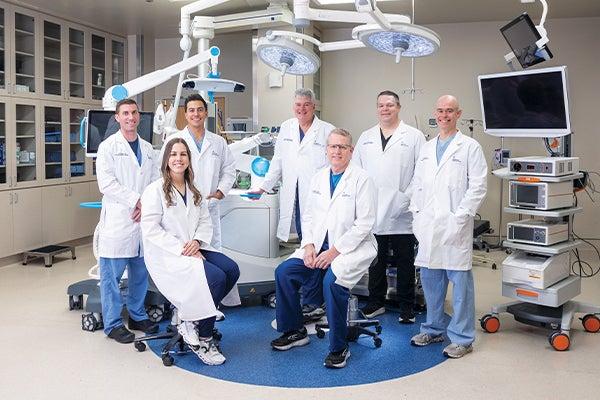
Comprehensive joint care in Waco
August 28, 2026
Ascension Providence in Waco, Texas offers personalized joint replacement care with fellowship-trained orthopedic surgeons, advanced techniques and nationally recognized quality outcomes.
At Ascension Providence in Waco, Texas, our podiatrists diagnose and treat conditions affecting the lower leg, foot and ankle. They provide comprehensive care that includes both nonsurgical and surgical treatment options to help reduce pain, improve mobility and support long-term foot and ankle health.
The Achilles tendon connects the calf muscles to the heel bone and supports walking, running and jumping. Because the Achilles tendon bears repeated stress during daily activities and exercise, it can become overworked. When the tendon becomes inflamed, swollen or irritated, this condition is known as Achilles tendonitis.
An ankle sprain occurs when the ligaments that support the ankle stretch too far or tear. This type of injury can happen from a fall, a sudden twist or direct impact.
Arthritis is the swelling (inflammation) of a joint, where two or more bones meet. There are more than 100 different types of arthritis, all of which can cause pain, stiffness and swelling in joints, muscles, tendons, ligaments or bones. Arthritis is often a chronic, or ongoing, condition.
Athlete’s foot is a common skin infection caused by a fungus that usually affects the area between the toes. It can make the skin itchy, red, dry, cracked or peeling, and sometimes causes burning or an odor. The fungus grows well in warm, damp places like sweaty shoes, locker rooms and public showers. Athlete’s foot can often be treated with antifungal creams or sprays from the pharmacy, along with keeping the feet clean and dry and changing socks regularly.
A heel spur, also called a bone spur, is a small bony growth that forms on the heel bone where the plantar fascia attaches to the foot. It’s often caused by repeated stress from activities like walking, running, standing for long periods, wearing poor-fitting shoes, or carrying extra weight. Heel spurs can cause pain and inflammation in the heel, especially when taking the first steps after resting.
A broken bone, or fracture, occurs when a bone is partially or completely cracked or broken. Fractures may be open, where the bone breaks through the skin, or closed, where the skin remains intact.
A bunion (hallux valgus) is a deformity of the joint at the base of the big toe or, less commonly, the small toe. When it occurs at the small toe, it’s called a bunionette or tailor’s bunion. Bunions may develop from prolonged joint stress on the joint and are more common in women, possibly due to tight or narrow footwear. They can also be inherited or associated with arthritis, particularly in the big toe joint.
Bursitis is inflammation of a bursa, a small, fluid-filled sac that cushions and reduces friction between tissues. Bursae are located near tendons and joints, especially around larger areas such as the shoulders, elbows, hips and knees.
Corns are thick, hardened callus growths that usually form on the tops or sides of the toes because of repeated rubbing or pressure, often from shoes that do not fit well or toes rubbing against each other. They can feel tender or painful, especially when walking or wearing shoes.
Diabetes can lead to nerve damage and poor circulation, increasing the risk of foot ulcers. The nerves in your feet are especially vulnerable to damage because they are the longest in the body. Reduced sensation may cause injuries or sores to go unnoticed, allowing them to worsen. Early detection and regular foot checks are important to help prevent complications.
Flat feet occur when the arches on the inside of the feet are low or collapse, causing most or all of the foot to touch the ground when standing. This can sometimes lead to foot, ankle, or leg pain and may affect walking or balance.
High arches occur when the arches of the feet are raised more than normal, placing extra pressure on the heel and ball of the foot. High arches can cause foot pain, instability, and difficulty finding comfortable shoes.
Foot and ankle pain can make it harder to stay active and do everyday activities comfortably. Pain can have many causes, including injuries like sprains or fractures, as well as problems with nerves, muscles, joints or overuse.
Foot, leg and ankle wounds include sores, cuts, ulcers and other injuries that may be slow to heal or become infected. People with diabetes, poor circulation or nerve damage may be at greater risk for these wounds and related complications. Early evaluation can help prevent a wound from worsening.
Gout is a type of arthritis that causes sudden pain, swelling, redness and stiffness in the joints, often starting in the big toe. It happens when uric acid builds up in the body and forms crystals in the joints. Anyone can develop gout, but it is more common in men and in people who are overweight or have conditions such as high blood pressure, high cholesterol or diabetes.
A hammertoe happens when a toe bends downward at the middle joint, causing it to look curled or bent. This can make the joint rub against the inside of a shoe, especially if the shoes are tight-fitting, which may lead to pain, irritation or developing a corn.
An ingrown toenail happens when the side of a toenail grows into the skin around it, usually on the big toe. This can cause pain, redness, swelling, and sometimes infection. Ingrown toenails are often caused by cutting nails too short, wearing tight shoes, or pressure on the toes. Treatment may include soaking the foot, wearing more comfortable shoes and proper nail trimming.
Most sports and overuse injuries affect bones, muscles, ligaments or tendons due to repeated stress. They may also lead to stress fractures, which are small cracks in the bone. These commonly occur in the shin or foot, especially with activities like running or basketball. Swelling may not always be present, but pain and tenderness typically increase with movement.
Plantar fasciitis is a common cause of heel pain, especially with the first steps after resting or getting out of bed. It happens when the band of tissue along the bottom of the foot becomes irritated or inflamed from overuse, standing for long periods, walking, running or foot strain. It is more common in people who are overweight, have flat feet or high arches, or spend a lot of time on their feet.
Poor circulation means that blood isn’t flowing well to the feet and legs. This can cause symptoms like cold feet, numbness, cramping, slow-healing sores, skin color changes or pain when walking. Poor circulation is more common in people with diabetes or blood vessel problems, and good foot care is important to help prevent complications.
Shin splints are a common overuse injury that causes pain along the front or inside of the shinbone, often from running, exercise, or being active on hard surfaces. The pain usually improves with rest, stretching, ice and anti-inflammatory medicine. Wearing supportive shoes and slowly increasing activity can also help prevent shin splints from coming back.
Skin and toenail problems are common conditions that can affect the comfort and health of your feet. These may include dry or cracked skin, calluses, corns, fungal infections, thick or discolored toenails, or ingrown toenails. Some problems can cause pain or make walking uncomfortable. A podiatrist can help treat these conditions and recommend ways to keep your feet healthy.
Tendonitis is inflammation of a tendon, the strong band of tissue that connects muscle to bone. It can cause pain, swelling and discomfort and may affect different areas of the foot and ankle.
Toe pain may affect one or more toes and can result from issues involving bones, joints, tendons, nerves or skin.
Diabetes can affect blood vessels and circulation, reducing blood flow to the legs and feet. This can increase the risk of vascular foot disease, where poor circulation may slow healing and increase the risk of infection or complications. Regular foot checks are important to catch sores or wounds early. Managing these conditions may involve care from your podiatrist, orthopedic specialist and sometimes a vascular specialist.
Warts are small skin growths caused by a virus. Some warts can develop on the bottom of the foot. These are called plantar warts and may cause pain or tenderness when walking or standing. They often look like rough, thickened skin. Warts can spread in warm, damp places, such as locker rooms and public showers.
August 28, 2026
Ascension Providence in Waco, Texas offers personalized joint replacement care with fellowship-trained orthopedic surgeons, advanced techniques and nationally recognized quality outcomes.
July 20, 2026
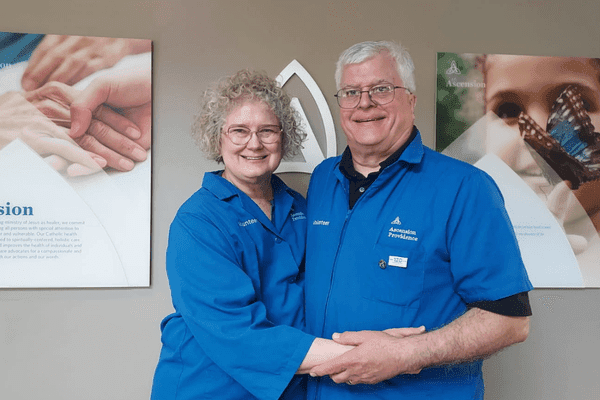
After years of serving patients and families as volunteers at Ascension Providence in Waco, Texas, Richard and Carolyn Skurla experienced the same compassionate care firsthand.
July 1, 2026
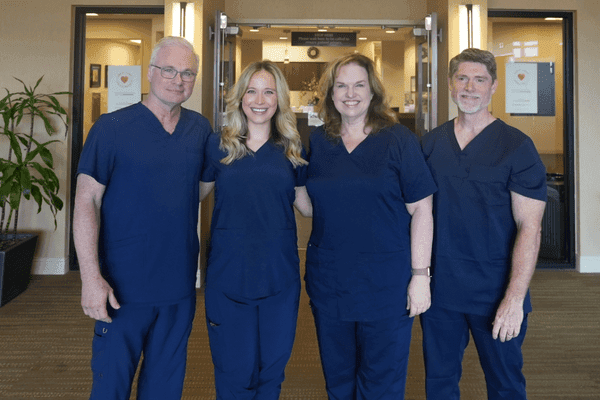
At Ascension Providence in Waco, Texas, four family members are caring for patients together, bringing more than 100 years of combined healthcare experience to the community.
June 30, 2026
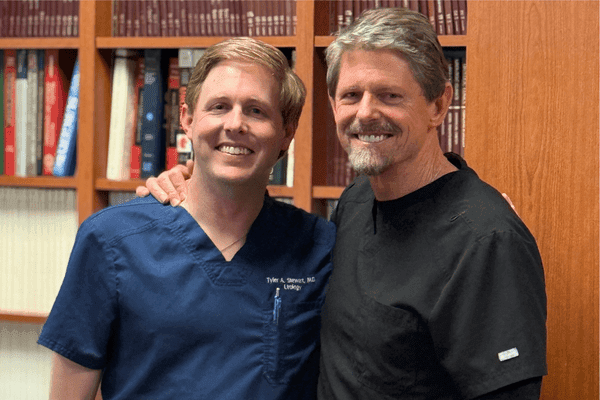
Learn when to start prostate cancer screening, recognize common urologic warning signs and take charge of your health with guidance from Ascension Medical Group Providence urology specialists.
February 3, 2026
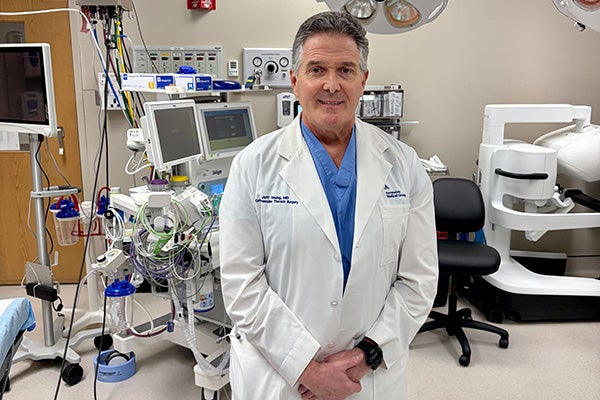
Since returning home in 1996, Donald “Jeff” Young, MD, cardiothoracic surgeon at Ascension Providence in Waco, Texas, has provided decades of advanced cardiovascular care to the community.
January 12, 2026
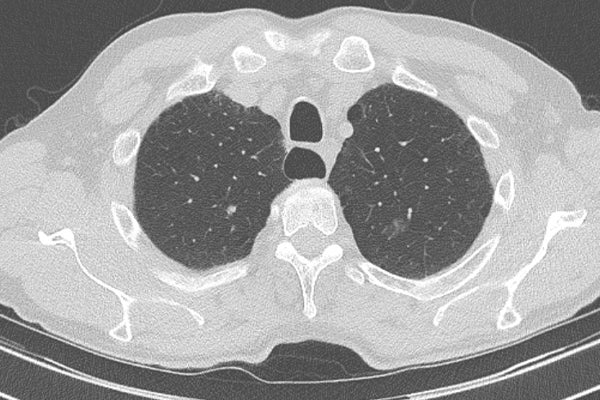
Ascension Seton and Ascension Providence offer a range of lung cancer care services focused on early detection and screening in Central Texas.
December 11, 2025
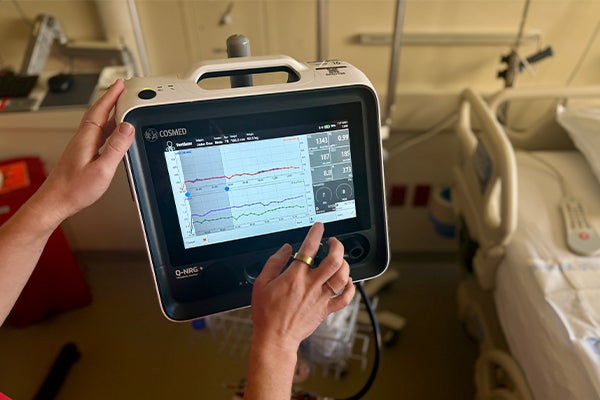
Ascension Seton Medical Center Austin is the first to use an advanced metabolic monitor that helps care teams understand the energy needs of ICU patients in Central Texas.

November 11, 2025
This Veterans Day, Ascension Seton and Ascension Providence honor the veterans who are part of the Central Texas communities we serve.

October 28, 2025
To make sure your family enjoys a happy and healthy celebration, the team at Dell Children’s has gathered tips for staying safe on Halloween.

If incidents occur this Fourth of July, knowing where and when to get immediate and emergency care is important.

June 23, 2025
Ascension urgent care and orthopedic teams are here to help you manage your summer injury.

November 15, 2023
A prayer for peace to help guide your daily reflections.

Comprehensive Fetal Care Center at Dell Children's Medical Center provides advanced surgery options for complex in-utero conditions in Central Texas.

Families find support and emotional health care for conditions like anxiety in children at Dell Children’s Medical Center.
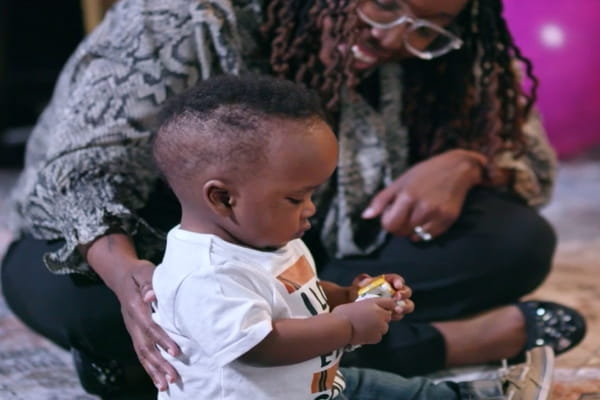
Austin family finds comfort from Dell Children’s Medical Center fetal cardiac program that repaired their son’s heart with three surgeries.