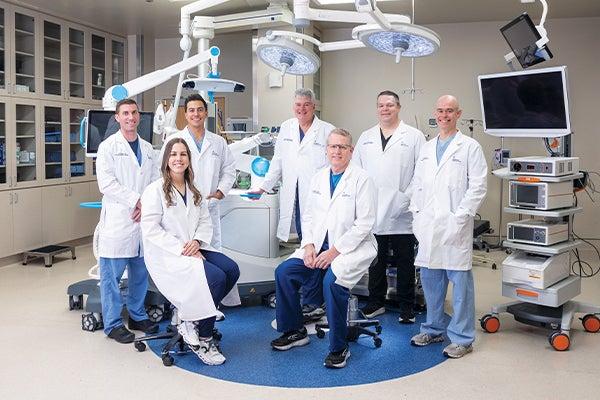
Comprehensive joint care in Waco
August 28, 2026
Ascension Providence in Waco, Texas offers personalized joint replacement care with fellowship-trained orthopedic surgeons, advanced techniques and nationally recognized quality outcomes.
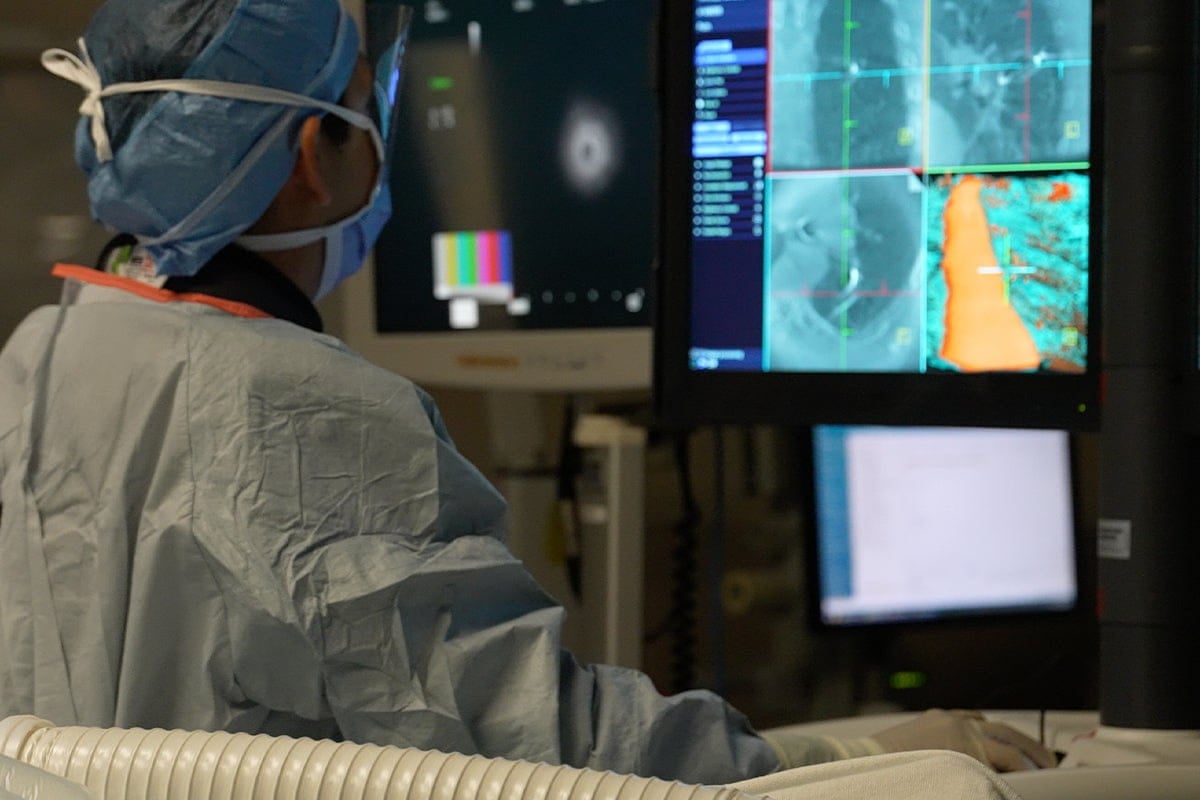
Our lung specialists at Ascension Providence in Waco use robotic-assisted bronchoscopy to perform minimally invasive lung nodule biopsies
At Ascension Providence, we offer a minimally invasive, leading-edge approach to biopsy lung tissue for lung cancer and other lung diseases.
The Ion Endoluminal System helps improve accuracy and precision when evaluating lung nodules, especially those that are small or difficult to reach.
Lung nodules are common and may be found during a chest X-ray or lung CT scan. When further evaluation is needed, a robotic-assisted bronchoscopy allows your doctor to obtain a precise tissue sample.
With the Ion robotic-assisted bronchoscope, your doctor can remove a tissue sample as small as one centimeter. This new technology helps provide early detection of lung cancer and access more hard-to-reach areas that may have previously required CT scan-guided biopsies which can have significant complications.
During the procedure, your thoracic surgeon creates a 3D image-guided roadmap of the airways leading to the nodule. Using the robotic-assisted technology, your surgeon guides a catheter and Ion’s vision probe to deliver a real-time view of the airways while navigating to the target area. A flexible biopsy tool removes a tissue sample so it can be evaluated by a pathologist for cancer cells and staging. The Ion System has built-in flexibility to adjust as you breathe. These features help minimize complications.
Your care team at Ascension Providence focuses on identifying whether the tumor is noninvasive or invasive, where the tumor began and whether the cancer has spread. We use advanced molecular studies to recognize lung cancer subtypes to create a care plan for your type of cancer.
To diagnose lung cancer, your doctor may recommend testing, such as:
Chest X-rays use low doses of radiation to make images of your tissues, bones and organs, and are used to look for a tumor or cancer.
A PET scan is a type of nuclear medicine scan that can show differences in the activity of the tissues in your body. It uses a tiny amount of a radioactive substance attached to sugar. (This is called a radionuclide or a radiopharmaceutical or radioactive tracer.) The tracer is put into your blood. Over an hour or so, it collects in super-active cells, like cancer cells. Then a special scanner is used to see where the tracer has collected in your body.
PET and CT scans are often done together. This is called a PET/CT scan. It gives detailed images of the structure of your insides along with information about the activity of the cells and tissues.
When you’re facing a new cancer diagnosis or are deciding on a surgical or therapeutic treatment plan, there’s a lot to think about. Our cancer specialists can provide a second opinion, based on our experience and as part of a national team.
Before your appointment, check with your insurance company to find out if a second opinion is covered. We can request your medical records on your behalf, so they can be shared with your care team before your arrival.
Your doctor and care team get to know you well, and you’ll receive care for the whole person — from physical health and well-being to mental and emotional health to support for your family and caregivers. At Ascension Providence, we provide a wide array of cancer screenings, diagnostic tools and procedures, the latest surgical technologies and techniques and various support services. Our oncologists are part of a national team of cancer specialists sharing the latest in cancer care knowledge and research.
Please call our nurse navigator at 254-537-6610 for more information.
If you are experiencing a life-threatening emergency, go directly to the ER or call 911.
All registered marks are property of their respective owners. All rights reserved.
August 28, 2026
Ascension Providence in Waco, Texas offers personalized joint replacement care with fellowship-trained orthopedic surgeons, advanced techniques and nationally recognized quality outcomes.
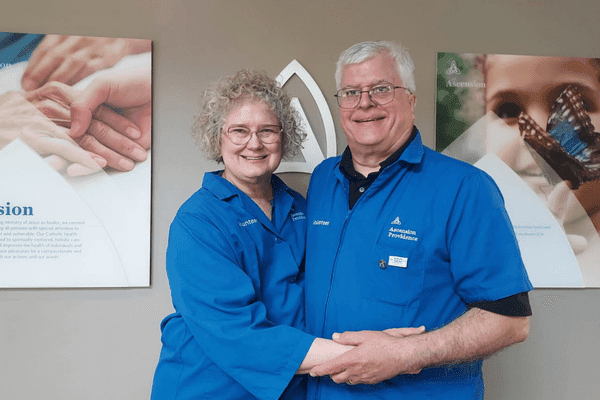
July 20, 2026
After years of serving patients and families as volunteers at Ascension Providence in Waco, Texas, Richard and Carolyn Skurla experienced the same compassionate care firsthand.
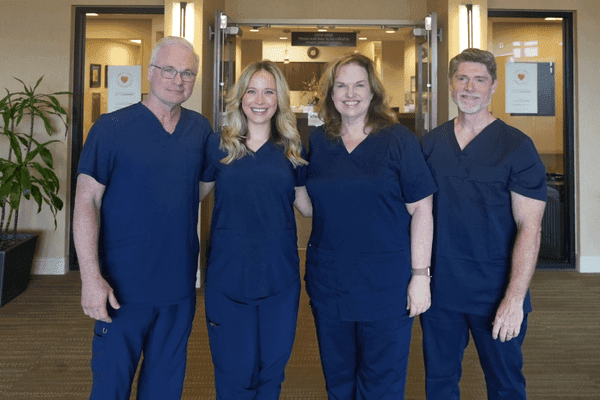
July 1, 2026
At Ascension Providence in Waco, Texas, four family members are caring for patients together, bringing more than 100 years of combined healthcare experience to the community.
June 30, 2026
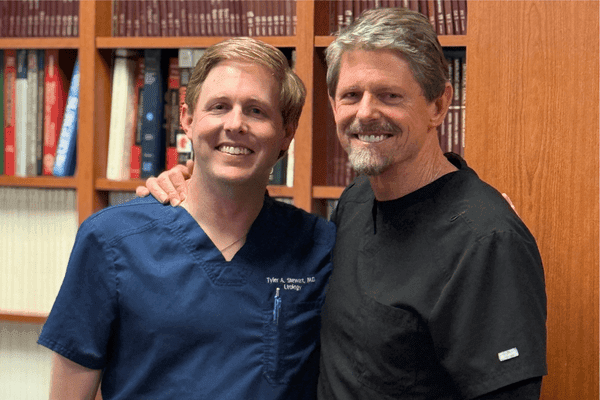
Learn when to start prostate cancer screening, recognize common urologic warning signs and take charge of your health with guidance from Ascension Medical Group Providence urology specialists.
February 3, 2026
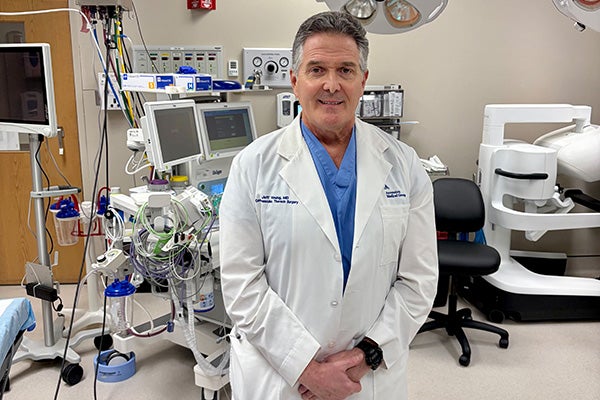
Since returning home in 1996, Donald “Jeff” Young, MD, cardiothoracic surgeon at Ascension Providence in Waco, Texas, has provided decades of advanced cardiovascular care to the community.
January 12, 2026
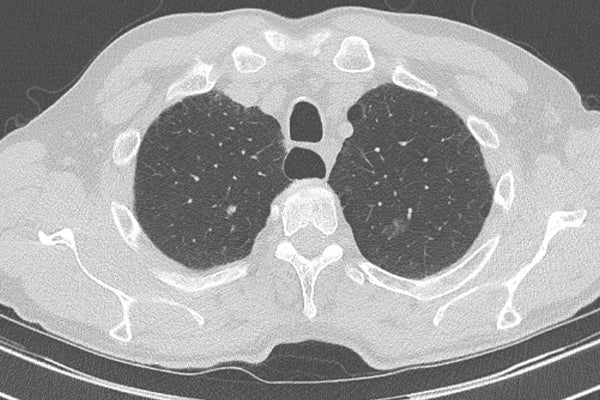
Ascension Seton and Ascension Providence offer a range of lung cancer care services focused on early detection and screening in Central Texas.
December 11, 2025
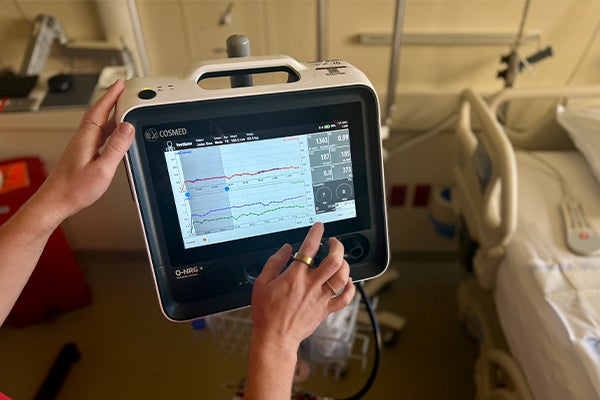
Ascension Seton Medical Center Austin is the first to use an advanced metabolic monitor that helps care teams understand the energy needs of ICU patients in Central Texas.

November 11, 2025
This Veterans Day, Ascension Seton and Ascension Providence honor the veterans who are part of the Central Texas communities we serve.

October 28, 2025
To make sure your family enjoys a happy and healthy celebration, the team at Dell Children’s has gathered tips for staying safe on Halloween.

If incidents occur this Fourth of July, knowing where and when to get immediate and emergency care is important.

June 23, 2025
Ascension urgent care and orthopedic teams are here to help you manage your summer injury.

November 15, 2023
A prayer for peace to help guide your daily reflections.

Comprehensive Fetal Care Center at Dell Children's Medical Center provides advanced surgery options for complex in-utero conditions in Central Texas.

Families find support and emotional health care for conditions like anxiety in children at Dell Children’s Medical Center.

Austin family finds comfort from Dell Children’s Medical Center fetal cardiac program that repaired their son’s heart with three surgeries.