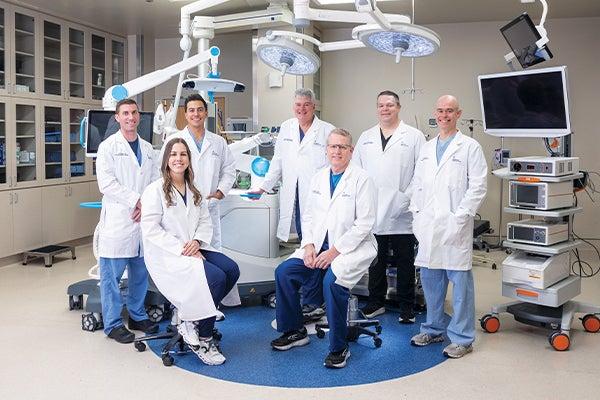
Comprehensive joint care in Waco
August 28, 2026
Ascension Providence in Waco, Texas offers personalized joint replacement care with fellowship-trained orthopedic surgeons, advanced techniques and nationally recognized quality outcomes.
Doctors and care teams at Ascension Providence deliver emergency stroke care and rehabilitation to help you recover after a stroke.

Doctors and care teams at Ascension Providence deliver emergency stroke care and rehabilitation to help you recover after a stroke.
If you or a loved one is experiencing symptoms of a stroke, every second counts. Signs of a stroke include sudden loss of balance, lost or unclear vision, face drooping or uneven smile, arm weakness and difficulty speaking.
Ascension Providence in Waco, Texas, provides advanced stroke care 24/7. Our neurologists and neurosurgeons specialize in treating stroke and transient ischemic attacks (TIA). We quickly work together to help improve blood flow to the brain, stop a brain bleed, and help prevent future strokes.
Ascension Providence is a Primary Stroke Center by The Joint Commission. And a Level II Stroke Center designated by the State of Texas -- the highest level of recognition available. Our team of stroke specialists deliver advanced stroke care for even the most complex cases. This highly specialized stroke care helps support better outcomes at a time when you need it most.
The Stroke Center is also awarded the Gold Level Performance Award from the American Heart Association – Get with the Guidelines Program for providing advanced stroke care.
Ascension Providence is the first hospital in the county to have the AXIOM Artis zee system. This advanced technology allows neuro-interventional radiologist, Dr. Adam Borowski, and the stroke care team to view 3D images of the brain. Because of this advanced technology, treatment is delivered with greater efficiency and precision than traditional stroke treatments.
Care teams at Ascension Providence specialize in stroke care and recovery. We listen to understand you and your health. Then your team of neurologists, neurosurgeons, nurses, physical therapists, occupational therapists and speech therapists work with you to create a care plan that's right for you. Many of our therapists specialize in neurorehabilitation for stroke, with a focus on rebuilding your brain to body connection. Our rehabilitation care team provides daily therapies and monitors your progress to help you meet your goals.
Your care doesn't stop when you leave the hospital. We provide transitional care in your home, an outpatient stroke rehabilitation center or skilled nursing facility. Our goal is to improve your quality of life after a stroke.
Stroke symptoms can come on suddenly. Call 911 and go to the nearest ER if you experience any of these stroke symptoms:
A stroke occurs when there is a disruption in the blood supply to the brain. This disruption can come from a blocked blood vessel in the brain or a blood vessel that ruptures and bleeds into the brain. When you are experiencing a stroke — every second counts. Call 911 and go to the nearest ER.
If you think someone is having a stroke, ask them to repeat a sentence back to you, smile at you, and raise both arms. If they have trouble with any of these tasks, call 911 right away. Stay with the person and note the time they began to have symptoms. This information can help the emergency room care team.
When someone experiences stroke symptoms that go away in a short period of time (typically less than an hour), it may be considered a TIA (transient ischemic attack.) When blood flow to the brain is interrupted for a short period (usually less than five minutes), it may be a sign of a future stroke. TIA is an emergency like stroke. If you experience signs of a stroke or TIA, don't wait to see if the symptoms go away.
The sooner you get to the ER, the more options there may be for treatment. Medications and minimally invasive stroke interventions help prevent clots and dissolve blockages to restore blood flow to the brain. Endovascular procedures are used to repair a blood vessel from rupturing. Your doctors, nurses, and rehabilitation therapists help you recover after a stroke and help prevent a future stroke.
Dell Seton Medical Center at The University of Texas is opening the first dedicated neuro critical care unit in Central Texas. This 15-bed critical care unit will be led by board-certified neuro-critical care doctors, caring for the most complex and serious neurologic conditions. Combining a highly specialized team with cutting-edge technology will allow for the creation of a destination unit, and ultimately lead to improved care for patients in Central Texas.
If you are experiencing a life-threatening emergency, go directly to the ER or call 911.
All registered marks are property of their respective owners. All rights reserved.
August 28, 2026
Ascension Providence in Waco, Texas offers personalized joint replacement care with fellowship-trained orthopedic surgeons, advanced techniques and nationally recognized quality outcomes.
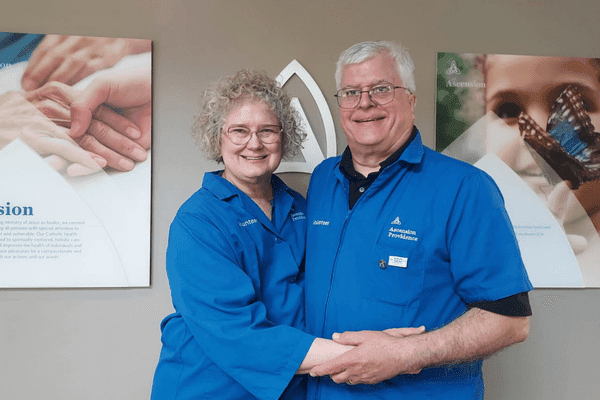
July 20, 2026
After years of serving patients and families as volunteers at Ascension Providence in Waco, Texas, Richard and Carolyn Skurla experienced the same compassionate care firsthand.
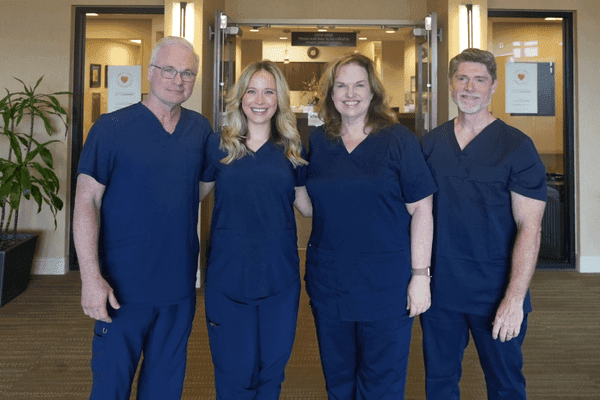
July 1, 2026
At Ascension Providence in Waco, Texas, four family members are caring for patients together, bringing more than 100 years of combined healthcare experience to the community.
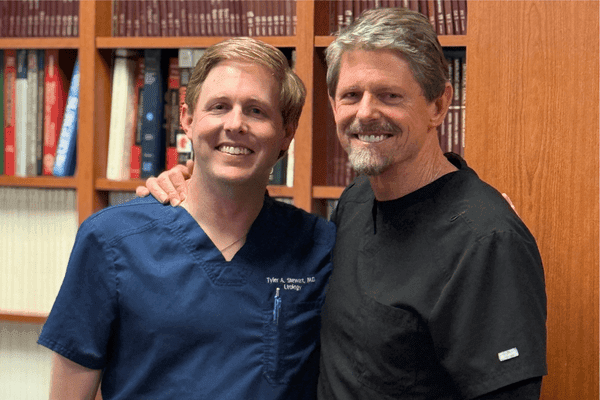
June 30, 2026
Learn when to start prostate cancer screening, recognize common urologic warning signs and take charge of your health with guidance from Ascension Medical Group Providence urology specialists.
February 3, 2026
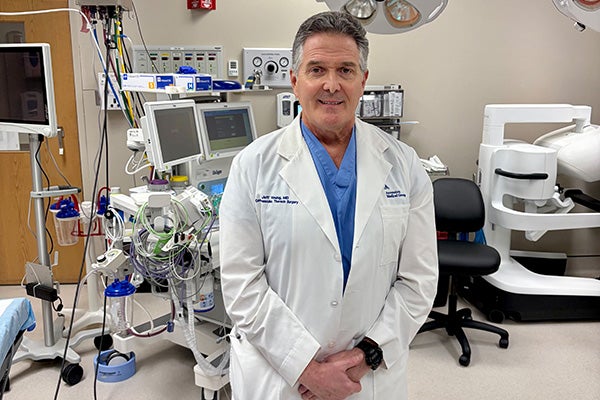
Since returning home in 1996, Donald “Jeff” Young, MD, cardiothoracic surgeon at Ascension Providence in Waco, Texas, has provided decades of advanced cardiovascular care to the community.
January 12, 2026
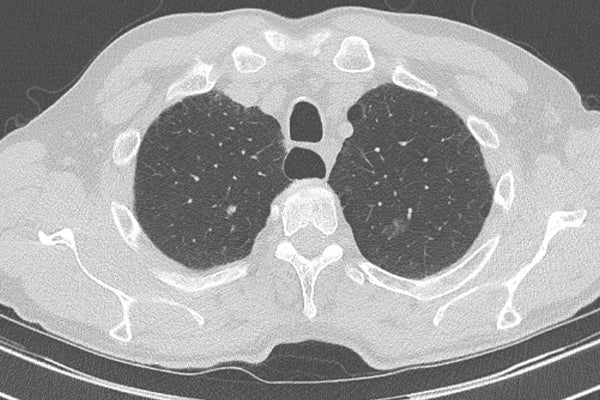
Ascension Seton and Ascension Providence offer a range of lung cancer care services focused on early detection and screening in Central Texas.
December 11, 2025
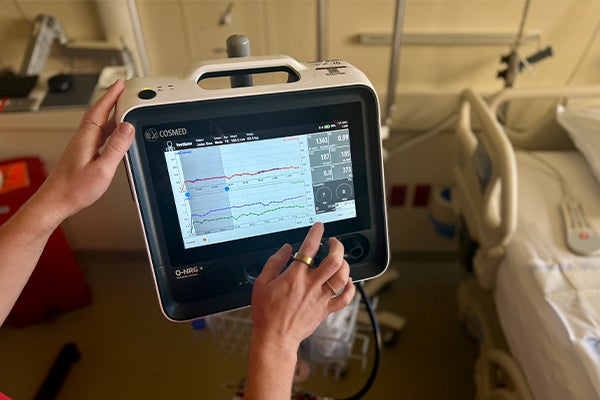
Ascension Seton Medical Center Austin is the first to use an advanced metabolic monitor that helps care teams understand the energy needs of ICU patients in Central Texas.

November 11, 2025
This Veterans Day, Ascension Seton and Ascension Providence honor the veterans who are part of the Central Texas communities we serve.

October 28, 2025
To make sure your family enjoys a happy and healthy celebration, the team at Dell Children’s has gathered tips for staying safe on Halloween.

If incidents occur this Fourth of July, knowing where and when to get immediate and emergency care is important.

June 23, 2025
Ascension urgent care and orthopedic teams are here to help you manage your summer injury.

November 15, 2023
A prayer for peace to help guide your daily reflections.
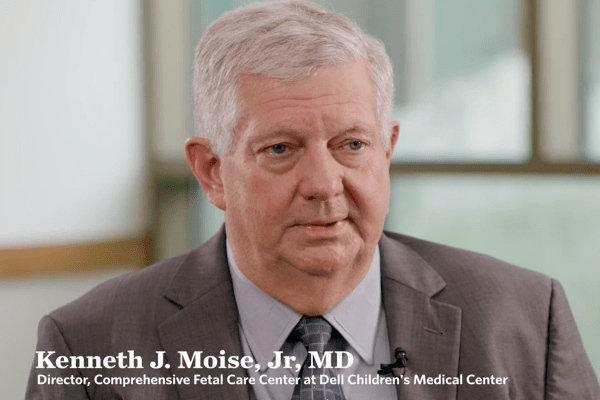
Comprehensive Fetal Care Center at Dell Children's Medical Center provides advanced surgery options for complex in-utero conditions in Central Texas.

Families find support and emotional health care for conditions like anxiety in children at Dell Children’s Medical Center.

Austin family finds comfort from Dell Children’s Medical Center fetal cardiac program that repaired their son’s heart with three surgeries.