
Do people with early heart disease have symptoms?
September 21, 2026
Signs of heart disease aren’t always obvious. Some people notice chest discomfort, shortness of breath or unusual fatigue, while others don’t notice any changes at all.
Your blood pressure helps your doctor understand your overall health. High or low blood pressure can be a sign of a health condition. Your doctor can check your blood pressure during doctor visits, and they can help you keep track of your blood pressure at home using at-home monitoring.
A good way to know how much body fat you have is the body mass index (BMI). The most accurate way to find your BMI is to have an exam by your doctor. Your doctor can also talk with you about your risks for health problems. They can give you advice for diet and exercise to get to a healthy BMI.
For women, your routine physical exam might include a breast exam. Your doctor can examine your breasts for lumps, which can be a sign of breast cancer. Your primary care doctor can refer you for additional imaging, such as a mammogram or breast ultrasound.
This test checks the cells from inside a woman's cervix for any changes that could lead to cancer. The cervix is the lower part of a woman's uterus that opens into the vagina.You may need this test as a screening test to look for cervical cancer or changes in cervical cells that might eventually lead to cancer.
Two screening tests can be used to check for prostate cancer:
Chlamydia, herpes, and gonorrhea are sexually transmitted infections (STIs). STIs are also commonly called sexually transmitted diseases. Many STIs cause no symptoms at first. Even symptomless STIs can be contagious. They can later cause long-term (chronic) or serious health problems. Once diagnosed, many STIs can be successfully treated. Some STIs, such as herpes, can't be completely cured and may happen again. But each recurrence can be prevented or treated.
September 21, 2026
Signs of heart disease aren’t always obvious. Some people notice chest discomfort, shortness of breath or unusual fatigue, while others don’t notice any changes at all.

September 17, 2026
Stress doesn’t directly cause a UTI, but it can affect your body in ways that make urinary symptoms feel worse. Stress and anxiety can also trigger overactive bladder symptoms that may feel similar to a UTI. A urogynecologist shares tips to help tell the difference.
August 25, 2026
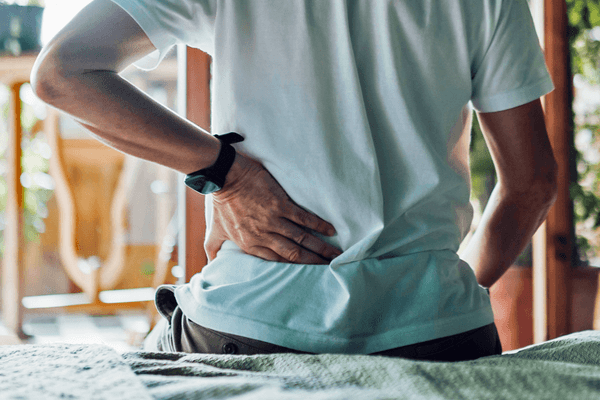
Sciatica pain can make it difficult to sit, sleep, walk or stay active. The good news? Simple self-care strategies at home may help relieve pain, reduce inflammation and improve mobility.
August 25, 2026
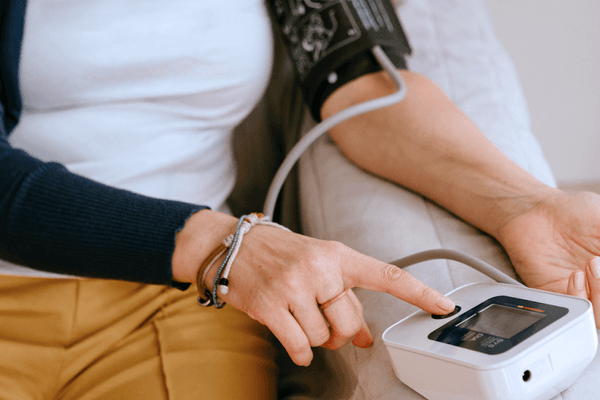
Blood pressure readings include two numbers: systolic and diastolic. Together, they show how much pressure blood puts on your artery walls when your heart beats and rests. An ideal blood pressure reading is less than 130/80.
August 19, 2026
After a ruptured brain aneurysm in March 2026, an Itasca resident regained independence through collaborative care and rehabilitation at Ascension Alexian Brothers Rehabilitation Hospital.

After decades of knee pain, a left knee replacement at Ascension Saint Alexius in Hoffman Estates helped a retired barber get back to golf with care from orthopedic surgeon, Dr. Paul S. Nourbash.

February 18, 2026
Ascension Alexian Brothers Behavioral Health Hospital Behavioral Health therapist, Kelly Hayden, shares four ways you can overcome seasonal blues this winter.
February 4, 2026
Ascension Illinois cardiologist Dr. Andrei Pop shares how harsh winter weather affects the heart, and what you can do to protect yourself.
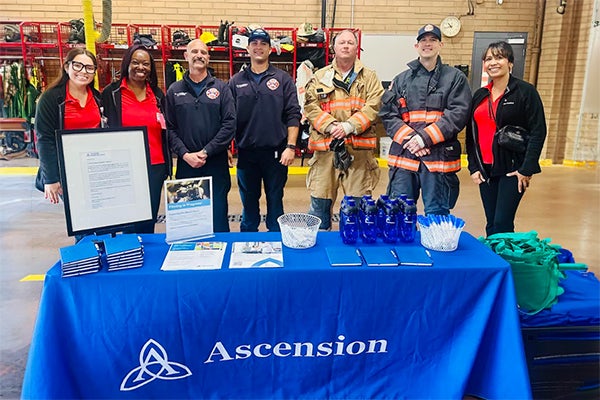
Kelly Hayden, MA, LCP, NCC, behavioral health therapist at Ascension Alexian Brothers Behavioral Health Hospital shares ways first responders can manage the stress of the holidays.

If incidents occur this Fourth of July, knowing where and when to get immediate and emergency care is important.

June 23, 2025
Ascension urgent care and orthopedic teams are here to help you manage your summer injury.
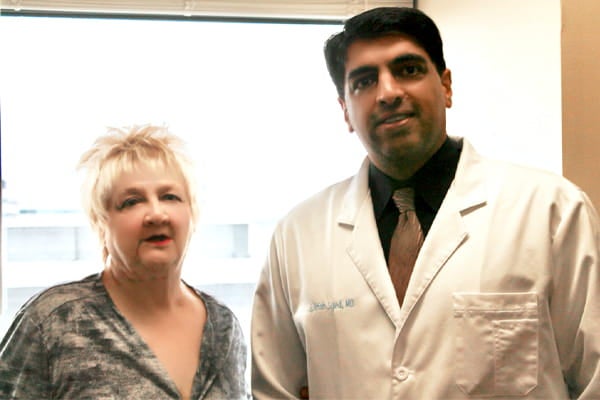
Salahuddin Syed, MD, psychiatrist at Ascension Alexian Brothers Behavioral Health Hospital in Hoffman Estates, Illinois, treats patients with advanced depression with electroconvulsive therapy.
April 17, 2025
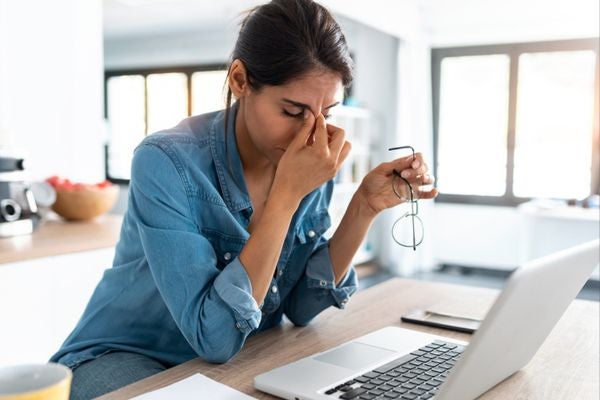
Sarah Briley, EdD, LCPC, CADC, service line director for adult services at Ascension Alexian Brothers Behavioral Health Hospital, shares five ways being in community with others can benefit your mental health.
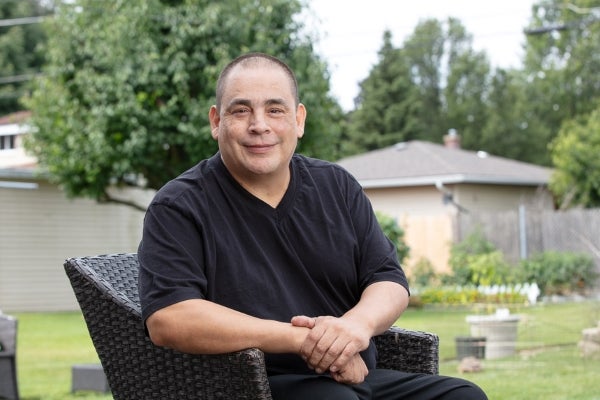
Gastroenterologist, Bipan Chand, MD, at Ascension Illinois, helps man recover from cancer for the second time by using a robotic colon resection.

Bipan Chand, MD, a gastroenterologist at Ascension Illinois in Chicago, performed a robotic colon resection to treat diverticulitis, a colon disease.
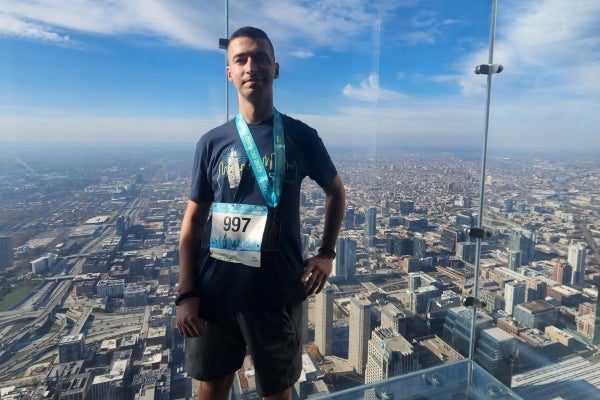
Neurosurgeon at Ascension Illinois performs life saving craniectomy on a young stroke survivor.

Breast cancer at a young age didn’t defer this Wheeling woman’s dream trip to Antarctica thanks to the Ascension Alexian Brothers care team.
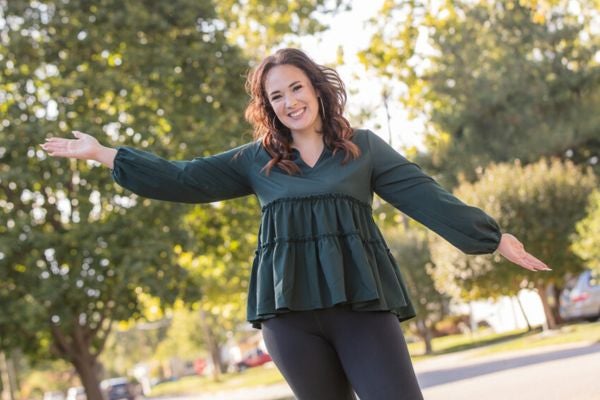
A Rockford, IL woman lost 111 pounds at the age of 24 after having gastric bypass surgery at Ascension Alexian Brothers.
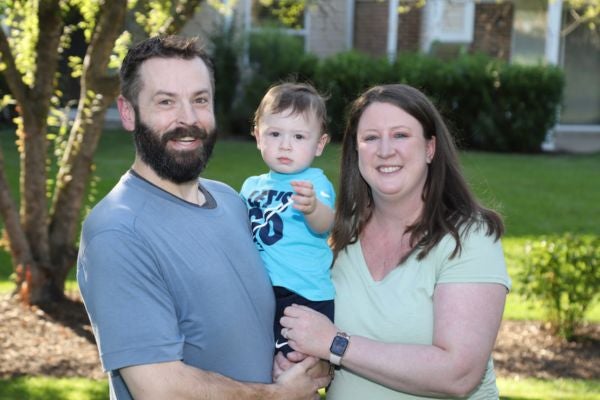
Gastric sleeve surgery at Ascension Alexian Brothers helped this Elk Grove Village man lose 285 pounds and gain a family.
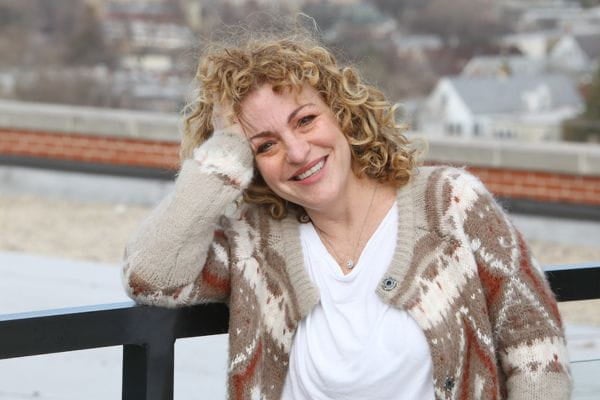
September 7, 2023
A long relationship of trust with her OB-GYN at Ascension Illinois led to the removal of a massive growth from her uterus.
September 5, 2023
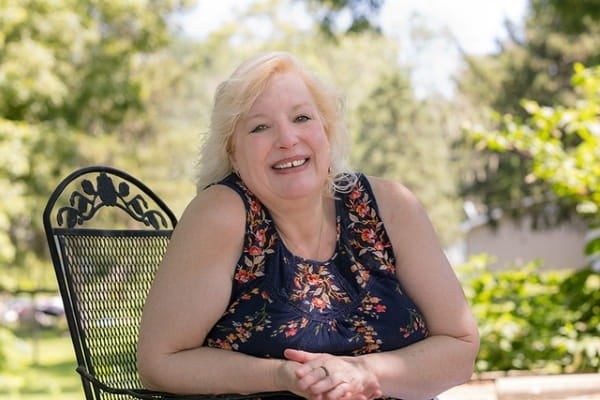
This Illinois woman was tired of dealing with incontinence, so she found care at Ascension Saint Alexius in Hoffman Estates, IL.
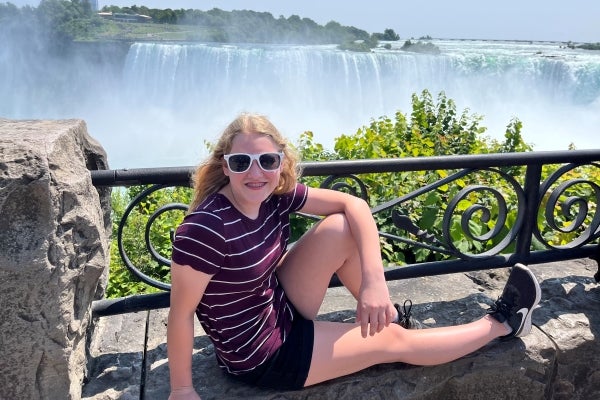
An Ascension Saint Alexius pain specialist got this student athlete back on her feet. Now she’s helping others recognize the symptoms of CRPS.
August 18, 2023
On this Healthcast episode, Ascension Illinois cardiologist Baqir Lakhani walks you through heart failure symptoms and the latest treatment options.
April 27, 2023
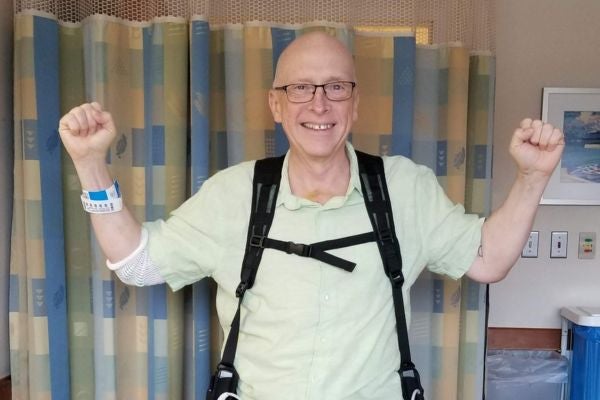
Matt is doing more than surviving. He’s thriving thanks to his indomitable spirit, his Illinois care team and heart pump implant technology.

After a fall almost caused her to give up on music, Jewel returned to her passion with help from a caring pain management specialist.

February 27, 2023
A Chicago-based anxiety expert and clinical director at Ascension Illinois, Katie Torres shares ways to decrease overthinking with three exercises you can do right now.