
Do people with early heart disease have symptoms?
September 21, 2026
Signs of heart disease aren’t always obvious. Some people notice chest discomfort, shortness of breath or unusual fatigue, while others don’t notice any changes at all.
Cardiologists and heart surgeons at Ascension Illinois in Chicagoland deliver advanced heart and valve care.

Cardiologists and heart surgeons at Ascension Illinois in Chicagoland deliver advanced heart and valve care.
When you need advanced, specialized care for heart valve and structural heart conditions, Ascension Illinois delivers advanced diagnostics and imaging, minimally invasive therapies, surgical care, and rehabilitation support. From treatment through recovery,we provide personalized, compassionate heart care that’s right for you.
Ascension Alexian Brothers Valve Clinic, part of Ascension Illinois Heart and Vascular Institute, has provided innovative, high-quality valve care since 2014. Our team has performed thousands of procedures, including over 400 transcatheter interventions in the past year.
As part of a multidisciplinary structural heart team, interventional cardiologists, imaging specialists, cardiothoracic surgeons and other experts collaborate to make the best recommendations as quickly and efficiently as possible.
Many patients having elective transcatheter interventions are discharged home the same day or the day after the procedure.
Cardiologists at Ascension Illinois specialize in heart and valve disease, which is when one or more heart valves don’t work properly. The valves normally keep blood flow moving forward in one direction. And they prevent the backward flow of blood as it leaves each chamber of the heart.
There are two main types of heart valve disease:
Heart valves can develop both regurgitation and stenosis at the same time. Also, more than one heart valve can be affected at the same time.
Structural heart care also includes minimally invasive therapies for conditions affecting the heart’s valves and structures, including stroke-risk reduction procedures and catheter-based valve repair options. These advanced treatment options can help improve blood flow. Reduce symptoms, and lower stroke risk for some patients without open-heart surgery.
Common symptoms of heart valve disease and heart arrhythmias include:
Ascension Illinois treats a wide variety of heart valve and structural heart conditions, including:
Your doctor may think you have heart valve disease if your heart doesn’t sound right through a stethoscope. They may hear abnormal sounds because of abnormal blood flow across a valve.
This is also known as a cardiac or heart cath. For this test, your doctor guides a small catheter (hollow tube) through the large artery in your upper leg, or sometimes your wrist or arm, into your heart. This procedure lets your doctor take a close look at the heart to identify concerns and to perform other tests or procedures.
This imaging procedure uses an X-ray machine and a computer to create 3-D pictures of the heart. Sometimes a dye is injected into a vein so that your heart arteries can also be seen. Sometimes medicine is given to lower your heart rate so it captures a better image. It can also be used to find out how much calcium is in your heart arteries. Calcium is a marker for coronary artery disease.
This procedure uses a combination of large magnets, radio waves, and a computer to make detailed images of organs and structures in your body. Your doctor may order an MRI of the heart to look at the heart valves and major vessels. It can also detect coronary artery disease and how much damage it has caused. It can also assess heart problems that have been present since birth. It can find tumors and other conditions. Your doctor may order this test before other procedures such as angioplasty or stenting of the coronary arteries and heart or vascular surgery.
A chest X-ray is a quick, noninvasive imaging test that provides a detailed picture of the inside of your chest, helping your care team detect signs of a heart condition.
It's used to check the heart's function and structures. During the procedure, a transducer (like a microphone) sends out sound waves at a frequency too high to be heard. When the transducer is placed on the chest at certain locations and angles, the sound waves move through the skin and other body tissues to the heart tissues. The waves bounce or "echo" off the heart structures. These sound waves are sent to a computer that can create moving images on the screen of the heart walls and valves.
This is also called a treadmill or exercise ECG. This test is done to monitor the heart while you walk on a treadmill or pedal a stationary bike. Your doctor also monitors your breathing and blood pressure. A stress test may be used to detect coronary artery disease, or to determine safe levels of exercise after a heart attack or heart surgery. This test can also be done using special medicines that stress the heart in a similar manner as exercise does. Sometimes a stress test will collect ECG information along with heart ultrasound pictures. This is called an exercise or stress echocardiogram (echo). It's more sensitive and specific than ECG stress testing alone.
This test is similar to a transthoracic echocardiogram. But it's done with medicine to help you relax (sedation). It's considered invasive because a probe is put into your body. In this test, you will swallow a small probe about the size of your thumb. The probe passes down the esophagus, which lies directly behind the heart. It allows a much closer look at the heart's structure and function than a standard echocardiogram done on the skin of the chest. It can better look at heart valve structure and function. Your doctor can better see any blood clots that may be in the heart.
Treatment for heart valve disease may include medication, therapy or surgery.
Our facility also provides advanced heart failure support, including active extracorporeal membrane oxygenation (ECMO) and left ventricular assist device (LVAD) programs when
needed.
When traditional TAVR approaches can’t be used, our team has extensive experience in alternative access techniques, including transcarotid, transapical and transaxillary approaches.
For this nonsurgical procedure, a special hollow tube (catheter) is put into a blood vessel in the groin and guided into the heart. At the tip of the catheter is a deflated balloon that is inserted into the narrowed heart valve. Once in place, the balloon is inflated to stretch the valve open, and then removed. This procedure is only used to treat stenotic (narrowed) valves.
A device may be used to close off the left atrial appendage in some cases. This can prevent stroke without having to use lifelong blood thinners. The left atrial appendage is the area within the heart where most blood clots form. By closing this area off, any clots that form there cannot get out to travel to the brain to cause a stroke. The device is implanted without heart surgery. This device is not right for everyone. It is generally considered in those who are at high risk for stroke, as well as high risk for bleeding. Even with the device, you may need to take blood thinners in the short-term.
Your cardiologist may recommend medications to help manage your heart condition. Mediation may be used to lower blood pressure, prevent blood clots, lower cholesterol and more.
In some cases, a minimally invasive procedure may be used to close leaks around a prior surgical or transcatheter valve replacement.
Transcatheter aortic valve replacement (TAVR) is a procedure that replaces a diseased aortic valve with a man-made valve. The TAVR procedure may be recommended as an alternative to open heart surgery. The old heart valve is not removed but acts like an anchor for the new heart valve. This procedure is done through small cuts (incisions) using a long, thin tube (catheter), X-rays, and ultrasound.
Minimally invasive edge-to-edge repair procedures may be used to treat leaking mitral or tricuspid valves, helping improve symptoms and blood flow without open-heart surgery.
These are minimally invasive procedures. The healthcare provider replaces the heart valves. It's done through an artery (for the aortic valve) or a vein (for the tricuspid, pulmonary, or mitral valve) and is often performed from the groin.
Cardiac surgeons treat complex heart valve disease to repair damaged heart valves through open heart surgery and minimally invasive procedures, including TAVR and MitraClip™. When one or both of your valves do not open or close correctly, it can lead to reduced blood flow, cause the heart to work harder, and result in symptoms such as fatigue, shortness of breath, chest pain, fainting, or even heart failure.
For some patients who have previously had a valve replacement, a new valve may be placed inside the existing valve using a minimally invasive catheter-based approach.
Decisions about your heart care are important. Getting a second opinion not only provides more information about your condition, but it can help you feel more confident in the doctor and the care plan you choose. Consider getting a second opinion if:
To make an appointment, a referral should be made by your primary care doctor or another specialist. Once the referral is received and reviewed, you will be contacted to schedule an appointment with a cardiologist.
If you are experiencing a life-threatening emergency, go directly to the ER or call 911.
All registered marks are property of their respective owners. All rights reserved.
September 21, 2026
Signs of heart disease aren’t always obvious. Some people notice chest discomfort, shortness of breath or unusual fatigue, while others don’t notice any changes at all.

September 17, 2026
Stress doesn’t directly cause a UTI, but it can affect your body in ways that make urinary symptoms feel worse. Stress and anxiety can also trigger overactive bladder symptoms that may feel similar to a UTI. A urogynecologist shares tips to help tell the difference.

August 25, 2026
Sciatica pain can make it difficult to sit, sleep, walk or stay active. The good news? Simple self-care strategies at home may help relieve pain, reduce inflammation and improve mobility.
August 25, 2026
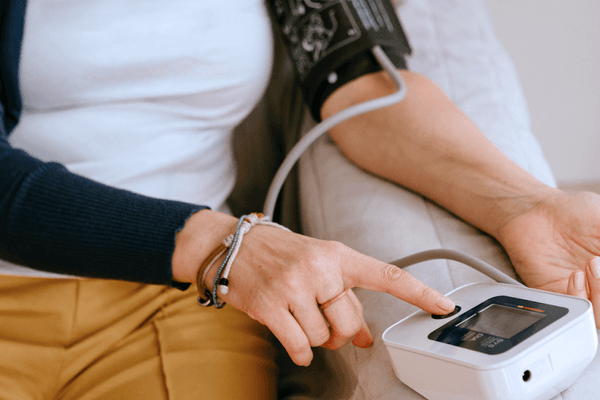
Blood pressure readings include two numbers: systolic and diastolic. Together, they show how much pressure blood puts on your artery walls when your heart beats and rests. An ideal blood pressure reading is less than 130/80.
August 19, 2026
After a ruptured brain aneurysm in March 2026, an Itasca resident regained independence through collaborative care and rehabilitation at Ascension Alexian Brothers Rehabilitation Hospital.

After decades of knee pain, a left knee replacement at Ascension Saint Alexius in Hoffman Estates helped a retired barber get back to golf with care from orthopedic surgeon, Dr. Paul S. Nourbash.

February 18, 2026
Ascension Alexian Brothers Behavioral Health Hospital Behavioral Health therapist, Kelly Hayden, shares four ways you can overcome seasonal blues this winter.
February 4, 2026
Ascension Illinois cardiologist Dr. Andrei Pop shares how harsh winter weather affects the heart, and what you can do to protect yourself.

Kelly Hayden, MA, LCP, NCC, behavioral health therapist at Ascension Alexian Brothers Behavioral Health Hospital shares ways first responders can manage the stress of the holidays.

If incidents occur this Fourth of July, knowing where and when to get immediate and emergency care is important.

June 23, 2025
Ascension urgent care and orthopedic teams are here to help you manage your summer injury.
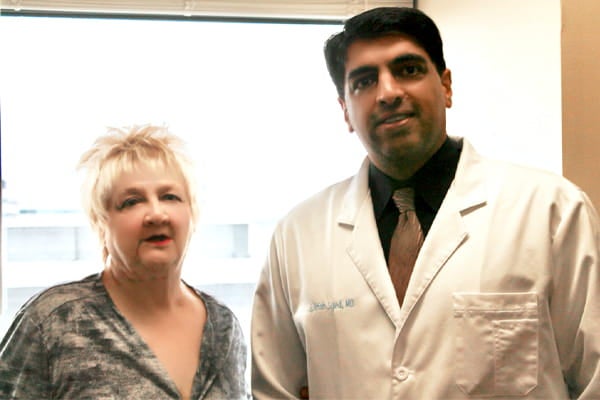
Salahuddin Syed, MD, psychiatrist at Ascension Alexian Brothers Behavioral Health Hospital in Hoffman Estates, Illinois, treats patients with advanced depression with electroconvulsive therapy.

April 17, 2025
Sarah Briley, EdD, LCPC, CADC, service line director for adult services at Ascension Alexian Brothers Behavioral Health Hospital, shares five ways being in community with others can benefit your mental health.
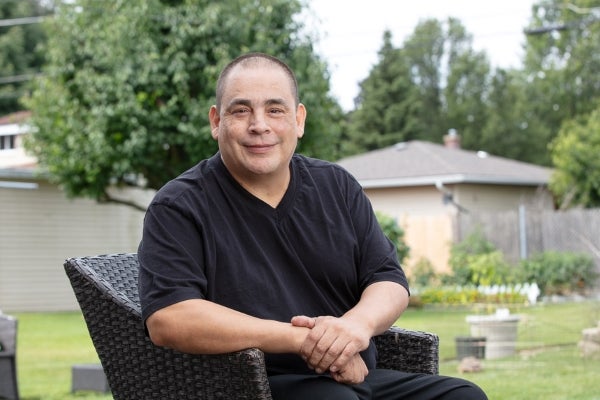
Gastroenterologist, Bipan Chand, MD, at Ascension Illinois, helps man recover from cancer for the second time by using a robotic colon resection.

Bipan Chand, MD, a gastroenterologist at Ascension Illinois in Chicago, performed a robotic colon resection to treat diverticulitis, a colon disease.
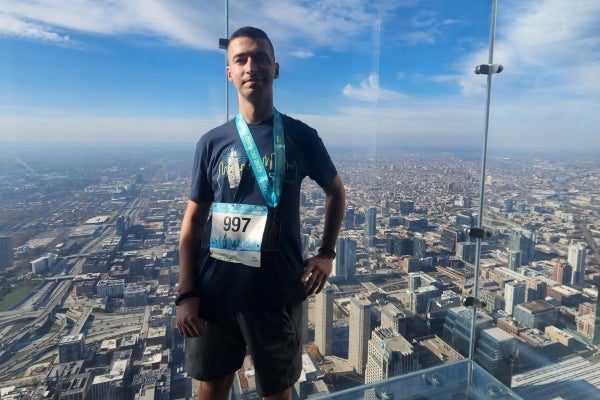
Neurosurgeon at Ascension Illinois performs life saving craniectomy on a young stroke survivor.

Breast cancer at a young age didn’t defer this Wheeling woman’s dream trip to Antarctica thanks to the Ascension Alexian Brothers care team.
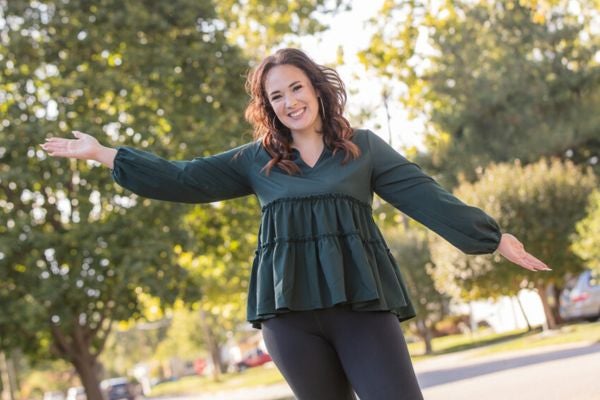
A Rockford, IL woman lost 111 pounds at the age of 24 after having gastric bypass surgery at Ascension Alexian Brothers.
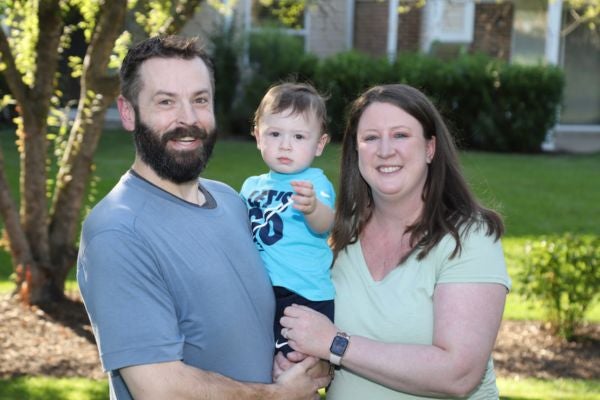
Gastric sleeve surgery at Ascension Alexian Brothers helped this Elk Grove Village man lose 285 pounds and gain a family.
September 7, 2023
A long relationship of trust with her OB-GYN at Ascension Illinois led to the removal of a massive growth from her uterus.
September 5, 2023
This Illinois woman was tired of dealing with incontinence, so she found care at Ascension Saint Alexius in Hoffman Estates, IL.

An Ascension Saint Alexius pain specialist got this student athlete back on her feet. Now she’s helping others recognize the symptoms of CRPS.

August 18, 2023
On this Healthcast episode, Ascension Illinois cardiologist Baqir Lakhani walks you through heart failure symptoms and the latest treatment options.
April 27, 2023
Matt is doing more than surviving. He’s thriving thanks to his indomitable spirit, his Illinois care team and heart pump implant technology.

After a fall almost caused her to give up on music, Jewel returned to her passion with help from a caring pain management specialist.

February 27, 2023
A Chicago-based anxiety expert and clinical director at Ascension Illinois, Katie Torres shares ways to decrease overthinking with three exercises you can do right now.