
Do people with early heart disease have symptoms?
September 21, 2026
Signs of heart disease aren’t always obvious. Some people notice chest discomfort, shortness of breath or unusual fatigue, while others don’t notice any changes at all.
Blood cancers, such as leukemia, begin in the bone marrow, where blood cells are made. These cancers affect how blood cells grow and function.
Hematology specialists diagnose and treat blood cancers and other blood disorders, including leukemia, lymphoma, multiple myeloma, anemia, and bleeding and clotting disorders.
Brain and spinal cord tumors can affect how the nervous system works. They may also affect nearby areas of the brain or spinal cord depending on their size and location.
Some tumors are cancerous (malignant), while others are noncancerous (benign). Both types can affect how the brain and spinal cord function.
Spinal cord tumors form or around the spinal cord, which carries signals between the brain and the rest of your body.
Breast cancer is the most common type of cancer for women in the United States after skin cancers, with 1 in 8 women developing breast cancer during their lifetime.
Breast cancer develops when the healthy cells in the breast begin to change by growing and functioning in a different way. These cancerous cells can begin to build up and form a mass called a tumor, which exists as a lump inside your breast.
Colorectal cancer starts in the colon or rectum, which are part of the digestive system. Colon cancer often has no symptoms in its early stages, which is why prevention and detection are so important.
Gastrointestinal (GI) cancers affect organs involved in digestion, including the stomach, liver, pancreas and intestines.
Gynecological cancer affects women’s reproductive organs, including the cervix, fallopian tubes, ovaries, uterus, vagina and vulva. All women are at risk for gynecologic cancer, but there are ways to lower that risk. Advances in screening and treatment have improved outcomes, especially when these cancers are treated early.
Head and neck cancers develop in the head and neck region and can affect your voice box (or larynx), nasal cavity, oral cavity (mouth, lips, gums, tongue, tonsils and roof of the mouth), sinuses, throat (or pharynx), thyroid gland or esophagus.
Lung and chest cancers develop in the lungs or structures in the chest that support breathing. Your lungs are two sponge-like organs located on each side of your chest, responsible for supplying oxygen to your body. There are two main types of lung cancer:
Prostate cancer develops in the prostate gland and is the second most common cancer in men in the United States after skin cancers. Because early-stage prostate cancer may not show symptoms, some men may not realize there is an issue — possibly for years.
Urologic cancers affect the urinary system and, in men, the reproductive system.
Skin cancer starts in the cells of the skin and can affect nearby tissue. Over time, it may spread to other areas of the body.
Common types of skin cancer include basal cell carcinoma,squamous cell carcinoma and melanoma. These types of skin cancers are often caused by ultraviolet (UV) exposure over time.
If you are experiencing a life-threatening emergency, go directly to the ER or call 911.
All registered marks are property of their respective owners. All rights reserved.
September 21, 2026
Signs of heart disease aren’t always obvious. Some people notice chest discomfort, shortness of breath or unusual fatigue, while others don’t notice any changes at all.

September 17, 2026
Stress doesn’t directly cause a UTI, but it can affect your body in ways that make urinary symptoms feel worse. Stress and anxiety can also trigger overactive bladder symptoms that may feel similar to a UTI. A urogynecologist shares tips to help tell the difference.

August 25, 2026
Sciatica pain can make it difficult to sit, sleep, walk or stay active. The good news? Simple self-care strategies at home may help relieve pain, reduce inflammation and improve mobility.
August 25, 2026
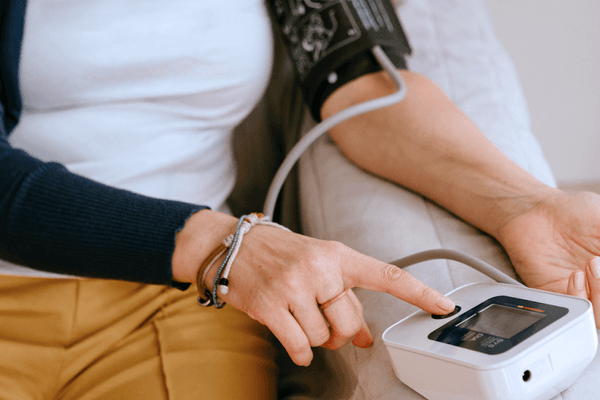
Blood pressure readings include two numbers: systolic and diastolic. Together, they show how much pressure blood puts on your artery walls when your heart beats and rests. An ideal blood pressure reading is less than 130/80.
August 19, 2026
After a ruptured brain aneurysm in March 2026, an Itasca resident regained independence through collaborative care and rehabilitation at Ascension Alexian Brothers Rehabilitation Hospital.

After decades of knee pain, a left knee replacement at Ascension Saint Alexius in Hoffman Estates helped a retired barber get back to golf with care from orthopedic surgeon, Dr. Paul S. Nourbash.

February 18, 2026
Ascension Alexian Brothers Behavioral Health Hospital Behavioral Health therapist, Kelly Hayden, shares four ways you can overcome seasonal blues this winter.

February 4, 2026
Ascension Illinois cardiologist Dr. Andrei Pop shares how harsh winter weather affects the heart, and what you can do to protect yourself.
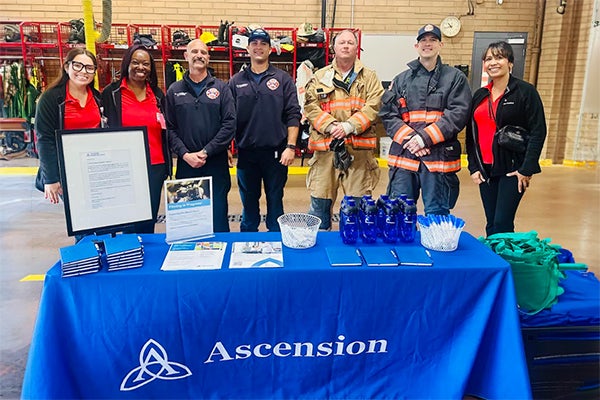
Kelly Hayden, MA, LCP, NCC, behavioral health therapist at Ascension Alexian Brothers Behavioral Health Hospital shares ways first responders can manage the stress of the holidays.

If incidents occur this Fourth of July, knowing where and when to get immediate and emergency care is important.

June 23, 2025
Ascension urgent care and orthopedic teams are here to help you manage your summer injury.
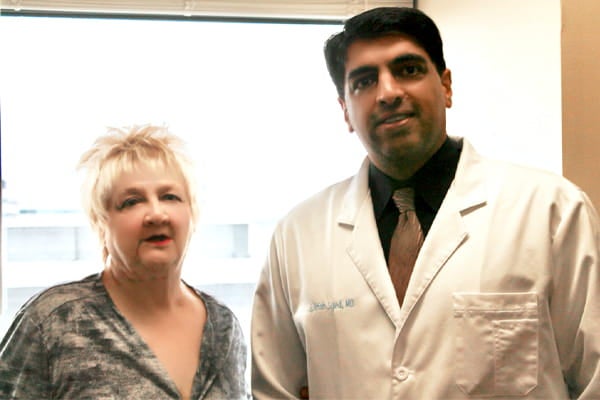
Salahuddin Syed, MD, psychiatrist at Ascension Alexian Brothers Behavioral Health Hospital in Hoffman Estates, Illinois, treats patients with advanced depression with electroconvulsive therapy.

April 17, 2025
Sarah Briley, EdD, LCPC, CADC, service line director for adult services at Ascension Alexian Brothers Behavioral Health Hospital, shares five ways being in community with others can benefit your mental health.

Gastroenterologist, Bipan Chand, MD, at Ascension Illinois, helps man recover from cancer for the second time by using a robotic colon resection.

Bipan Chand, MD, a gastroenterologist at Ascension Illinois in Chicago, performed a robotic colon resection to treat diverticulitis, a colon disease.

Neurosurgeon at Ascension Illinois performs life saving craniectomy on a young stroke survivor.

Breast cancer at a young age didn’t defer this Wheeling woman’s dream trip to Antarctica thanks to the Ascension Alexian Brothers care team.

A Rockford, IL woman lost 111 pounds at the age of 24 after having gastric bypass surgery at Ascension Alexian Brothers.
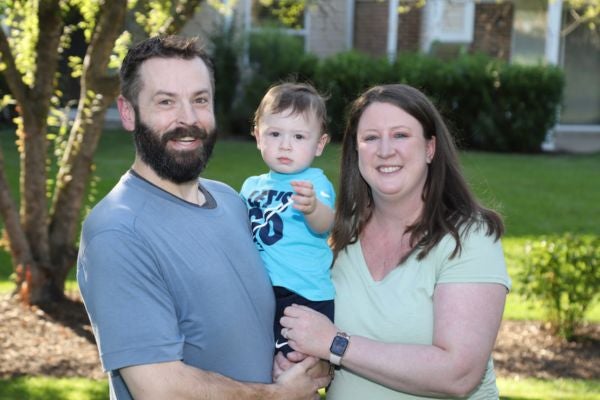
Gastric sleeve surgery at Ascension Alexian Brothers helped this Elk Grove Village man lose 285 pounds and gain a family.

September 7, 2023
A long relationship of trust with her OB-GYN at Ascension Illinois led to the removal of a massive growth from her uterus.

September 5, 2023
This Illinois woman was tired of dealing with incontinence, so she found care at Ascension Saint Alexius in Hoffman Estates, IL.

An Ascension Saint Alexius pain specialist got this student athlete back on her feet. Now she’s helping others recognize the symptoms of CRPS.

August 18, 2023
On this Healthcast episode, Ascension Illinois cardiologist Baqir Lakhani walks you through heart failure symptoms and the latest treatment options.
April 27, 2023
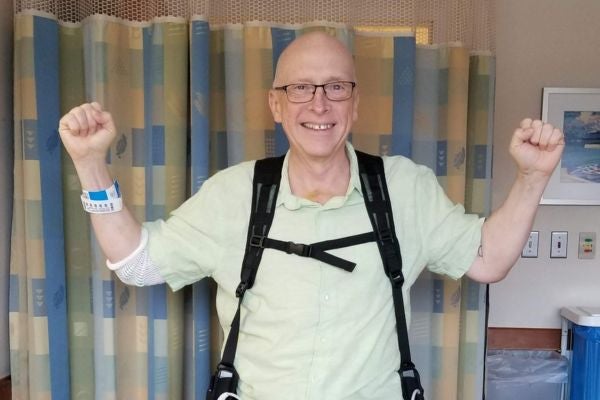
Matt is doing more than surviving. He’s thriving thanks to his indomitable spirit, his Illinois care team and heart pump implant technology.

After a fall almost caused her to give up on music, Jewel returned to her passion with help from a caring pain management specialist.

February 27, 2023
A Chicago-based anxiety expert and clinical director at Ascension Illinois, Katie Torres shares ways to decrease overthinking with three exercises you can do right now.