
A parent’s guide to Halloween candy safety
October 22, 2026
Simple tips for helping kids enjoy Halloween safely
Our team provides compassionate, personalized care for conditions affecting the brain and spine. Our experienced providers work with you to understand your needs, explain your options clearly and support your healing — body, mind, and spirit.
Our specialists use advanced technology and thoughtful planning to treat brain tumors while protecting healthy tissue. We work closely with you and your loved ones to provide care that supports your goals and overall well-being.
This therapy uses mild electrical signals to help regulate certain brain activity. It may help improve symptoms of conditions like Parkinson’s disease and support a better quality of life.
When a disc in the spine presses on a nerve, it can affect how you feel and move. This procedure gently removes the portion causing pressure, helping restore comfort and support daily function.
This approach treats certain brain and spine conditions without traditional surgery. Using advanced imaging, we deliver targeted care designed to protect healthy tissue and support effective treatment.
These treatments help strengthen small fractures in the spine, often related to bone loss. By restoring stability, they can help reduce pain and support your ability to stay active.
These advanced techniques use small incisions to treat spine conditions while minimizing impact on surrounding tissue. Our goal is to help reduce discomfort, support a smoother recovery and help you return to the activities that matter most.
This therapy uses a small device to send gentle signals that can help reduce how pain is experienced. It is one of several options we may explore together to improve comfort and daily life.
This treatment helps reduce pressure on the spinal cord or nerves by creating more room within the spine. It is designed to ease discomfort and help you move more freely.
Spinal fusion connects parts of the spine to improve stability when movement is causing pain. Your care team will guide you through each step, focusing on comfort, safety and long-term well-being.
Our care teams respond quickly to restore blood flow to the brain during a stroke. We also provide ongoing rehabilitation and support to help you regain independence and confidence.
October 22, 2026
Simple tips for helping kids enjoy Halloween safely

September 21, 2026
Signs of heart disease aren’t always obvious. Some people notice chest discomfort, shortness of breath or unusual fatigue, while others don’t notice any changes at all.

September 17, 2026
Stress doesn’t directly cause a UTI, but it can affect your body in ways that make urinary symptoms feel worse. Stress and anxiety can also trigger overactive bladder symptoms that may feel similar to a UTI. A urogynecologist shares tips to help tell the difference.
August 25, 2026
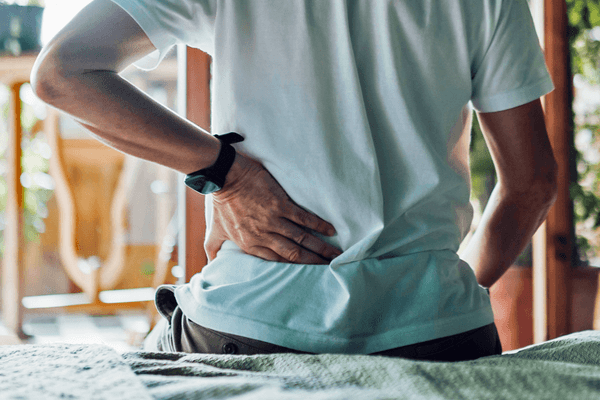
Sciatica pain can make it difficult to sit, sleep, walk or stay active. The good news? Simple self-care strategies at home may help relieve pain, reduce inflammation and improve mobility.
August 25, 2026
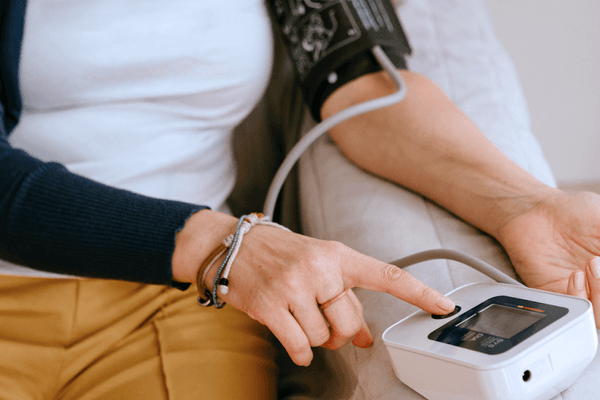
Blood pressure readings include two numbers: systolic and diastolic. Together, they show how much pressure blood puts on your artery walls when your heart beats and rests. An ideal blood pressure reading is less than 130/80.
August 19, 2026
After a ruptured brain aneurysm in March 2026, an Itasca resident regained independence through collaborative care and rehabilitation at Ascension Alexian Brothers Rehabilitation Hospital.

After decades of knee pain, a left knee replacement at Ascension Saint Alexius in Hoffman Estates helped a retired barber get back to golf with care from orthopedic surgeon, Dr. Paul S. Nourbash.

February 18, 2026
Ascension Alexian Brothers Behavioral Health Hospital Behavioral Health therapist, Kelly Hayden, shares four ways you can overcome seasonal blues this winter.
February 4, 2026
Ascension Illinois cardiologist Dr. Andrei Pop shares how harsh winter weather affects the heart, and what you can do to protect yourself.
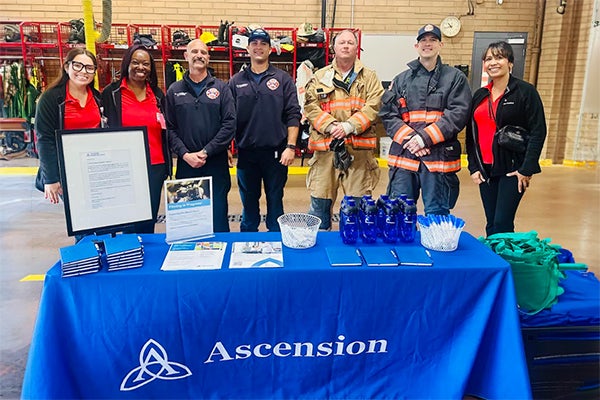
Kelly Hayden, MA, LCP, NCC, behavioral health therapist at Ascension Alexian Brothers Behavioral Health Hospital shares ways first responders can manage the stress of the holidays.

If incidents occur this Fourth of July, knowing where and when to get immediate and emergency care is important.
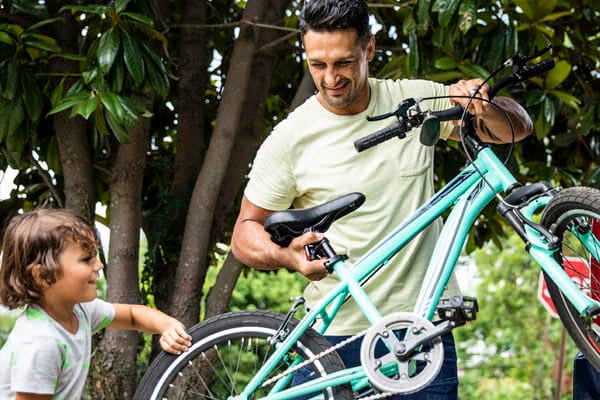
June 23, 2025
Ascension urgent care and orthopedic teams are here to help you manage your summer injury.
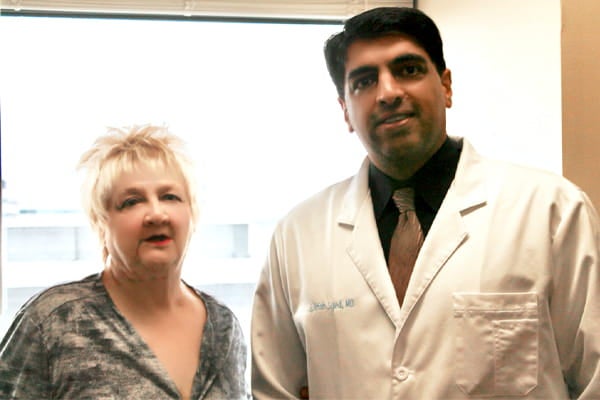
Salahuddin Syed, MD, psychiatrist at Ascension Alexian Brothers Behavioral Health Hospital in Hoffman Estates, Illinois, treats patients with advanced depression with electroconvulsive therapy.

April 17, 2025
Sarah Briley, EdD, LCPC, CADC, service line director for adult services at Ascension Alexian Brothers Behavioral Health Hospital, shares five ways being in community with others can benefit your mental health.
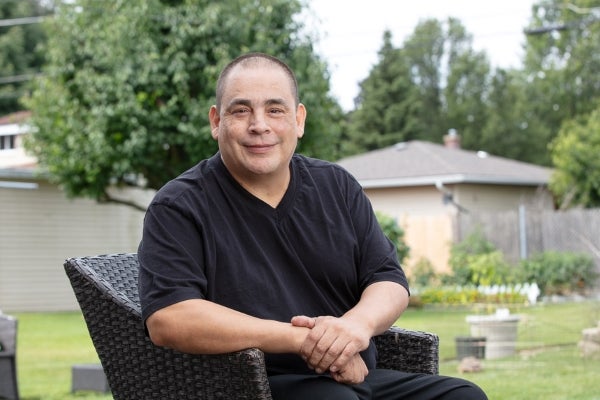
Gastroenterologist, Bipan Chand, MD, at Ascension Illinois, helps man recover from cancer for the second time by using a robotic colon resection.
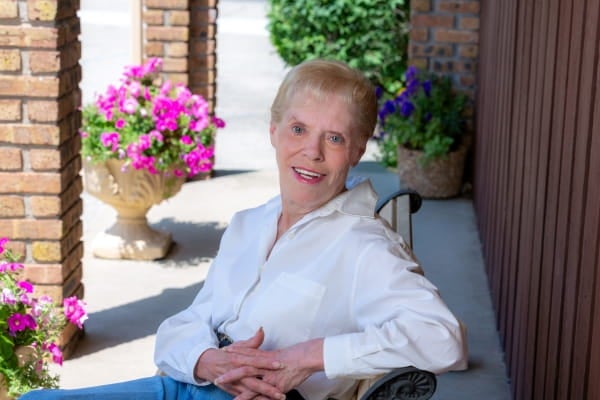
Bipan Chand, MD, a gastroenterologist at Ascension Illinois in Chicago, performed a robotic colon resection to treat diverticulitis, a colon disease.
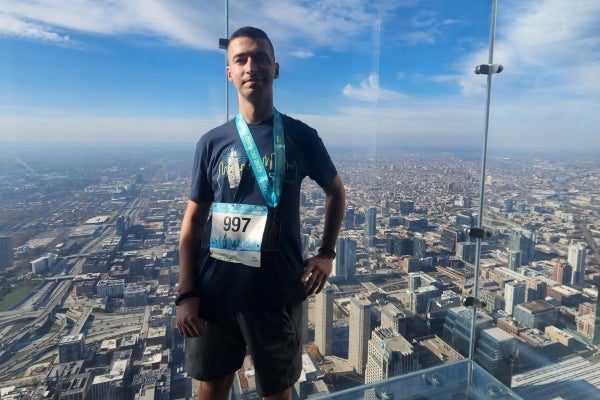
Neurosurgeon at Ascension Illinois performs life saving craniectomy on a young stroke survivor.

Breast cancer at a young age didn’t defer this Wheeling woman’s dream trip to Antarctica thanks to the Ascension Alexian Brothers care team.
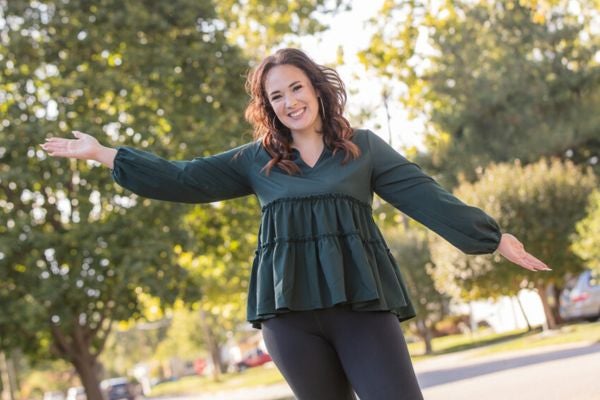
A Rockford, IL woman lost 111 pounds at the age of 24 after having gastric bypass surgery at Ascension Alexian Brothers.
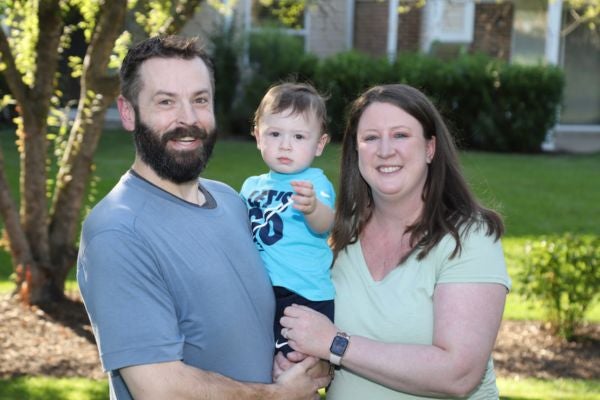
Gastric sleeve surgery at Ascension Alexian Brothers helped this Elk Grove Village man lose 285 pounds and gain a family.
September 7, 2023
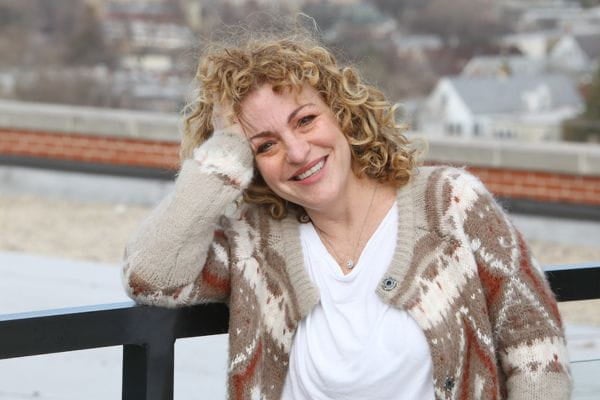
A long relationship of trust with her OB-GYN at Ascension Illinois led to the removal of a massive growth from her uterus.
September 5, 2023
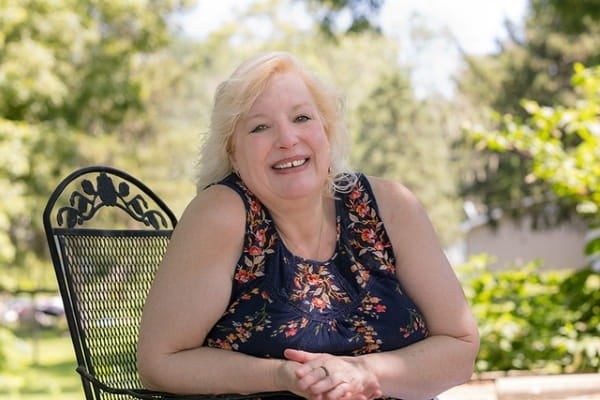
This Illinois woman was tired of dealing with incontinence, so she found care at Ascension Saint Alexius in Hoffman Estates, IL.
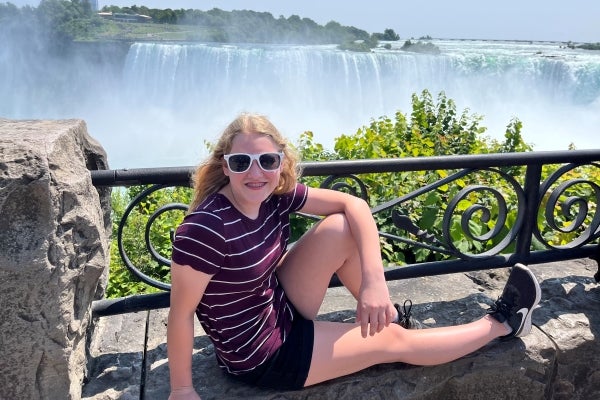
An Ascension Saint Alexius pain specialist got this student athlete back on her feet. Now she’s helping others recognize the symptoms of CRPS.

August 18, 2023
On this Healthcast episode, Ascension Illinois cardiologist Baqir Lakhani walks you through heart failure symptoms and the latest treatment options.
April 27, 2023
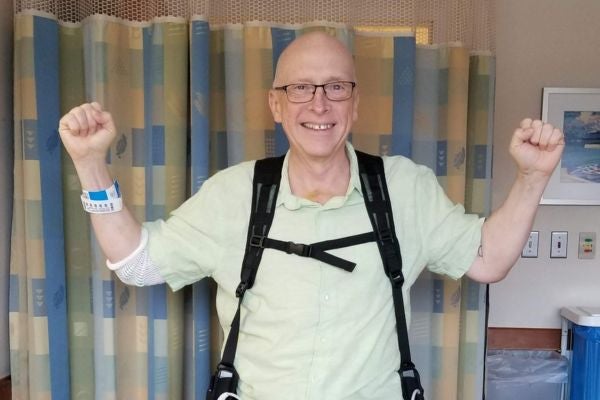
Matt is doing more than surviving. He’s thriving thanks to his indomitable spirit, his Illinois care team and heart pump implant technology.

After a fall almost caused her to give up on music, Jewel returned to her passion with help from a caring pain management specialist.

February 27, 2023
A Chicago-based anxiety expert and clinical director at Ascension Illinois, Katie Torres shares ways to decrease overthinking with three exercises you can do right now.