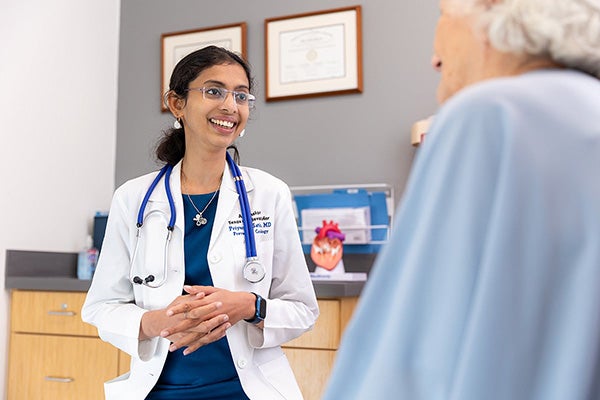
Six facts women should know about their heart
February 3, 2026
In recognition of American Heart Month, Priyanka Satish, MD, director of preventive cardiology at Ascension Seton in Central Texas, shares six heart health facts every woman should know.
Specialists at Ascension Seton in Central Texas, deliver advanced care for adults with heart failure using ECMO.

Specialists at Ascension Seton in Central Texas, deliver advanced care for adults with heart failure using ECMO.
The extra corporeal membrane oxygenation (ECMO) program and experienced care teams at Ascension Seton Medical Center Austin provide advanced care for patients who have life-threatening lung and heart conditions, including severe heart and respiratory failure, and who are critically ill.
This advanced technology is used to temporarily provide respiratory support and blood circulation– allowing your lungs and heart to rest while they are recovering from illness or injury. ECMO may also be used while you are waiting for a heart or lung transplant. This machine maintains blood flow and oxygen to vital organs, like the brain, kidneys and liver.
ECMO is used when:
A surgeon places one or more plastic tubes, called a cannula, into large blood vessels in your chest, neck or groin. The ECMO pump circulates your blood through the machine’s artificial lung or oxygenator. Carbon dioxide is removed from the blood and oxygen is added. As oxygenated blood leaves the oxygenator, it is warmed before returning to your body.
A member of your care team is with you 24/7 to monitor your machine and provide care. Your doctor uses blood tests, X-rays and other tests to make sure you are responding well to your treatment.
There are two types of ECMO support:
Our ECMO-trained specialists deliver advanced care for complex heart and lung conditions, including:
Respiratory failure
Early consultation with the ECMO care team can help physicians know when to refer patients to an ECMO program. A transfer may be recommended for patients who have received appropriate medical management and meet criteria for ECMO. For patient transfers, call the Ascension Seton Transfer Center at 512-324-3515.
Your patients and their families can expect compassionate, personalized care from the moment our specialists connect with them. Our specialists start by listening to fully understand their needs and develop an individualized care plan.
Knowing when to refer your patient to an ECMO center can be challenging. Early consultation with an ECMO center can help you know when to refer your patient for ECMO. A transfer may be needed when a patient who has received appropriate medical management meets one or more of the following:
Refer a patient by calling 512-681-0500.
If you are experiencing a life-threatening emergency, go directly to the ER or call 911.
All registered marks are property of their respective owners. All rights reserved.
February 3, 2026
In recognition of American Heart Month, Priyanka Satish, MD, director of preventive cardiology at Ascension Seton in Central Texas, shares six heart health facts every woman should know.
February 3, 2026
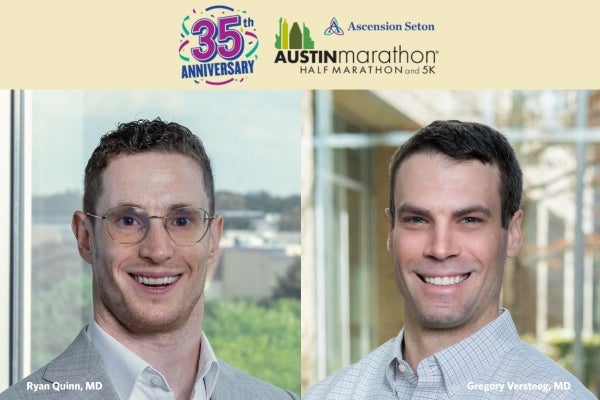
Ascension Seton cardiologist Ryan Quinn, MD, and orthopedic surgeon Gregory Versteeg, MD, share tips to help Central Texans prepare safely for race day.
January 12, 2026
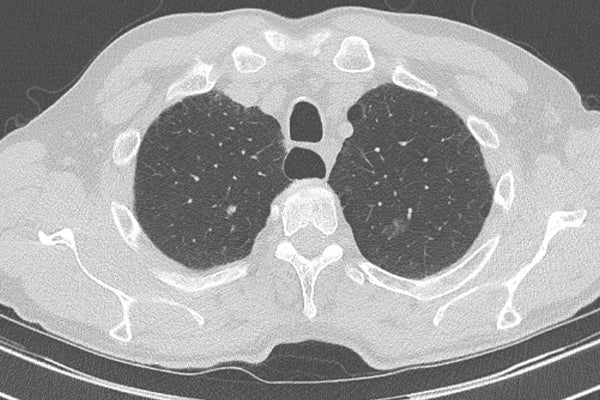
Ascension Seton and Ascension Providence offer a range of lung cancer care services focused on early detection and screening in Central Texas.
December 11, 2025
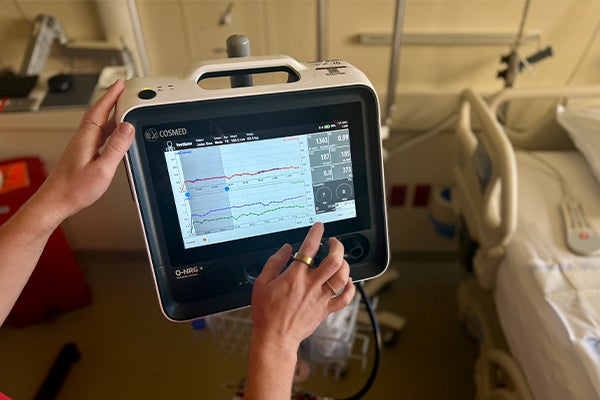
Ascension Seton Medical Center Austin is the first to use an advanced metabolic monitor that helps care teams understand the energy needs of ICU patients in Central Texas.

November 11, 2025
This Veterans Day, Ascension Seton and Ascension Providence honor the veterans who are part of the Central Texas communities we serve.
October 30, 2025
Ascension Seton makes scheduling your annual mammogram easy with imaging centers located throughout Central Texas.

October 28, 2025
To make sure your family enjoys a happy and healthy celebration, the team at Dell Children’s has gathered tips for staying safe on Halloween.

If incidents occur this Fourth of July, knowing where and when to get immediate and emergency care is important.

June 23, 2025
Ascension urgent care and orthopedic teams are here to help you manage your summer injury.
June 12, 2025
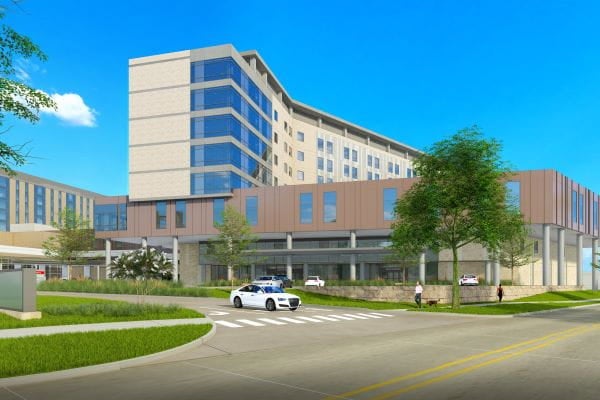
Opening in early 2026, Ascension Seton Women’s Hospital in Austin, Texas will deliver advanced maternal and fetal care, including high-risk pregnancy care and 24/7 emergency services, as well as gynecologic care.

Dell Children's Comprehensive Epilepsy Center at Ascension Seton provides advanced neurologic care for epilepsy in children.

Dell Children's Medical Center has the only Neuro Neonatal Intensive Care Unit Program to care for patients in vitro and in the NICU for neurological diagnosis in Austin, Texas.
October 16, 2024
Dell Children’s Medical Center Named High-Performing in 6 Specialty Areas

January 26, 2024
Dell Children’s heart team repaired an Austin newborn’s heart valve in three surgeries to help her live a normal life.

November 15, 2023
A prayer for peace to help guide your daily reflections.

September 28, 2023
Dell Children’s Blood and Cancer doctors in Austin, TX treat rare genetic blood disease in a three-year-old boy.

September 27, 2023
Ascension Seton women’s tower centralizes comprehensive care for women in Central Texas.
Pediatric heart surgeon, Dr. Charles Fraser, discusses pediatric and congenital heart disease at Dell Children’s in Central Texas.
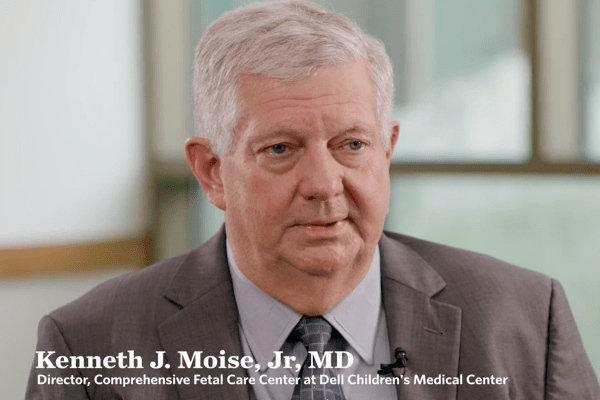
Comprehensive Fetal Care Center at Dell Children's Medical Center provides advanced surgery options for complex in-utero conditions in Central Texas.
Dell Children’s Comprehensive Fetal Care Center is the only fetal care center in Central Texas, caring for complex and rare fetal conditions.

Families find support and emotional health care for conditions like anxiety in children at Dell Children’s Medical Center.

Austin family considers Dell Children’s Medical Center a second home after their son is cared for by experienced pediatric oncology teams for rare leukemia twice.

Austin family finds comfort from Dell Children’s Medical Center fetal cardiac program that repaired their son’s heart with three surgeries.