How long does the flu last?
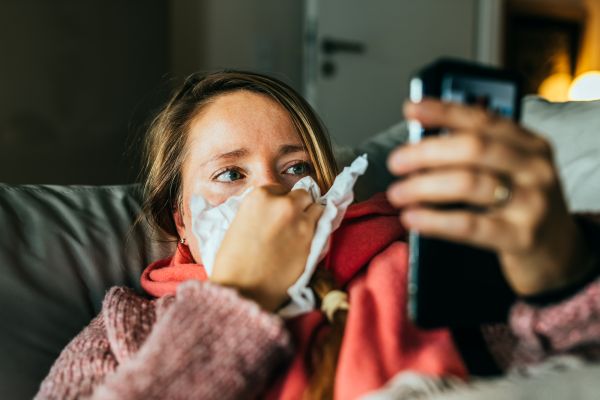
The flu usually lasts 7 to 10 days, but some symptoms can linger longer
You finally wake up without a fever, but you're still exhausted, congested and coughing. Is that normal when you have the flu?
Actually, it is, says infectious disease physician Dr. Curtis Behenna.
The flu typically lasts about 7 to 10 days, but recovering doesn't happen all at once. Your fever may be gone after a few days, while a lingering cough or fatigue can take two weeks or longer to go away.
How long does the flu last?
The flu usually lasts about 3 to 7 days for otherwise healthy people, but the first few days tend to be the hardest. Fever and body aches may improve before your cough goes away and your energy returns to normal.
“Unlike a cold, which often develops gradually, flu symptoms tend to come on suddenly,” explains Dr. Behenna. “You might feel fine one day and wake up the next with a fever, chills, body aches, headache, cough and fatigue.”
Because the flu is a respiratory illness, you may also have a sore throat or a runny or stuffy nose.
Fever typically lasts about three to four days, but feeling better can take longer.
"The fever is often what makes people feel the sickest, but it's not the only part of recovery," he adds. "You can be past the worst of the flu and still need more time before you feel like yourself again."
A cough and lingering fatigue can last two weeks or longer, especially for older adults and people with chronic lung conditions. Young children, pregnant people and those with weakened immune systems or certain chronic conditions may be at higher risk for flu complications.
What are the stages of the flu?
The flu typically progresses from sudden, intense symptoms during the first few days to gradual improvement over the next week or two. But not everyone follows the same timeline.
Here’s the general pattern symptoms often follow:
Days 1 to 3: Flu symptoms begin
Flu symptoms tend to come on quickly and may feel their worst during the first few days, says Dr. Behenna. You may have:
- A fever
- Chills
- Body aches
- Headache
- Cough
- Extreme fatigue
This is also usually when you’re most contagious, so it's important to stay home and avoid close contact with others.
Days 3 to 4: Peak symptoms
By days 3 to 4, your fever may begin to go down, although you might still feel achy, weak or tired.
Some people start noticing small improvements around this time, while others may need a few more days before they begin to feel better.
Days 4 to 7: You may start feeling better
Between days 4 and 7, many people notice their fever and body aches easing up. Your appetite may begin to return, and you may have more energy to get through the day.
But feeling better doesn't mean every symptom is gone. You might still have a cough, congestion or fatigue.
After the first week: Some symptoms may linger
After the first week, many people are past the worst of the flu, but a lingering dry cough, stuffy nose or mild fatigue can stick around for up to two weeks, and cough and fatigue may sometimes last longer.
Symptoms that improve and then return or become worse — especially a returning fever or worsening cough — are a reason to contact a healthcare professional.
How long are you contagious with the flu?
People with flu are usually most contagious during the first three days of illness, but they can spread the virus starting about a day before symptoms appear and for about five to seven days after becoming sick.
Young children can sometimes spread the flu for 10 days or longer. People with weakened immune systems may also be contagious longer.
When is it OK to go back to work, school or usual activities?
Rather than counting days alone, pay attention to how you're feeling. Stay home and away from others until, for at least 24 hours, both of these are true:
- Your symptoms are improving overall
- You haven't had a fever without taking fever-reducing medication
Feeling better or being fever-free doesn't guarantee you can no longer spread the flu. If you think you have the flu but never develop a fever, stay home from work for at least five days after symptoms begin.
For the next five days after returning to your usual activities, take extra precautions to help protect others. These may include wearing a well-fitting mask, improving indoor air quality and avoiding close contact with people at higher risk of serious illness.
Flu remedies: How to get over the flu
There's no instant way to get over the flu, but rest, fluids and symptom-relief medications may help you feel more comfortable while your body recovers.
Dr. Behenna suggests trying these at-home flu remedies:
- Get plenty of rest: Give yourself time to recover, especially during the first few days when symptoms may be at their worst
- Drink fluids: Water, broth and other fluids can help prevent dehydration, especially if you have a fever
- Manage fever and body aches: Over-the-counter pain and fever-reducing medications may help ease discomfort
- Ease congestion: Try a humidifier or saline nasal spray if you’re dealing with a stuffy nose
If you’re not sure which medicine to take, call your doctor’s office to see what they recommend.
Can flu symptoms last longer than two weeks?
Yes, some flu symptoms can last longer than two weeks, especially cough and fatigue. This may be more common in older adults and people with chronic lung disease or other health conditions.
For example, you may be back to your normal routine but have a cough that won't quite go away or feel more sluggish than usual.
What matters is whether you're continuing to improve, says Dr. Behenna.
"There's a difference between a cough that's slowly getting better and one that suddenly gets worse or comes with a new fever," he says. "If you were improving and then start feeling sick again, that's a reason to get checked."
Feeling better and then suddenly getting worse can be a sign of a complication from the flu, including a bacterial infection, like pneumonia. Seek medical care right away if your fever or cough improves but then returns or worsens.
Can I take antibiotics for flu symptoms?
No, antibiotics won’t treat the flu because influenza is caused by a virus, not bacteria.
However, prescription antiviral medications can treat the flu. They work best when started within the first one to two days after symptoms begin and may help shorten the illness and reduce the risk of complications. Some antivirals may also shorten the time your body releases flu virus, though the effect varies by medication.
“Even if more than two days have passed, don't assume it's too late to ask about treatment,” says Dr. Behenna. Antiviral medications may still be helpful for people who are very sick or at higher risk of complications.
When should you see a doctor for the flu?
You should contact your health provider if your flu symptoms are getting worse instead of better or if you're at higher risk of complications. Some symptoms require emergency medical care.
Most people recover from the flu at home, but it's important to recognize when symptoms may signal something more serious.
Flu warning signs in adults
Serious flu complications in adults include difficulty breathing, chest pain, confusion and severe weakness.
Seek medical care right away for:
- Trouble breathing or shortness of breath
- Persistent pain or pressure in the chest or abdomen
- Confusion, severe dizziness or difficulty waking up
- Seizures
- Not urinating
- Severe weakness or unsteadiness
If your symptoms improve but then start to return or worsen, especially with a fever or worsening cough, it’s time to seek medical care.
Flu warning signs in kids
Warning signs of flu complications in children include difficulty breathing, dehydration and changes in alertness.
Seek emergency medical care if your child experiences:
- Fast or difficult breathing
- Bluish lips or face
- Ribs pulling in with each breath
- Chest pain
- Dehydration
- Seizures
- Difficulty waking up or lack of alertness
- Any fever in a baby younger than 12 weeks
If you or your child is at higher risk for flu complications, don't wait for severe symptoms to develop before contacting a health provider.
How to prevent the flu
Getting your annual flu shot is the best way to lower your chances of getting sick with the flu. It can also reduce your risk of serious complications if you do get sick, reminds Dr. Behenna.
You can also take everyday steps to help protect yourself and others during flu season:
- Cover your mouth and nose when you cough or sneeze
- Wash your hands regularly
- Stay home when you're sick
If you’ve had close contact with someone who has the flu and you’re at high risk for complications, especially if you have a weakened immune system, ask a healthcare professional promptly whether preventive antiviral medication is right for you.
Next steps and helpful resources

Last updated: noviembre 17, 2026