Athletes caring for athletes at Dell Children's

Former college athletes now care for young athletes year-round at Dell Children’s in Austin, Texas, combining personal sports experience with specialized pediatric orthopedic care.
For a young athlete, an injury can mean more than missing a game. It can mean missing a season, watching teammates compete from the sidelines or stepping away from a sport that has become a big part of who they are.
At Dell Children’s Medical Center, pediatric orthopedic specialists Dr. Stephanie Logterman and Dr. Matthew Ellington understand that feeling from both sides.
Before they were helping young athletes recover from ACL tears, patella dislocations and other sports-related conditions, they were athletes themselves.
From an athlete on the field to a pediatric orthopedic specialist at Dell Children's
Sports have been part of Dr. Logterman’s life since childhood. She grew up playing soccer and basketball as well as running track and cross country before focusing on soccer. After playing with youth national teams throughout high school, she spent four years as a defender at The University of Texas at Austin and later played professionally in St. Louis.
Dr. Ellington also grew up playing multiple sports. In high school, he played football, baseball, and track before playing football at Austin College.
Both Dr. Logterman and Dr. Ellington’s connection to orthopedic care became personal through injuries of their own.
Dr. Logterman tore her ACL during her junior year at UT. Dr. Ellington dislocated his shoulder during his junior year of college and remembers having the team doctor reduce it on the sideline.
Those experiences helped shape their paths toward pediatric orthopedics.
For Dr. Ellington, pediatric sports medicine also offered a way to combine two careers he once considered: medicine and coaching. As a doctor, he still gets to guide young athletes through challenges, encourage them during recovery and help them work toward getting back to the sports they love.
Helping young athletes back to being healthy after an ACL tear
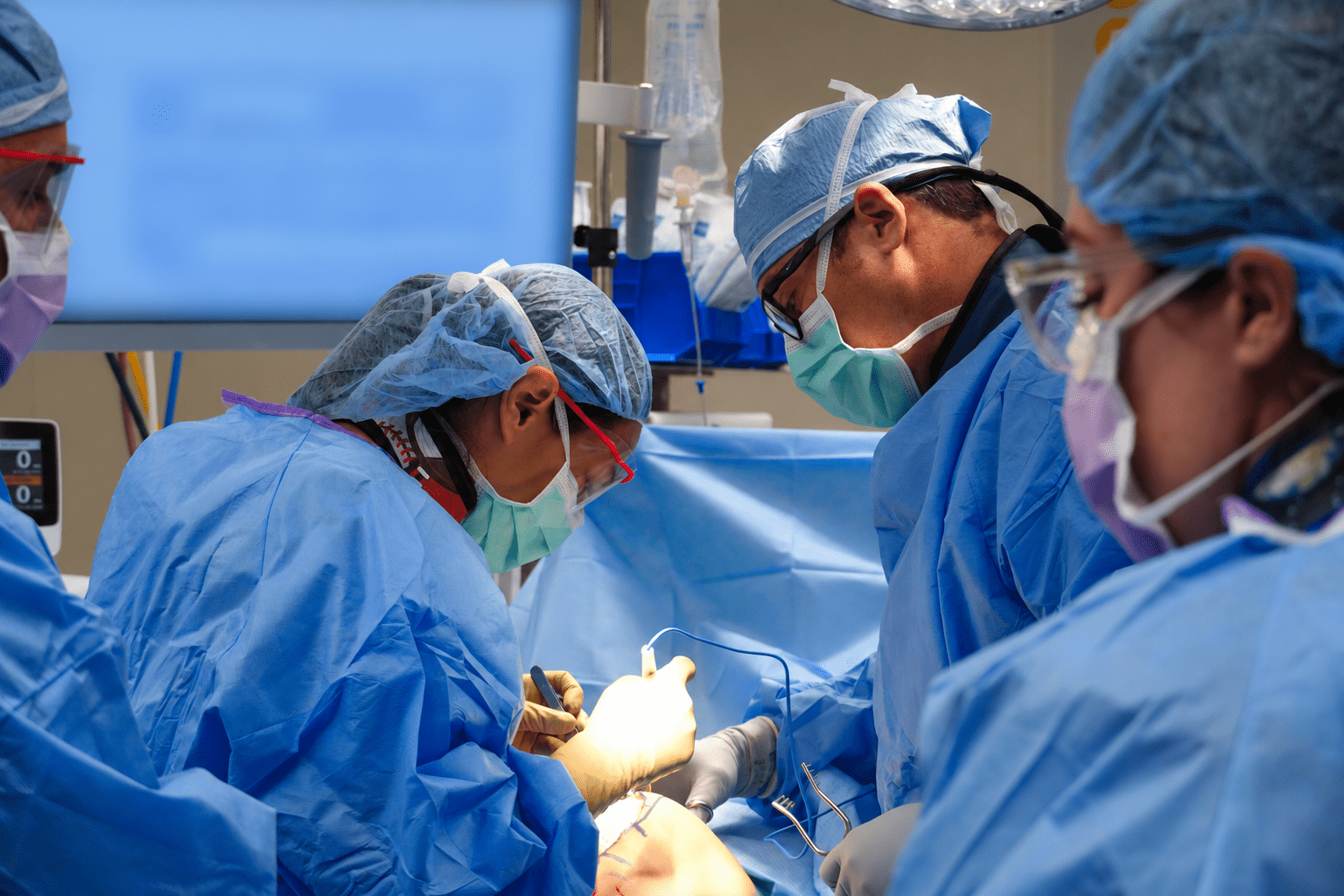
Young athletes are still growing, and their growth plates can change how an orthopedic injury needs to be treated. For knee injuries, Dr. Logterman and Dr. Ellington look beyond the injury itself.
They consider factors such as:
- Age
- Growth plates
- Leg alignment
- Type of sport
- Other factors that may affect treatment and recovery
“It’s not just, you have an ACL tear, let’s fix it,” Dr. Ellington said.
The anterior cruciate ligament, or ACL, is one of the main ligaments that helps stabilize the knee during movements such as running, jumping, cutting and pivoting. Without a working ACL, the knee can buckle or give out during activity.
For athletes with an ACL tear, returning to sports takes time. Treatment and recovery may include:
- Choosing a surgical approach based on age, growth plates and sport
- Rebuilding strength, balance and control before returning to competition
- Reconstructing the ACL using the patient’s own tissue
- Reducing swelling and restoring movement before surgery
- Starting physical therapy soon after surgery
Returning to sports can take about nine months at the earliest, but for many young athletes, recovery is closer to a year.
And for a teenager, a year can feel like a very long time.
Dr. Ellington knows that for a young athlete, an injury can affect much more than their ability to compete.
“A year without sports is a long time,” Dr. Ellington said. “This is their identity.”
When an athlete learns they have torn their ACL, Dr. Ellington gives them time to process what the diagnosis means before discussing surgery and recovery. He understands that taking in everything at once can be overwhelming, especially when a young athlete is also coming to terms with being away from the sport they love.
For both doctors, their past experience as athletes helps them meet patients in that moment.
Treating patella dislocations in young athletes
Another common knee injury Dr. Logterman and Dr. Ellington treat is patellofemoral instability, which happens when the kneecap, or patella, moves out of place.
It can happen when a young athlete twists or rotates the knee. Sometimes the patella moves reduces on its own, while other injuries may require a trip to the emergency room to have it reduced.
Once a patella has dislocated, it can be more likely to happen again. Dr. Ellington said the chance of another dislocation is about 50% after the first injury and increases to about 70% to 80% after a second.
For growing children, treatment involves looking beyond the patella itself. The specialists evaluate leg alignment, growth, ligaments and whether the injury damaged bone or cartilage. X-rays and an MRI may also help the team understand what contributed to the injury and determine the best treatment approach.
Because young patients are still growing, the team may also consider treatments that work with that growth. In some cases, a guided growth procedure can help improve knee alignment as a child grows and may help avoid a larger surgery later.
Dell Children’s comprehensive approach to pediatric sports medicine
The pediatric sports medicine clinic brings together orthopedic specialists, physical therapists, athletic trainers, nurses, social workers and non-operative sports medicine specialists to coordinate care around each athlete.
The team also works with athletic trainers at local schools, helping some students complete parts of their rehabilitation at school and spend less time away from class.
That coordinated approach also allows the specialists to build relationships with their patients throughout recovery.
Dr. Logterman said those relationships can become just as meaningful as treating the injury itself. Over time, conversations can shift from pain and rehabilitation to questions about how the season is going, where an athlete is being recruited or what they hope to do next.
Seeing an athlete return to competition is one of the most rewarding parts of the job.
“That’s why we do what we do,” Dr. Ellington said.
Preventing overuse injuries in young athletes
Not every sports injury happens in a single moment.
Dr. Logterman and Dr. Ellington also treat overuse injuries caused by doing too much, too soon.
As youth sports become more competitive, some children are training at levels designed for much older athletes. Repeating the same movements without enough rest can place added stress on a growing body.
One general guideline Dr. Ellington shares with families is that children should not spend more hours per week playing organized sports than their age in years. He also encourages young athletes to play different sports instead of specializing in one sport year-round at a young age.
“More is not always better,” Dr. Logterman said. “Rest is a good thing. It’s a mandatory thing. It’s a necessary thing.”
For young athletes, protecting their bodies now can help give them more opportunities to keep playing the sports they love in the future.
And when an injury does happen, having a care team that understands both the growing athlete and the person behind the uniform can make a difference.
Learn more about pediatric orthopedic care at Dell Children’s.
This blog is intended for general informational use. Any health-related information shared is not meant to provide or replace professional medical advice and does not establish a patient-provider relationship. If you are experiencing a medical emergency, call 911 or go to the nearest emergency room.
Last updated: octubre 12, 2026